
The Rose Harvest in Isparta
Every spring the gardens around Isparta in Türkiye blush with Damask roses, and the picking begins long before dawn. It is a season of pink fields, copper stills and a fragrance that follows you through the streets.

Every spring the gardens around Isparta in Türkiye blush with Damask roses, and the picking begins long before dawn. It is a season of pink fields, copper stills and a fragrance that follows you through the streets.
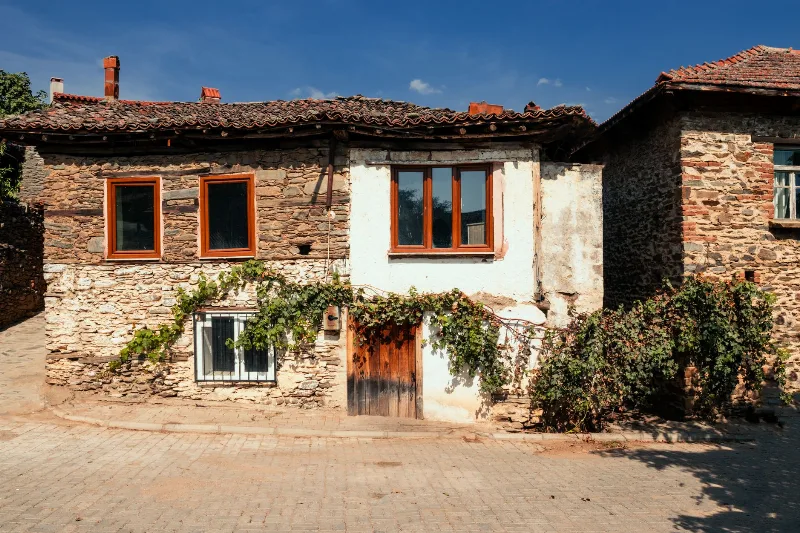
Birgi is a historic village in İzmir Province where Ottoman houses, stone lanes and a mountain-and-plain landscape shape everyday Aegean life.
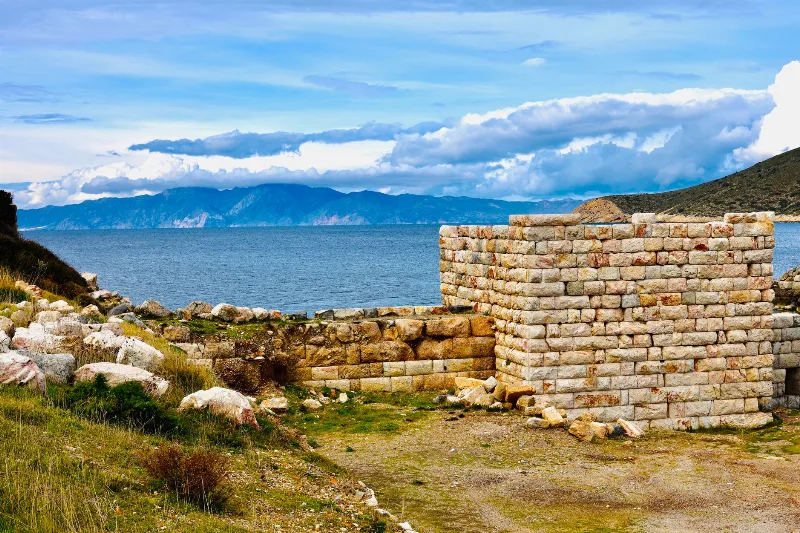
Where the Datça Peninsula narrows into a rocky point in Muğla, the ruins of Knidos spread across two harbours, carrying the memory of a busy trading city and a statue that drew travellers across the ancient world.
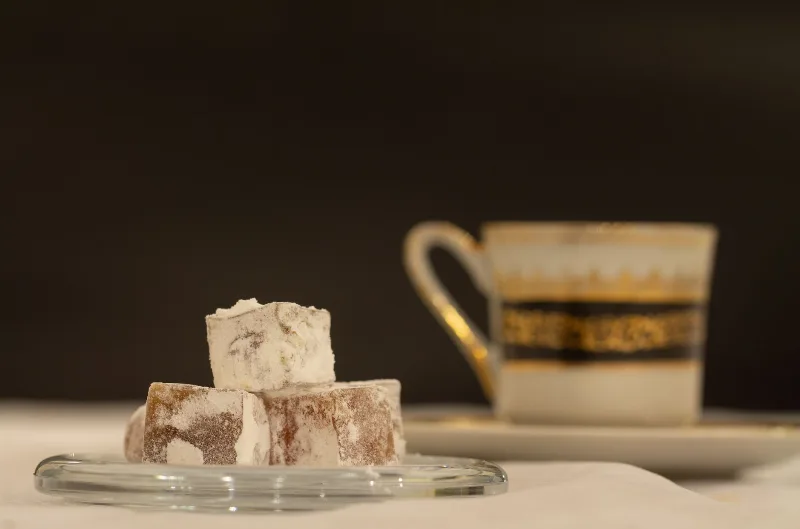
Turkish coffee is a cultural ritual as much as a drink, prepared slowly and shared in homes and coffeehouses across Türkiye. This article explores its history, preparation, serving customs and social meaning.
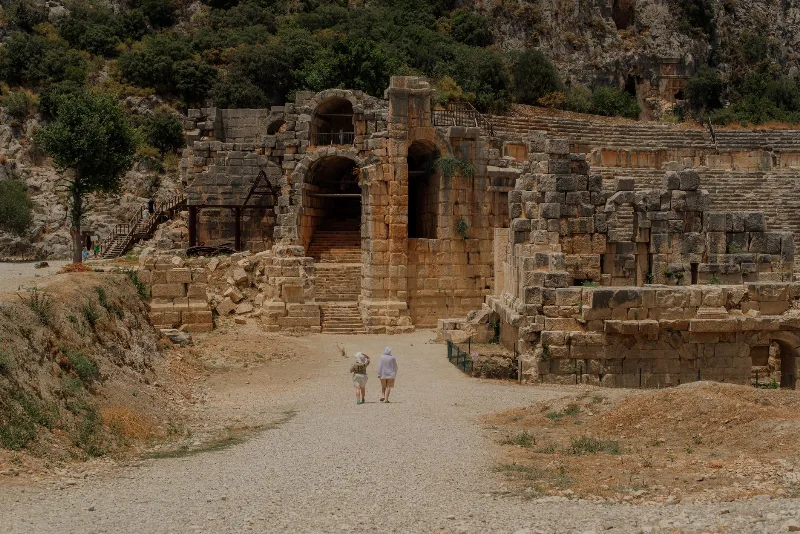
Phaselis is an ancient port city near Kemer in Antalya, where three harbours, a colonnaded main street and Roman-era ruins sit among pine trees at the water's edge.
On the Mediterranean coast of Antalya, the Lycian ruins of Olympos rest in a wooded river valley, while the Yanartaş flames keep burning on the mountainside above Çıralı.
Held each summer on a meadow beside the Tunca River, Kırkpınar is Edirne's centuries-old oil wrestling festival, where pehlivan compete in leather kispet slicked with olive oil.
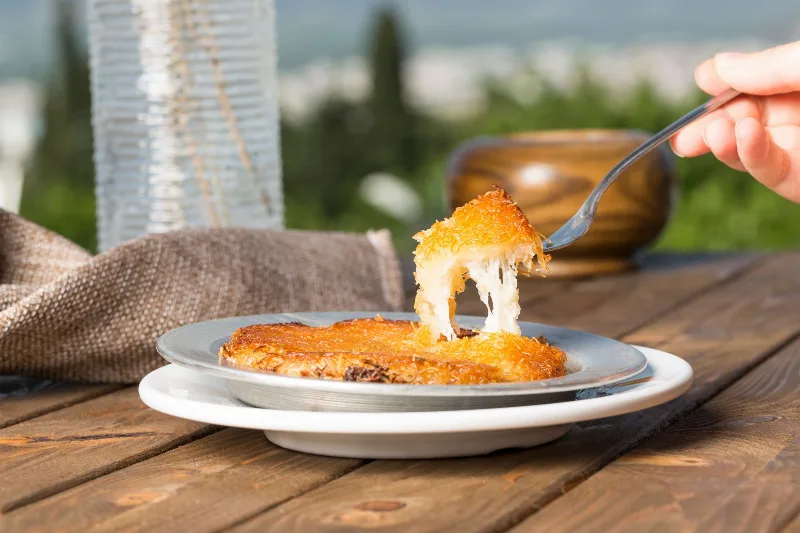
Hatay's cuisine reflects centuries of cultural exchange, offering spicy kebabs, vibrant mezze, and distinctive desserts such as künefe. The food traditions of Antakya and the surrounding region are shaped by local ingredients and seasonal rhythms.

A single lamp, a translucent screen and two quarrelsome companions: Karagöz and Hacivat have shaped Turkish shadow theatre for centuries. This article explores their characters, the craft behind the puppets and the music that carries each performance.
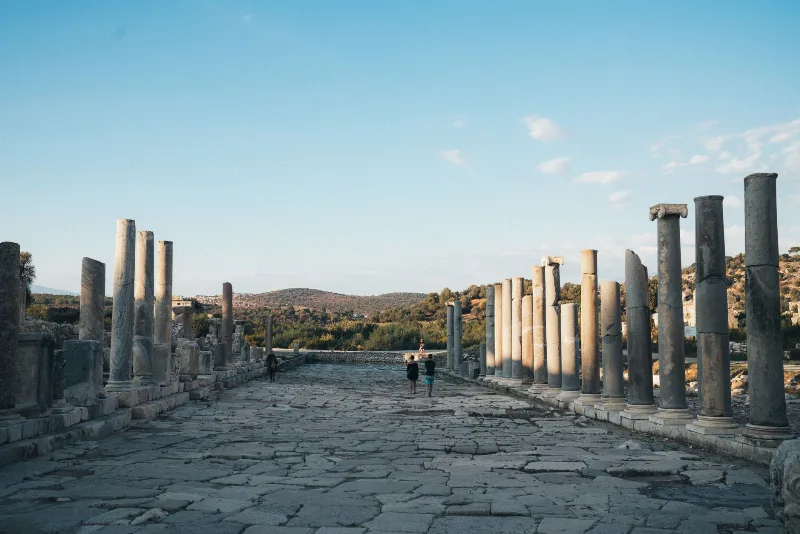
Perge, an ancient Pamphylian city on the plain east of Antalya, preserves colonnaded streets, a theatre, a stadium and baths that show how a Roman-era city was laid out and lived in.
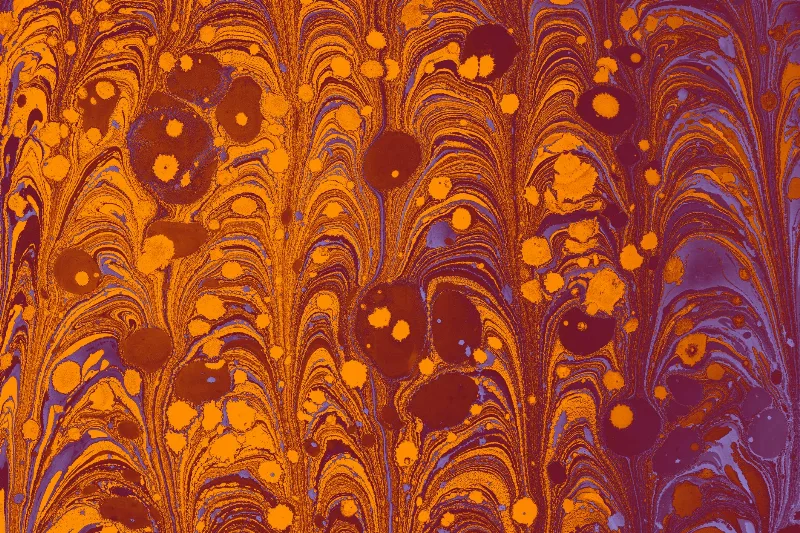
Discover the ancient Turkish art of Ebru, or paper marbling, a traditional craft that transforms water and paint into mesmerizing patterns. Learn about its history, techniques, and cultural significance in Türkiye.
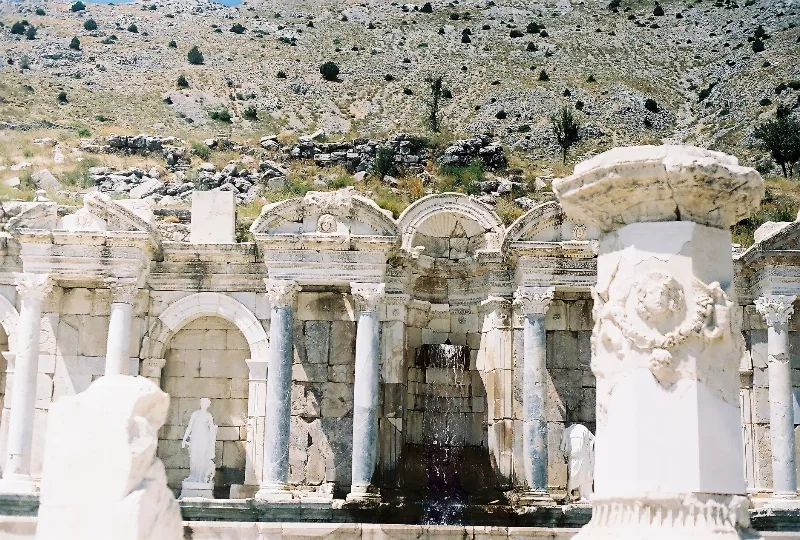
High in the Taurus Mountains above Ağlasun, the ancient city of Sagalassos preserves the streets, fountains and public buildings of a prosperous Pisidian and Roman settlement.
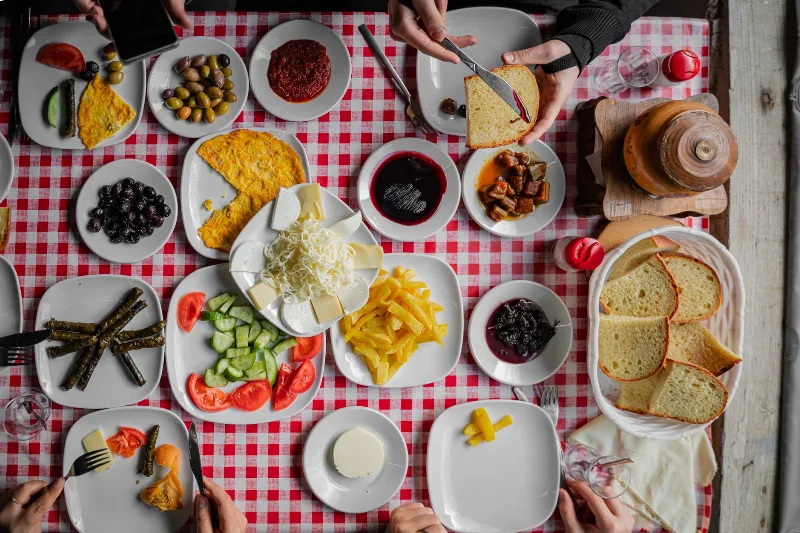
Turkish breakfast, or kahvaltı, is a leisurely morning meal of cheeses, olives, breads, and teas that reflects Türkiye's regional diversity and communal spirit.
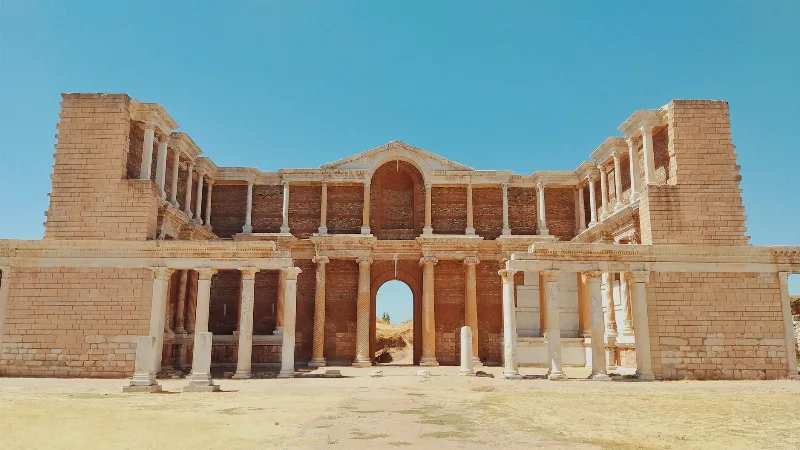
Sardis, the ancient capital of Lydia in western Türkiye, preserves a monumental synagogue, a Roman gymnasium and the gold-bearing Pactolus river.
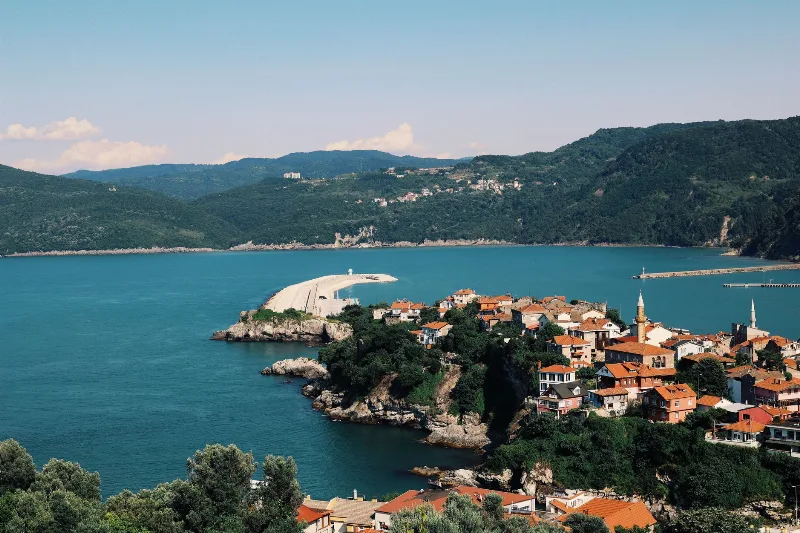
Amasra is a small Black Sea town in Bartın province, built on a rocky peninsula where two sheltered bays meet green hills. Its old walls, castle and maritime life give it a character shaped by centuries of trade and settlement.
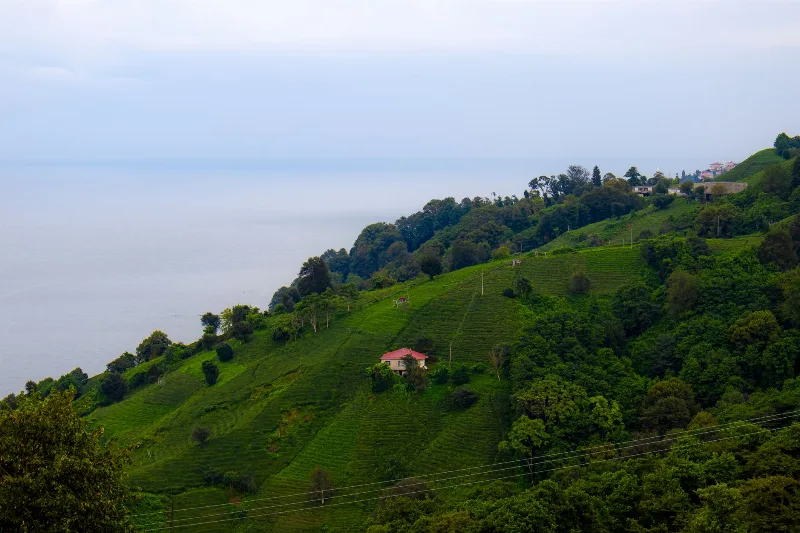
The Black Sea region of Türkiye, especially around Rize, is home to extensive tea gardens that produce Turkish black tea. Visitors can explore these green landscapes and learn about local tea culture.
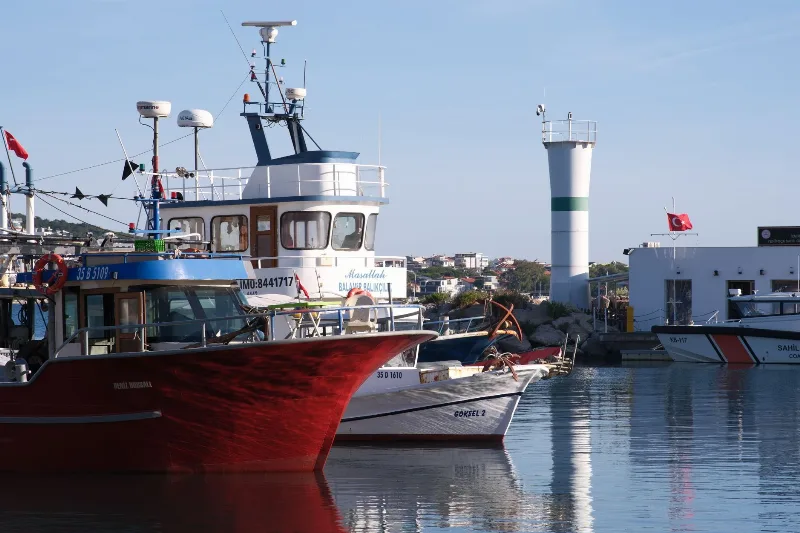
The Aegean coast of Türkiye is lined with small fishing villages where wooden boats, olive groves and seafood shape a quiet maritime way of life.
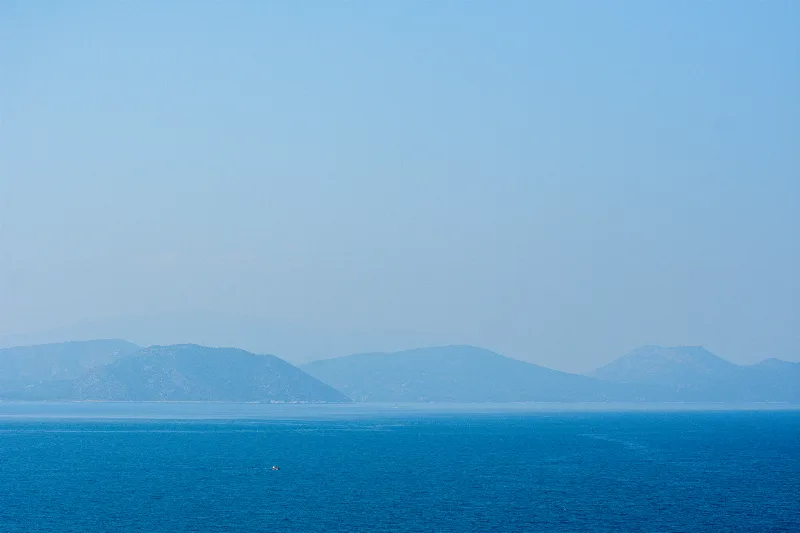
Each spring, the Aegean coast of Türkiye turns green and then colourful, as anemones, poppies, orchids and wild tulips follow the warming weather from the shoreline up into the mountains.
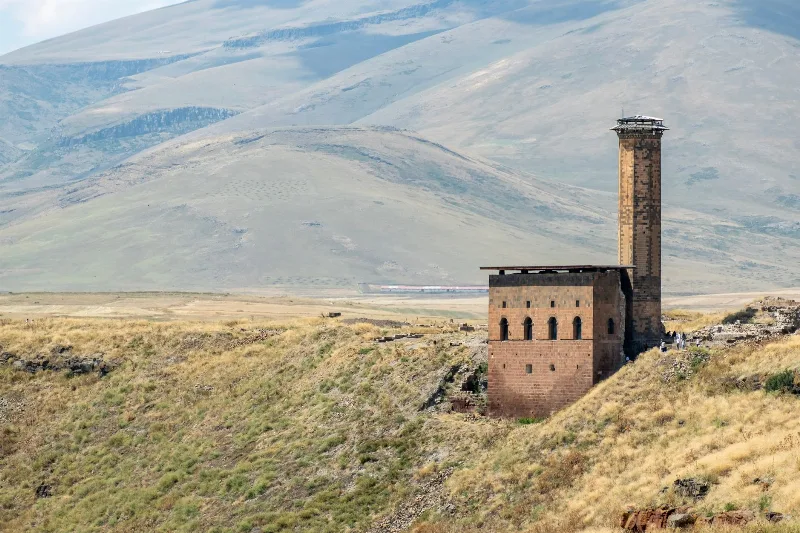
Ani, an abandoned medieval city on the Turkish-Armenian border, offers a fascinating glimpse into a rich past with its well-preserved churches, mosque, and walls. Located near Kars, this ancient site invites travelers to explore its haunting beauty.
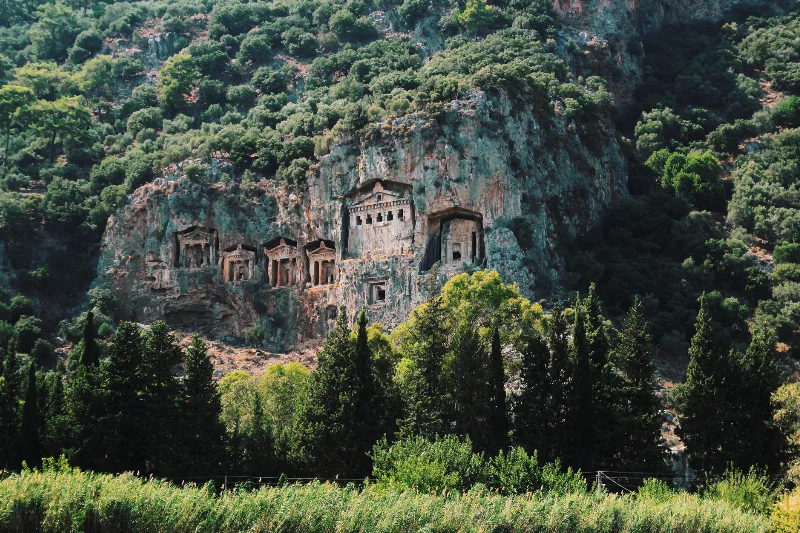
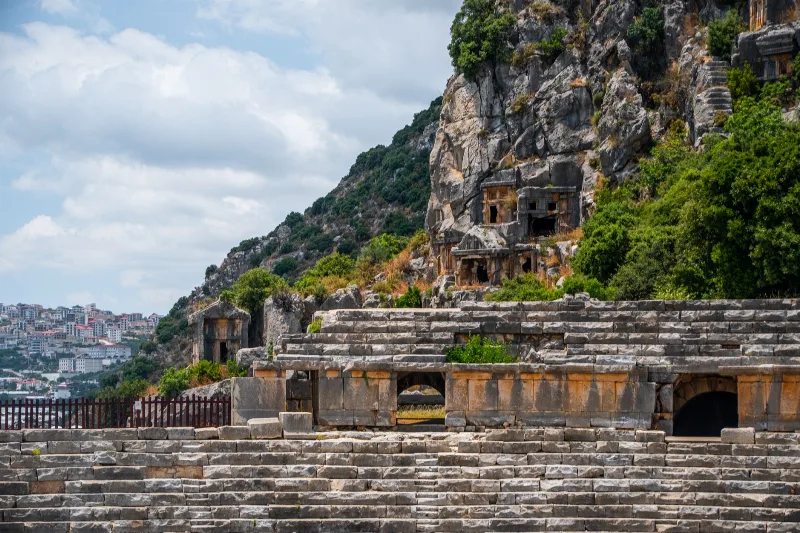
Cut into the cliffs above the Dalyan River, the rock tombs of ancient Kaunos preserve the funerary architecture of Caria and frame one of the most distinctive landscapes on Türkiye's southwestern coast.
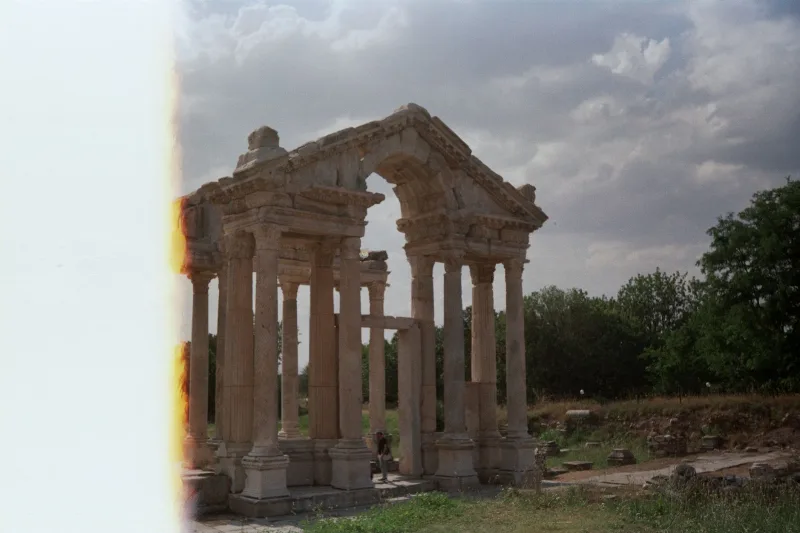
Aphrodisias in Aydın province is an ancient city dedicated to the goddess Aphrodite, celebrated for its stadium, temple and marble sculpture workshops.
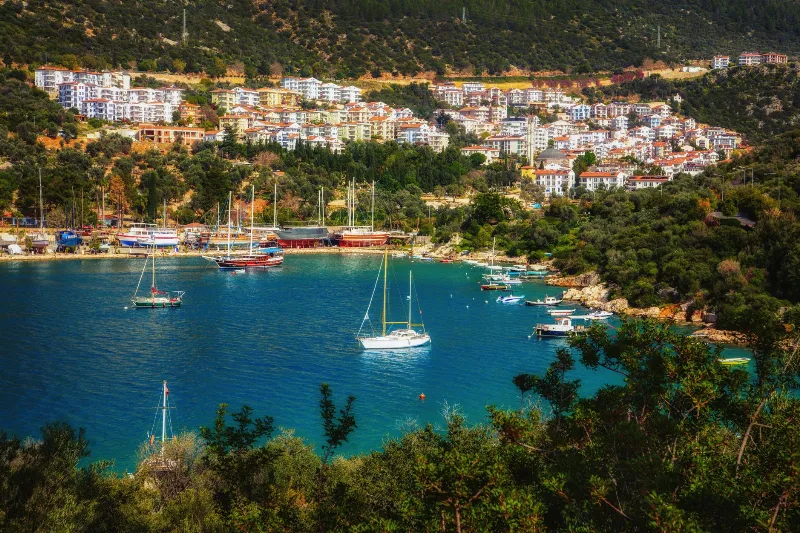
A Mediterranean town in Antalya province, Kaş pairs clear water and diving with ancient Lycian ruins and the walking trails of the Lycian Way.
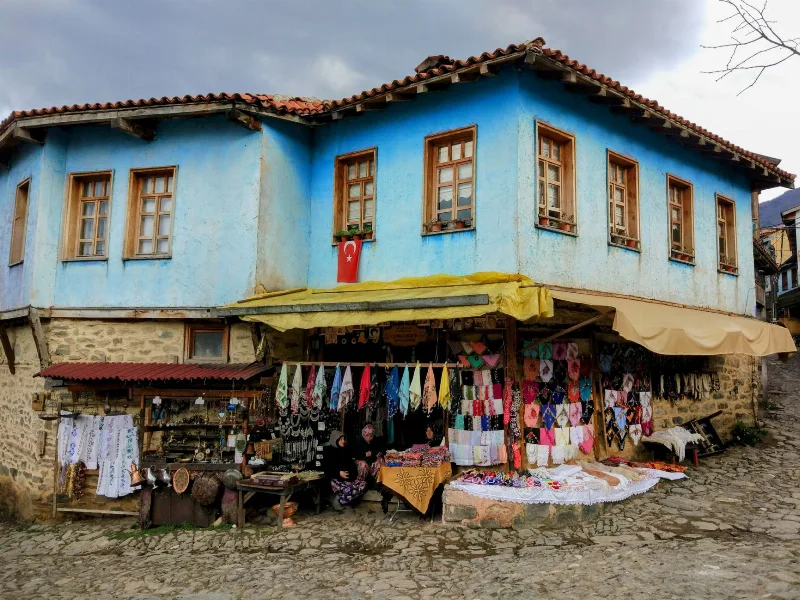
Cumalıkızık, a preserved Ottoman village on the slopes of Uludağ near Bursa, is known for its cobblestone lanes, painted historic houses and long-standing rural traditions that continue today.
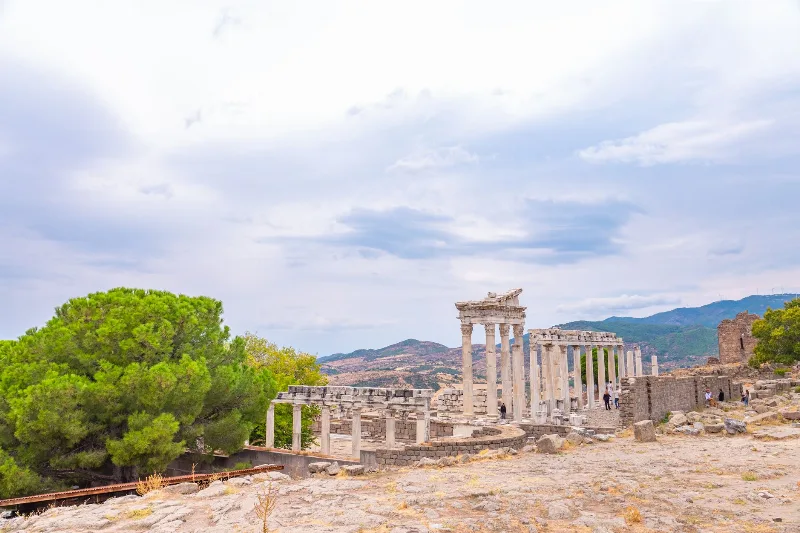
Pergamon, now Bergama in Türkiye, is a UNESCO World Heritage Site with a dramatic acropolis, a Hellenistic theater, and a library that once rivaled Alexandria. Its ruins offer a deep dive into ancient history and culture.
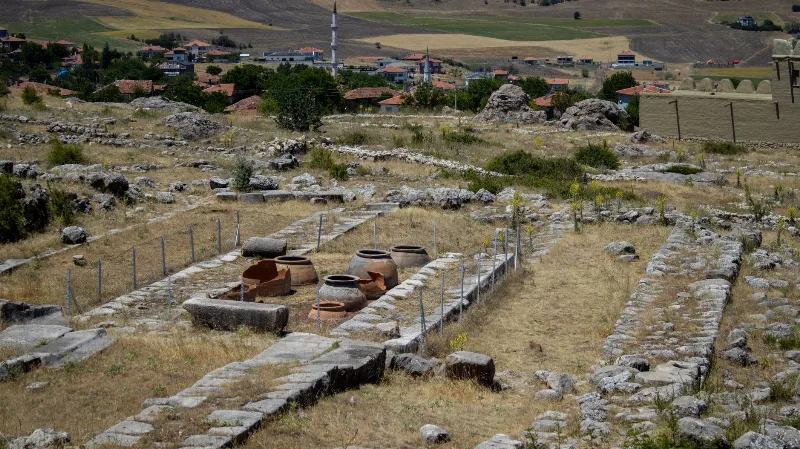
Hattusa, the Hittite capital in Çorum, preserves monumental gates, temples and royal buildings from one of the ancient Near East's great powers.

The hamam is one of the most enduring rituals in Türkiye, a place where washing, warmth and conversation have been woven together for centuries. Its marble halls and domed ceilings turn an everyday act into a slow, social ceremony.
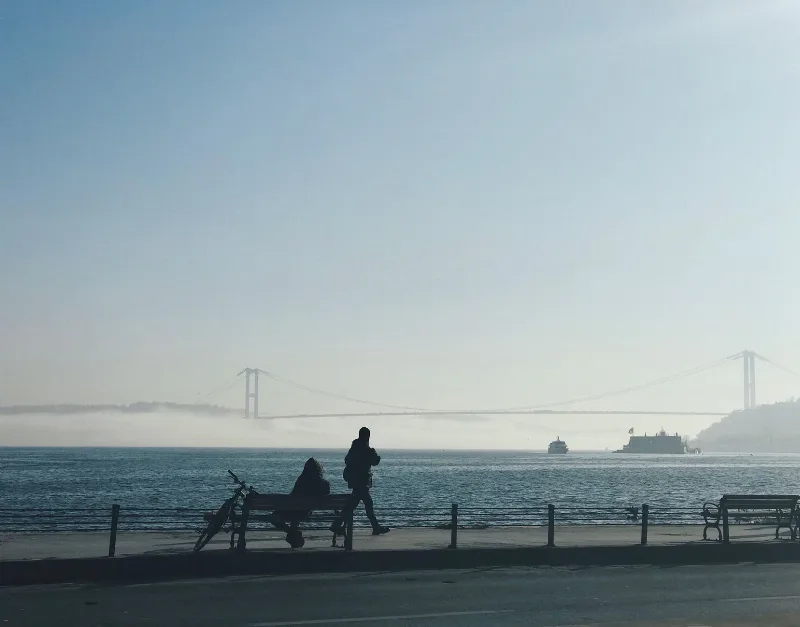
The Bosphorus is the winding strait that divides Istanbul between Europe and Asia, and its shores are lined with wooden Ottoman-era waterfront mansions known as yalıs.
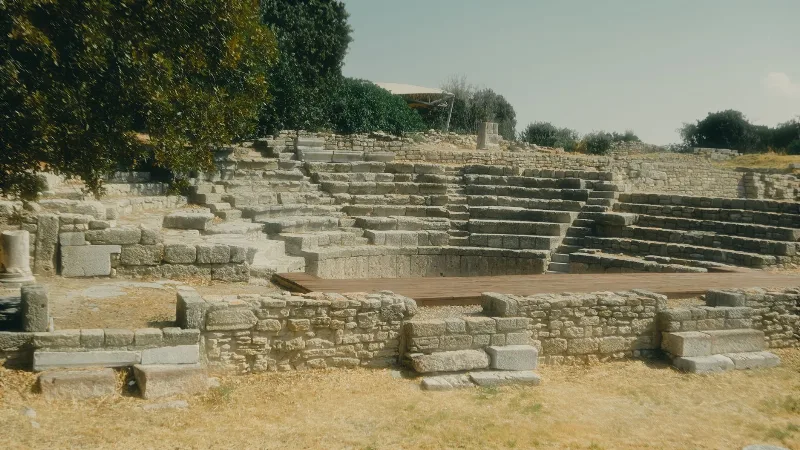
Troy, located in Çanakkale Province, Türkiye, is a UNESCO World Heritage Site with nine archaeological layers spanning thousands of years. Its legendary status, rooted in Homer's Iliad, continues to fascinate visitors and scholars.
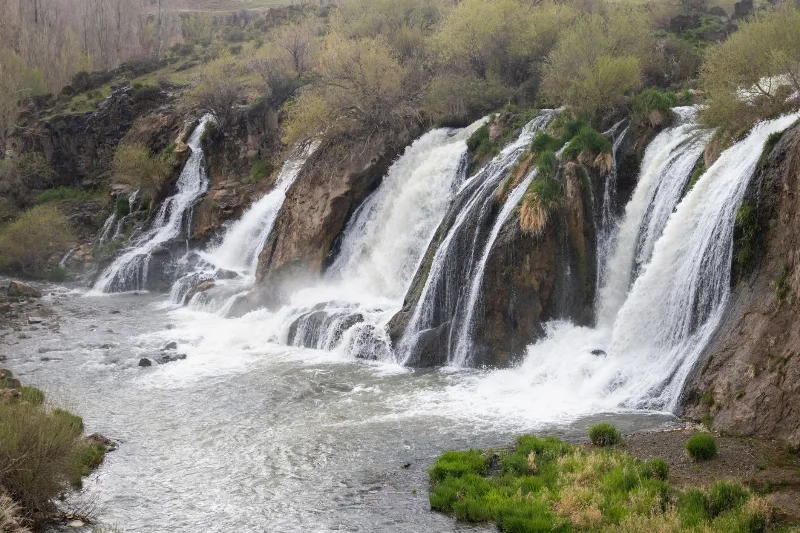
Spring in Van brings Nevruz and Hıdırellez celebrations, blooming landscapes around Lake Van, and fresh local foods. Discover how eastern Türkiye welcomes the season with culture, nature, and community traditions.
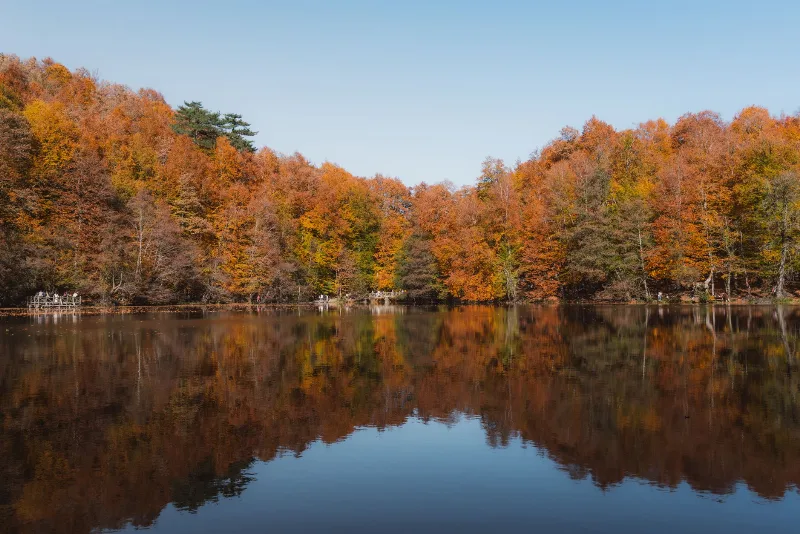
Yedigöller National Park in Bolu Province gathers seven small lakes inside dense woodland, offering quiet walking country, rich plant life and a striking autumn palette in the Western Black Sea region of Türkiye.
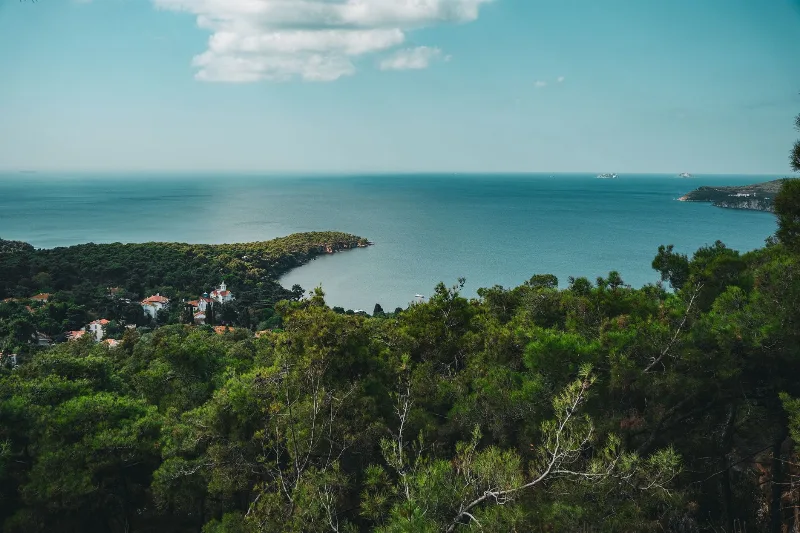
Just a short ferry ride from Istanbul, the Princes' Islands offer pine-covered hills, car-free streets and calm Marmara Sea views. This guide explores the archipelago's landscapes, history and island life.
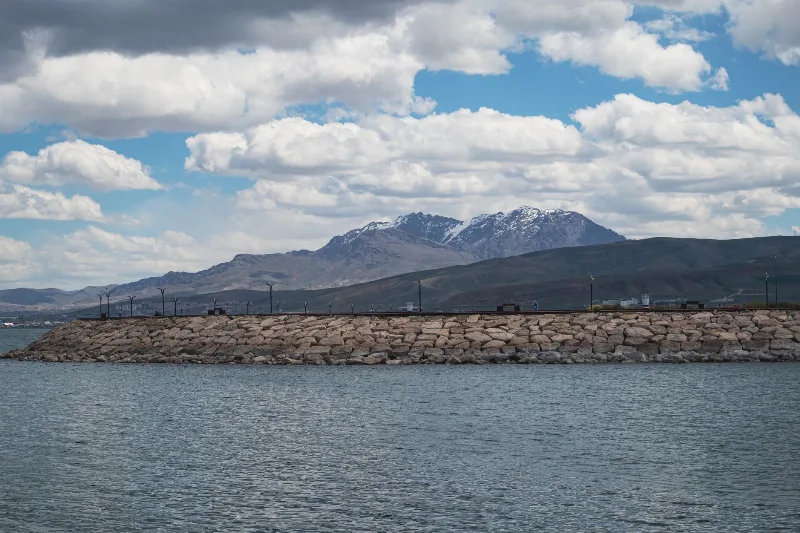
The high shores of Lake Van in eastern Türkiye are lined with fortresses built by the Urartians and later rulers, each one placed to guard water, trade routes and fertile plains.
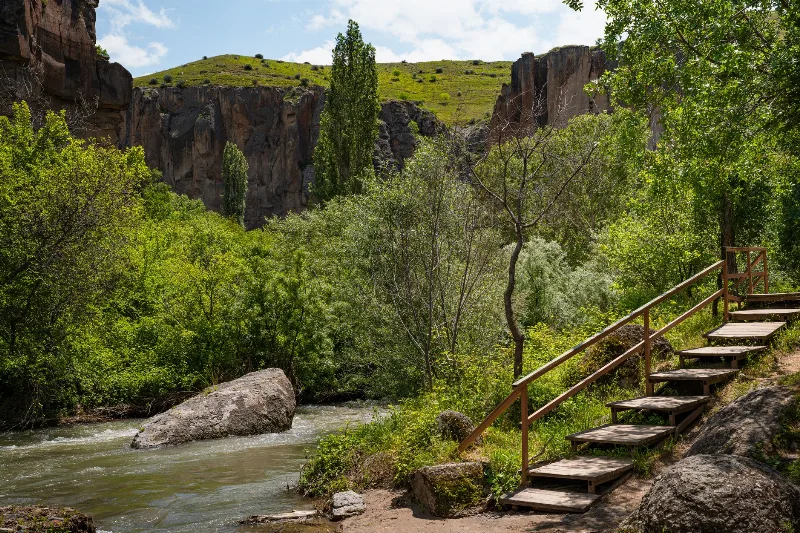
The Ihlara Valley in Cappadocia, Türkiye, is a green canyon carved by the Melendiz River, known for its rock-cut churches, Byzantine frescoes and peaceful walking paths.
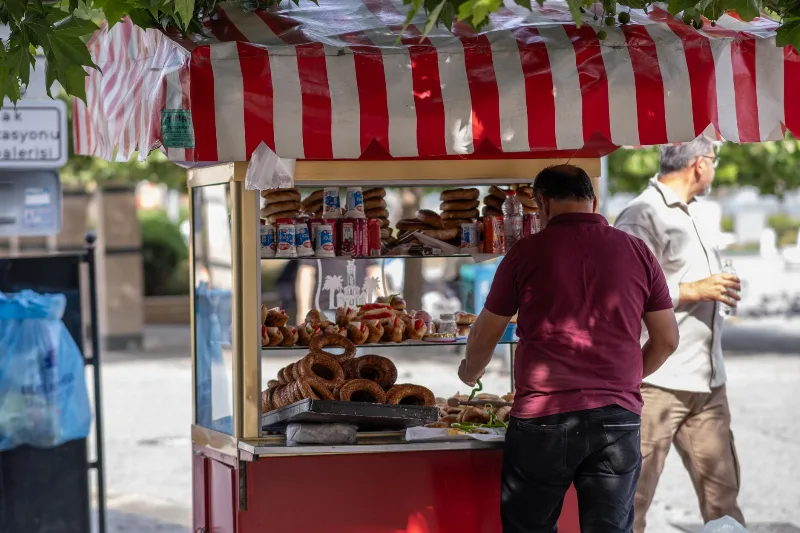
İzmir's street food follows its own calendar, from sesame gevrek at sunrise to stuffed mussels and grilled kokoreç after dark. The city's Aegean setting shapes a cuisine built on olive oil, herbs and seafood.
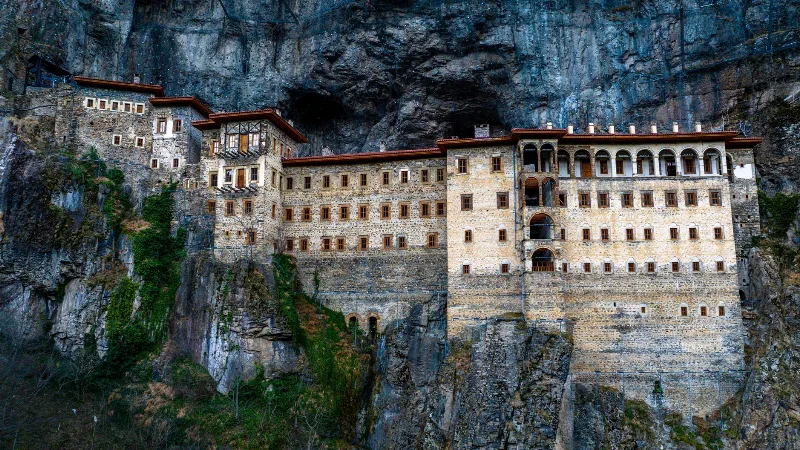
Perched on a cliff above the Altındere Valley, Sümela Monastery blends Byzantine heritage, rock-cut architecture and the green landscapes of Trabzon's Black Sea countryside.
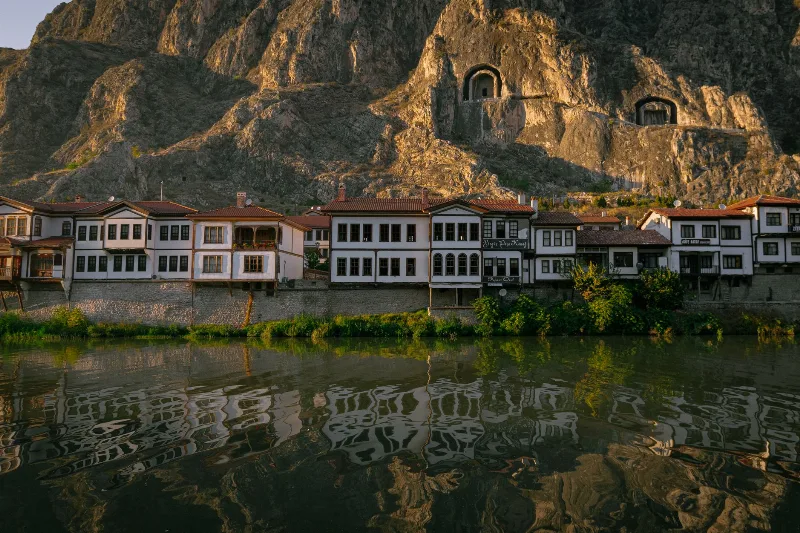
A look at the historic Ottoman houses of Amasya in northern Türkiye, from their riverside setting and timber construction to the gardens and rooms that shaped daily life along the Yeşilırmak.
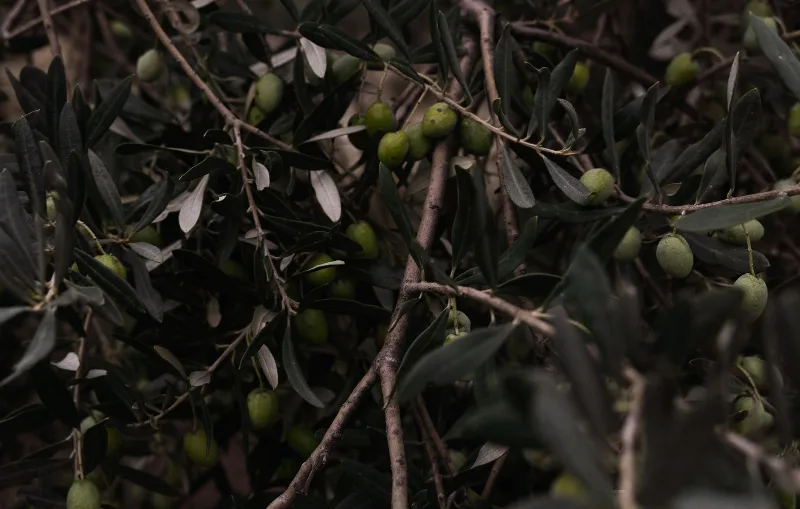
Silver-green groves stretch along the Aegean coast of Türkiye, shaping the region's landscape, cuisine and seasonal traditions from Ayvalık to Bodrum.
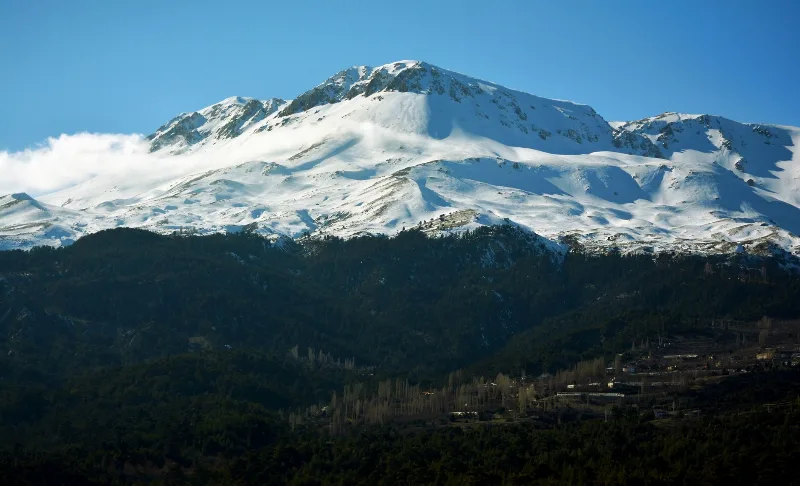
The Taurus Mountains in southern Türkiye offer rugged landscapes, diverse hiking trails, and rich cultural heritage. From ancient ruins to alpine meadows, this range invites exploration across all seasons.
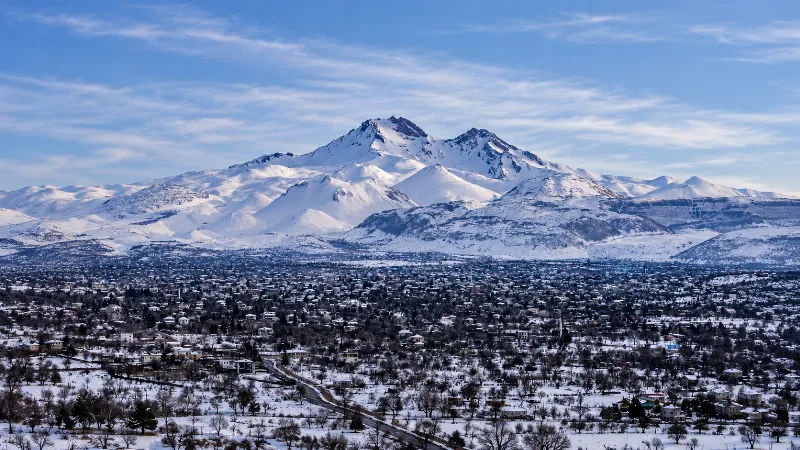
In the Anatolian city of Kayseri, thin sheets of dough are rolled, filled and layered into pastries that anchor everyday meals and festive tables alike.
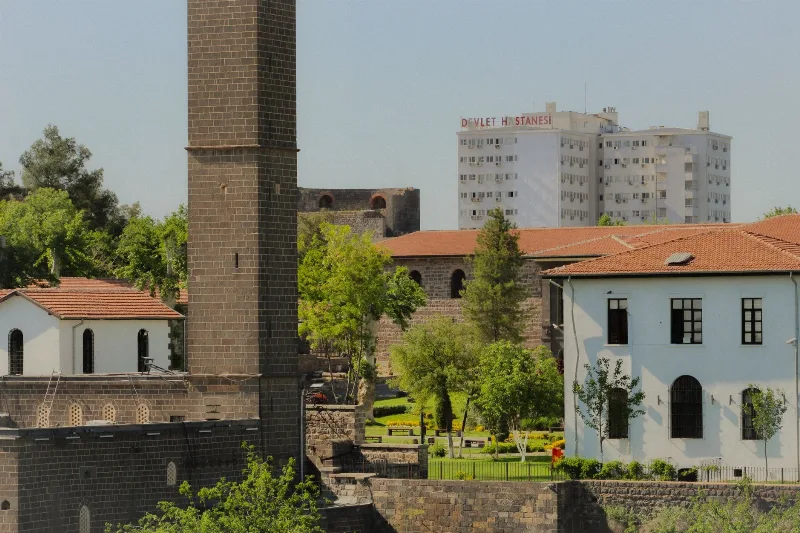
Explore the ancient city walls of Diyarbakır, a UNESCO World Heritage Site, renowned for their historical significance and architectural grandeur.
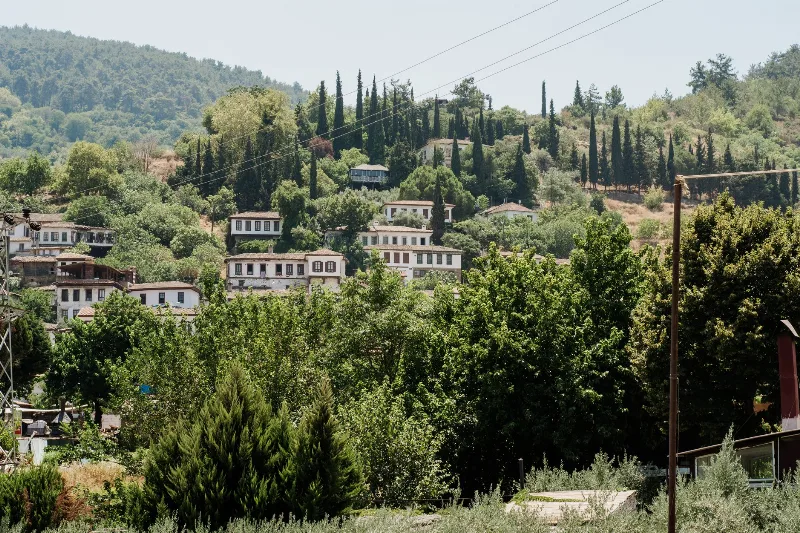
Explore the unique blend of cuisine and culture in Şirince, a picturesque village known for its rich history and charming surroundings.
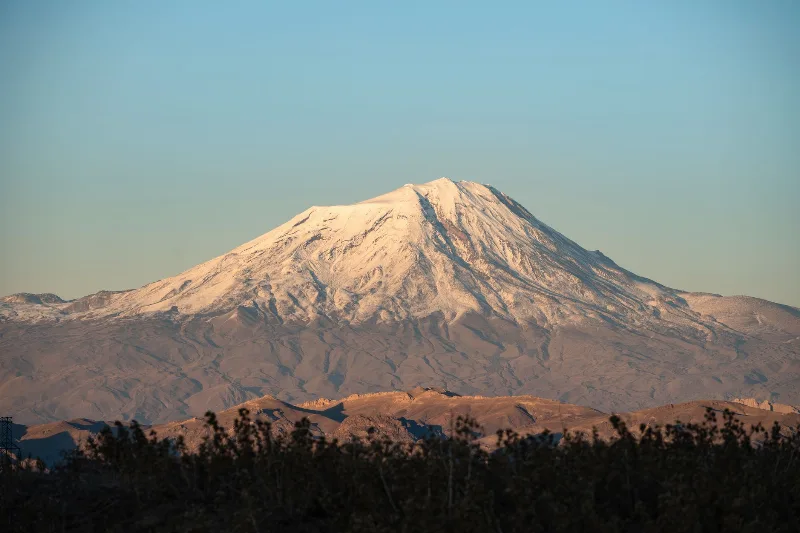
Explore Eastern Anatolia's varied landscapes, rich in natural beauty and cultural heritage, offering a unique travel experience in Türkiye.
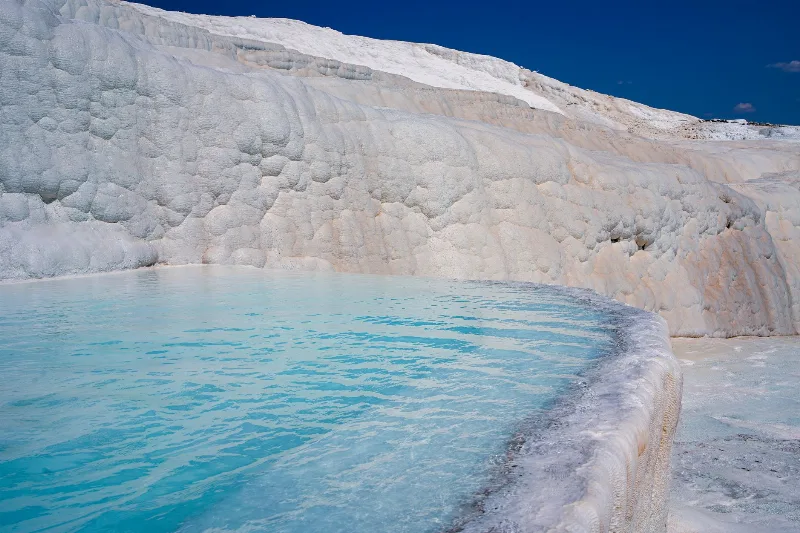
Discover the unique geological formations and thermal springs of Pamukkale, a remarkable natural wonder in Türkiye.

Discover the cultural heritage of Konya, home to the Whirling Dervishes, a city rich in history and spirituality.
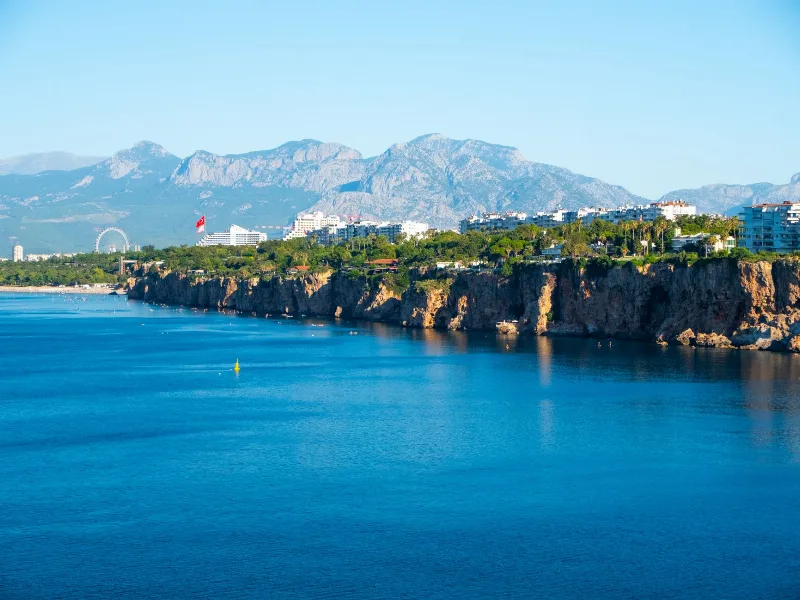
The Lycian Way in Türkiye offers a spectacular hiking experience with its stunning coastal views and rich historical landscapes.
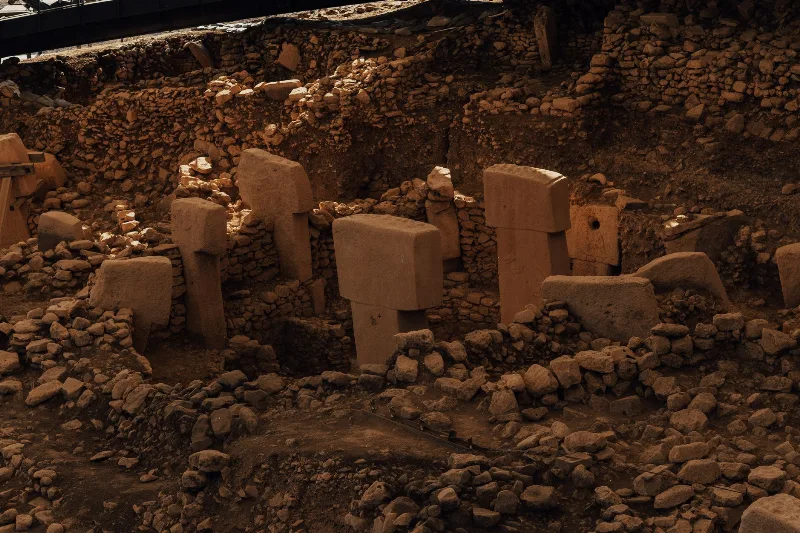
Explore Göbekli Tepe, an ancient archaeological site that reshapes our understanding of human history and civilization.
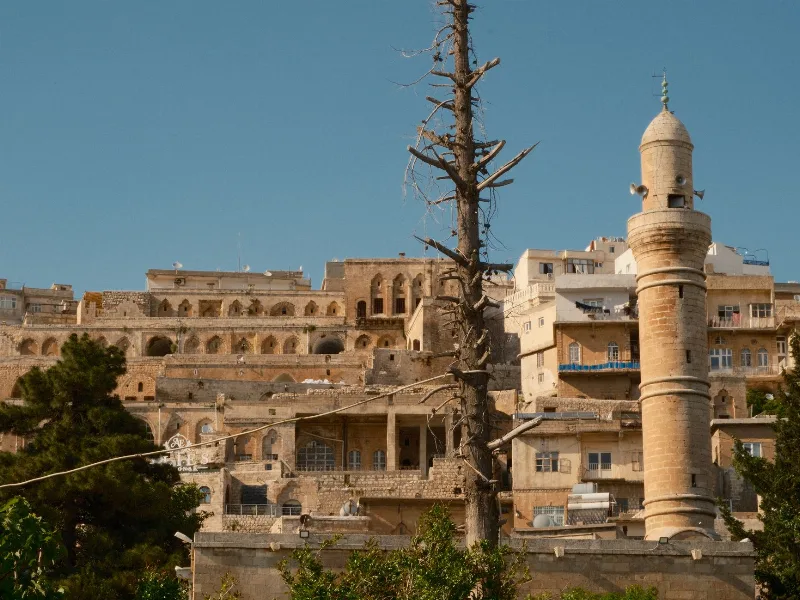
Mardin showcases a blend of ancient architectural styles and natural landscapes, reflecting its rich history and cultural heritage.
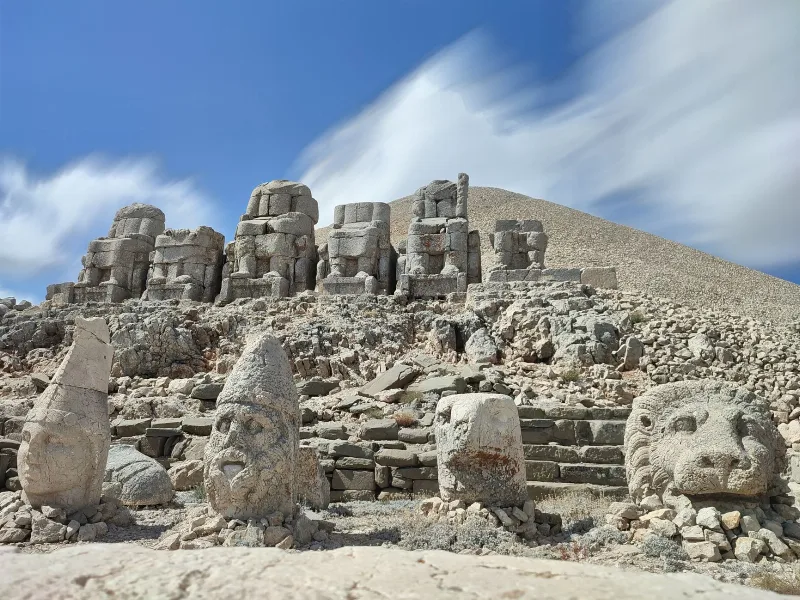
Mount Nemrut is renowned for its ancient statues and monumental tombs, offering a glimpse into a mysterious past.
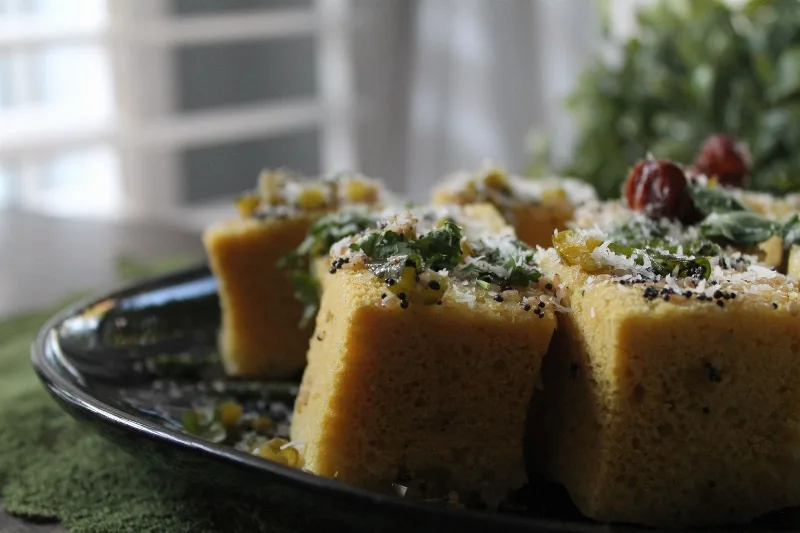
Discover the distinct flavors of Trabzon's Black Sea cuisine, characterized by fresh seafood and local ingredients.
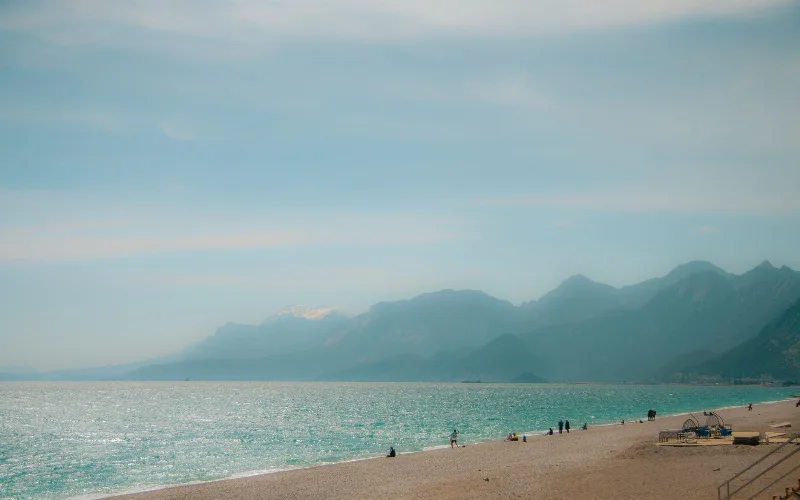
Antalya's beaches offer a serene Mediterranean escape with their clear waters and golden sands. Discover the unique charm of these coastal treasures.
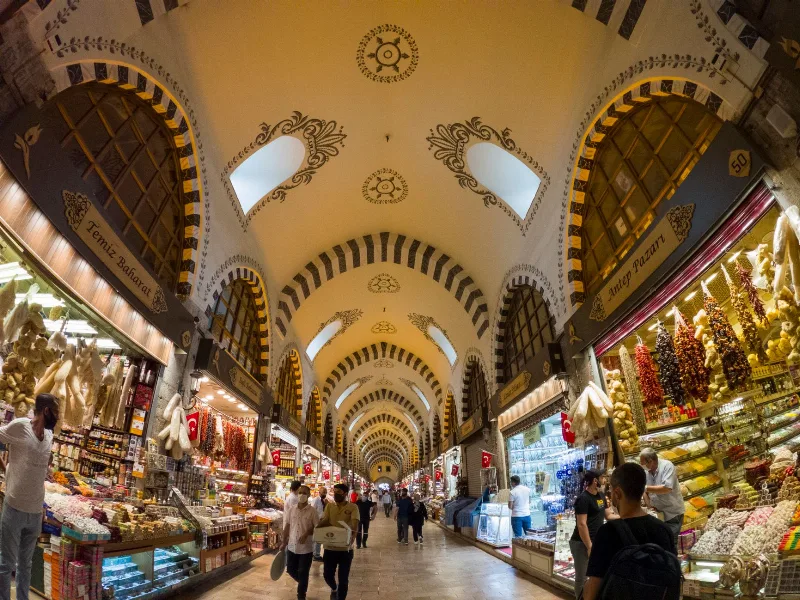
Explore the bustling markets of Istanbul, where vibrant colors, sounds, and aromas create an immersive cultural experience.
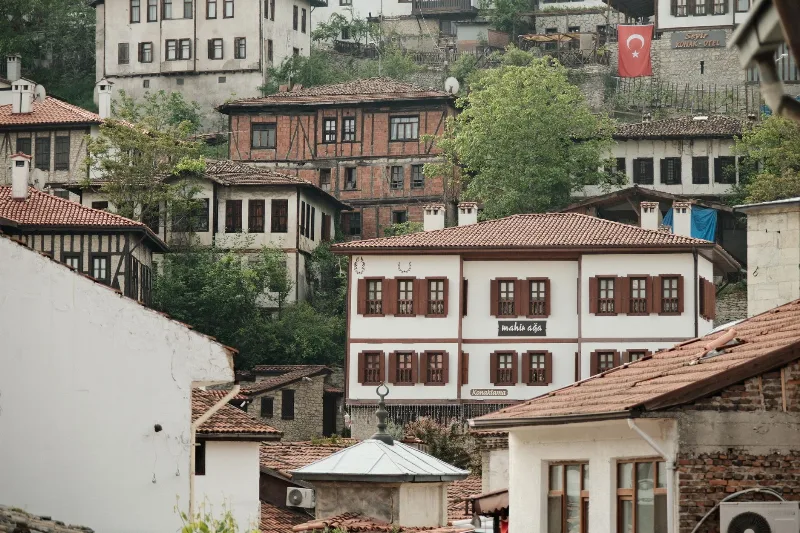
Explore the enchanting streets of Safranbolu, known for its Ottoman-era architecture and preserved historical atmosphere.
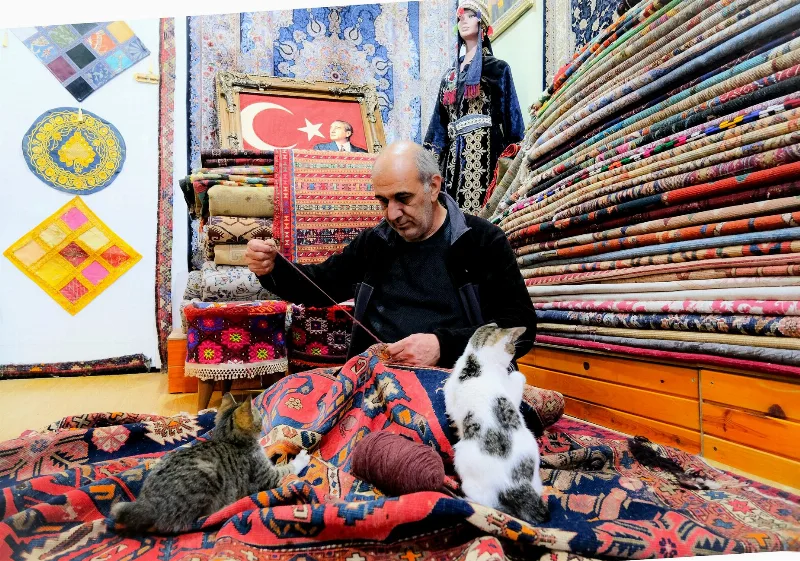
Explore the intricate craftsmanship and cultural significance of Turkish carpet weaving, an art form cherished for generations.
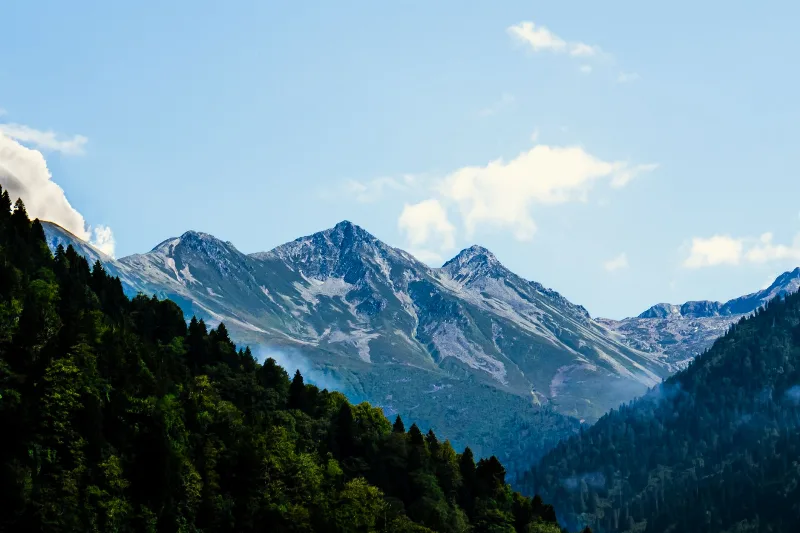
Explore the breathtaking landscapes and diverse ecosystems of the Kaçkar Mountains, offering a unique hiking adventure in Türkiye.
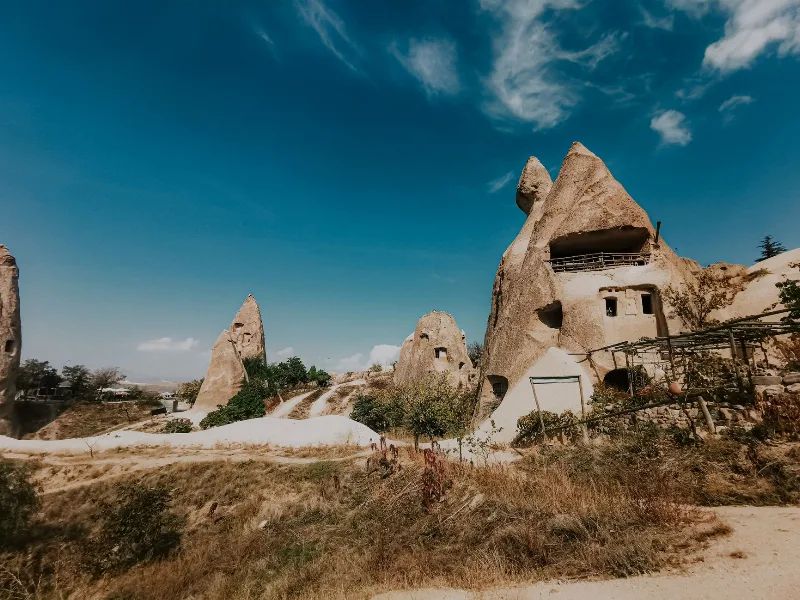
Explore the unique geological formations known as fairy chimneys in Cappadocia, a region celebrated for its extraordinary natural beauty and rich history.
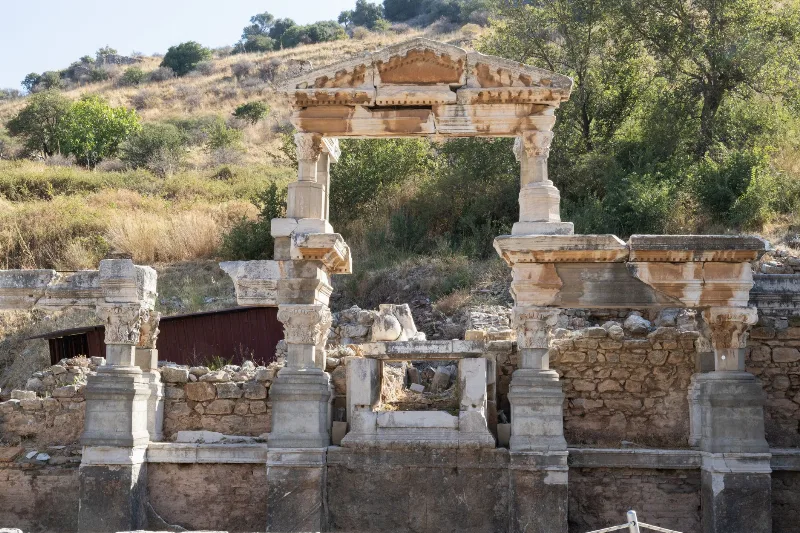
Discover the historical significance and architectural wonders of Ephesus, a key archaeological site in Türkiye's rich past.
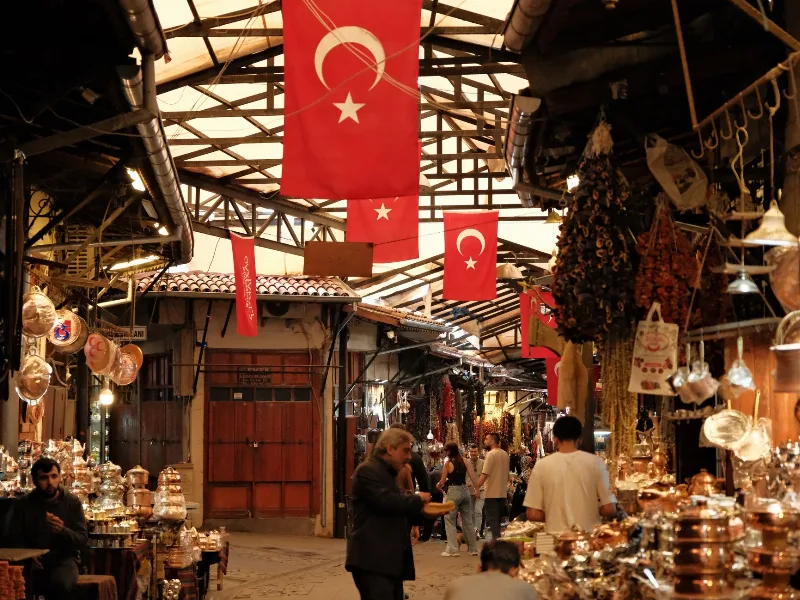
Discover the rich culinary traditions of Gaziantep, a city known for its diverse and flavorful dishes that showcase the gastronomic richness of Türkiye.
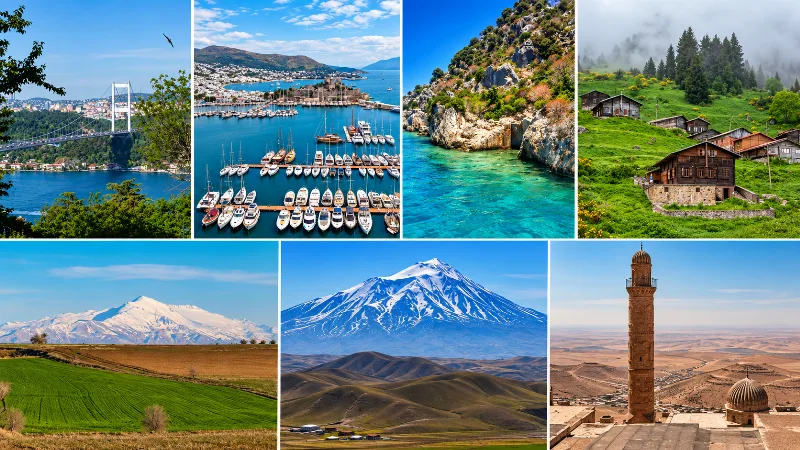
An introduction to Turkey’s seven geographical regions and the landscapes, climates and cultural characteristics that distinguish them.
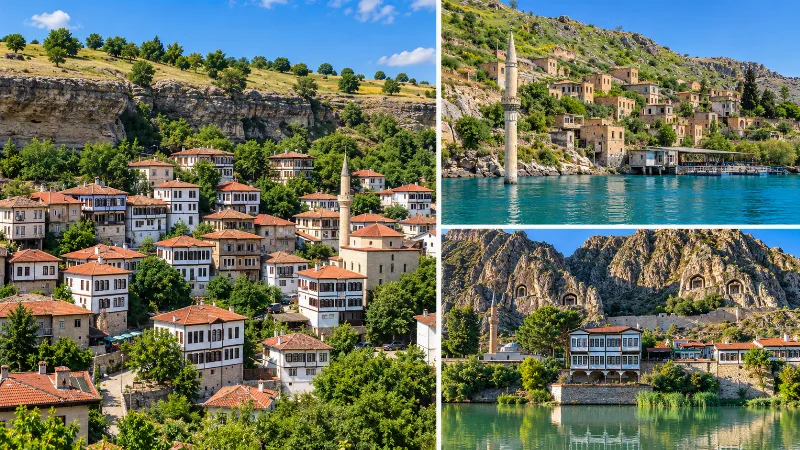
A look beyond Turkey’s most famous destinations to smaller towns, villages, coastlines, highlands and historic landscapes across the country.
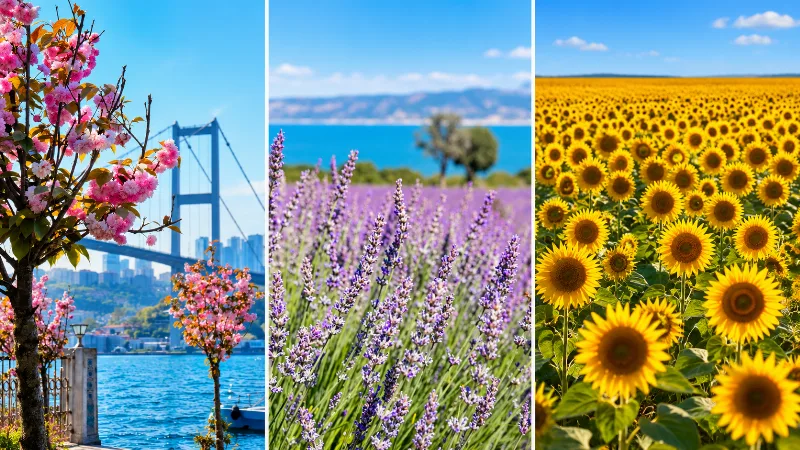
From flowering valleys and green highlands to mild coastal towns, spring changes the landscape across different regions of Turkey.
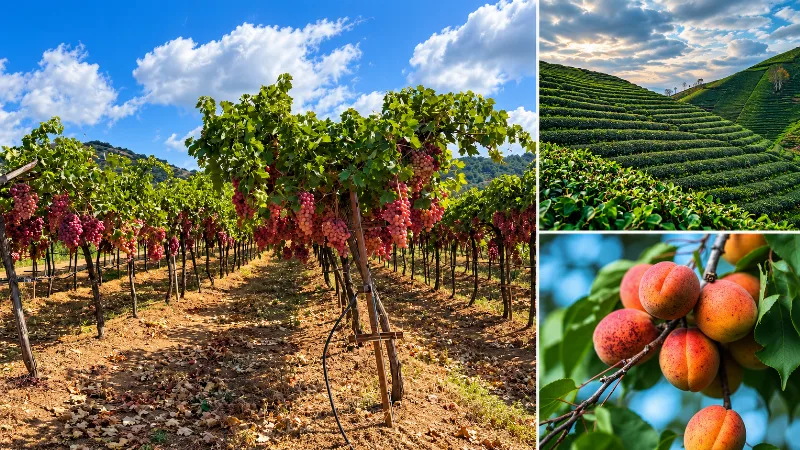
From Black Sea hazelnuts to Aegean olive oil and southeastern pistachios, Turkey’s regional food is closely connected with geography and agriculture.
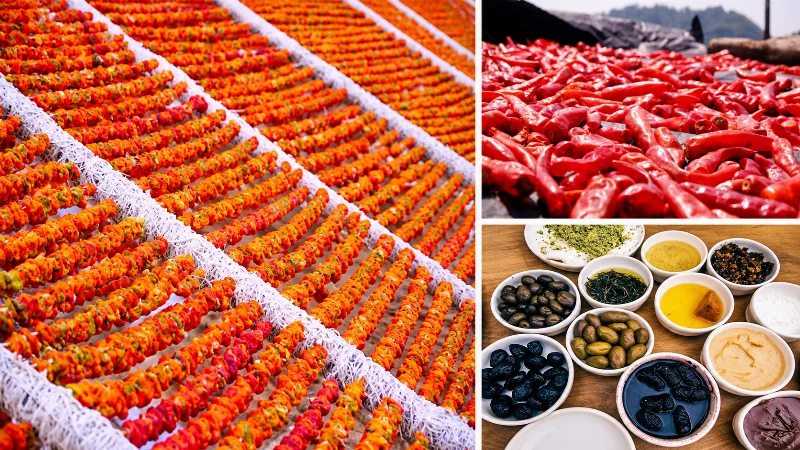
Climate, geography, agriculture and local history shape the ingredients, cooking methods and everyday dishes found across Türkiye. Türkiye’s cuisine is often described as a single national tradition, but food changes considerably from one region to another. Coastal climate, mountain geography, agricultural production, local history and available ingredients all influence what is cooked and how meals are prepared. A dish common on the Black Sea coast may be uncommon in southeastern Türkiye, while ingredients associated with the Aegean can play a much smaller role in the interior. These regional differences form one of the main characteristics of Turkish food culture.