
The Historic City Walls of Diyarbakır
STORIES FROM TÜRKİYE
Diyarbakır, a city in southeastern Türkiye, is home to one of the most remarkable historical structures: the city walls. Recognized as a UNESCO World Heritage Site, these ancient walls stand as a testament to the city's rich history and cultural significance.
The Historical Significance
The city walls of Diyarbakır have been an iconic feature of the region for centuries. Built primarily during the Roman era, these walls have witnessed numerous historical events and have been a defensive stronghold against various invasions. Their strategic importance in protecting the city has made them a focal point of interest for historians and travelers alike.
Architectural Marvel
Constructed with black basalt stone, the walls of Diyarbakır are renowned for their robust and imposing architecture. Spanning approximately 5.5 kilometers, these walls encircle the old city and feature numerous towers and gates, each with its own unique design and historical significance. The craftsmanship involved in their construction reflects the architectural prowess of ancient civilizations.
Exploring the Surroundings
Visitors to Diyarbakır can explore the walls and their surroundings, which offer stunning views of the city and the Tigris River. The area around the walls is not only a site of historical interest but also a place where local culture and traditions can be experienced. Walking along the walls provides a unique opportunity to delve into the past while enjoying the vibrant atmosphere of the present-day city.
UNESCO Recognition
In 2015, the city walls of Diyarbakır were inscribed as a UNESCO World Heritage Site, highlighting their global cultural importance. This recognition has helped preserve the walls and promote awareness of their historical and architectural value. It also attracts visitors from around the world, eager to experience a piece of history firsthand.
The city walls of Diyarbakır offer a fascinating glimpse into the past, providing insights into the region's rich cultural heritage. As a UNESCO World Heritage Site, they continue to captivate those interested in history, architecture, and the enduring legacy of ancient civilizations.
Historic places
Explore history →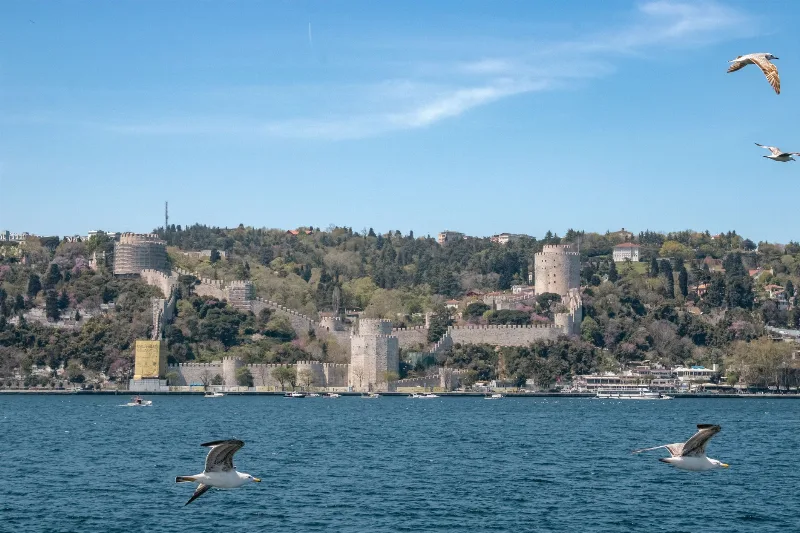
Anadolu Hisarı
Anadolu Hisarı is an Ottoman fortress built by Sultan Bayezid I in 1393–1394 on the Asian shore of the Bosphorus in Istanbul, commanding the narrowest stretch of the strait. Long described as the oldest surviving Ottoman building in the city, it was later reinforced by Mehmed II in preparation for the conquest of Constantinople.
Explore →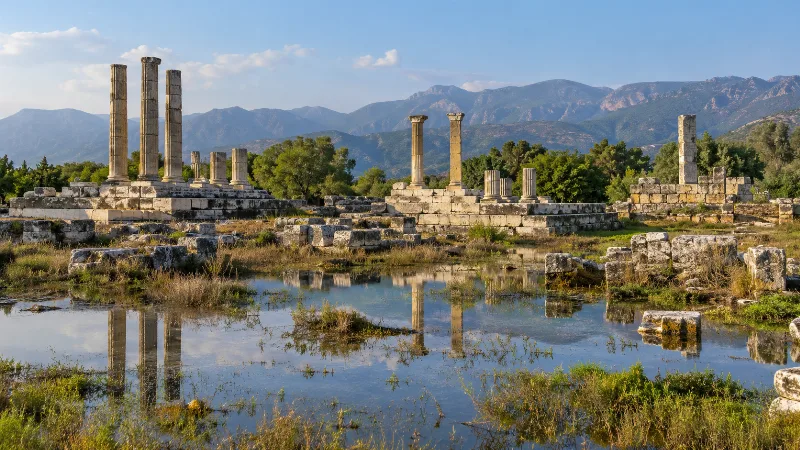
Letoon
Letoon is the ancient Lycian sanctuary of Leto near Xanthos in Muğla Province, home to three temples and the trilingual inscription that helped decipher the Lycian language.
Explore →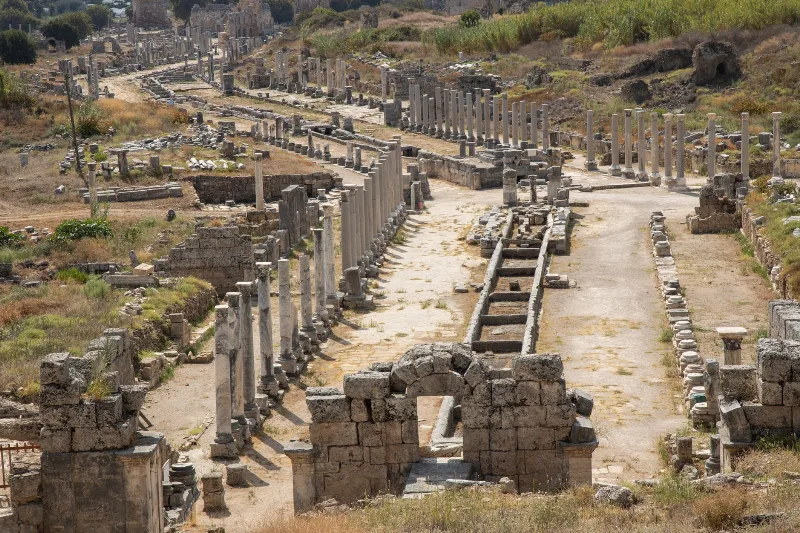
Perge
Perge is a Graeco-Roman city in the Pamphylian plain east of Antalya, Türkiye, whose surviving urban plan includes two colonnaded streets with central water channels, a hillside Roman theatre and one of Anatolia's best-preserved stadiums.
Explore →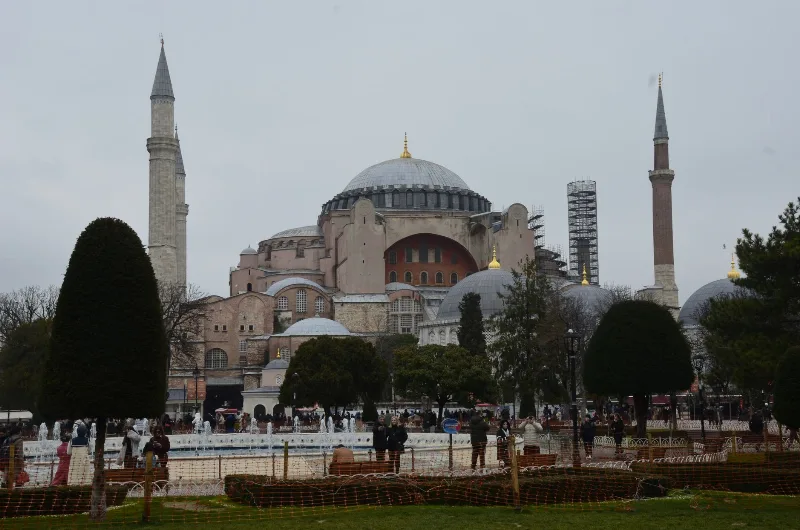
Hagia Sophia
Hagia Sophia in Istanbul is a monumental religious building begun under the Byzantine emperor Justinian I in 537 CE, later converted into an Ottoman mosque and today serving again as a mosque and UNESCO-listed monument.
Explore →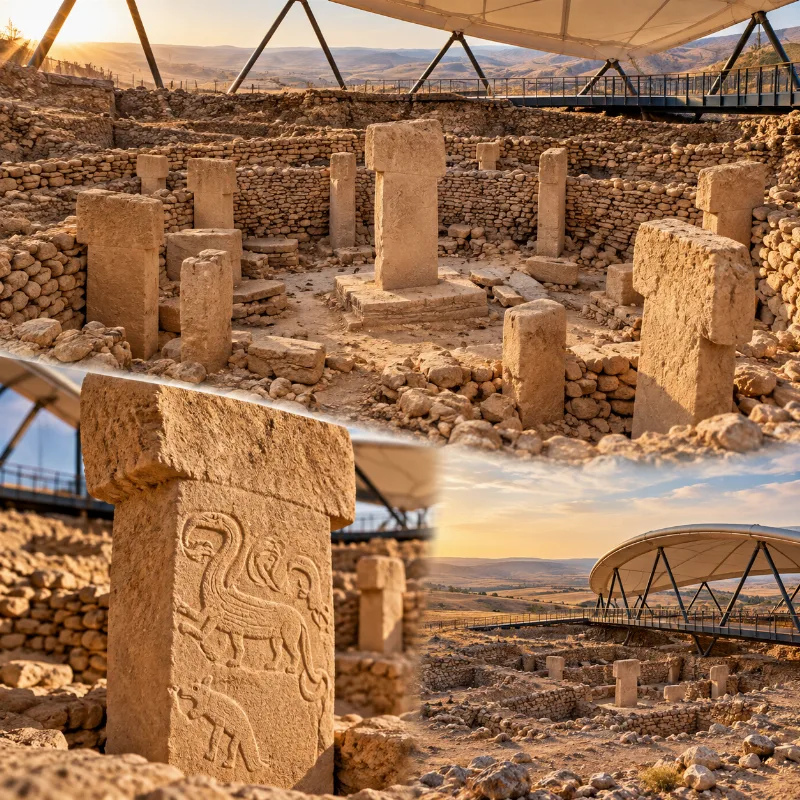
Göbeklitepe
A major Neolithic archaeological site near Şanlıurfa, known for its monumental stone enclosures and carved T-shaped pillars.
Explore →Related content
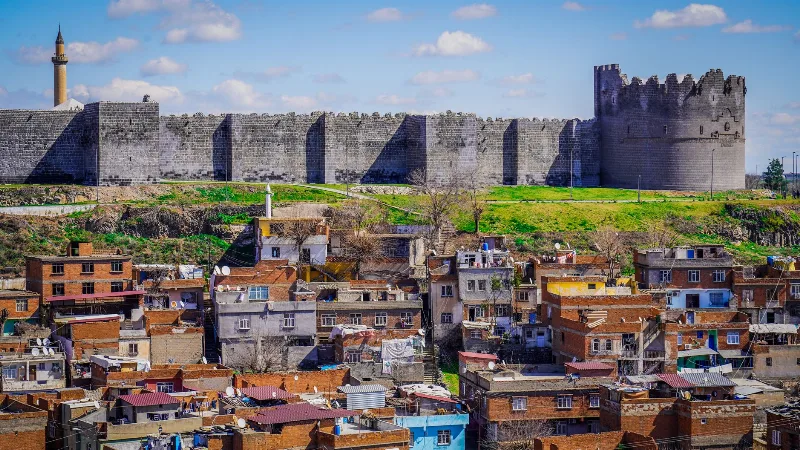
Diyarbakır
Diyarbakır is a major city in southeastern Türkiye, set on the upper Tigris River and encircled by one of the world's longest surviving circuits of ancient walls. Its black basalt architecture and Kurdish cultural identity distinguish it within the region.
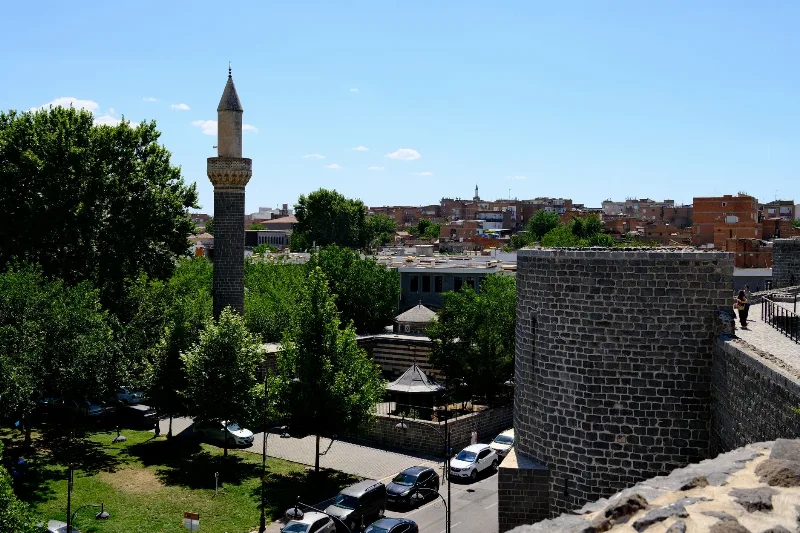
Diyarbakır's Historic Walls
The black basalt ramparts of Diyarbakır in southeastern Türkiye enclose a historic old town and overlook the Tigris River and the Hevsel Gardens. Their gates, towers and inscriptions record centuries of Anatolian and Mesopotamian history.
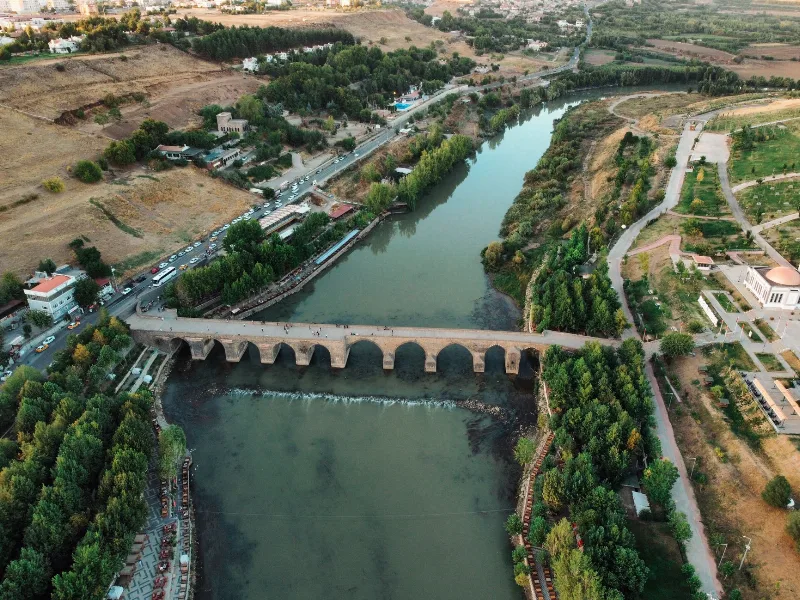
5-Day Tigris and Euphrates Route
A five-day, east-to-west journey across Southeastern Anatolia from Diyarbakır to Gaziantep, following the Tigris and Euphrates through Mardin, Şanlıurfa, Göbeklitepe and Harran.
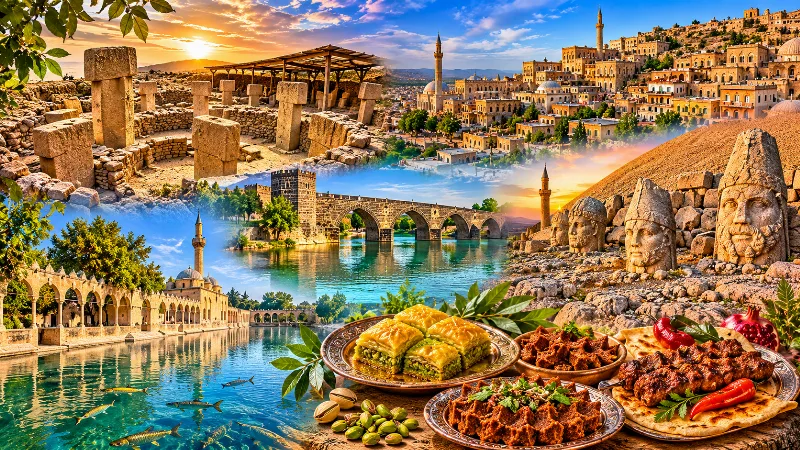
Southeastern Anatolia Region
Southeastern Anatolia is known for its ancient cities, extraordinary archaeological heritage, traditional stone architecture and rich culinary culture. From the historic streets of Mardin to the monumental landscapes of Şanlıurfa and the Euphrates River, the region reflects thousands of years of civilization.
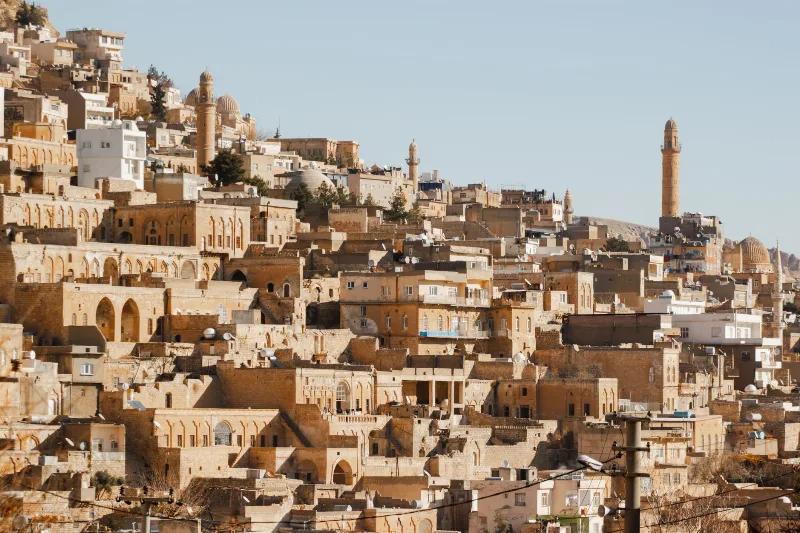
Mardin
Mardin is a historic city in southeastern Türkiye, built on a rocky hillside above the Mesopotamian plain and known for its honey-coloured stone architecture and Syriac Christian heritage.
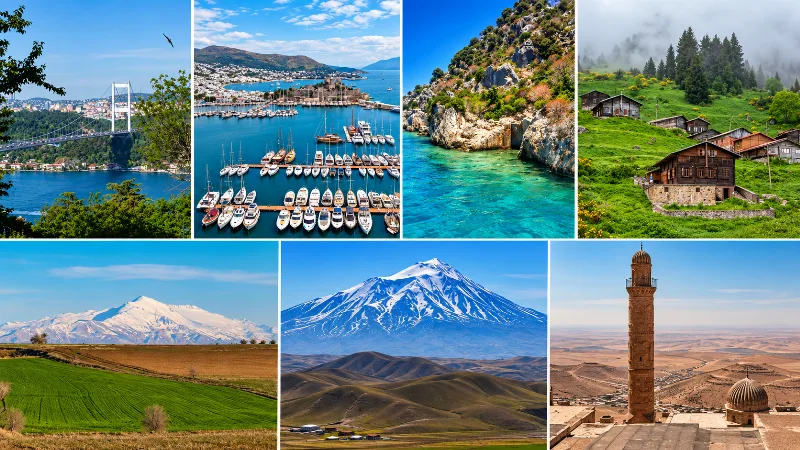
The Seven Geographical Regions of Turkey
An introduction to Turkey’s seven geographical regions and the landscapes, climates and cultural characteristics that distinguish them.