
5-Day Tigris and Euphrates Route
A five-day, east-to-west journey across Southeastern Anatolia from Diyarbakır to Gaziantep, following the Tigris and Euphrates through Mardin, Şanlıurfa, Göbeklitepe and Harran.
Southeastern Anatolia's two great rivers frame a compact, east-to-west journey that begins in Diyarbakır on the Tigris and finishes in Gaziantep, with Mardin and Şanlıurfa between them. The five-day route follows the northern edge of the Mesopotamian plain, moving through walled cities, medieval stone architecture, ancient religious sites and the deep, dammed valley of the Euphrates.
The journey is linear rather than circular, and it is best done by car, since public transport between the smaller stops is limited and slow. Distances between the four main cities are manageable, but each day includes short local drives to outlying sites, so the route suits travellers who are comfortable spending a few hours on the road each day. Spring and autumn are the most comfortable seasons; summer heat on the Şanlıurfa and Harran plain is intense, and winter can bring rain and occasional snow on the higher ground around Mardin and Diyarbakır.
Day 1: Diyarbakır and the Tigris
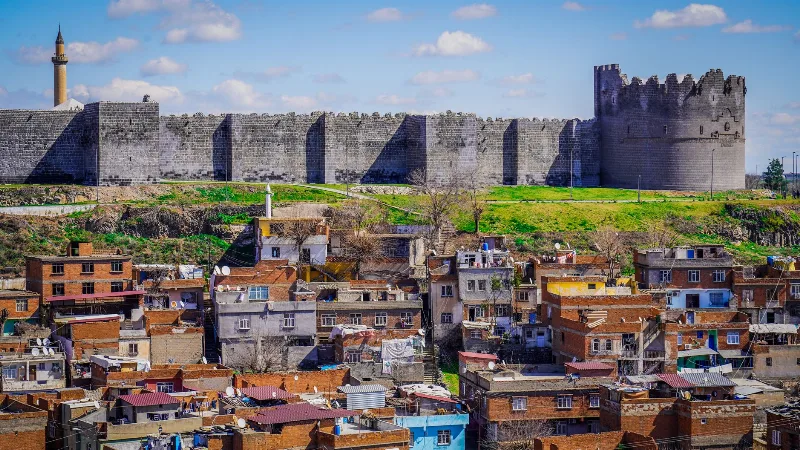
The route begins in Diyarbakır, the largest city of the region and the only one of the four that sits directly on the Tigris. Start in the Sur district, the old walled core, where the basalt city walls are the defining feature. They form a long, largely intact circuit above the river valley and are recognised as a UNESCO World Heritage site together with the Hevsel Gardens, the fertile market-garden strip that runs down to the water.
Inside the walls, the Ulu Cami, the Mesopotamian-style courtyards and the old hans give the city its character, and a walk through the narrow basalt streets takes most of a morning. In the afternoon, head down toward the river to see the Hevsel Gardens and the old multi-arched bridge that crosses the Tigris downstream of the city. Diyarbakır is a large urban stop, so plan the day around walking in the old town rather than long drives.
Day 2: Diyarbakır to Mardin
Leave Diyarbakır and continue south and east toward Mardin, following the edge of the plateau as it drops toward the plain. The change in landscape is the point of this stage: the flat farmland gives way to a ridge of golden stone, and Mardin's old town sits along that ridge facing south over the Mesopotamian plain.
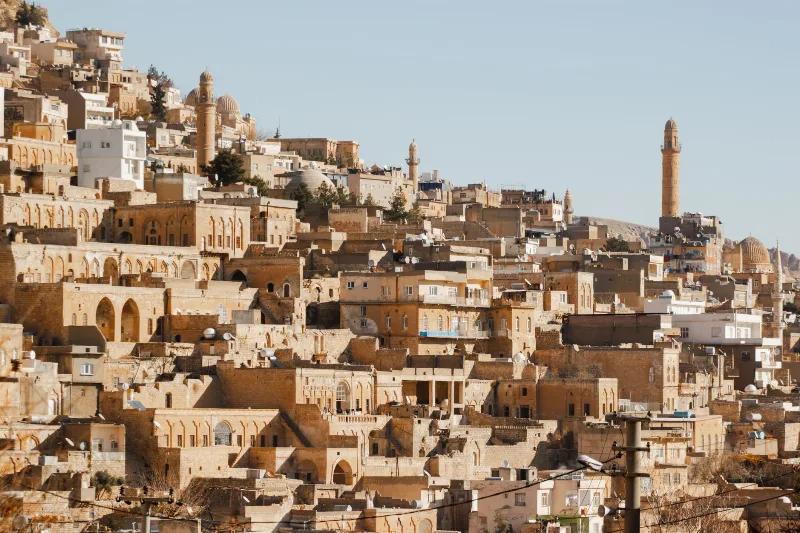
Mardin is one of the region's most rewarding historic cities. Its Artuklu-era stone architecture, the Kasımiye and Zinciriye medreses, and the maze of stepped alleys above the plain are all best explored on foot. The Deyrulzafaran Monastery, a short drive east of the city, is among the oldest surviving monastic sites in the region and belongs with the area's most significant historic places. The afternoon light over the plain from the ridge is one of the classic views of southeastern Türkiye.
Day 3: Mardin, Midyat and Dara, toward Şanlıurfa
Spend the morning in the villages and small towns east and south of Mardin. Midyat is known for its silverwork and its stone houses, and the nearby Mor Gabriel Monastery is an important Syriac Orthodox site. Dara, a little further south, preserves rock-cut tombs and the remains of an ancient frontier city. These stops sit close together and form a natural half-day loop from Mardin.
In the afternoon, turn west and drive toward Şanlıurfa. The road crosses open agricultural land, passing from the Mardin plateau into the Urfa plain. If time allows, break the drive in one of the small towns along the way rather than pushing straight through, as the transition between the two plateau landscapes is gradual and worth seeing in daylight.
Day 4: Şanlıurfa, Göbeklitepe and Harran
Şanlıurfa is the day's base. The city's Balıklıgöl complex, with its pools and surrounding mosques, is the historic centre, and the old bazaar districts nearby are part of the same walkable core. From the city, Göbeklitepe, the Neolithic hilltop site often described as one of the world's oldest temple complexes, lies a short drive to the northeast and is the single most important archaeological stop on the route.
South of the city, Harran is a very different kind of site: a settlement of traditional beehive-shaped mud-brick houses beside the ruins of an ancient university and mosque. Harran sits on the plain close to the Syrian border, so it works best as a half-day trip, with the evening spent back in Şanlıurfa. Local produce is part of the region's identity here, from peppers and pulses to the pistachios that become more prominent as you move west.
Day 5: Şanlıurfa to Gaziantep via the Euphrates
The final day follows the Euphrates west toward Gaziantep. The first stop is Halfeti, a riverside town partly submerged by the Birecik dam, where the drowned minaret and the boat trips along the reservoir give the clearest sense of the river's modern character. Continue west through Birecik toward Belkıs, the site of the ancient city of Zeugma, whose mosaics are now displayed in the museum in Gaziantep.
The route ends in Gaziantep, a large, lively city whose old town, castle and copper bazaar are worth the final afternoon. The Zeugma Mosaic Museum is the obvious counterpart to the archaeological sites of the previous days, and the city's food culture — pistachios, kebabs and sweets — gives the route a distinctive finish. From Gaziantep it is straightforward to continue by road or to fly out, making the city a logical end point for a route that has moved steadily from the Tigris to the Euphrates.
Route Shape, Season and Practical Notes
The trip is a linear east-to-west corridor of five days, beginning in Diyarbakır and ending in Gaziantep. It combines two large cities with two smaller historic centres, so expect a mix of urban walking and short drives to outlying sites. A car is the most practical way to cover the smaller stops such as Dara, Harran, Halfeti and Zeugma, which are not always easy to reach by public transport.
Spring and autumn are the most suitable seasons, with mild temperatures and greener landscapes. Summer is very hot across the plain, and the exposed archaeological sites at Göbeklitepe and Harran are particularly demanding at midday. Winter is generally mild in the valleys but can be cold and wet on the higher ground around Mardin and Diyarbakır, and rain occasionally affects unpaved approaches to rural sites. The route can be shortened by dropping one city, or extended by adding a day for the villages around Mardin, but as described it stays geographically coherent from start to finish.
Remarkable Places
See all places →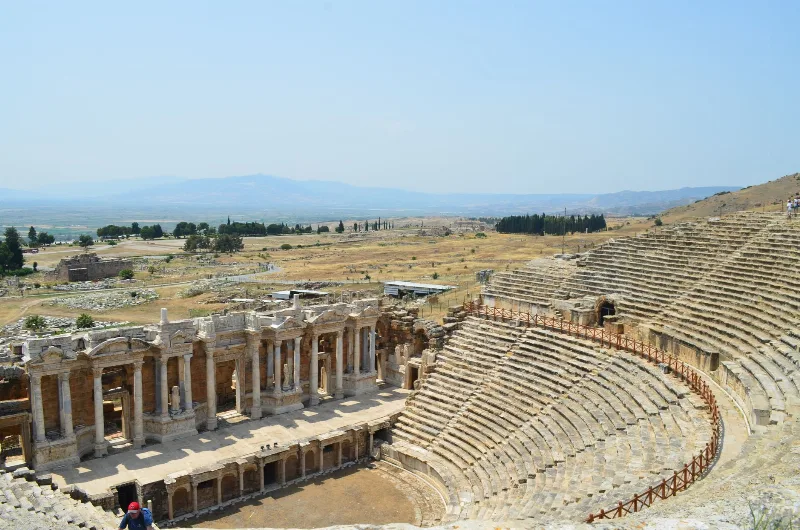
Letoon
Letoon is a Lycian sanctuary near Xanthos in Muğla Province, dedicated to Leto, Artemis and Apollo. Its three temples, theatre and trilingual inscription make it one of southwestern Turkey’s most significant archaeological sites.
Explore →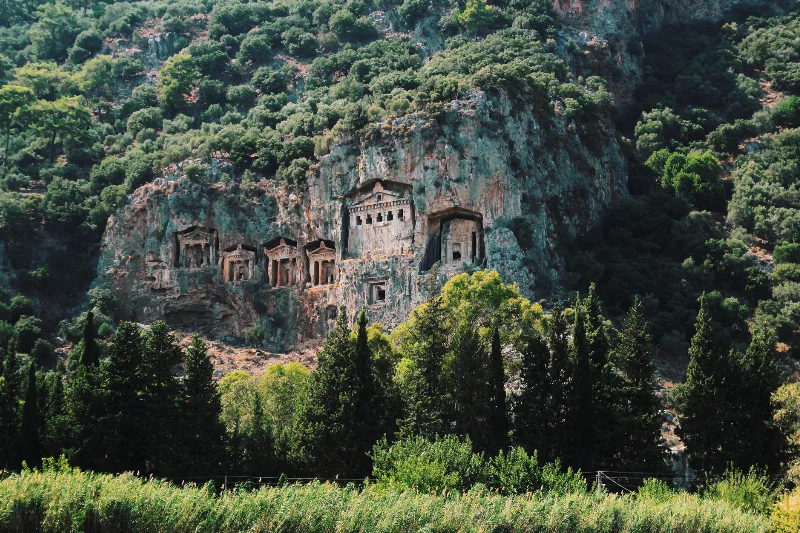
Kaunos
Kaunos is an ancient Carian city on the Dalyan River in Muğla Province, known for its temple-style rock-cut tombs and the extensive ruins of a harbour that silted up centuries ago.
Explore →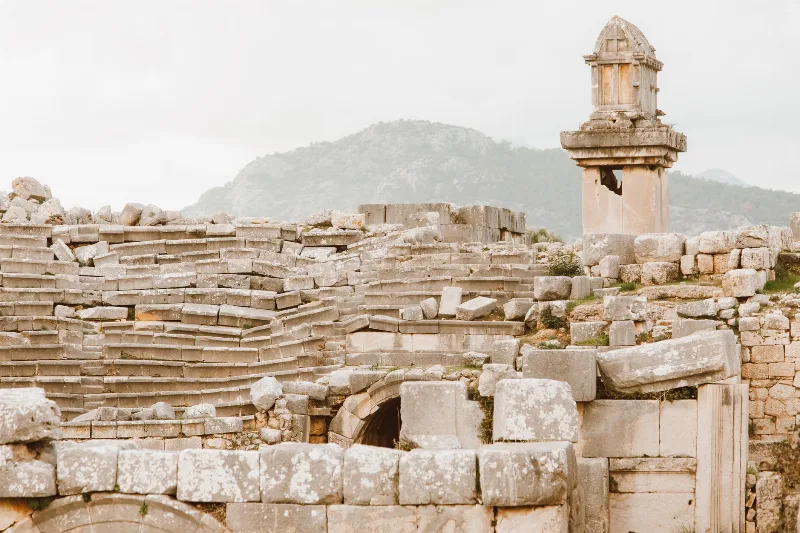
Xanthos
Xanthos is an ancient Lycian city in Antalya Province and a UNESCO World Heritage Site, known for its Lycian tombs, Roman theatre and role as a leading city of Lycia.
Explore →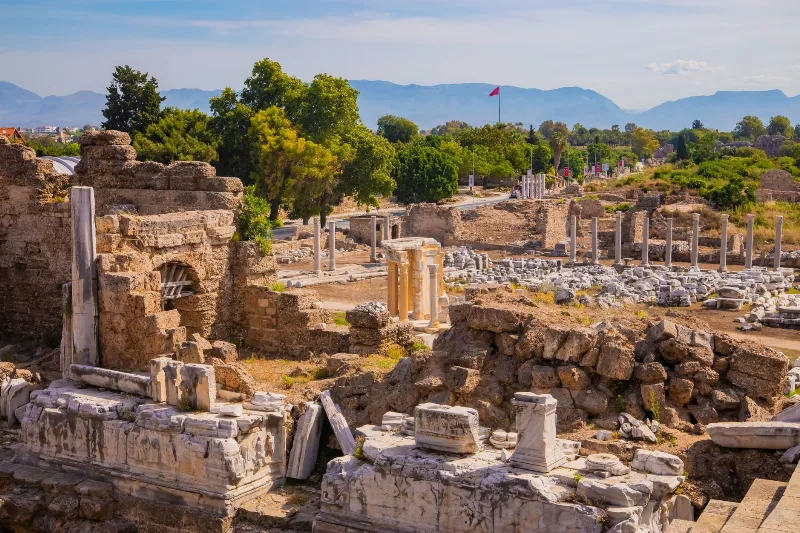
Phaselis
Phaselis is a Rhodian-founded port city on the eastern Lycian coast, where paved streets, agoras, baths and a small theatre stand among pines between three sheltered bays.
Explore →Related content
Diyarbakır
Diyarbakır is a major city in southeastern Türkiye, set on the upper Tigris River and encircled by one of the world's longest surviving circuits of ancient walls. Its black basalt architecture and Kurdish cultural identity distinguish it within the region.
Gaziantep
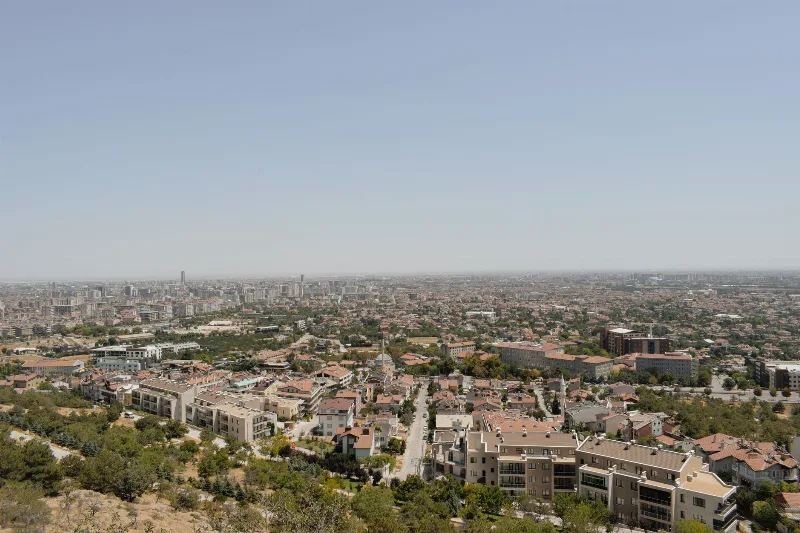
Gaziantep is a major city in southeastern Türkiye and the administrative centre of its province, widely recognised as the country's gastronomic capital and known for its citadel, bazaars and the Zeugma Mosaic Museum.
Mardin
Mardin is a historic city in southeastern Türkiye, built on a rocky hillside above the Mesopotamian plain and known for its honey-coloured stone architecture and Syriac Christian heritage.
Southeastern Anatolia Region
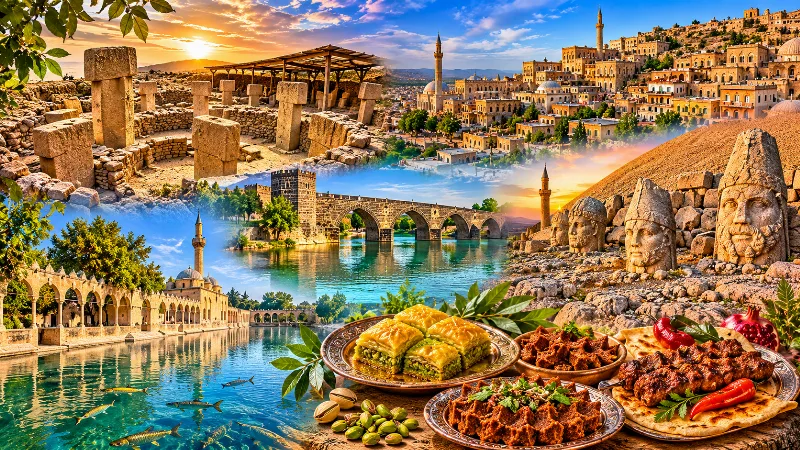
Southeastern Anatolia is known for its ancient cities, extraordinary archaeological heritage, traditional stone architecture and rich culinary culture. From the historic streets of Mardin to the monumental landscapes of Şanlıurfa and the Euphrates River, the region reflects thousands of years of civilization.
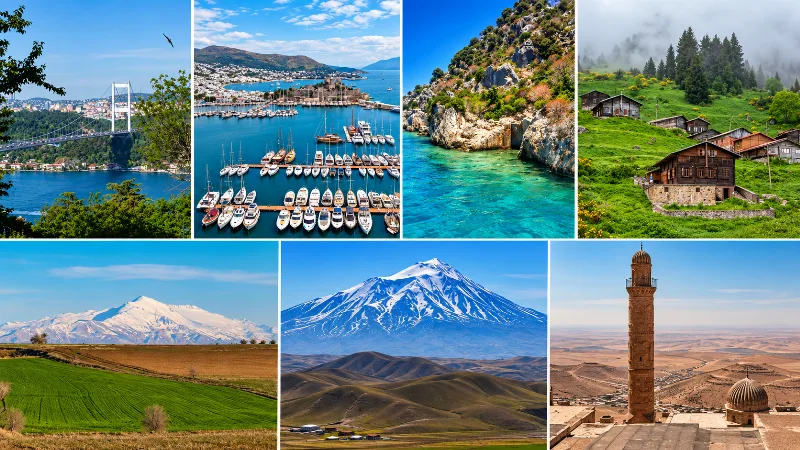
The Seven Geographical Regions of Turkey
An introduction to Turkey’s seven geographical regions and the landscapes, climates and cultural characteristics that distinguish them.
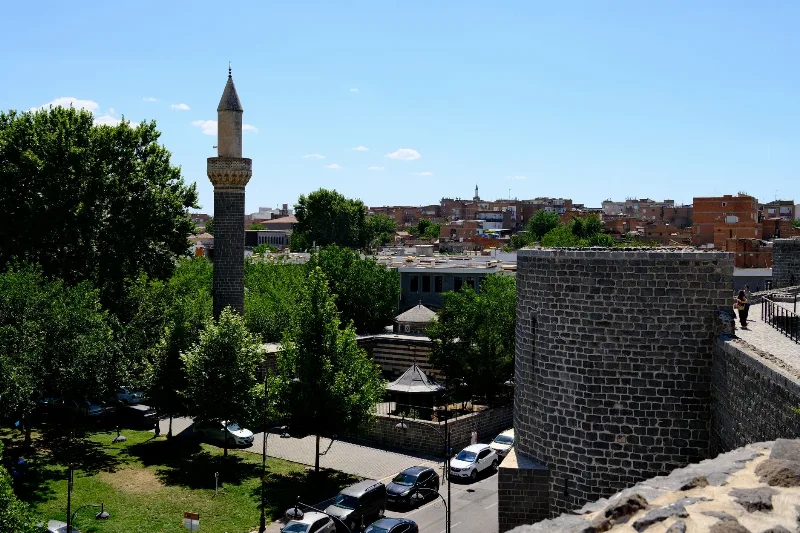
Diyarbakır's Historic Walls
The black basalt ramparts of Diyarbakır in southeastern Türkiye enclose a historic old town and overlook the Tigris River and the Hevsel Gardens. Their gates, towers and inscriptions record centuries of Anatolian and Mesopotamian history.