
Southeastern Anatolia Region
Southeastern Anatolia is known for its ancient cities, extraordinary archaeological heritage, traditional stone architecture and rich culinary culture. From the historic streets of Mardin to the monumental landscapes of Şanlıurfa and the Euphrates River, the region reflects thousands of years of civilization.
Discover Southeastern Anatolia
Located in the southeastern part of Türkiye, Southeastern Anatolia is a region of ancient history, remarkable architecture, fertile plains and distinctive cultural traditions.
The region has been home to numerous civilizations throughout history. Its position within northern Mesopotamia has made it an important area for agriculture, trade, settlement and cultural development since prehistoric times.
Today, Southeastern Anatolia is particularly recognized for its archaeological sites, historic stone-built cities, regional cuisine and landscapes shaped by the Euphrates and Tigris rivers.
Cities and Historic Heritage
Şanlıurfa is one of the region's most important historical centers. It is known for its traditional architecture, historic bazaars and the Balıklıgöl area, which holds a significant place in local cultural traditions.
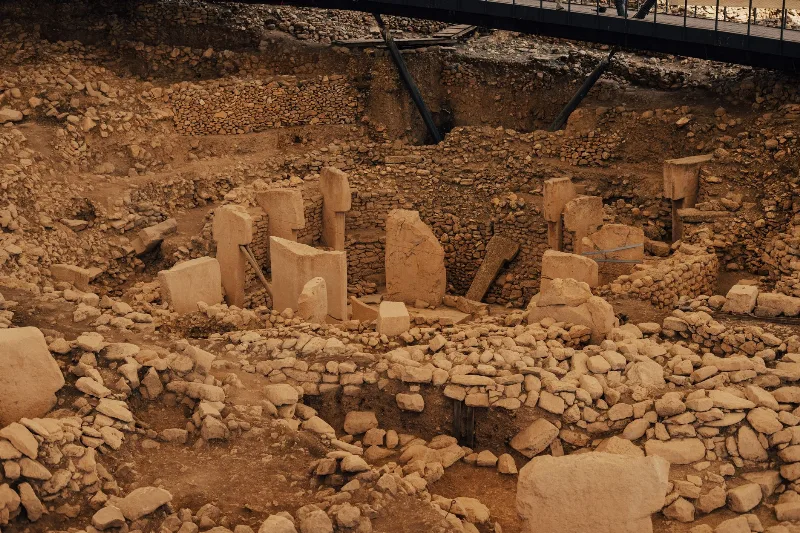
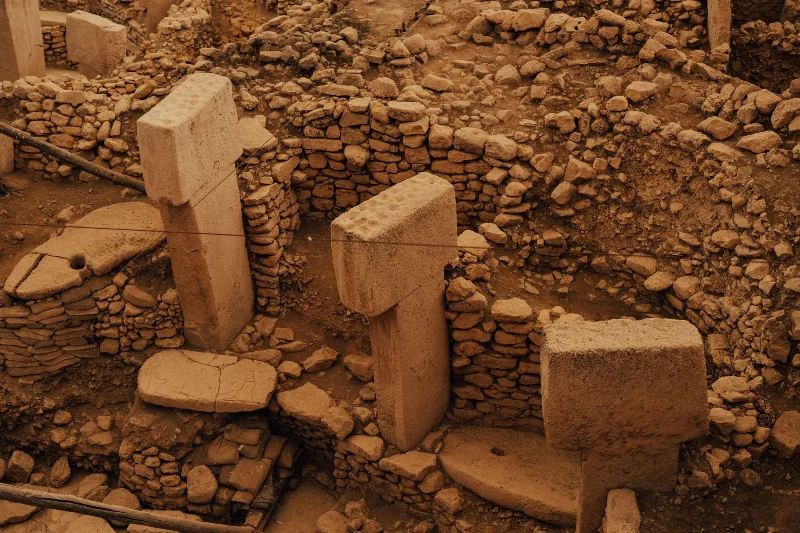
Near the city, Göbeklitepe is among the world's most important prehistoric archaeological sites. Its monumental stone structures offer remarkable insights into early human communities and ritual practices.
Mardin is celebrated for its beautiful stone architecture and hillside location overlooking the Mesopotamian plains. Its narrow streets, traditional houses, historic religious buildings and panoramic scenery create a distinctive urban landscape.
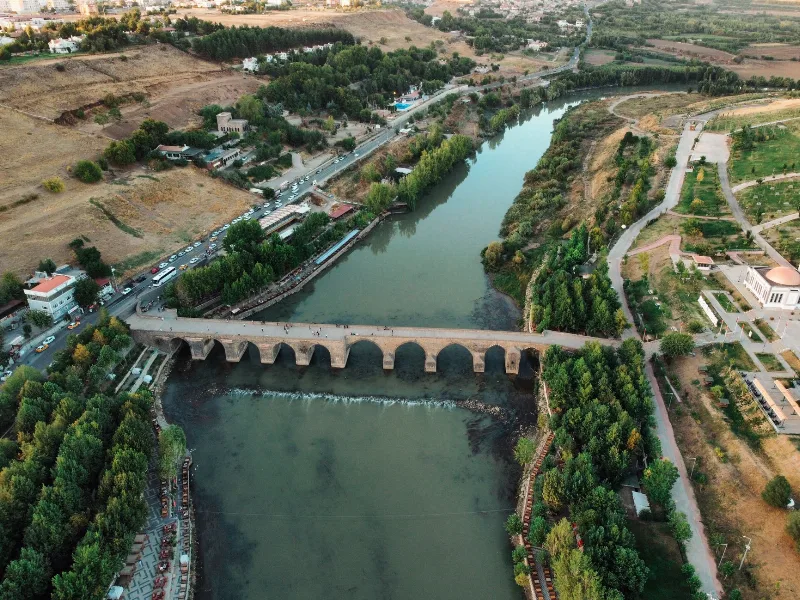
Diyarbakır is known for its monumental city walls, historic neighborhoods and traditional buildings. The Diyarbakır Fortress and Hevsel Gardens Cultural Landscape is recognized as a UNESCO World Heritage Site.
Gaziantep is especially famous for its rich food culture, traditional markets and historic architecture. The Zeugma Mosaic Museum houses an important collection of Roman-period mosaics.
Adıyaman, Batman, Siirt, Şırnak and Kilis contribute further historical, cultural and geographical variety to the region.
Ancient Landscapes and Archaeological Heritage
Southeastern Anatolia contains archaeological sites that reflect some of the earliest chapters of settled human history.
Göbeklitepe and Karahantepe are notable for their prehistoric monumental architecture and archaeological importance.
Mount Nemrut, located in Adıyaman Province, is famous for its monumental statues and the remains of the ancient Kingdom of Commagene. The mountaintop setting combines archaeological heritage with wide views of the surrounding landscape.
Historic bridges, ancient settlements, castles and architectural remains can be found throughout the region.
These sites reflect Southeastern Anatolia's long-standing connections with the civilizations of Mesopotamia and Anatolia.
Rivers, Plains and Natural Beauty
The Euphrates and Tigris rivers are central features of the region's geography and history.
Their valleys have supported human settlement and agriculture for thousands of years. Today, river landscapes, agricultural plains and historic settlements remain important parts of the region's character.
Halfeti, on the Euphrates, is known for its waterfront scenery and distinctive setting.
The landscapes around Hasankeyf, located along the Tigris, are associated with the area's long history and dramatic natural surroundings.
The region also includes rolling hills, rocky plateaus and extensive agricultural land, creating a distinctive landscape within southeastern Türkiye.
Food and Culinary Heritage
Southeastern Anatolia is internationally recognized for its rich and varied culinary traditions.
Gaziantep is especially associated with baklava, kebabs, pistachios and traditional regional dishes. Its culinary heritage reflects generations of craftsmanship and local food traditions.
Şanlıurfa is known for dishes such as çiğ köfte and various kebab preparations.
Mardin and Diyarbakır have distinctive cuisines featuring aromatic spices, bulgur, meat dishes, stuffed vegetables and traditional breads.
Local desserts, handmade pastries, regional cheeses and seasonal agricultural products contribute to the area's culinary diversity.
Food is an important expression of cultural identity across the region, with traditional recipes closely connected to family life, local celebrations and community gatherings.
Architecture and Cultural Traditions
Stone architecture is one of Southeastern Anatolia's most recognizable features.
Traditional houses, courtyards, historic marketplaces, mosques, churches and monasteries reflect the region's layered cultural heritage.
Local craftsmanship includes copperwork, stone carving, textile production and decorative arts.
The region's historic towns and villages preserve architectural styles shaped by local materials, climate and longstanding cultural traditions.
A Journey Through Ancient Civilizations
Southeastern Anatolia brings together extraordinary archaeological heritage, distinctive cities, rich cuisine and beautiful river landscapes.
Its historical depth and cultural diversity make it one of Türkiye's most fascinating geographical regions.
From the prehistoric monuments of Göbeklitepe to the stone streets of Mardin and the historic landscapes of the Euphrates, Southeastern Anatolia offers an exceptional introduction to the ancient and living heritage of Türkiye.
Related content
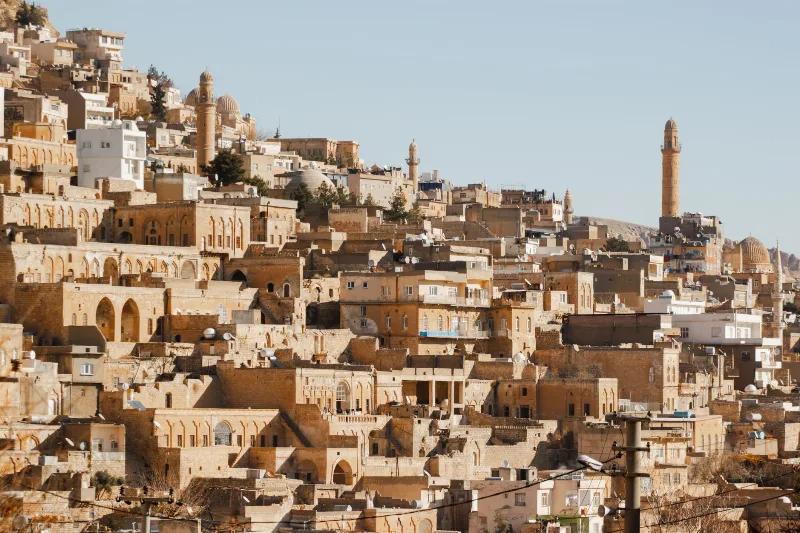
Mardin
Mardin is a historic city in southeastern Türkiye, built on a rocky hillside above the Mesopotamian plain and known for its honey-coloured stone architecture and Syriac Christian heritage.
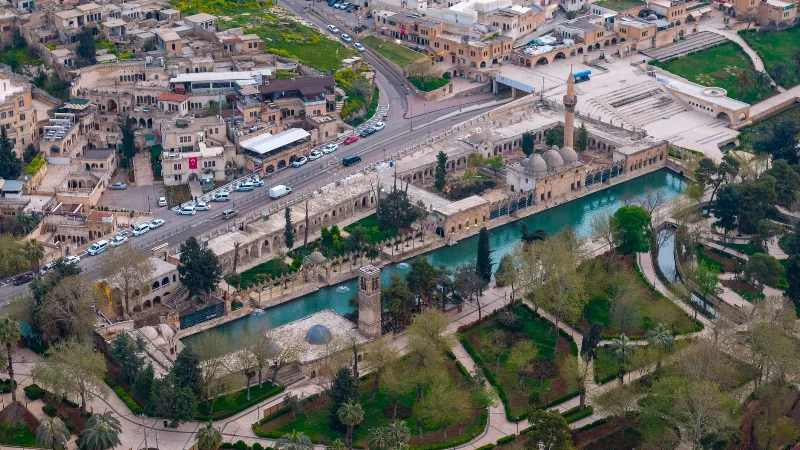
Şanlıurfa
Şanlıurfa, commonly called Urfa, is a large city in southeastern Türkiye and the capital of its province. It is known both as a place tied to the tradition of the Prophet Abraham and as the gateway to Göbekli Tepe, one of the oldest monumental sites ever found.
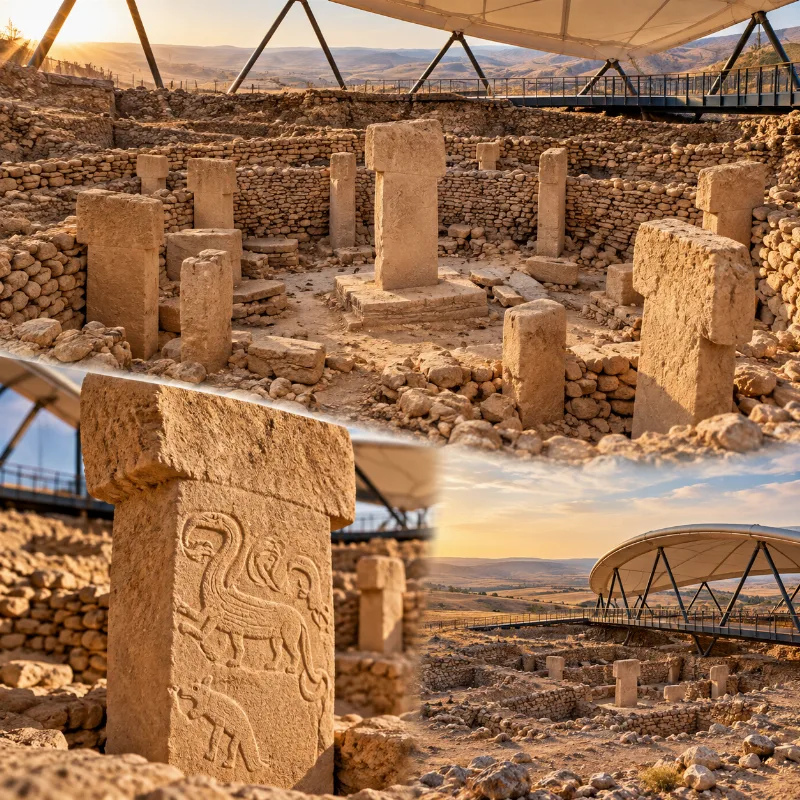
Göbeklitepe
A major Neolithic archaeological site near Şanlıurfa, known for its monumental stone enclosures and carved T-shaped pillars.
4-Day Southeastern Anatolia Route: Gaziantep to Mardin via Şanlıurfa
A four-day linear route across Southeastern Anatolia, linking the historic cities of Gaziantep, Şanlıurfa and Mardin by road, with the Neolithic site of Göbeklitepe and the ancient settlement of Harran fitted into the middle of the journey.
5-Day Tigris and Euphrates Route
A five-day, east-to-west journey across Southeastern Anatolia from Diyarbakır to Gaziantep, following the Tigris and Euphrates through Mardin, Şanlıurfa, Göbeklitepe and Harran.
2-Day Şanlıurfa and Göbeklitepe Route
A two-day route through Şanlıurfa's sacred historic quarter, the world's oldest known temple at Göbeklitepe and the beehive houses of the Harran plain, starting and finishing in Şanlıurfa city.