
Spring in Turkey
STORIES FROM TÜRKİYE
Spring in Turkey
Spring brings one of the most noticeable seasonal changes across Turkey. Because the country stretches between several climate zones and includes coastlines, mountains, plateaus, forests and agricultural plains, spring does not arrive everywhere in exactly the same way.
Along the Aegean and Mediterranean coasts, the season begins with mild temperatures, greener hillsides and flowering vegetation. Coastal landscapes around Muğla, Antalya, İzmir and Aydın become noticeably more colourful as winter rains give way to longer periods of sunshine.
Wildflowers appear across open countryside, olive groves regain brighter green tones and agricultural fields become active again.
Inland areas experience a different transition. Central Anatolia emerges gradually from the colder months, with fields around Konya, Ankara, Eskişehir and Cappadocia changing from muted winter colours to fresh green.
Cappadocia is particularly distinctive during this period. Green valleys contrast with the pale volcanic rock formations, while fruit trees and village gardens begin to flower.
Further north, the Black Sea region enters an increasingly green period. Forests, tea-growing hillsides and mountain valleys receive frequent rainfall, creating dense vegetation around Trabzon, Rize, Artvin and neighbouring provinces.
Waterfalls and streams often become more prominent as rainfall and mountain snow contribute to river systems.
Spring also has a strong connection with agriculture. Orchards in different parts of the country begin flowering, including apricot-growing areas around Malatya and fruit-producing districts across western Anatolia.
Rose-growing areas around Isparta gradually enter their flowering period, while lavender fields develop toward their later seasonal colour.
The season is also important for rural landscapes. Villages become surrounded by green fields, livestock return to open grazing areas and highland routes gradually become accessible as snow retreats from lower elevations.
In eastern Turkey, the transition can occur later. Snow may remain visible on higher mountains while valleys below become green, producing a strong seasonal contrast.
Cities also change noticeably during spring. Parks, waterfronts and outdoor public spaces become more active, particularly in Istanbul, İzmir, Bursa and Antalya. Trees blossom along streets and gardens, while longer daylight hours bring more activity to historic districts and coastal promenades.
Spring in Turkey is not defined by a single landscape. It may mean flowering orchards in the east, green valleys in the Black Sea region, colourful fields in the west or mild days beside the Mediterranean.
This regional variety makes the season one of the clearest examples of Turkey’s geographical diversity.
Historic places
Explore history →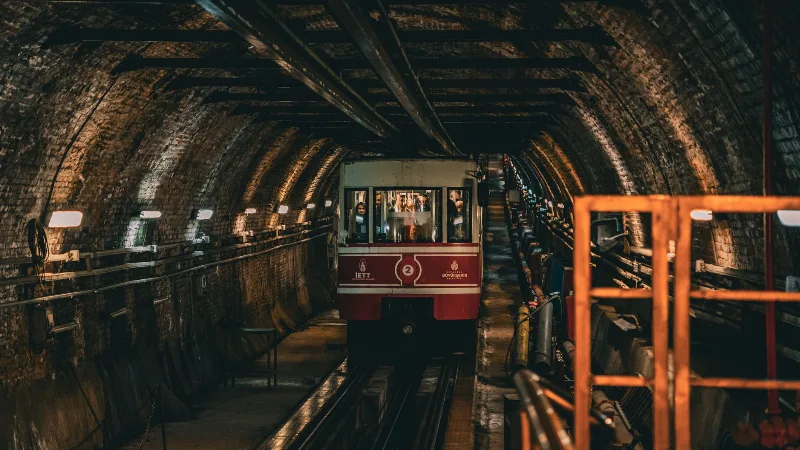
Kaymaklı Underground City
Kaymaklı Underground City is a multi-level subterranean complex in Nevşehir Province, Cappadocia, used as a refuge by early Christian communities. It features tunnels, stone doors, storage rooms, and churches carved into volcanic tuff.
Explore →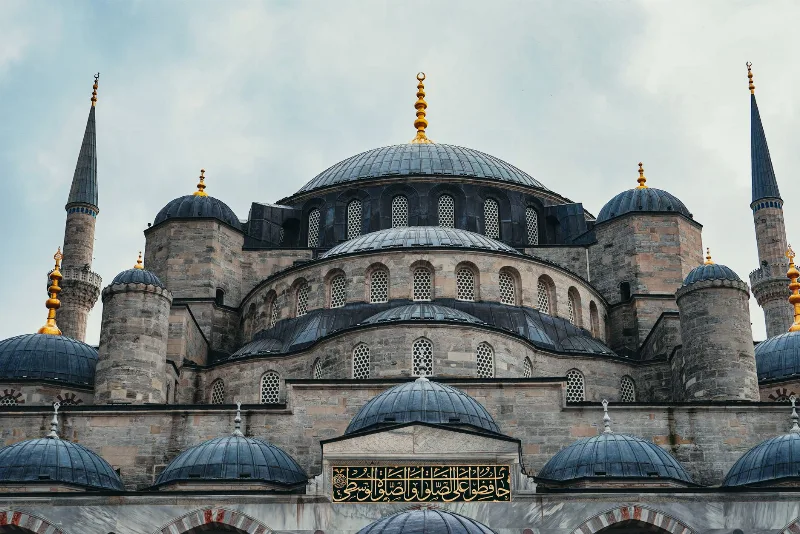
Blue Mosque
The Blue Mosque, known formally as the Sultan Ahmed Mosque, is an early 17th-century Ottoman mosque in Istanbul famous for its hand-painted blue Iznik tiles and six minarets.
Explore →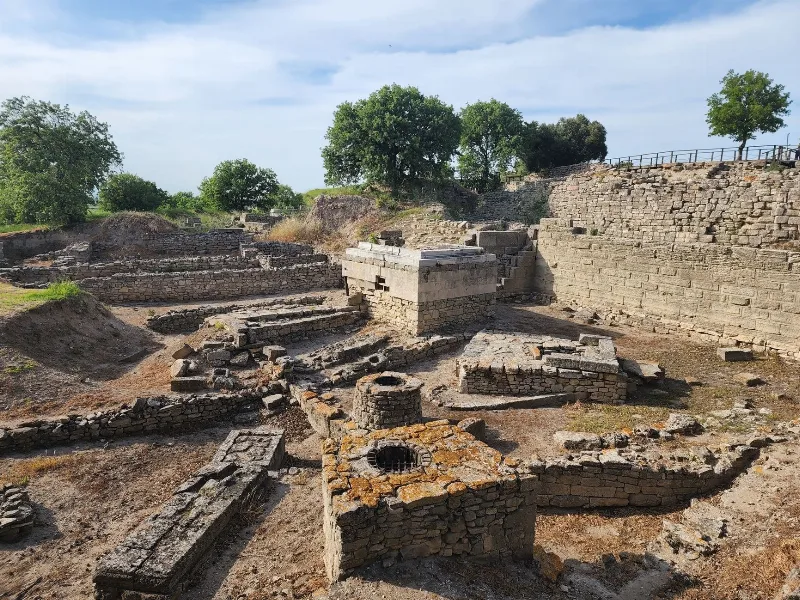
Troy
Troy is the excavated mound of Hisarlık in Çanakkale Province, Türkiye, inhabited from the Early Bronze Age to the Roman era and linked with the Ilion of Homer's Iliad. Its nine settlement layers and surviving Bronze Age fortifications make it one of the most important stratified sites in the eastern Mediterranean.
Explore →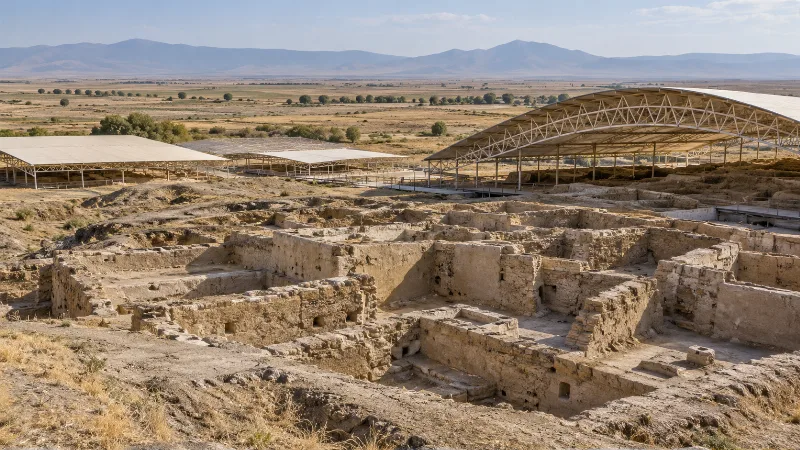
Çatalhöyük
Çatalhöyük is a Neolithic and Chalcolithic settlement mound in the Konya Plain whose tightly packed mudbrick houses, painted walls and floor burials changed how archaeologists understand early farming communities. This article explains what survives at the site, how it was excavated and what a visitor can realistically expect to see.
Explore →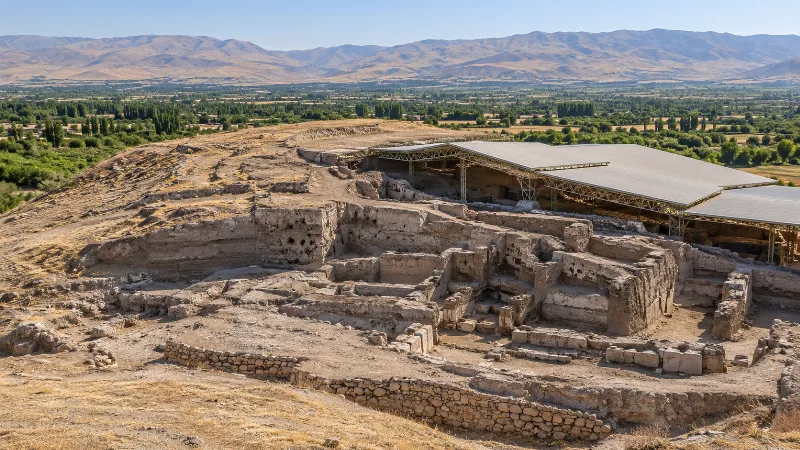
Arslantepe
Arslantepe is a deep archaeological mound on the Malatya plain in eastern Türkiye, where a Late Chalcolithic palace documents the rise of a centralised state and later Neo-Hittite rulers carved lions for its gates. It became a UNESCO World Heritage Site in 2021.
Explore →Related content
Muğla
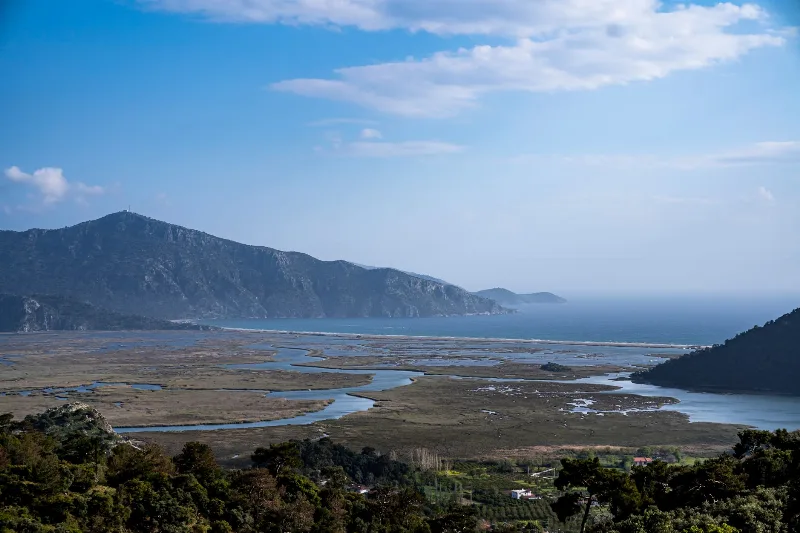
Muğla is a captivating province in southwestern Türkiye, renowned for its stunning Aegean coastline and rich cultural heritage.
Antalya
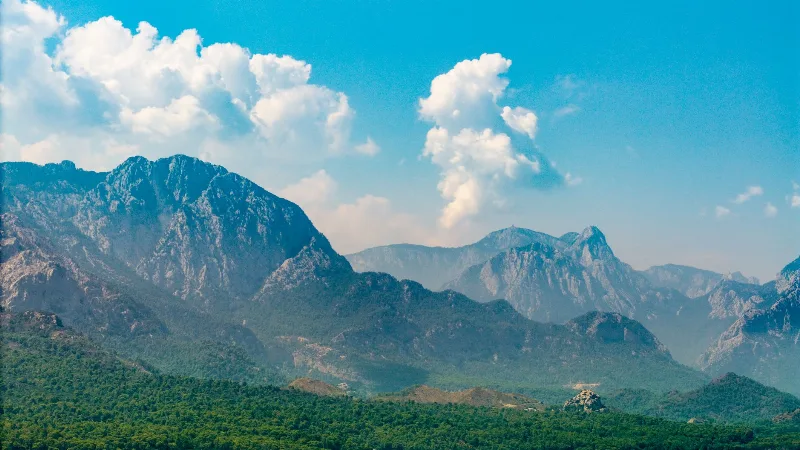
Antalya offers a unique blend of vibrant history and stunning natural beauty, making it a must-visit destination in Türkiye.
Aydın
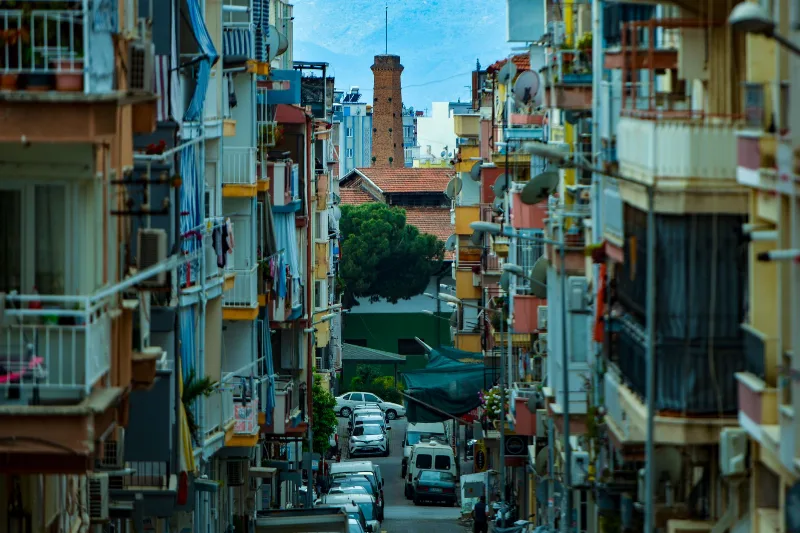
Aydın is the inland capital of Aydın Province in Türkiye's Aegean region, recognised for its fig production and its position between the fertile Büyük Menderes valley, the coastal district of Kuşadası and several major ancient sites.
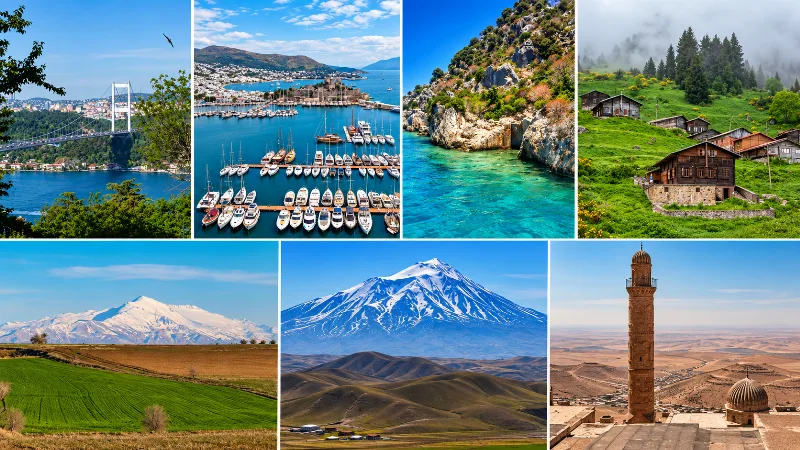
The Seven Geographical Regions of Turkey
An introduction to Turkey’s seven geographical regions and the landscapes, climates and cultural characteristics that distinguish them.
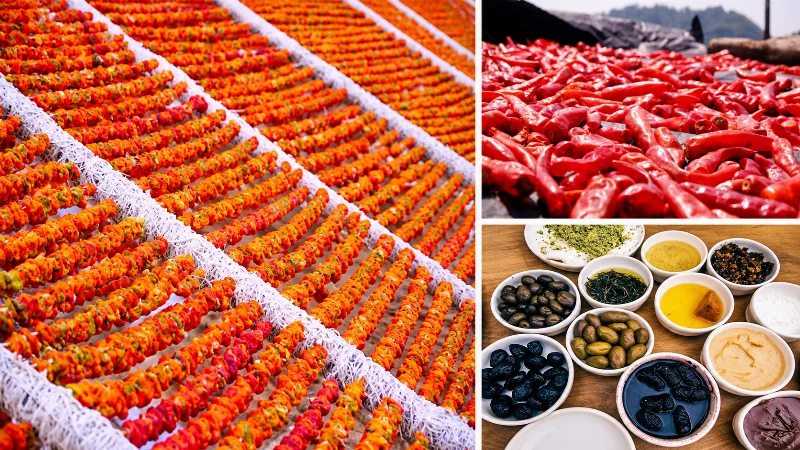
Why Turkish Food Changes from Region to Region
Climate, geography, agriculture and local history shape the ingredients, cooking methods and everyday dishes found across Türkiye. Türkiye’s cuisine is often described as a single national tradition, but food changes considerably from one region to another. Coastal climate, mountain geography, agricultural production, local history and available ingredients all influence what is cooked and how meals are prepared. A dish common on the Black Sea coast may be uncommon in southeastern Türkiye, while ingredients associated with the Aegean can play a much smaller role in the interior. These regional differences form one of the main characteristics of Turkish food culture.
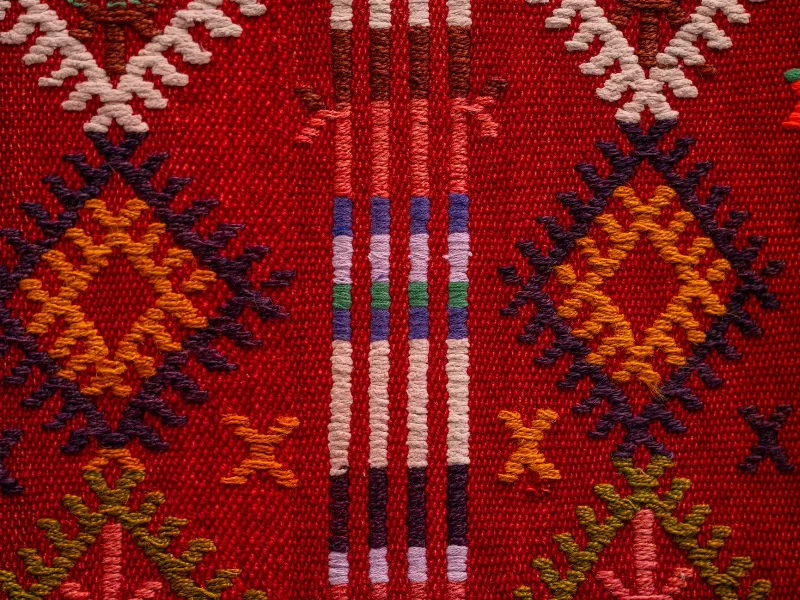
Turkish Carpets and Kilims
A look at Turkish carpets and kilims, from knotting and flatweave techniques to natural dyes, motifs and the Anatolian regions where they are made.