
Why Turkish Food Changes from Region to Region
STORIES FROM TÜRKİYE
Marmara
The Marmara Region connects the Balkans, the Aegean, the Black Sea and Anatolia. Its food culture reflects this geographical position.
In İstanbul and surrounding areas, dishes from many parts of Türkiye exist side by side. Bursa is closely associated with dishes such as İskender kebabı, while Edirne has its own established culinary traditions, including tava ciğeri.
Olives, vegetables, dairy products, meat and seafood all appear in the regional cuisine. Around the southern shores of the Sea of Marmara, olive cultivation is particularly visible, including the well-known olives associated with Gemlik.
The Aegean
The Aegean Region is strongly connected with olive oil, vegetables and wild herbs. Olive groves are a common part of the landscape in provinces such as İzmir, Aydın and Muğla.
Many local dishes use seasonal vegetables prepared with olive oil. Wild greens are also an established part of the culinary culture in parts of the region.
Figs from Aydın, grapes from several Aegean districts and olives from the coastal landscape illustrate the close relationship between local agriculture and regional food.
Fish and seafood are also part of the cuisine along the Aegean coast, while inland districts have their own meat, grain and vegetable traditions.
The Mediterranean
The Mediterranean coast has long, warm growing seasons that support citrus fruits, vegetables, olives and many herbs.
Antalya, Mersin, Adana and Hatay each have distinct food traditions. In the eastern Mediterranean, especially around Adana and Hatay, spices, peppers, bulgur, meat dishes and flatbreads play an important role.
Hatay has a particularly varied culinary heritage shaped by the region’s historical connections and diverse local traditions. Künefe is one of the best-known foods associated with the province.
Citrus production is also strongly connected with the Mediterranean landscape, particularly around Adana, Mersin and Antalya.
Central Anatolia
Central Anatolia has a more continental climate and a landscape where wheat and other grains have traditionally been important.
Bread, bulgur, dough-based foods and meat dishes are prominent in many parts of the region. Kayseri is closely associated with mantı and pastırma, while Konya is known for established dishes such as etli ekmek.
The region’s food reflects both agricultural production and older traditions of preserving ingredients for periods when fresh produce was less available.
Yoghurt, grains, legumes and dried foods are therefore common elements in many local cuisines.
The Black Sea
The Black Sea Region has a wetter climate and a landscape of steep green slopes, forests and narrow coastal plains.
Hazelnuts are strongly associated with provinces such as Giresun and Ordu, while tea cultivation is concentrated particularly around Rize and the eastern Black Sea coast.
Corn, cabbage, beans and local dairy products also appear frequently in regional cooking.
Along the coast, fish has an important place in local cuisine. Hamsi, the Black Sea anchovy, is used in several traditional preparations and is closely associated with the food culture of the region.
Eastern Anatolia
Eastern Anatolia has high plateaus, long winters and strong traditions of livestock farming.
Meat, dairy products, grains and preserved foods are important parts of many local cuisines. Different provinces have their own cheeses, soups, breads and meat dishes.
Erzurum is associated with cağ kebabı, while Kars is known for its cheese traditions. Local products often reflect the region’s high-altitude pastures and livestock culture.
The climate has also influenced traditional methods of drying and preserving foods for colder periods.
Southeastern Anatolia
Southeastern Anatolia has one of Türkiye’s most recognisable regional food cultures.
Gaziantep, Şanlıurfa, Mardin and Diyarbakır each have established local dishes shaped by grains, meat, spices, nuts and vegetables.
Pistachios are strongly associated with Gaziantep, while bulgur is widely used throughout the region. Kebabs, stuffed vegetables, soups and pastries form part of a broad culinary tradition.
Spices are often more prominent here than in many western regions, but the cuisine varies considerably even between neighbouring cities.
Geography on the Table
Regional Turkish cuisine is closely connected with place.
Olive oil is naturally more prominent where olive trees grow. Tea is associated with the humid eastern Black Sea coast. Hazelnuts reflect the agricultural landscape of northern Türkiye, while wheat and grain-based dishes are particularly important across the central plateau.
These differences do not create separate cuisines with fixed boundaries. Ingredients, dishes and cooking traditions have moved between regions for centuries.
What remains distinctive is the way each area combines local produce, geography and cultural history. Looking at Turkish food region by region
Historic places
Explore history →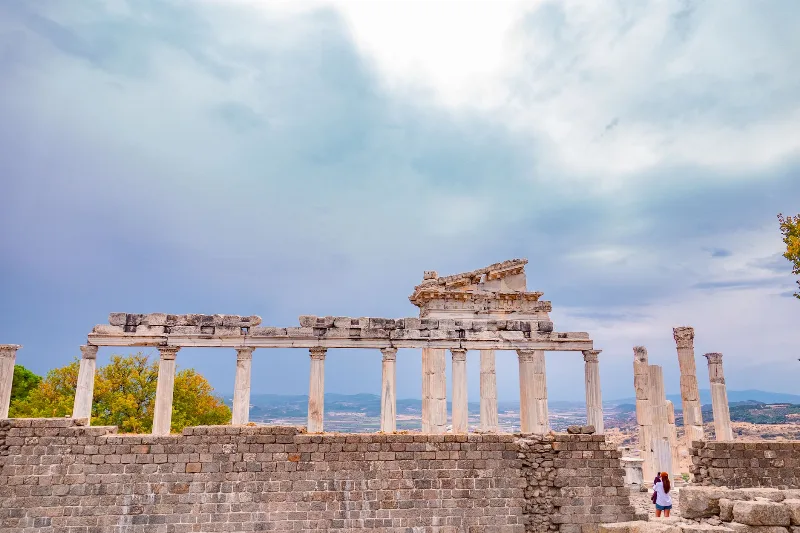
Pergamon
Pergamon was the Hellenistic capital of the Attalid dynasty in western Türkiye, built around a steep acropolis above the modern town of Bergama. Its Great Altar, theatre and Sanctuary of Asclepius make it one of the most important archaeological sites in Anatolia and a UNESCO World Heritage Site.
Explore →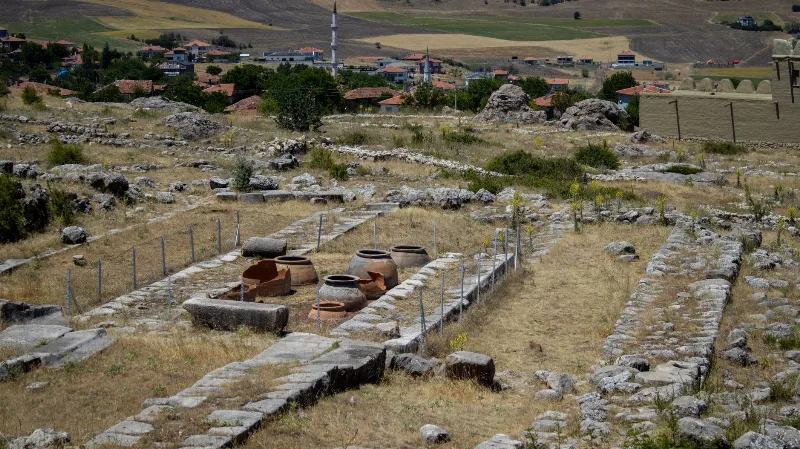
Alacahöyük
In Çorum Province, Alacahöyük preserves a long settlement sequence, elite Early Bronze Age burials and a monumental Hittite gate with carved reliefs.
Explore →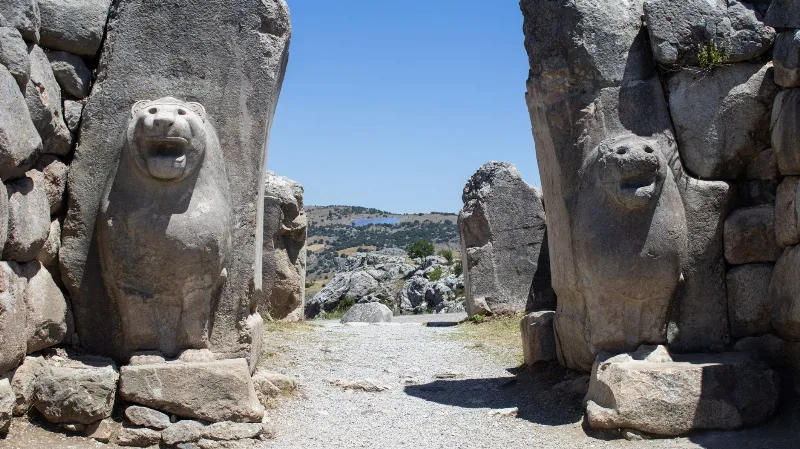
Hattusa
Hattusa was the capital of the Hittite Empire, located near Boğazkale in Çorum Province. Its surviving walls, gates, temples and cuneiform archives make it one of the most important Bronze Age archaeological sites in Anatolia.
Explore →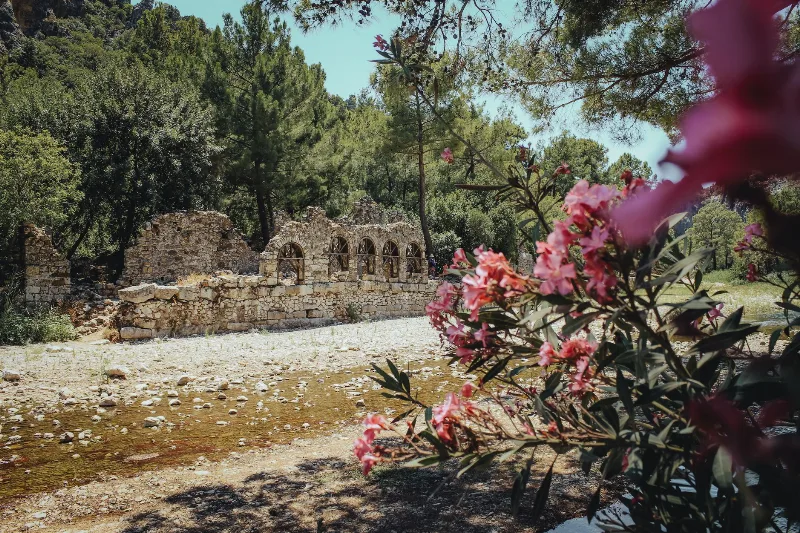
Olympos
Olympos is an ancient Lycian city in Antalya Province, Türkiye, whose ruins stand on both banks of a wooded river valley. Once a member of the Lycian League and later a Roman harbour town, it is best known for its theatre, baths and Lycian sarcophagi, and for the naturally burning Chimaera flames on the mountain above.
Explore →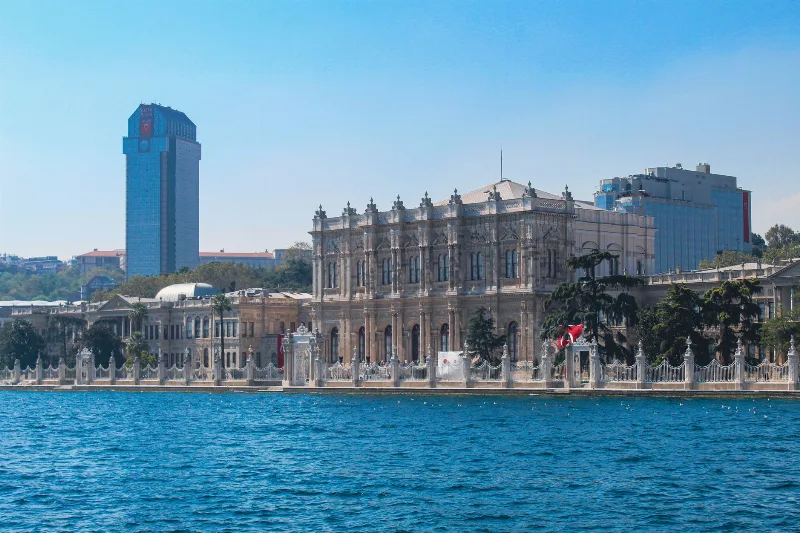
Dolmabahçe Palace
Dolmabahçe Palace is the 19th-century Ottoman palace on the European shore of the Bosphorus in Istanbul, built under Sultan Abdülmecid I as the empire's main administrative centre. It was the sultans' residence in the empire's final decades and the place where Mustafa Kemal Atatürk died in 1938.
Explore →Related content
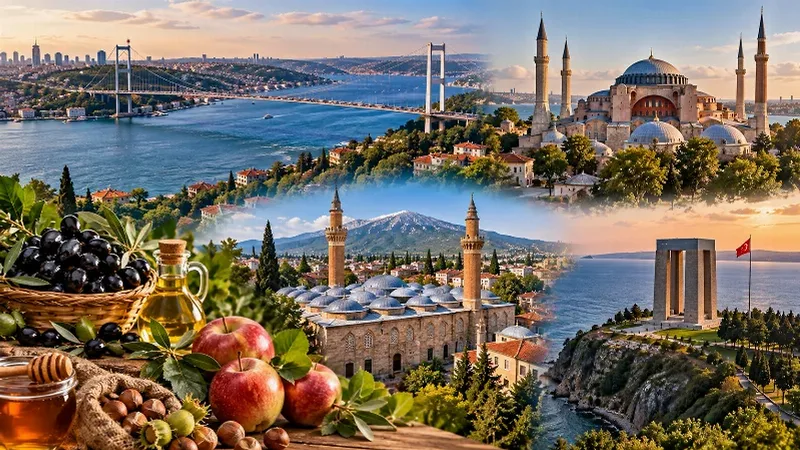
Marmara Region
The Marmara Region connects Europe and Asia, bringing together historic cities, beautiful coastlines, green landscapes and a rich cultural heritage. From Istanbul's iconic skyline to the peaceful shores of the Marmara Sea, the region offers a remarkable variety of places to discover.
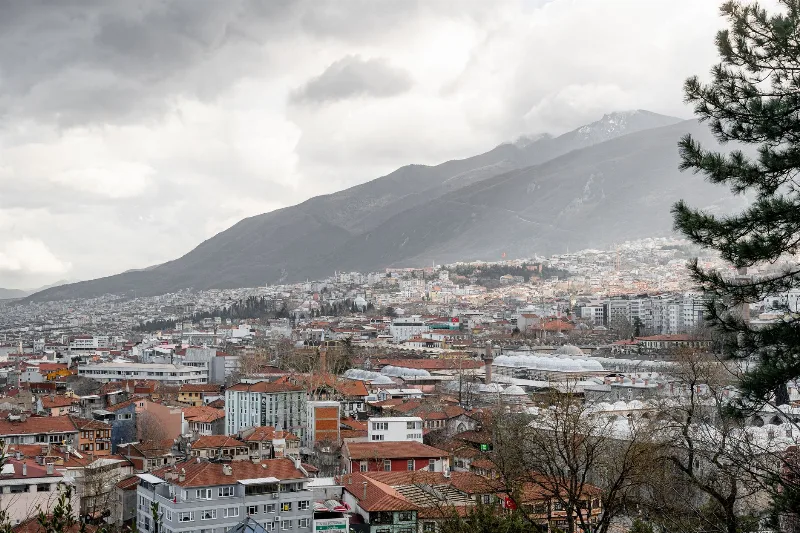
Bursa
Bursa is a major metropolitan city in northwestern Türkiye and the first great capital of the Ottoman Empire, known for its silk heritage, thermal springs and the mountain of Uludağ rising directly behind it.
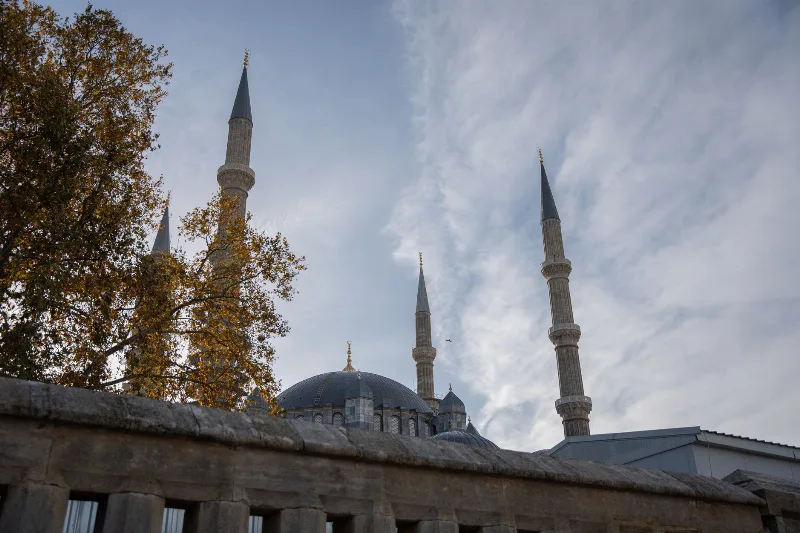
Edirne
Edirne is a northwestern Turkish city near the Greek and Bulgarian borders, renowned for its Ottoman heritage, particularly the Selimiye Mosque, and for hosting the annual Kırkpınar oil wrestling festival.
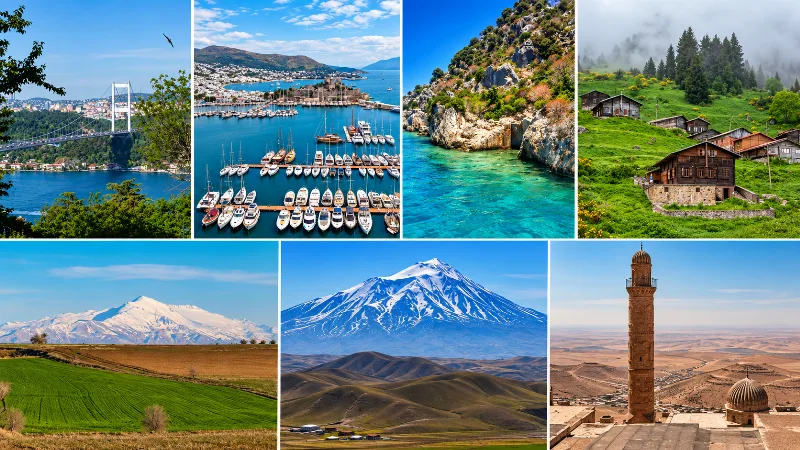
The Seven Geographical Regions of Turkey
An introduction to Turkey’s seven geographical regions and the landscapes, climates and cultural characteristics that distinguish them.
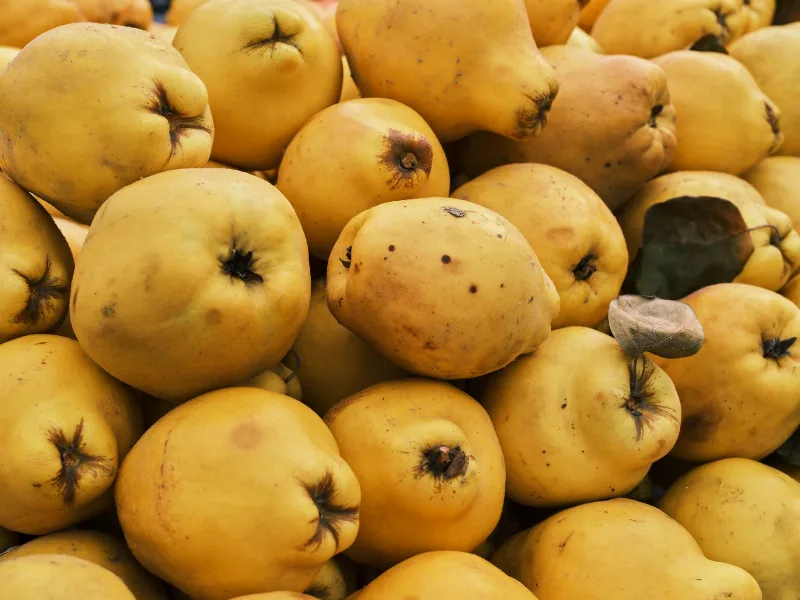
Bursa Quinces
Bursa quinces are the fruit of the quince tree grown around the city of Bursa in northwestern Türkiye, where the province's temperate Marmara climate and fertile soils give the fruit its dense flesh, tart flavour and strong fragrance. The orchards of Bursa are among the places most closely identified with quince growing in the country.
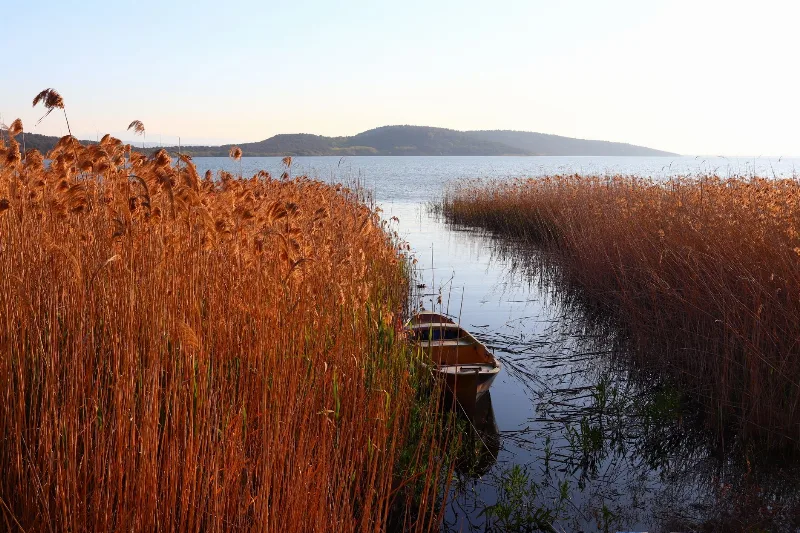
Bird Migration at Lake Uluabat, Bursa
Lake Uluabat in Bursa province functions as a major seasonal stopover for waterbirds, with two distinct passage windows in spring and autumn. The shallow, reed-fringed water and its Ramsar status explain why timing is central to what a visitor sees.