
Bird Migration at Lake Uluabat, Bursa
Lake Uluabat in Bursa province functions as a major seasonal stopover for waterbirds, with two distinct passage windows in spring and autumn. The shallow, reed-fringed water and its Ramsar status explain why timing is central to what a visitor sees.
Lake Uluabat, a wide and shallow freshwater lake in the province of Bursa in northwestern Türkiye, becomes a busy staging ground for migratory waterbirds twice each year. The passage generally falls into two windows: a northward movement typically between March and May, and a southward return usually from late summer into November. What makes these weeks distinctive is not simply the presence of birds but the sheer concentration of them — pelicans, cormorants, herons, grebes, ducks and waders gather on the open water, in the reed belts and along exposed mudflats as they feed and rest before continuing their journeys. Because the lake is a designated Ramsar site and an internationally recognised wetland, its seasonal role is not incidental; it is one of the main reasons the area is protected.
Where Lake Uluabat Sits and Why Birds Stop There
The lake lies in the Mustafakemalpaşa district of Bursa, fed by the Mustafakemalpaşa River, whose delta delivers the sediment and nutrients that keep the water biologically productive. Uluabat is shallow across much of its surface, which allows light to reach the bottom and supports dense aquatic plant growth, invertebrates and fish — the food base that draws waterbirds in large numbers.
Its edges are not uniform. Long stretches of common reed form sheltered belts, broken by small islands, open bays and seasonal mudflats. This mix of habitats matters because different species use different parts of it: diving birds and cormorants favour open water, herons and egrets hunt the shallows, and waders work the soft margins where water has receded. The reed beds also support breeding birds, including the pygmy cormorant, so the lake is not only a transit point but a living wetland throughout the year.
What Drives the Seasonal Passage
Migration through Uluabat is tied to the wider movement of birds between breeding grounds to the north and wintering areas to the south. In spring, birds are heading towards nesting sites and need places to refuel; in autumn, they are moving away from approaching cold and shortening daylight in the north. Shallow, food-rich lakes such as Uluabat act as convenient stepping stones along this route.
Water levels follow their own seasonal rhythm, and this affects how the lake looks and how birds use it. Spring rains and snowmelt from surrounding higher ground typically raise the level, flooding the margins and encouraging reed growth. By late summer and autumn, evaporation and reduced inflow often lower the water, exposing mudflats that are attractive to waders and other species that feed on damp ground.
Spring: Northbound Birds on the Move
Spring passage generally builds from March and can continue into May, with the exact peak shifting from year to year according to weather. Early arrivals often appear while the air is still cool and the reeds are only beginning to green; later in the season the lake is at its most active, with birds feeding intensively before departing northwards.
Visitors during this window can realistically expect to see pelicans on the open water, cormorants and pygmy cormorants diving for fish, herons and egrets in the shallows, grebes, ducks and terns. Flocks of waders work the wet edges. Spring is also when some birds settle to breed, so the lake can hold a mix of passing migrants and resident or nesting birds at the same time.
Autumn: The Return South and the Arrival of Winter Birds
Autumn passage typically begins in late summer and runs through to November. Numbers often swell as young birds join adults, and the composition of the flocks changes. Lower water levels mean more exposed shoreline, which frequently makes this a good period for observing birds that prefer shallow, muddy feeding areas.
The autumn movement blends into wintering, when waterfowl — including ducks and coots — settle on the lake rather than merely passing through. In the mild Marmara climate the lake usually stays open, though cold snaps can freeze sheltered edges for short spells. That continuous presence of waterbirds from autumn into winter is one of the reasons the lake is valued so highly as a wetland.
How Weather and Water Levels Change the Timing
No two years are the same. The arrival of migrants depends on weather systems further north, prevailing winds and temperature, while the state of the lake itself depends on rainfall and snowmelt in the surrounding catchment. Wet winters generally produce higher water and fuller reed belts; dry years can shrink the lake noticeably and shift which areas are usable by birds. For this reason it is more reliable to think in terms of a normal seasonal window — spring from roughly March to May, autumn from late summer to November — than to rely on fixed dates. Timing, species mix and the best places to watch from can all vary considerably.
What to Expect as an Observer
The terrain around Uluabat is mostly flat, with dirt tracks, embankments and quiet shoreline paths offering viewpoints over the water and reed islands. A pair of binoculars, and ideally a spotting scope, makes a large difference, since many birds sit far out on the lake. Early morning tends to be the most rewarding time, when birds are actively feeding and the air is calm.
Conditions vary by season: spring can be rainy and the ground muddy, summer is hot and humid, and autumn is generally mild but windy. Birds are wild and mobile, so a single visit never guarantees a particular species. Patience and an understanding of how weather is affecting the lake will usually help more than any fixed plan.
Related Places Worth Knowing About
Uluabat is part of a broader cluster of wetlands in the region. To the west, Lake Manyas — also known in Turkish as Kuş Gölü, or Bird Lake — is another significant waterbird site within the same part of the Marmara region. The Mustafakemalpaşa River and its delta are directly linked to Uluabat's ecology, since they supply the water and sediment that shape the lake. Seeing Uluabat as one link in a chain of wetlands helps explain why so many birds pass through this corner of Bursa each spring and autumn.
EXPLORE BY THEME
All themes →
Nature
Lakes, forests, rivers, canyons, mountains, wetlands and national parks across Türkiye.
Explore →
Seasonal Experiences
Harvests, festivals, natural seasons and local events throughout the year.
Explore →
Food
Regional dishes, desserts, local ingredients and culinary traditions across Türkiye.
Explore →Related content
Bursa
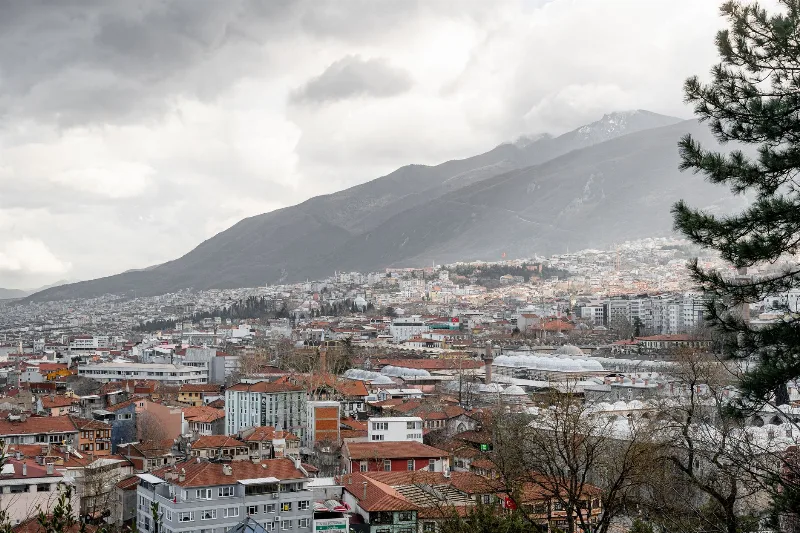
Bursa is a major metropolitan city in northwestern Türkiye and the first great capital of the Ottoman Empire, known for its silk heritage, thermal springs and the mountain of Uludağ rising directly behind it.
Gölyazı
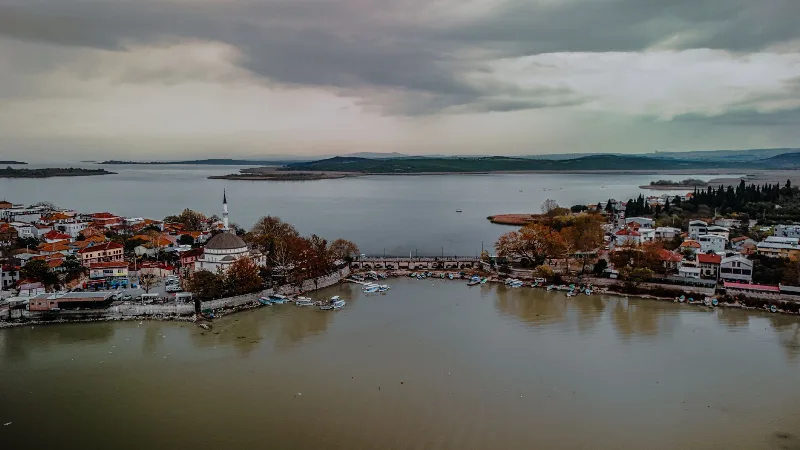
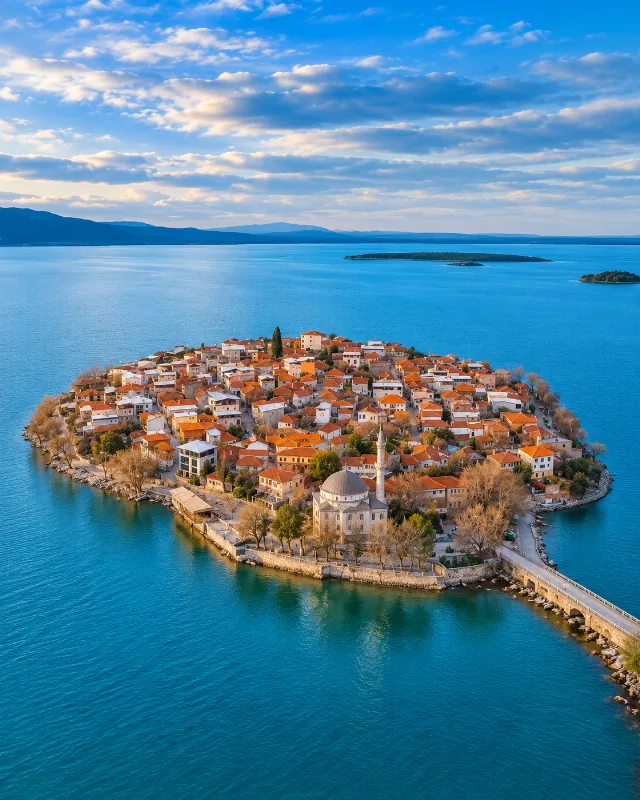
Gölyazı is a lakeside village in Bursa province, built on a low peninsula in Lake Uluabat, where narrow stone-and-timber lanes, a working fishing harbour and Byzantine ruins sit together on the water.
Gölyazı
Gölyazı is a small lakeside settlement near Bursa, built on a peninsula extending into Lake Uluabat and surrounded by water, wetlands and open countryside.
Mount Uludağ
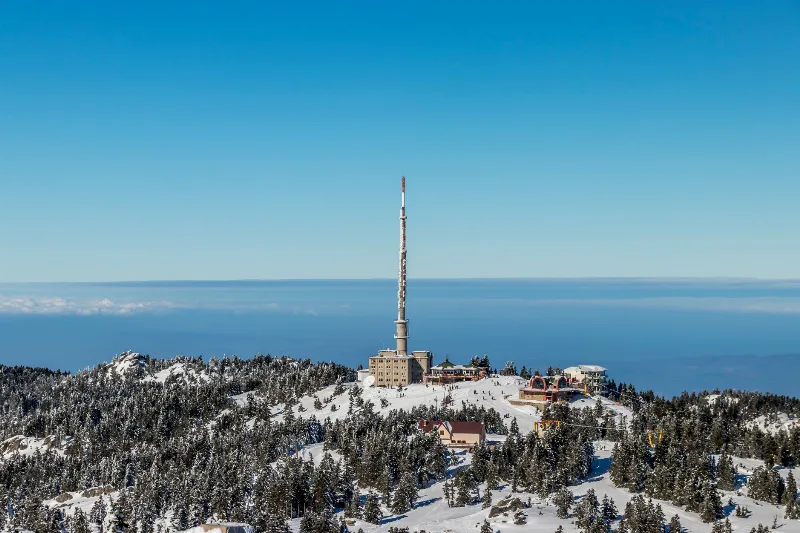
Mount Uludağ is a granite massif rising above Bursa in north-western Türkiye, topped by a 2,543-metre summit and protected as one of the country's oldest national parks. Its forest belts, high meadows, glacial landforms and long snow season shape both its landscape and the way it is visited.
Lake Kuş
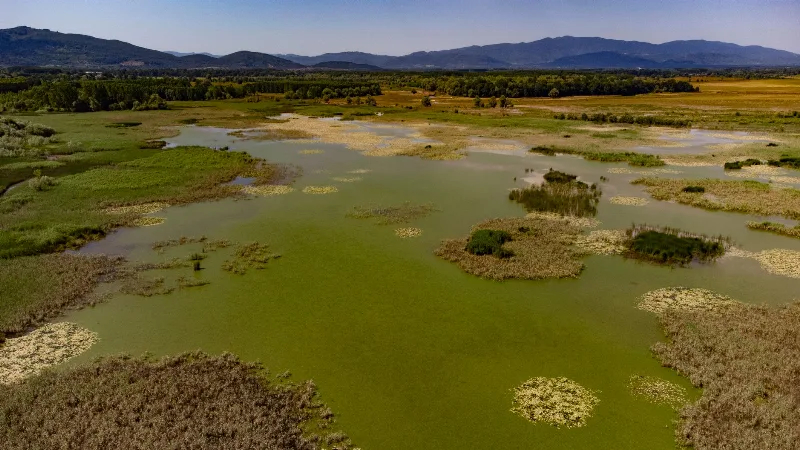
Lake Kuş, also called Lake Manyas, is a shallow freshwater lake in Balıkesir Province, northwestern Türkiye, protected as a national park and recognised as one of the country's key wetland bird areas.
4-Day Marmara Sea Route
A four-day loop around the Sea of Marmara that starts in Istanbul, crosses to Yalova, travels inland to Bursa and finishes among the ruins of Troy and the memorials of the Gallipoli peninsula. The itinerary is built around short, logical daily drives rather than long transfers.