
Food
Regional dishes, desserts, local ingredients and culinary traditions across Türkiye.
The food culture of Türkiye developed through the interaction of geography, agriculture, climate, trade, migration and long-established regional traditions. Because agricultural conditions differ considerably between the Black Sea, Aegean, Mediterranean, Central Anatolia, Eastern Anatolia and Southeastern Anatolia, local cuisines use different combinations of grains, vegetables, meat, dairy products, herbs, seafood, nuts, fruit and spices.
Southeastern Türkiye is closely associated with wheat, bulgur, peppers, meat, pistachios and a broad variety of spices. Gaziantep, Şanlıurfa, Adana and surrounding areas have culinary traditions that include grilled meats, kebabs, stuffed vegetables, flatbreads, soups, mezze and syrup-based desserts. Pistachios are widely used in local confectionery and pastries, particularly baklava.
The Aegean region has a strong connection with olive cultivation. Olive oil is used extensively in vegetable dishes, legumes, salads and cold preparations. Wild herbs, artichokes, beans, figs, grapes and seafood are common elements of regional cooking. The agricultural landscape of vineyards, olive groves and fertile coastal plains is closely reflected in local food traditions.
Mediterranean cuisine incorporates vegetables, grains, citrus fruits, herbs, meat and seafood. Tomatoes, peppers, aubergines and citrus crops are widely cultivated in southern agricultural areas. Coastal settlements traditionally include fish and seafood preparations, while inland areas contain a greater range of grain and meat-based dishes.
The Black Sea region has developed food traditions around the products supported by its humid climate and steep agricultural landscape. Corn, cabbage, beans, anchovies, dairy products, tea and hazelnuts are common. Tea cultivation is concentrated particularly in the eastern Black Sea, while hazelnut orchards extend across substantial areas of the region.
Central Anatolian cooking reflects a landscape historically associated with cereal agriculture and livestock. Wheat, flour, bulgur, meat, yogurt and legumes are widely used. Mantı, börek, various breads, soups and oven-cooked dishes appear in many local traditions.
Eastern Anatolia has strong culinary connections to livestock farming and high-altitude agriculture. Meat, butter, yogurt, cheese, grains and preserved foods are central ingredients in many areas. Long winters and mountainous geography influenced methods of preserving, drying and storing foods.
Breakfast culture includes bread, cheeses, olives, eggs, tomatoes, cucumbers, honey, jams, tea and regional accompaniments. The composition varies from one region to another and may include local cheeses, pastries, clotted cream, tahini, molasses or cooked dishes.
Desserts range from layered pastries and syrup-based preparations to milk desserts, fruit-based sweets and confectionery. Baklava, künefe, sütlaç, helva and lokum represent only part of a much broader dessert tradition.
Agricultural products also form a strong geographic connection between food and place. Tea is linked to the eastern Black Sea, pistachios to southeastern regions, hazelnuts to the Black Sea, apricots to Malatya, figs and olives to western Türkiye, and grapes to numerous vineyard districts. Culinary traditions therefore provide a direct reflection of local climate, agriculture and regional history.
Seasonal experiences
All Seasons →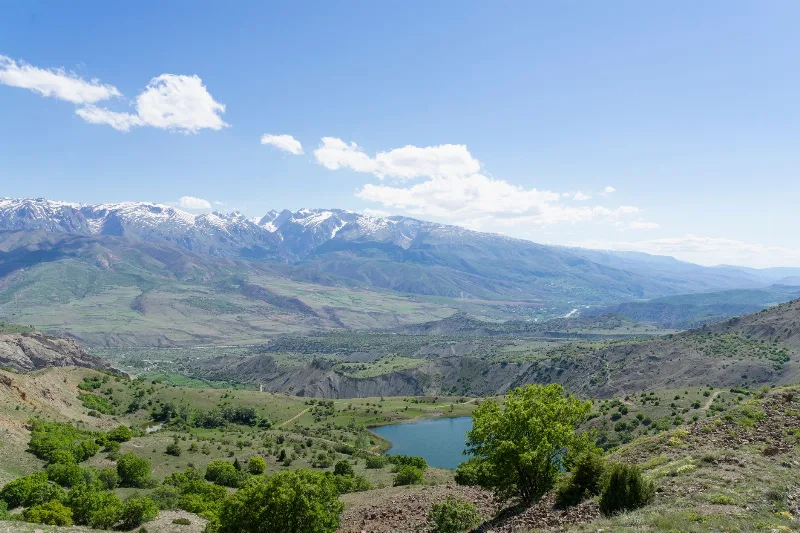
Wildflower Bloom in Munzur Valley, Tunceli
The Munzur Valley in Tunceli hosts one of eastern Türkiye's longest and most varied wildflower seasons, unfolding from spring into summer as melting snow climbs the mountainsides. Its altitude-staggered bloom makes the valley a notable destination for plant diversity.
Explore →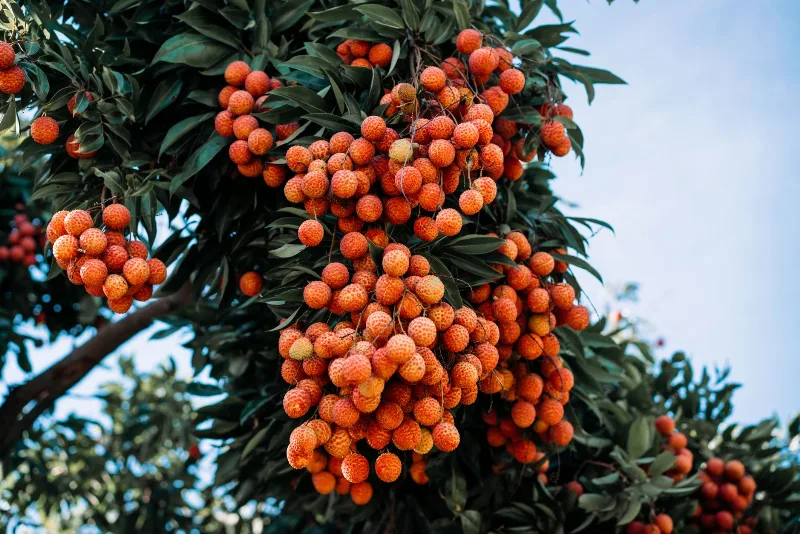
Pistachio Harvest in Gaziantep
Each autumn, the orchards around Gaziantep turn pink-red as pistachio husks split, and the picking, hulling and drying that follow shape the region's most important agricultural season.
Explore →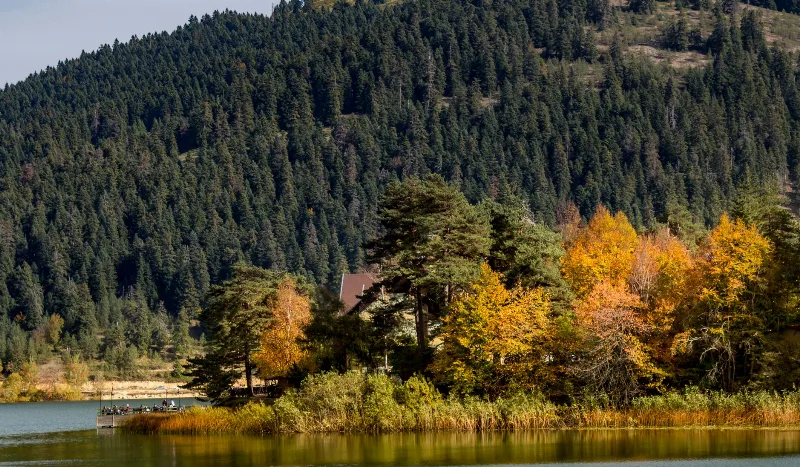
Autumn in Lake Abant, Bolu
From about October into November, the broadleaf woodland around Lake Abant in Bolu turns yellow, orange and red while the fir and pine stands around the shoreline stay dark green. The colour period lasts only a few weeks and shifts each year with temperature, rainfall and wind.
Explore →Related content
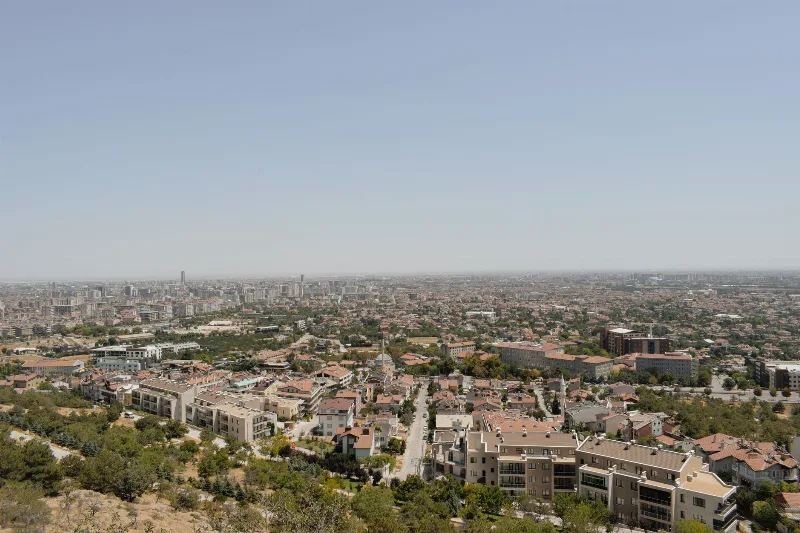
Gaziantep
Gaziantep is a major city in southeastern Türkiye and the administrative centre of its province, widely recognised as the country's gastronomic capital and known for its citadel, bazaars and the Zeugma Mosaic Museum.
Şanlıurfa
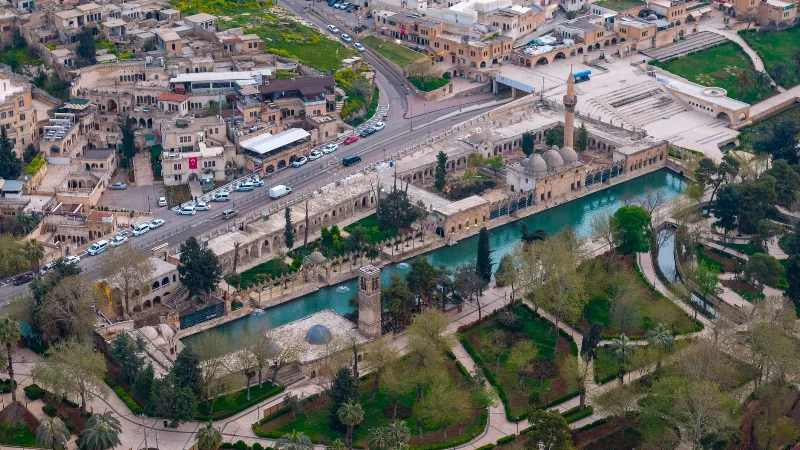
Şanlıurfa, commonly called Urfa, is a large city in southeastern Türkiye and the capital of its province. It is known both as a place tied to the tradition of the Prophet Abraham and as the gateway to Göbekli Tepe, one of the oldest monumental sites ever found.
Adana
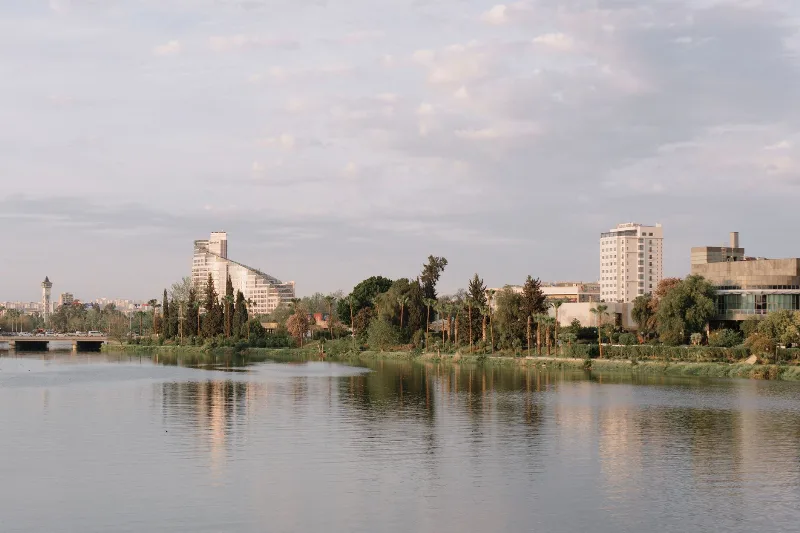
Adana is a major metropolitan city in southern Türkiye and the urban heart of the Çukurova plain, defined by the Seyhan River, a Roman-era stone bridge and a deeply rooted kebab and agricultural culture.
Lahmacun
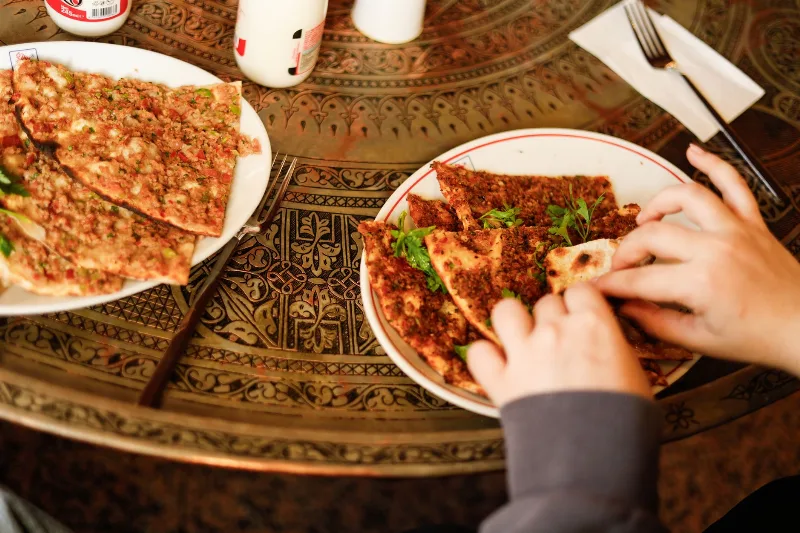
Lahmacun is a thin, round flatbread spread with finely minced meat, tomato, pepper and spices, baked quickly at high heat and served with lemon and fresh parsley. It is one of Türkiye's most recognisable street and oven foods, with strong regional traditions across the southeast and beyond.
Why Turkish Food Changes from Region to Region
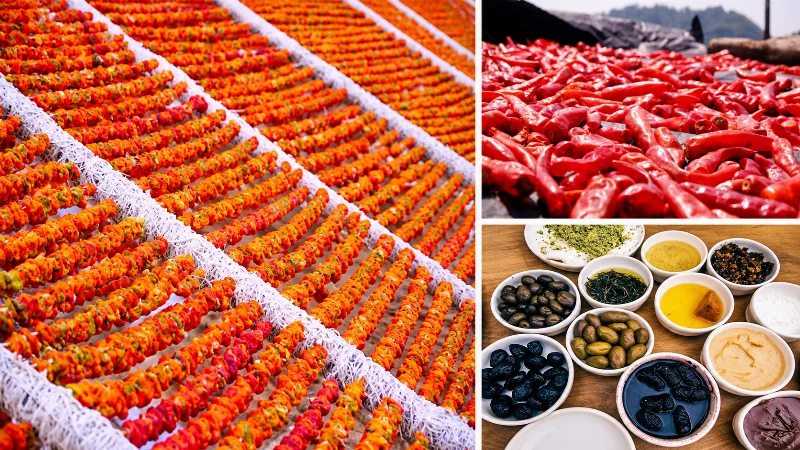
Climate, geography, agriculture and local history shape the ingredients, cooking methods and everyday dishes found across Türkiye. Türkiye’s cuisine is often described as a single national tradition, but food changes considerably from one region to another. Coastal climate, mountain geography, agricultural production, local history and available ingredients all influence what is cooked and how meals are prepared. A dish common on the Black Sea coast may be uncommon in southeastern Türkiye, while ingredients associated with the Aegean can play a much smaller role in the interior. These regional differences form one of the main characteristics of Turkish food culture.
Kahramanmaraş
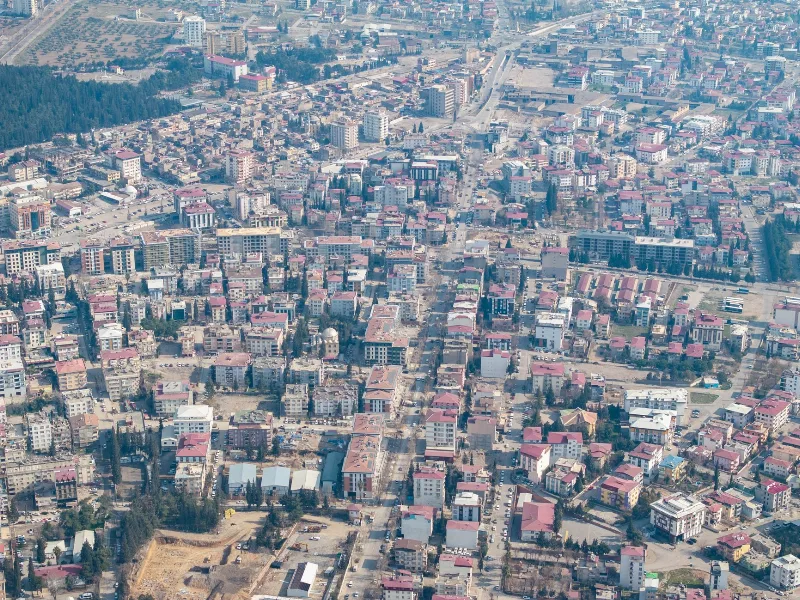
Kahramanmaraş is an inland city in southern Türkiye, set on a plain below the Taurus Mountains, known worldwide for its elastic salep-based dondurma and for a textile industry built on denim.