
Wildflower Bloom in Munzur Valley, Tunceli
The Munzur Valley in Tunceli hosts one of eastern Türkiye's longest and most varied wildflower seasons, unfolding from spring into summer as melting snow climbs the mountainsides. Its altitude-staggered bloom makes the valley a notable destination for plant diversity.
Every year, as the snowpack across the Munzur Mountains starts to retreat, the Munzur Valley in Tunceli Province, eastern Türkiye, produces a long, staggered flush of wildflowers. Blooming generally begins on the lower valley floor and the open slopes above the Munzur River in April and May, then follows the melting snowline upward through June, often reaching the highest meadows in early to mid-July. What makes this period distinctive is not only that flowers appear, but that the valley is one of the most botanically rich stretches of inland Anatolia, and its flowering season is spread across elevations rather than compressed into a few fixed weeks.
Why Snowmelt, Not the Calendar, Sets the Bloom
The controlling factor in the Munzur Valley is water released from melting snow, backed by the karst springs that feed the Munzur River. These springs are unusually reliable, which means the valley floor and lower slopes stay moist well into the dry part of summer, when many comparable landscapes in the region have already browned off. As the snowline moves uphill, so does the flowering front.
Slope orientation matters as much as altitude. South-facing slopes shed snow first and warm quickly, so they flower earlier. North-facing slopes and shaded gullies can hold snow patches into early summer and bloom noticeably later. In practice this means a walker moving a short distance across the valley may pass from spent seed heads to fresh flowers within a few hundred metres of elevation change.
When the Season Normally Unfolds
Timing varies from year to year, and the sequence below should be read as a normal window rather than a fixed schedule.
- April to mid-May: the lowest ground near the river and the warmer, more open slopes begin to flower first, while higher ground is still under snow.
- Mid-May to June: the middle elevations come into bloom, usually the richest and most continuous part of the season.
- June to July: subalpine and alpine meadows higher in the Munzur range flower as the last snow disappears.
- Late July into August: the highest pockets and late-lying snow hollows can still carry flowers, though the display thins out.
A heavy-snow winter tends to push the entire sequence back by one to three weeks; a light winter can bring it forward. A cold, wet spring has a similar delaying effect, while an early warm spell accelerates the lower elevations but does not necessarily speed up the high meadows.
What Actually Flowers in the Valley
The display is not built around one headline species. It is dominated by small to medium-sized herbaceous perennials and cushion-forming alpine plants, with the daisy, mint and pea families often well represented on rocky ground and in grazed meadows. The Munzur range forms part of the wider eastern Anatolian centre of plant endemism, and a number of the plants found here are restricted to these mountains or to a small number of neighbouring ranges. Because of that, the valley is of genuine interest to botanists rather than simply a scenic spring landscape.
Vegetation changes sharply with elevation. Lower down, the valley carries scrub and scattered trees along the river and on gentler slopes, with drier, open ground above the gorge. Higher up, the cover opens into grazed meadow and rock, which is where the classic alpine flowering is concentrated.
What the Landscape Looks Like During the Bloom
Through spring the valley reads as a sequence of greens, from the vivid fresh growth near the river to the grey-green of older scrub. The Munzur River runs clear and cold, fed by springs rather than only by runoff, and its gorge cuts through limestone that gives the valley much of its dramatic shape. Flower colour tends to appear in patches rather than as a single carpet: concentrated on damp hollows, seepage lines, road cuts, terraces and the edges of melting snow. By late summer those patches contract to the highest, moistest ground.
Weather and Terrain During the Season
Spring weather in the valley is unsettled. Days can be mild and clear at lower elevations while snow is still falling higher up, and afternoon cloud build-up with rain or hail is common. Trails and tracks can be muddy or washed out after snowmelt, and small streams that are easy crossings in June may be difficult earlier. Valley-bottom heat arrives in July and can be considerable, even while the high meadows remain cool. Anyone timing a visit around the flowers should expect layered clothing, waterproof footwear and a willingness to adjust plans to conditions.
How the Timing Shifts Between Years
Because the season is driven by snowmelt, it is genuinely variable. The same meadow may be in peak flower in late May one year and early July the next. Snow depth, spring temperatures and the pace of thawing all play a part, and a single cold snap after a warm spell can pause the sequence. Rather than aiming for a specific date, it is more useful to decide which elevation band you want and then match it to how far the snowline has retreated that particular year.
Places Around the Valley That Matter for Timing
The Munzur Valley runs roughly from the higher ground near Ovacık, at the upper end, down towards the provincial centre of Tunceli, where the river meets lower, warmer terrain. This elevation difference is the practical key to the season: the upper valley flowers later, the lower reaches earlier. Further southeast, around Pertek and the lower ground near the Keban reservoir, spring arrives earlier still because the land is warmer and lower, so the broader regional season lasts longer than it does inside the valley itself.
For anyone planning around the bloom, the most useful approach is to treat late May and June as the core window for the middle elevations, with April to mid-May for the lowest ground and late June into July for the alpine meadows above. Exact dates depend on the year's snow and weather, and the valley rarely flowers all at once.
EXPLORE BY THEME
All themes →
Seasonal Experiences
Harvests, festivals, natural seasons and local events throughout the year.
Explore →
Nature
Lakes, forests, rivers, canyons, mountains, wetlands and national parks across Türkiye.
Explore →
Food
Regional dishes, desserts, local ingredients and culinary traditions across Türkiye.
Explore →Related content
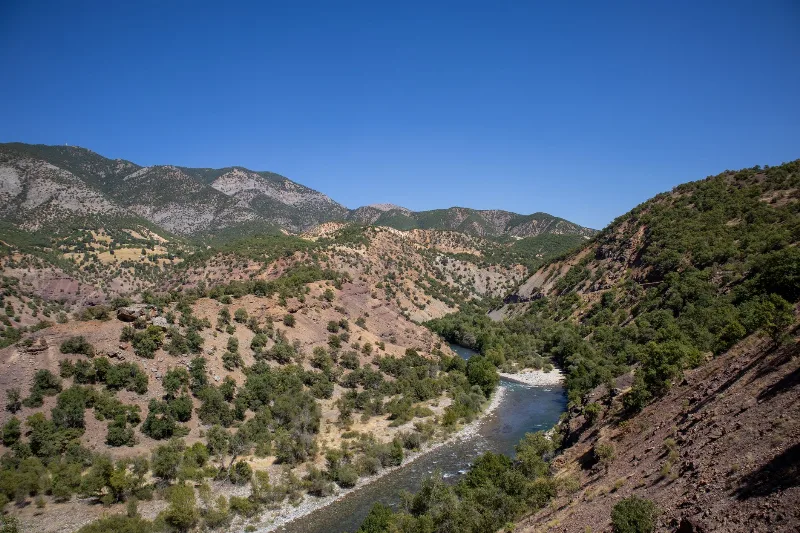
Munzur Valley
Munzur Valley National Park in Tunceli Province protects a deep river gorge in the Munzur Mountains, known for endemic wildlife and its significance to Alevi communities in eastern Turkey.
Munzur Valley National Park
Munzur Valley National Park is a large protected area in Tunceli Province, eastern Turkey, built around the Munzur River valley and the high Munzur Mountains, and known for its rugged terrain and rich endemic plant life.
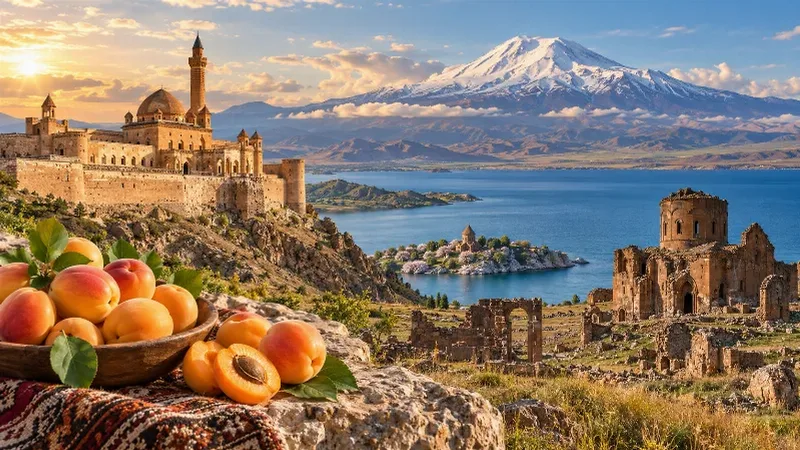
Eastern Anatolia Region
Eastern Anatolia is a region of majestic mountains, vast highlands, beautiful lakes and ancient cultural heritage. Home to Mount Ararat, Lake Van and historic settlements, it offers some of Türkiye's most dramatic natural landscapes alongside distinctive architecture, local traditions and regional cuisine.
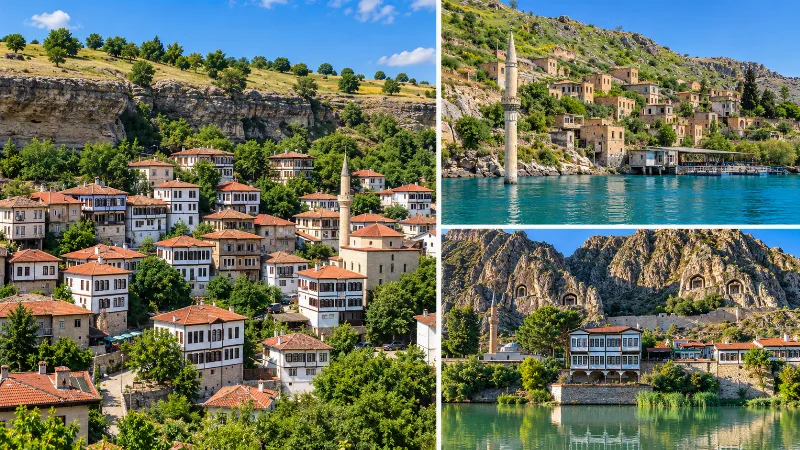
Exploring Turkey Beyond the Best-Known Destinations
A look beyond Turkey’s most famous destinations to smaller towns, villages, coastlines, highlands and historic landscapes across the country.
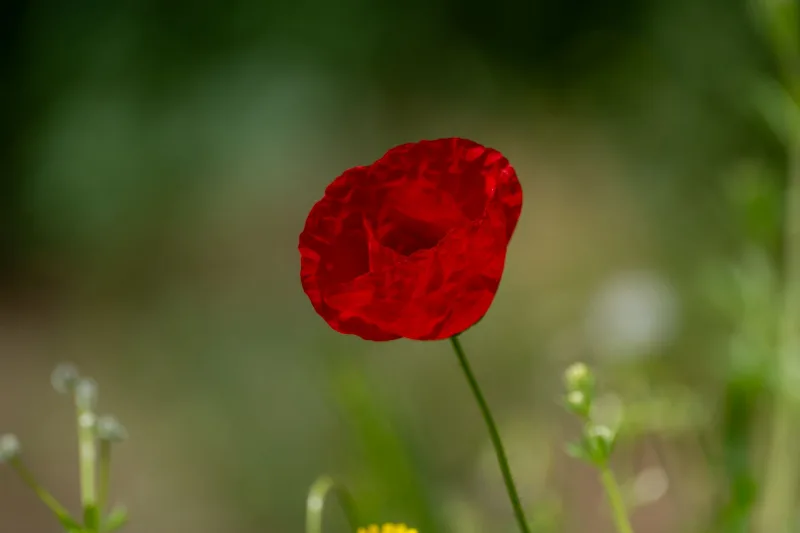
Poppy Bloom in Afyonkarahisar
Each late spring, the licensed poppy fields around Afyonkarahisar flower, turning parts of the plateau red, pink, and purple for a short window in May and June. The bloom marks one stage in a tightly controlled pharmaceutical crop cycle that shapes the province's farming landscape.
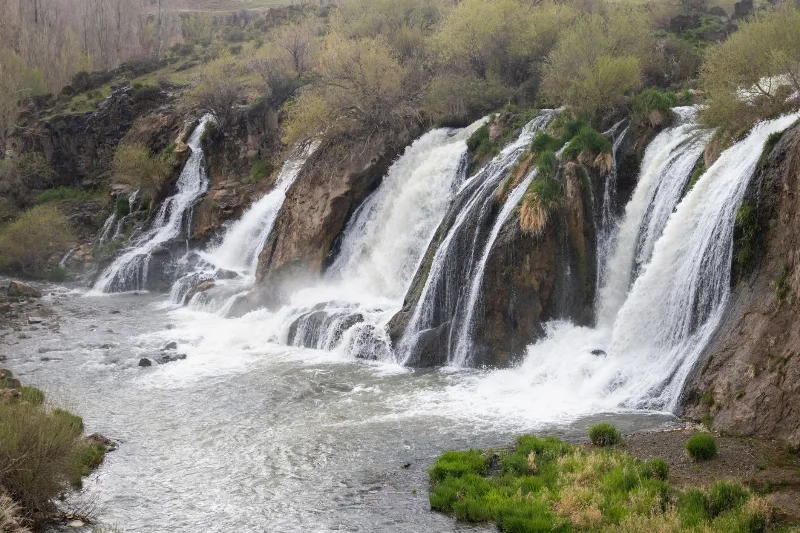
Van's Spring Festival
Spring in Van brings Nevruz and Hıdırellez celebrations, blooming landscapes around Lake Van, and fresh local foods. Discover how eastern Türkiye welcomes the season with culture, nature, and community traditions.