
Eastern Anatolia Region
Eastern Anatolia is a region of majestic mountains, vast highlands, beautiful lakes and ancient cultural heritage. Home to Mount Ararat, Lake Van and historic settlements, it offers some of Türkiye's most dramatic natural landscapes alongside distinctive architecture, local traditions and regional cuisine.
Discover Eastern Anatolia
Eastern Anatolia is one of Türkiye's most mountainous and geographically distinctive regions. Located in the eastern part of the country, it is characterized by high plateaus, impressive mountain ranges, volcanic peaks, lakes and broad valleys.
The region's natural landscapes are closely connected to its long history of settlement and cultural exchange. Ancient civilizations, traditional communities and historic trade routes have all contributed to the rich heritage of eastern Türkiye.
Eastern Anatolia offers a remarkable variety of scenery, from the shores of large lakes to mountain villages, historic castles and expansive highland landscapes.
Cities and Historic Heritage
Van is one of the region's best-known cities, located near the eastern shore of Lake Van. Its historical heritage includes Van Castle, which reflects the city's importance during the ancient Urartian period.
Akdamar Island, situated in Lake Van, is known for its beautiful setting and the historic Armenian Church of the Holy Cross.
Erzurum is another important cultural center, recognized for its monumental Seljuk architecture. The Çifte Minareli Medrese, Yakutiye Medrese and historic city center are prominent examples of the region's architectural heritage.
Kars is celebrated for its distinctive stone buildings and the nearby archaeological site of Ani. Once an important medieval city, Ani contains the remains of churches, defensive walls and other historic structures within a striking landscape.
Malatya, Elazığ, Erzincan, Ağrı, Muş, Bitlis, Bingöl, Tunceli, Ardahan, Iğdır and Hakkâri contribute to Eastern Anatolia's wider cultural and geographical diversity.
Mountains, Lakes and Natural Beauty
The region contains some of Türkiye's highest and most impressive mountains.
Mount Ararat, known in Turkish as Ağrı Dağı, rises above the surrounding landscape with its distinctive volcanic form. It is the highest mountain in Türkiye and one of the country's most recognizable natural landmarks.
Lake Van is the country's largest lake by area, surrounded by mountains, historic settlements and remarkable scenery.
Lake Çıldır, located near Ardahan and Kars, is another notable natural feature, with landscapes that change dramatically through the seasons.
The Munzur Mountains and Munzur Valley are known for their rivers, mountain scenery and rich natural environment. The region's highlands, valleys and volcanic landscapes contribute to its outstanding geographical variety.
Food and Local Flavours
Eastern Anatolian cuisine reflects the region's highland traditions, agricultural practices and cultural diversity.
Meat dishes, wheat-based foods, legumes, regional cheeses and traditional breads are important parts of local food culture.
Erzurum is especially associated with cağ kebabı, while Kars is known for its cheese-making traditions and regional dairy products.
Van has a distinctive breakfast culture that includes local cheeses, honey, butter and traditional accompaniments.
Malatya is internationally recognized for its apricots, an important agricultural product that plays a significant role in the city's identity.
Traditional soups, handmade pastries and regional desserts add to the culinary diversity of eastern Türkiye.
Architecture and Local Traditions
Traditional stone houses, historic mosques, churches, castles and ancient settlements reflect the region's architectural heritage.
Local craftsmanship includes weaving, textiles, decorative arts and traditional food production. Across the region, different communities have contributed to a rich variety of customs, music and cultural expressions.
Rural landscapes and mountain settlements preserve many elements of traditional highland life.
The Mountain Landscapes of Eastern Türkiye
Eastern Anatolia combines monumental mountains, expansive lakes, historic cities and distinctive cultural traditions.
Its dramatic geography provides a memorable setting for discovering Türkiye's natural and historical diversity.
From the mountain scenery of Ağrı to the shores of Lake Van and the ancient architecture of Ani, Eastern Anatolia reveals a remarkable side of the country's cultural and geographical heritage.
Related content
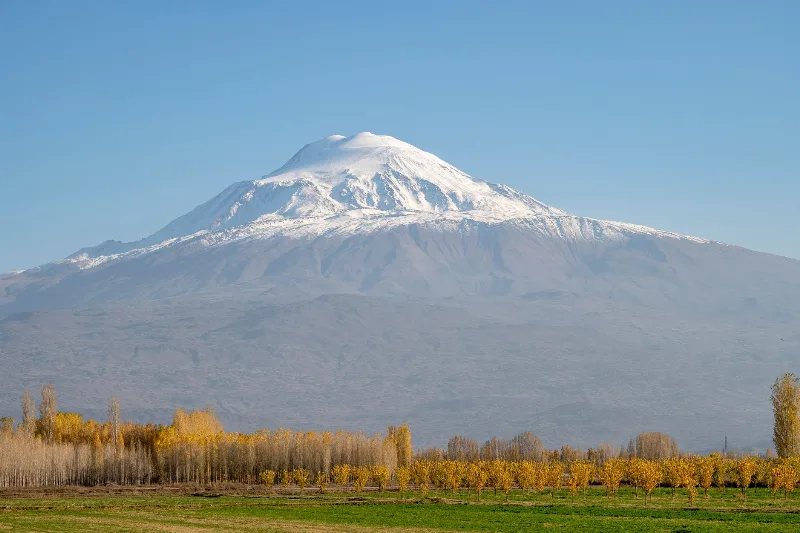
Mount Ararat
Mount Ararat (Ağrı Dağı) is a dormant, snow-capped stratovolcano in eastern Turkey and the country's highest mountain, rising in two distinct cones above the Iğdır Plain near the Iranian border.
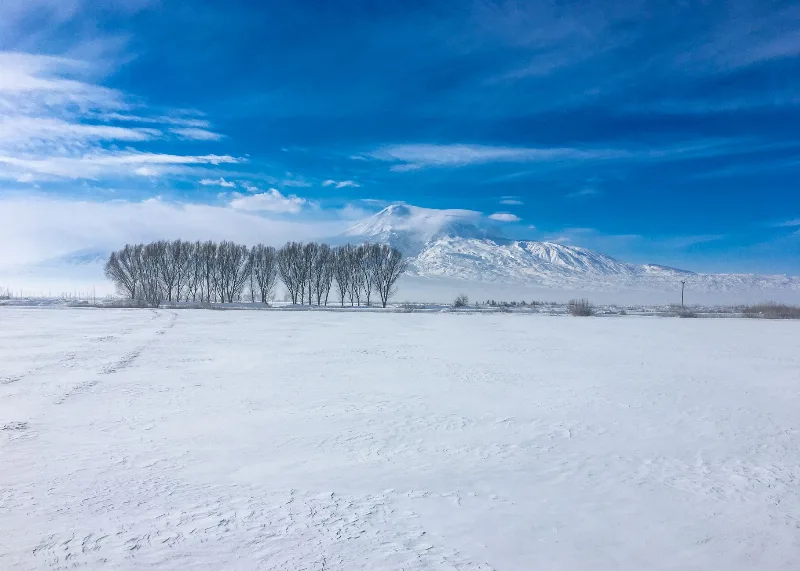
Mount Ararat
Mount Ararat is a dormant stratovolcano in eastern Türkiye and the country's highest mountain at 5,137 metres, known for its twin peaks, permanent ice cap and the long-standing Noah's Ark tradition.
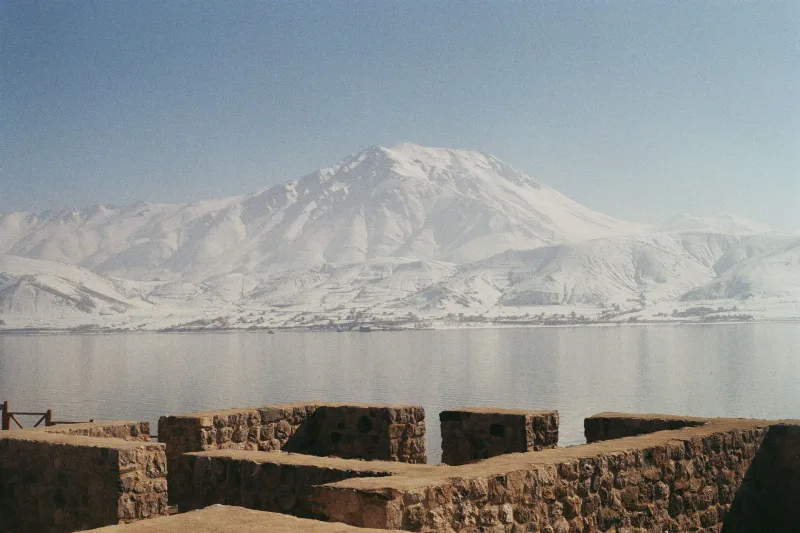
Lake Van
Lake Van is Turkey's largest lake, a vast alkaline soda lake with no outlet, set in the volcanic highlands of Eastern Anatolia at around 1,640 metres. Its unusual chemistry, depth and islands give it a character unlike any other lake in the country.
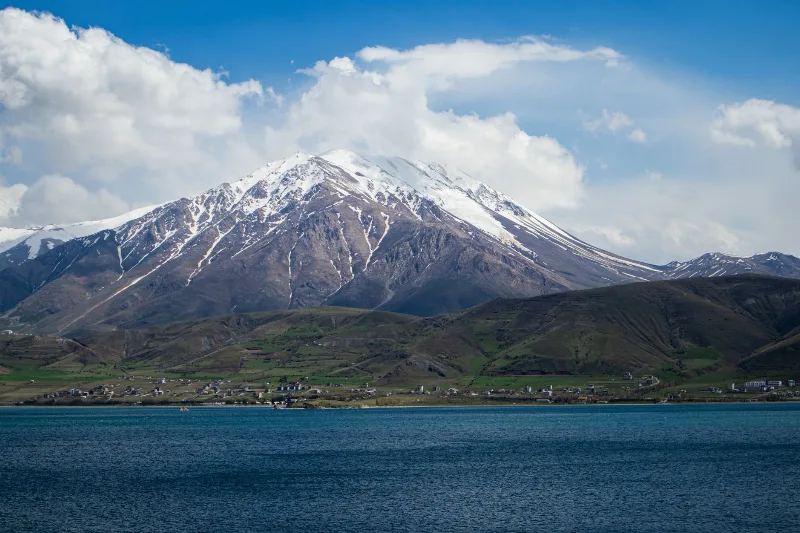
Mount Süphan
Mount Süphan (Süphan Dağı) is a dormant stratovolcano in Bitlis Province, eastern Türkiye, and the second-highest peak in the country at 4,058 metres, rising above the northern shore of Lake Van.
Mount Tendürek
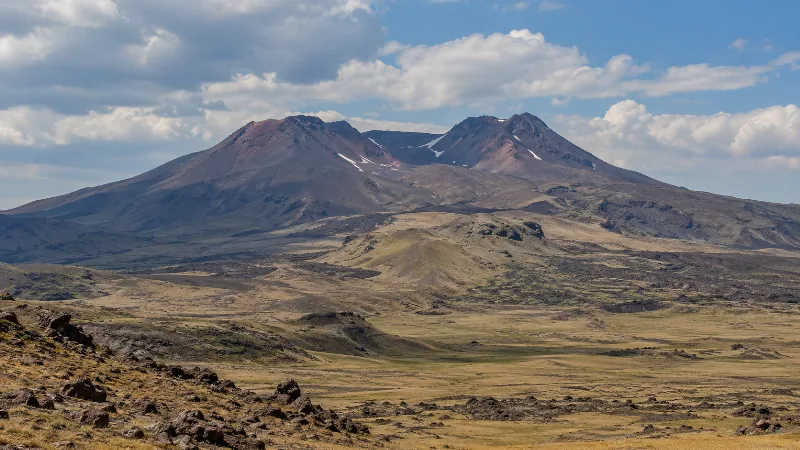
Mount Tendürek is a broad shield volcano in eastern Turkey, close to the Iranian border, whose summit caldera contains two craters, a small lake and active fumaroles. Its bare lava slopes rise above the high pastures between the Ağrı and Van provinces.
Nature
Lakes, forests, rivers, canyons, mountains, wetlands and national parks across Türkiye.