
Munzur Valley National Park
Munzur Valley National Park is a large protected area in Tunceli Province, eastern Turkey, built around the Munzur River valley and the high Munzur Mountains, and known for its rugged terrain and rich endemic plant life.
Munzur Valley National Park (Munzur Vadisi Milli Parkı) is a large protected natural area in Tunceli Province, in the eastern part of Turkey. It takes its name from the Munzur River, whose valley cuts through the Munzur Mountains, and it is one of the country's most extensive national parks. The defining features of the area are its high, rocky mountain ridges, the deep river valley between them, fast-flowing water fed by strong springs, and an unusually rich variety of native and endemic plants. Unlike many Turkish national parks that centre on a single lake or forest type, Munzur combines mountain, river, gorge and high-altitude habitats within one continuous landscape.
Where the Park Lies
The park is located in Tunceli Province, a sparsely populated, mountainous province in the Eastern Anatolia region. The main urban centre is the city of Tunceli, which sits close to the point where the Munzur and Pülümür rivers meet. From there, the valley and the surrounding mountains extend mainly towards the north and north-west, in the direction of districts such as Ovacık. Because the protected area follows a long river system rather than a compact boundary, it stretches across a considerable distance and covers several different elevation bands.
The Mountains and the River Valley
The Munzur Mountains form a high range with summits that rise beyond 3,000 metres, and they dominate the skyline of the region. The range is largely made of limestone, and this geology shapes almost everything visible in the park. Water dissolves the rock over time, producing karst features, steep slopes, and one of the most important elements of the area: powerful natural springs. These springs feed the Munzur River, which is a major tributary of the Euphrates (Fırat). The river runs cold, clear and energetic for much of the year, and its valley is deep and narrow in places, with rock walls on either side. The contrast between the moving water in the valley floor and the bare, elevated ridges above is the central characteristic of the landscape.
Plants and Endemic Species
Munzur is notable for its botanical richness. Because the region combines high mountains, deep valleys and varied microclimates, it supports a large number of plant species, including many that are endemic, meaning they grow naturally nowhere else. Grassy slopes, rocky ledges and stony ground each carry different plant communities, and the vegetation changes noticeably with altitude. Lower and mid-level areas can be greener and denser, while higher ground becomes more exposed and supports low, hardy plants adapted to wind and cold. This botanical diversity is one of the main reasons the valley has been protected.
Wildlife of the Valley and Slopes
The combination of protected terrain, limited settlement and abrupt elevation change creates habitat for a range of wildlife. The mountains and their rocky slopes are associated with large mammals such as brown bear and grey wolf, as well as wild mountain goats in the more rugged and less accessible parts. Birds of prey are also part of the environment, using the cliffs, ridges and open valleys as hunting and nesting ground. Because the park is large and much of it is difficult to cross, wildlife is generally easier to understand as a feature of the broader ecosystem than as something a visitor is certain to see.
Seasons and Changing Conditions
Eastern Anatolia has distinct, harsh seasons, and the park reflects this clearly. Winters are cold, with heavy snow on the mountains and long-lasting snow at high elevations, which can make upper areas inaccessible and closes many routes across the range. Spring brings melting snow, rising water levels in the rivers and springs, and rapid greening of the lower slopes. Summer is generally the most favourable period for visiting, with warmer weather and clearer access to the valley, though the high mountains can still be cool and changeable. Autumn brings drier, cooler conditions and turning colours on the slopes before the first snows return.
Terrain and Exploring the Area
The terrain is mountainous and uneven, and the valley itself is the natural corridor through the landscape. Roads in the region follow the river valley in places, which allows travellers to experience a long stretch of the scenery without leaving the vehicle. Beyond the valley floor, the ground rises steeply, and movement becomes more physically demanding. Anyone planning to spend time on foot should expect rough, rocky surfaces and significant changes in elevation. The climate at higher altitudes can differ sharply from conditions in the valley, so weather and snow cover should be considered before setting out.
Protection and Conservation
The area holds national park status, and this protected designation applies mainly to its natural values: the river system, the karst geology, the mountain habitats and the endemic plant life. This means that conservation, rather than development, is the guiding principle for the landscape. Visitors should treat the environment with care, respect the protected status of the area, and avoid disturbing vegetation, wildlife or the natural course of the waterways.
Nearby Natural Features and Context
Munzur sits within a wider mountainous region of Tunceli where rivers, high plateaus and steep valleys are common. The Pülümür River valley lies to the north-east of Tunceli city and connects with the Munzur system, while the higher country towards Ovacık is part of the same mountain environment. Understanding the park as one part of a larger river-and-mountain network helps explain its scale and its importance: it is not an isolated reserve, but the core of a broad, rugged natural region in eastern Turkey.
Beaches & bays
See the coast →
Related content
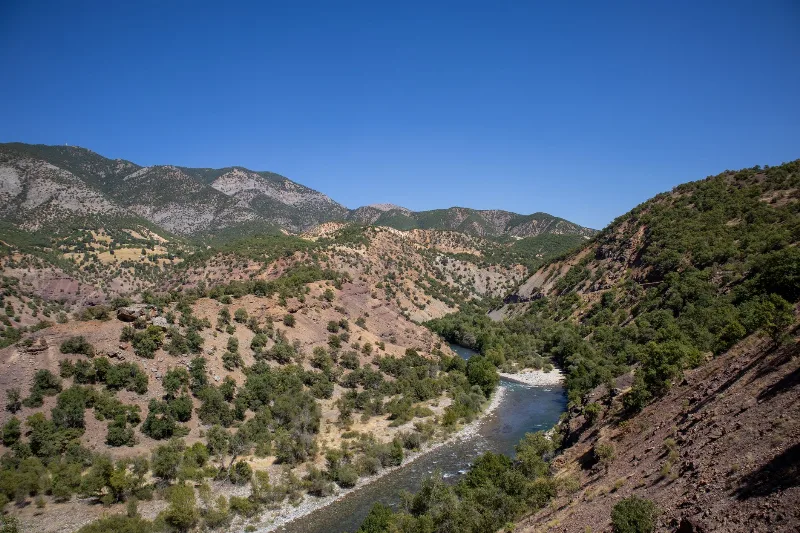
Munzur Valley
Munzur Valley National Park in Tunceli Province protects a deep river gorge in the Munzur Mountains, known for endemic wildlife and its significance to Alevi communities in eastern Turkey.
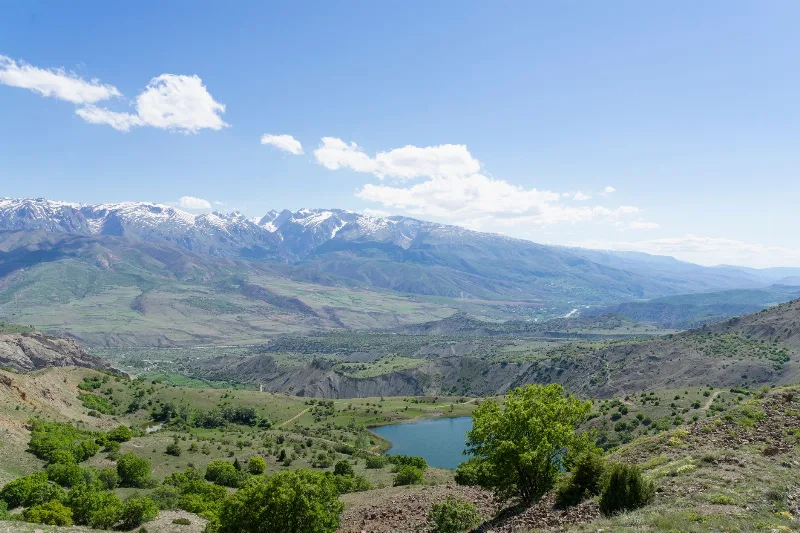
Wildflower Bloom in Munzur Valley, Tunceli
The Munzur Valley in Tunceli hosts one of eastern Türkiye's longest and most varied wildflower seasons, unfolding from spring into summer as melting snow climbs the mountainsides. Its altitude-staggered bloom makes the valley a notable destination for plant diversity.
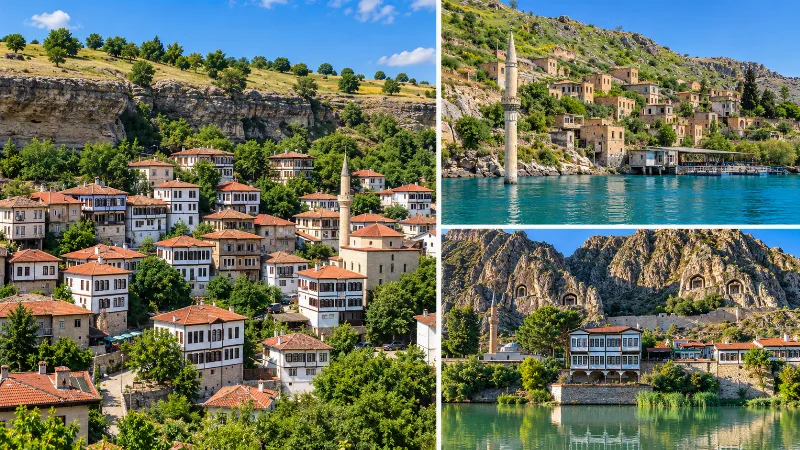
Exploring Turkey Beyond the Best-Known Destinations
A look beyond Turkey’s most famous destinations to smaller towns, villages, coastlines, highlands and historic landscapes across the country.
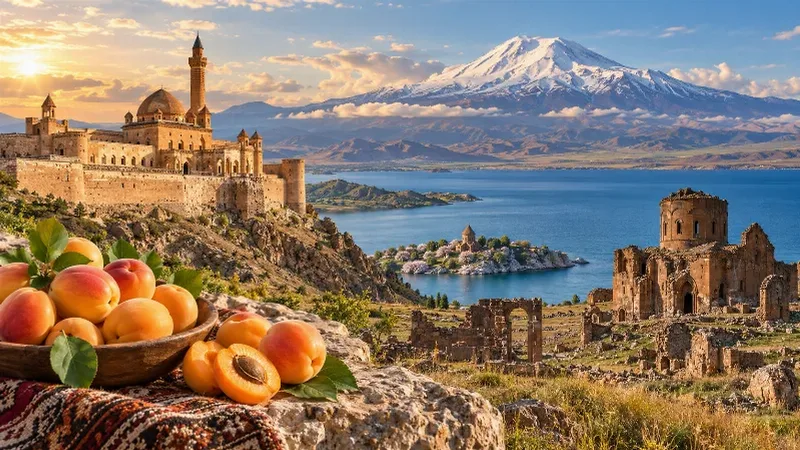
Eastern Anatolia Region
Eastern Anatolia is a region of majestic mountains, vast highlands, beautiful lakes and ancient cultural heritage. Home to Mount Ararat, Lake Van and historic settlements, it offers some of Türkiye's most dramatic natural landscapes alongside distinctive architecture, local traditions and regional cuisine.
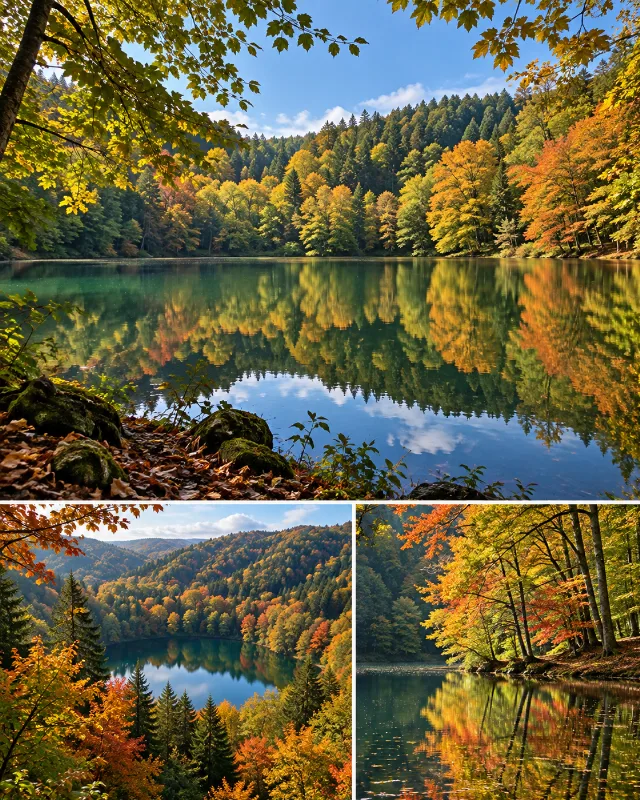
Yedigöller National Park
Yedigöller National Park in Bolu, Turkey, is a protected area centered on seven small lakes formed by landslides. The park is known for its dense forests, seasonal color changes, and tranquil walking paths.
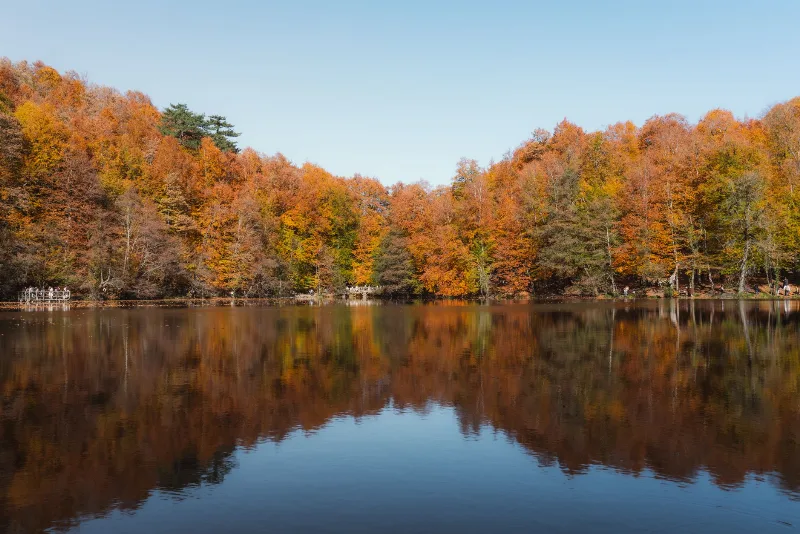
Nature Reserves of the Black Sea Region
Türkiye's Black Sea coast hides a chain of protected landscapes, from glacial lakes in the Kaçkar Mountains to canyons and old-growth forests in Kastamonu and Bartın.