
Kleopatra Beach
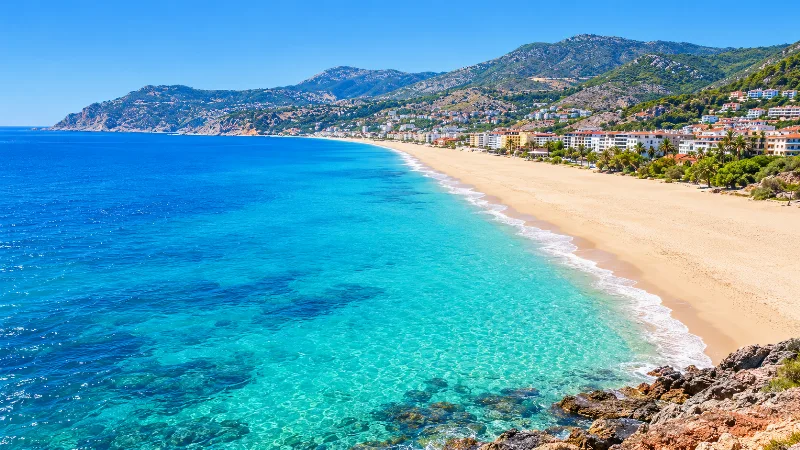
Kleopatra Beach is a long arc of golden sand on the Mediterranean coast at Alanya, Türkiye, where fine grains meet clear water beneath rocky headlands and wooded hills.
The Shoreline and Its Shape
Kleopatra Beach follows a broad curve of the Mediterranean coast at Alanya, on the southern shore of Türkiye in Antalya Province. The beach runs for roughly three kilometres, tracing a gentle arc between the rocky headland that closes it to the west and the more open coastline that continues eastward. Seen from above, the shoreline reads as a pale ribbon of sand laid against darker water, with the width of the strip changing gradually from one end to the other. Winter swell shifts the sand and reshapes the lower beach, while the calmer months restore a wide, flat surface close to the water's edge.
The line of the coast is not perfectly straight. Small variations in the sand — shallow points, slight inlets and subtle changes in the angle of the shore — break the beach into stretches that feel distinct from one another. At the western end, where the land turns to rock, the sand narrows and gives way to stone, and the beach meets the base of the cliffs almost directly. Further east, the strip widens and flattens, opening into a longer and more even shoreline.
Sand and the Seabed
Fine golden sand is the feature that defines this shoreline most clearly. Much of the Turkish Mediterranean is edged with pebbles, shingle or coarse gravel, but here the grains are small, closely packed and warm in tone, giving the beach a smooth, uniform surface underfoot. The colour shifts through the day, appearing pale cream in strong midday light and deepening toward amber in the softer hours.
The same sand continues beneath the sea. Instead of an abrupt drop, the seabed slopes away gradually, so the water stays shallow for some distance from the shore before deepening. Because the bottom is sand rather than rock or weed, light reflects back through the water, and the sea close to the beach takes on a bright, luminous quality that fades into darker tones further out.
The Water
The sea here is characteristic of the eastern Mediterranean: clear, saline and, for much of the year, calm in appearance. Over the shallow sand near the shore the water shows a pale turquoise, almost green in bright sun; beyond the shallows it deepens to a richer blue. In settled summer weather the surface is often barely disturbed, and the transition from sand to water is gradual rather than abrupt.
Conditions change with the season. Autumn and winter bring longer periods of swell and stronger onshore winds, which lift the surface, stir the sand and change the colour of the sea to a duller grey-green. Spring and summer generally bring lighter winds and flatter water, and the clarity of the sea increases as sediment settles.
Cliffs, Headlands and the Land Behind
To the west, the beach ends against a rocky promontory that rises steeply from the water, its pale grey limestone cliffs standing in sharp contrast to the sand below. This headland closes the bay and gives the western end of the shoreline a more enclosed character, with rock replacing sand at the waterline.
Behind the beach, the land climbs into the foothills of the Taurus Mountains, which run along much of Türkiye's southern coast. These slopes, together with the peninsula on which the town stands, frame the beach on three sides and give the location the feel of a coastal shelf held between sea and mountain. Vegetation follows the same pattern: palms and shrubs line the back of the beach, while pines and scrub cover the higher ground.
Geographic Setting
Kleopatra Beach lies within the Gulf of Antalya region, where the Mediterranean coastline bends between the mountains and the sea. The local climate is typically Mediterranean, with hot, dry summers and mild, wetter winters. This pattern shapes both the landscape and the beach itself: long dry months leave the sand loose and pale, while winter rain and storms redistribute it along the shore.
The beach faces roughly south, opening onto open sea, which is why swell from distant weather systems can reach it in the cooler months. Its position between a rocky peninsula and a long stretch of built-up coastline also means the shoreline acts as a boundary between two very different kinds of terrain — stone and elevation on one side, level sand on the other.
How the Beach Meets the Water
Because the seabed is sandy and the slope gentle, the shoreline is a smooth transition rather than a sharp edge. Small waves break close to the sand, and the waterline moves only a short distance between calm and rough conditions. Where the beach approaches the western headland, the character changes: rock appears at the waterline, the sand thins, and the shore becomes more irregular, with boulders and outcrops interrupting the line of the beach.
Atmosphere and Change Through the Year
The overall impression is of a long, open sweep of pale sand set against clear water and framed by rock and mountain. Light plays a large part in this. In the middle of the day the beach and sea appear almost white and turquoise, while in the early evening the sand darkens and the water takes on deeper blues. The beach changes with the seasons — broad and smooth in the calm months, narrower and more textured after winter storms — but its basic geography, a curved sandy shore beneath a rocky headland, remains constant.
Remarkable places
All places →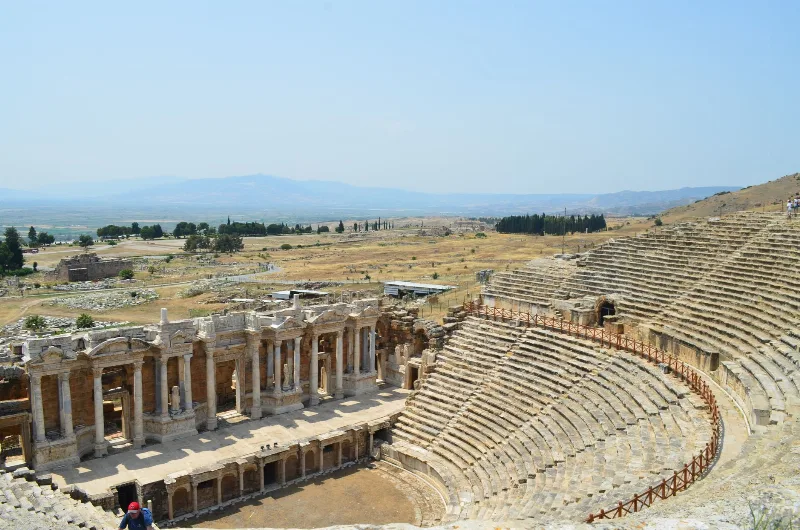
Letoon
Letoon is a Lycian sanctuary near Xanthos in Muğla Province, dedicated to Leto, Artemis and Apollo. Its three temples, theatre and trilingual inscription make it one of southwestern Turkey’s most significant archaeological sites.
Explore →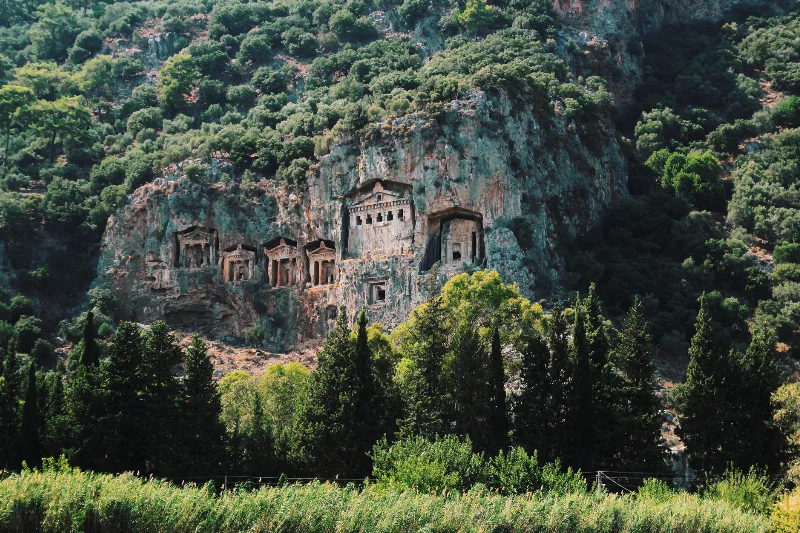
Kaunos
Kaunos is an ancient Carian city on the Dalyan River in Muğla Province, known for its temple-style rock-cut tombs and the extensive ruins of a harbour that silted up centuries ago.
Explore →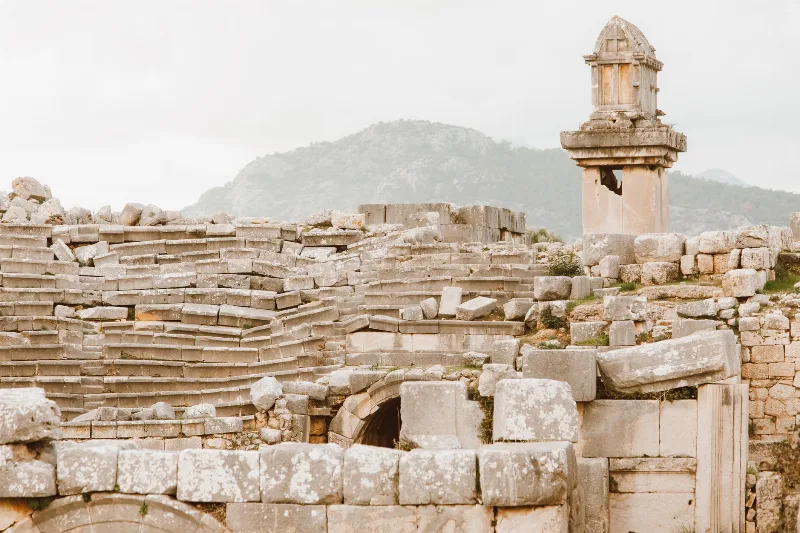
Xanthos
Xanthos is an ancient Lycian city in Antalya Province and a UNESCO World Heritage Site, known for its Lycian tombs, Roman theatre and role as a leading city of Lycia.
Explore →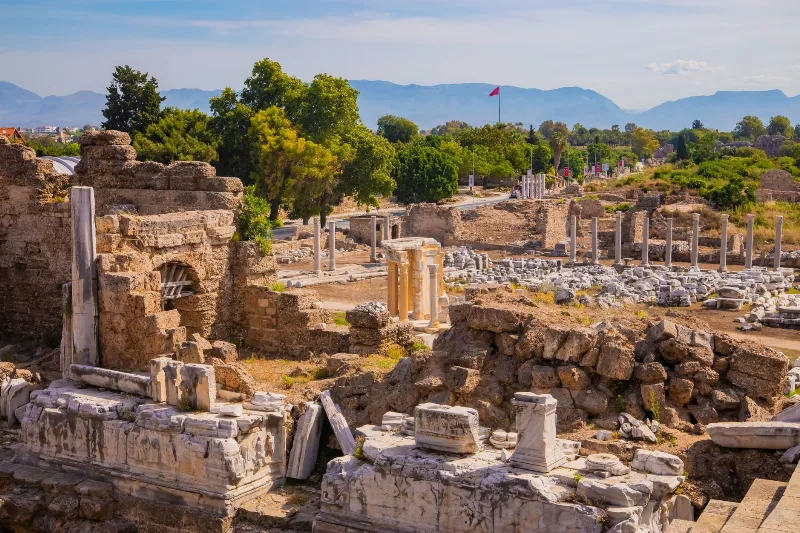
Phaselis
Phaselis is a Rhodian-founded port city on the eastern Lycian coast, where paved streets, agoras, baths and a small theatre stand among pines between three sheltered bays.
Explore →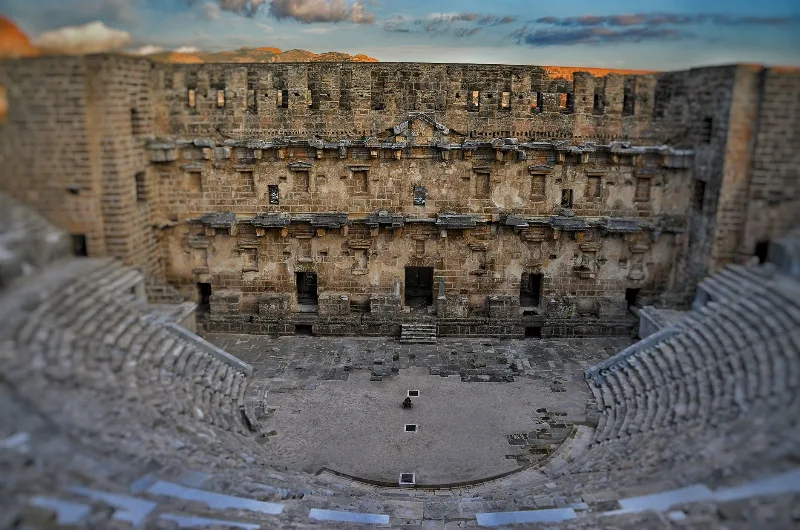
Aspendos
Aspendos is a Pamphylian ancient city near Serik in Antalya Province, dominated by a second-century Roman theatre that survives almost intact. Its aqueduct, acropolis and lower-city ruins sit in the flat farmland of the Köprüçay plain.
Explore →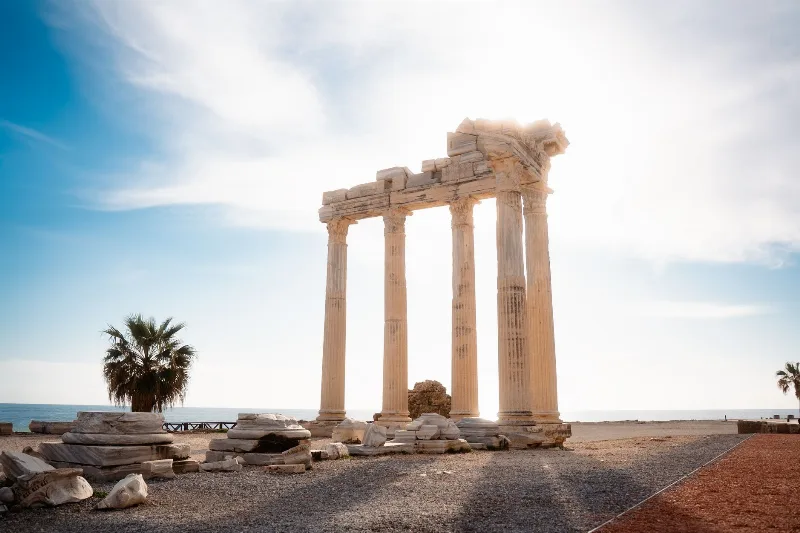
Side
Side is an ancient Greek harbour city on Türkiye's Mediterranean coast, known for the Temple of Apollo, a large Roman theatre and streets of ruins that visitors can still walk through. Its remains sit inside a modern town in the Manavgat district of Antalya Province.
Explore →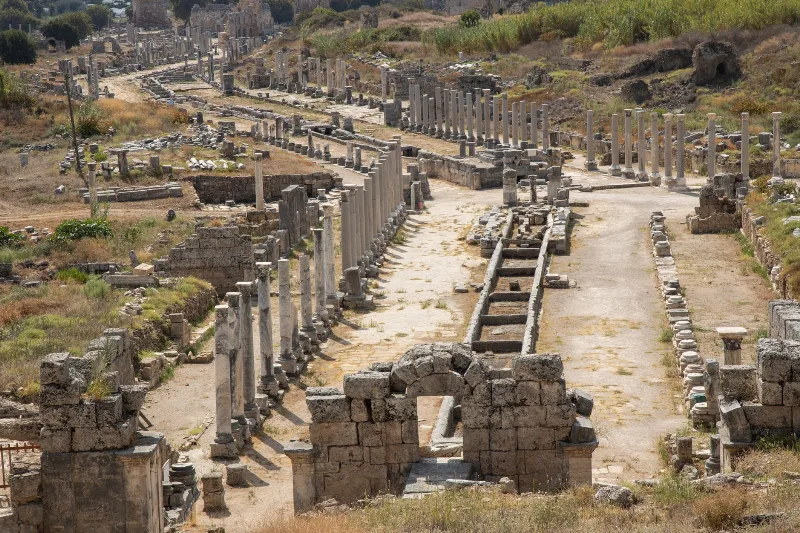
Perge
Perge is an ancient Pamphylian city east of Antalya, whose Hellenistic gates, colonnaded streets, theatre and exceptionally well-preserved stadium make it one of the most legible Roman-era sites in southern Turkey.
Explore →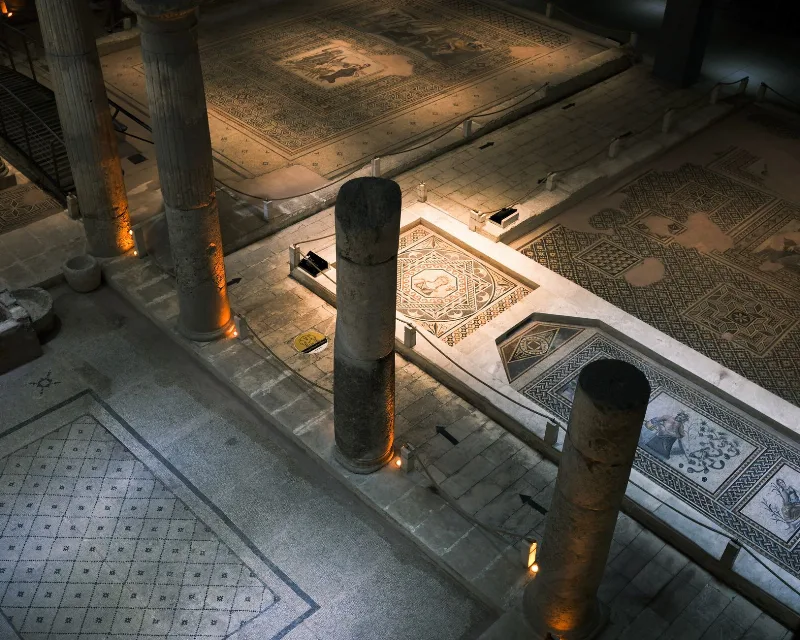
Zeugma
Zeugma was a twin Roman city on the Euphrates in Gaziantep Province, famous for the mosaics recovered from its riverside villas. Here is what the site is, what survives, and what to know before visiting.
Explore →Related content
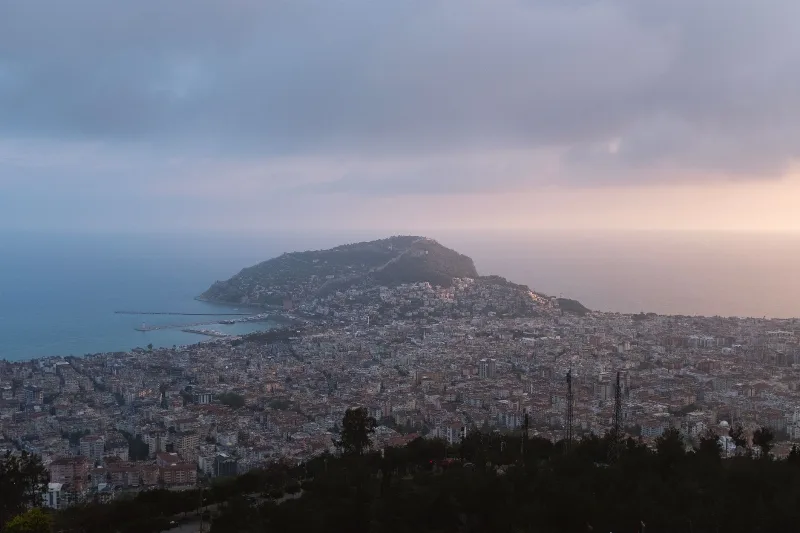
Alanya
Alanya is a district and coastal city in eastern Antalya Province, Türkiye, built around a Seljuk fortress peninsula that carries the Red Tower, a medieval shipyard and an inhabited old town. Long beaches, a mountain backdrop and a long warm season shape its character.
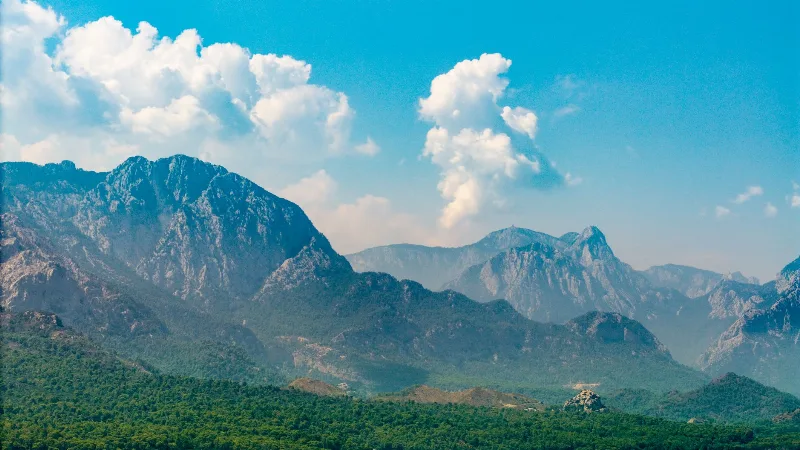
Antalya
Antalya offers a unique blend of vibrant history and stunning natural beauty, making it a must-visit destination in Türkiye.
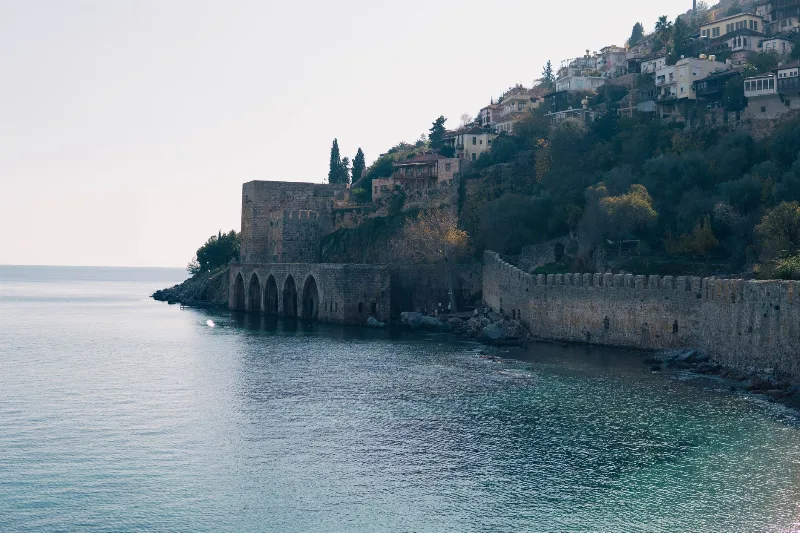
Alanya Castle
Alanya Castle is a 13th-century Seljuk fortress spread across a rocky peninsula above the Mediterranean in Antalya Province, Turkey. Its walls, towers and hilltop citadel form one of the most complete surviving Seljuk defensive complexes in Anatolia.
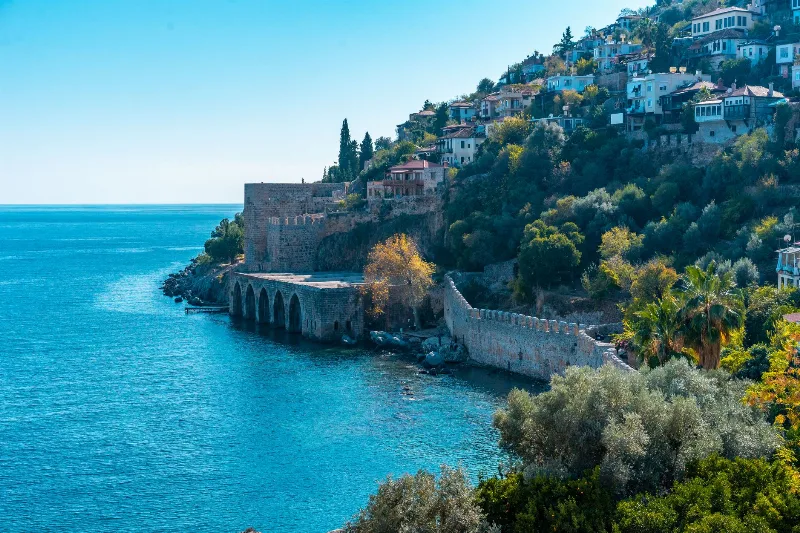
3-Day Alanya and Side Route
A three-day route along Türkiye's eastern Mediterranean coast, starting at Alanya Castle, continuing west to the ancient city of Side, and ending at the Manavgat Waterfalls.
Damlataş
A short, sandy Mediterranean shoreline at the foot of Alanya's limestone headland, taking its name from the cave in the rock above it.
Alanya Castle
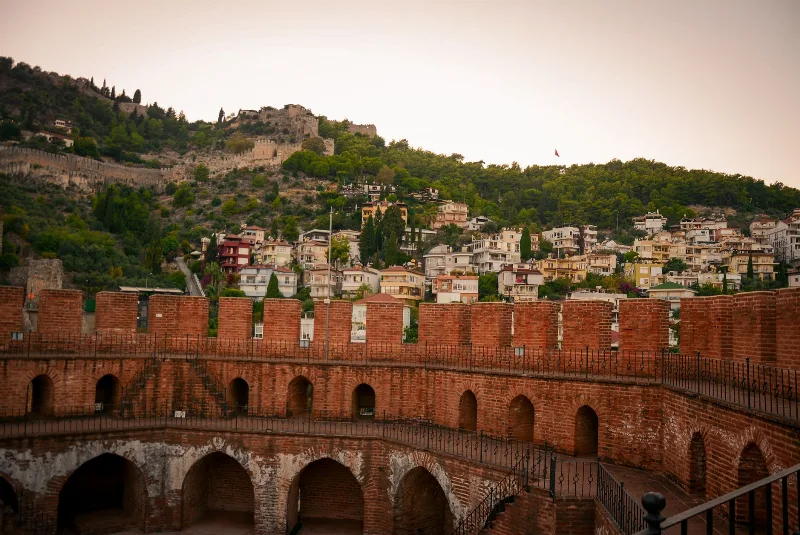
Alanya Castle is a medieval fortress on a rocky Mediterranean promontory in Antalya Province, Türkiye, whose surviving defences were largely built under the Seljuk Sultanate of Rum in the 13th century. Its walls, inner citadel, Red Tower and vaulted shipyard form one of the most complete Seljuk military and maritime complexes in Anatolia.