
Munzur Valley
Munzur Valley National Park in Tunceli Province protects a deep river gorge in the Munzur Mountains, known for endemic wildlife and its significance to Alevi communities in eastern Turkey.
Munzur Valley National Park (Munzur Vadisi Milli Parkı) is a protected area in Tunceli Province in eastern Turkey, established around the gorge cut by the Munzur River through the Munzur Mountains. It is one of the largest national parks in the country, and it is notable for three things at once: a long river valley with cold, clear water; a flora and fauna containing a high number of species found only in this part of Anatolia; and a landscape that Alevi communities of the region regard as sacred. The park begins immediately upstream of the provincial capital, Tunceli, and continues north and east towards the district of Ovacık.
Where the Park Sits in Eastern Turkey
Tunceli Province lies in the Eastern Anatolia region, within the upper basin of the Euphrates. The Munzur River is part of that system, draining a mountainous area that includes the Munzur range and the neighbouring ridges of the eastern Taurus belt. The protected area follows the river corridor rather than forming a compact block, which is why the park feels like a valley rather than a single enclosure.
The town of Tunceli, the provincial centre, sits at roughly 950 metres above sea level on the valley floor. From there the land rises steadily. Peaks in the Munzur Mountains exceed 3,000 metres, and the difference in altitude between the river and the surrounding summits is one of the reasons the valley supports such varied plant life. The province has historically been known as Dersim, a name still widely used in local and cultural contexts.
The Munzur River and the Gorge
The Munzur is fed largely by springs rising from limestone, together with snowmelt from the high ground. That combination keeps the water cold even in midsummer and gives it the pale, mineral clarity that people familiar with the valley associate with it. Downstream of Tunceli the river has cut a narrow passage between steep rock walls, and upstream the valley opens into wider stretches where tributary streams enter from the side valleys.
The landscape is dominated by karst: limestone that has been dissolved and reworked into cliffs, ravines, sinkholes and spring outlets. On the valley sides, the slopes are a mix of exposed rock, scrub and patches of oak woodland, while the flatter ground near the water is used for small-scale farming, orchards and walnut groves in the villages along the corridor. Seasonal variation matters here. In late spring the river runs high and fast; by late summer it drops considerably, exposing gravel bars and making some crossings easier.
Why the Biodiversity Matters
Munzur Valley is consistently described as one of Turkey's most important areas for plant diversity. The combination of altitude range, moisture from the river, rocky substrates and relative isolation has produced a flora with a significant endemic component, meaning species whose global range is limited to this part of Anatolia. Botanists have long treated the Munzur Mountains as a distinct area of interest within Turkish plant geography.
Animal life reflects the rugged terrain. The valley acts as a corridor between higher mountain habitats, and the rocky slopes and cliffs provide cover and nesting ground for birds of prey. Large mammals typical of eastern Anatolian mountains are present in the wider area, and the park's remoteness has helped limit some of the pressures that have reduced wildlife elsewhere. Because the valley is difficult to survey systematically, records are uneven, and new findings continue to be reported.
A Sacred Landscape for Alevi Communities
For Alevi communities in Tunceli and the surrounding districts, the Munzur River and the mountains around it carry religious meaning rather than simply scenic value. The river is treated as sacred, and the name Munzur is connected in local tradition to Munzur Baba, a revered figure in Alevi belief. Visits to shrines and holy places, known as ziyaret, form part of religious practice in the region, and several such sites lie within or near the valley.
This has practical implications for visitors. The valley is not an empty wilderness; it is a lived-in sacred landscape with villages, cemeteries, shrines and sites of commemoration. Behaviour that would be unremarkable in a purely recreational park can cause offence here. Respectful conduct, quiet at religious sites and sensitivity when photographing people and ceremonies are basic expectations.
What You Can Actually See in the Valley
The main experience is the drive or walk along the river corridor itself. The road between Tunceli and Ovacık repeatedly crosses and follows the water, passing through the gorge section where the cliffs close in, then opening into broader stretches with villages and cultivated plots. There is no single monument that defines the park; its character comes from the sequence of rock walls, springs, side valleys and small settlements.
Walking is the way to see more than the roadside. Tracks link villages along the valley and climb towards the higher pastures, where transhumance — the seasonal movement of livestock to summer grazing — has long shaped the landscape. Terrain is rough away from the road: steep gradients, loose stone and paths that are not signed in a uniform way. Anyone planning longer walks should be self-sufficient and should not assume reliable mobile coverage in the side valleys.
Getting There and Getting Around
Tunceli has no airport. The usual approach is by road from Elazığ, which has the nearest airport serving the region, or from Erzincan through the Pülümür valley to the north. Both routes involve mountain roads with long sections of bends, and winter conditions can affect them. Pertek, on the shore of the Keban reservoir, lies on one of the main corridors into the province and is a natural stopping point on the way in from the south.
Within the province, local minibus services connect Tunceli with Ovacık and other district centres, and the valley road is the axis for reaching the villages along the Munzur. Having your own vehicle gives far more flexibility, particularly for stopping at viewpoints or starting a walk. Fuel and supplies are best obtained in Tunceli or Ovacık rather than in the smaller villages.
Weather, Water Levels and the Best Time to Visit
Late spring and early summer are the period when the valley is at its most active: snow is melting on the high ground, the river is full, and the slopes carry wildflowers. Days are generally mild at valley level, though the water is cold enough to make swimming uncomfortable for many people. This is also when the high passes are most likely to be clear of snow.
Midsummer brings hot, dry conditions in the valley bottom and strong sun on exposed rock, with the best walking hours early in the morning and late afternoon. Autumn is quieter and cooler, with clearer air and lower water levels; it is a good period for walking and for seeing the oak woodland change colour. Winter brings snow to the upper slopes, and roads over the higher passes, particularly towards Pülümür and Ovacık, can be closed or difficult. The valley floor remains accessible more often than the surrounding mountains, but conditions can change quickly and locally.
Nearby Places That Pair Naturally With the Valley
Tunceli itself is the practical base for the park and the starting point for the valley road. North-east of the city, Ovacık sits closest to the upper reaches of the Munzur and to the higher mountain terrain. In the Nazımiye district, the sacred site of Düzgün Baba is another location of religious importance to Alevi communities in the province, on a forested mountain rather than in the gorge.
To the south, Pertek and its castle stand on the Keban reservoir, which flooded part of the lower Euphrates valley and changed the geography of the area in the twentieth century. Further west, Mazgirt has a medieval castle and a mosque associated with the thirteenth century, while Çemişgezek and Hozat preserve small historic cores within the same province. Beyond Tunceli, the historic district of Harput and Lake Hazar near Elazığ, and the Pülümür valley towards Erzincan, are the most straightforward extensions of a trip based on the Munzur.
Things to Know Before You Go
- The park is a river corridor, not a gated site with a single entrance; access is by the valley road and village tracks.
- Facilities are limited outside Tunceli and Ovacık, so carry water, food and weather-appropriate clothing.
- Mobile phone coverage is unreliable in the side valleys and on the higher slopes.
- Some areas and sites have religious significance; treat shrines, cemeteries and villages with care and ask before photographing people.
- Terrain away from the road is steep and stony, and paths are not consistently marked.
- Snow can block mountain roads in winter and early spring; check local conditions before travelling.
Related content
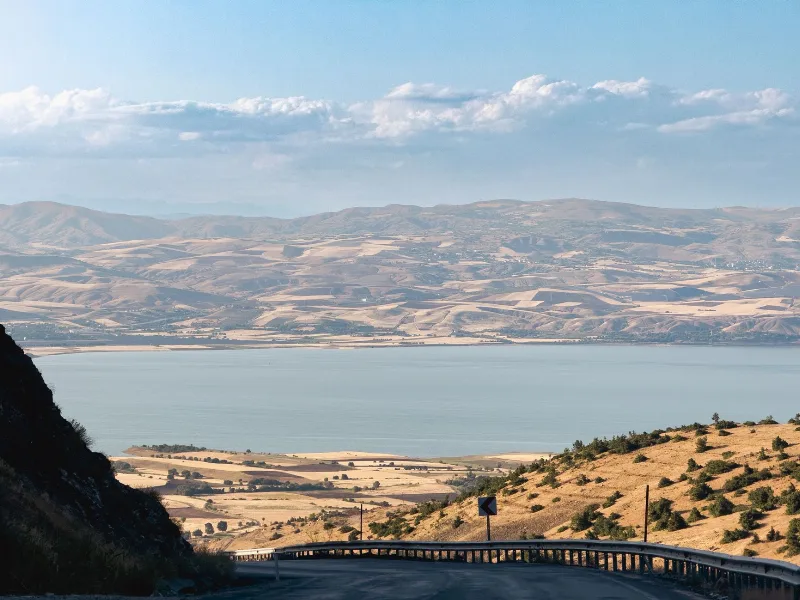
Lake Hazar
Lake Hazar is a deep tectonic lake in Elazığ Province, eastern Türkiye, held in a mountainous basin formed by movement along the East Anatolian Fault Zone and known for its clear, mineral-rich water.
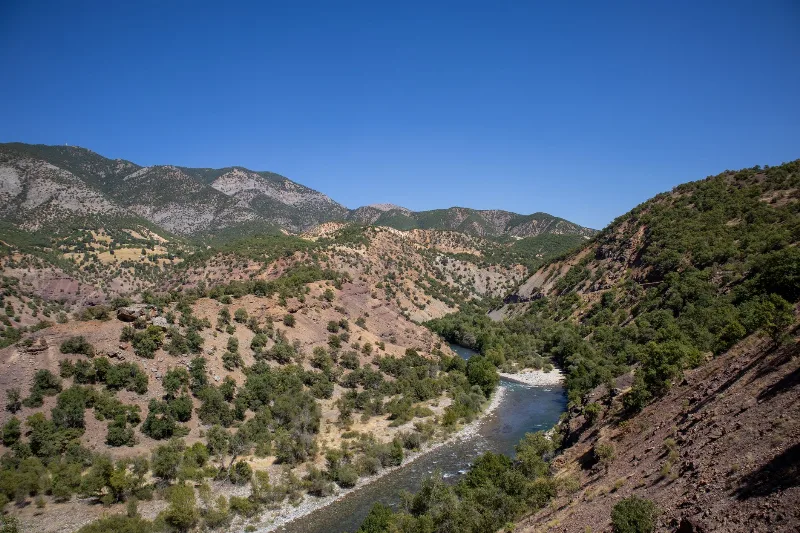
Munzur Valley National Park
Munzur Valley National Park is a large protected area in Tunceli Province, eastern Turkey, built around the Munzur River valley and the high Munzur Mountains, and known for its rugged terrain and rich endemic plant life.
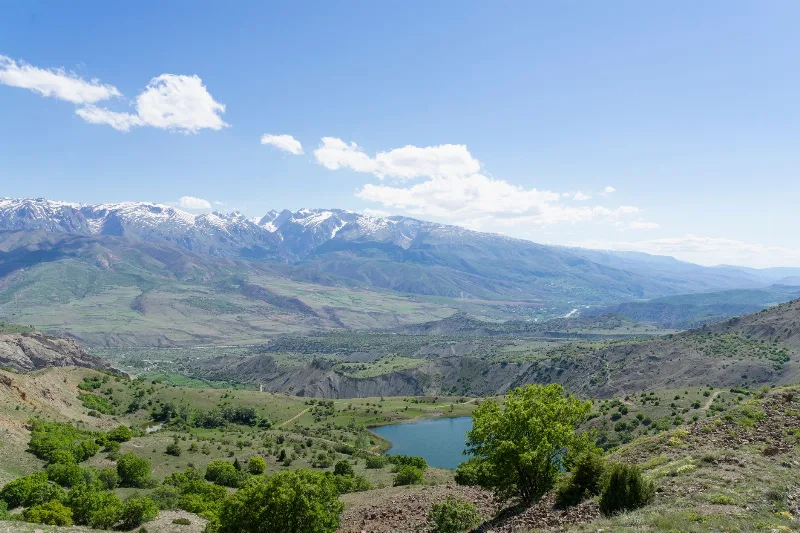
Wildflower Bloom in Munzur Valley, Tunceli
The Munzur Valley in Tunceli hosts one of eastern Türkiye's longest and most varied wildflower seasons, unfolding from spring into summer as melting snow climbs the mountainsides. Its altitude-staggered bloom makes the valley a notable destination for plant diversity.
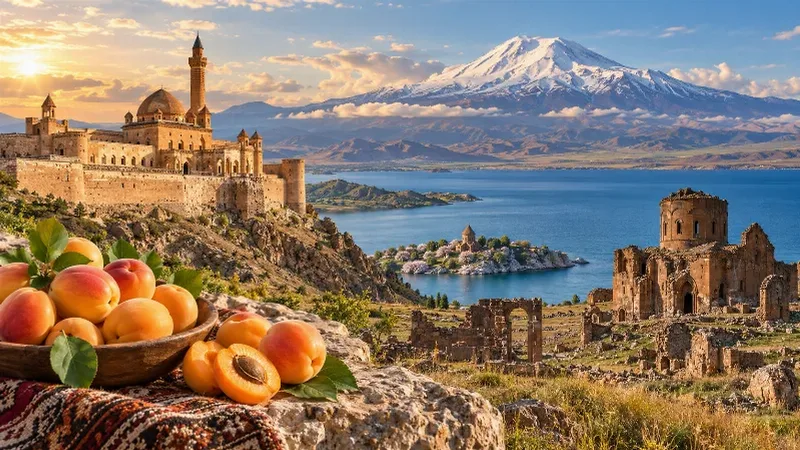
Eastern Anatolia Region
Eastern Anatolia is a region of majestic mountains, vast highlands, beautiful lakes and ancient cultural heritage. Home to Mount Ararat, Lake Van and historic settlements, it offers some of Türkiye's most dramatic natural landscapes alongside distinctive architecture, local traditions and regional cuisine.
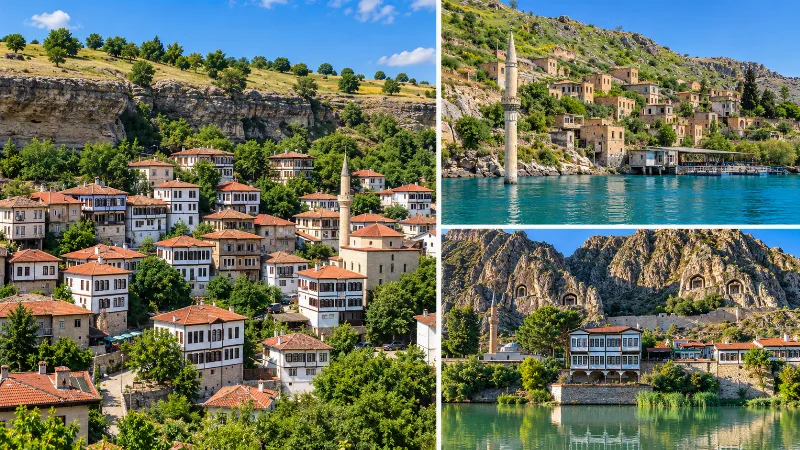
Exploring Turkey Beyond the Best-Known Destinations
A look beyond Turkey’s most famous destinations to smaller towns, villages, coastlines, highlands and historic landscapes across the country.
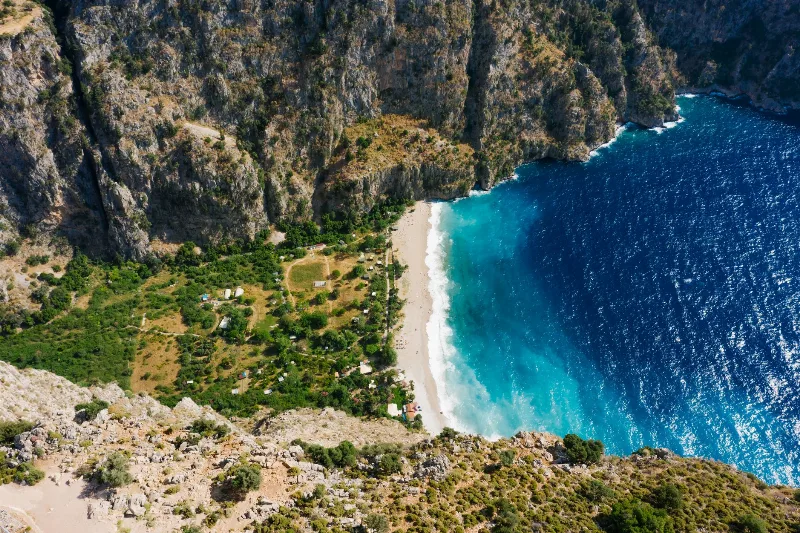
Butterfly Valley
Butterfly Valley in Fethiye, Türkiye is a stunning natural reserve accessible by boat, known for its diverse butterfly species and dramatic cliffs.