
1-Day Istanbul Historic Peninsula Route
Explore Istanbul's Historic Peninsula in one day on foot, visiting Hagia Sophia, the Blue Mosque, Topkapı Palace, and the Grand Bazaar. This compact walking route covers the highlights of Sultanahmet with a logical, easy-to-follow order.
This one-day walking route explores the heart of Istanbul's Historic Peninsula, a UNESCO World Heritage Site. It begins at Hagia Sophia and ends at the Grand Bazaar, covering the main highlights of the Sultanahmet area. The journey is entirely on foot, requiring no public transport or driving, and takes approximately one full day. You will visit Hagia Sophia, the Blue Mosque, Topkapı Palace, and the Grand Bazaar, all within a compact and historically rich district. The route is linear, progressing from the eastern edge of the peninsula toward its commercial center, and is best suited to travellers who enjoy walking and immersing themselves in layers of Byzantine and Ottoman history.
Day 1: Walking the Historic Peninsula
This itinerary is designed to be followed on foot, with stops spaced closely enough to allow unhurried exploration. Start early to avoid crowds and to make the most of the day. The order of visits is logical: Hagia Sophia and the Blue Mosque face each other across Sultanahmet Square, Topkapı Palace is adjacent to Hagia Sophia, and the Grand Bazaar lies a short walk to the west. All stops are within the same district, so you can easily return to any point if you wish.
Morning: Hagia Sophia and Sultanahmet Square
Begin your day at Hagia Sophia, one of the world's greatest architectural achievements. Built in the 6th century as a cathedral, it later served as a mosque and is now a functioning mosque and museum. Its massive dome, intricate mosaics, and vast interior are awe-inspiring. As it is an active place of worship, visitors should dress modestly, cover their heads (scarves are available at the entrance), and avoid prayer times. After exploring Hagia Sophia, spend some time in Sultanahmet Square, the former Hippodrome of Constantinople. Here you can see the Obelisk of Theodosius, the Serpent Column, and the German Fountain. This square was the social and political heart of the Byzantine city, and it remains a lively gathering place. The square is easily reached by tram, but once here, everything is walkable.
Late Morning: The Blue Mosque
From Sultanahmet Square, walk a few minutes to the Blue Mosque, officially known as the Sultan Ahmed Mosque. It was built in the early 17th century and is famous for its hand-painted blue tiles that adorn the interior walls, as well as its six minarets. The mosque is still active, so entry is through a side door, and women are required to cover their heads. The interior is breathtaking, with thousands of Iznik tiles and a vast prayer hall. Because it is so close to Hagia Sophia, it makes sense to visit next, allowing you to compare the two architectural styles. After your visit, you might take a short break in the park between the two monuments.
Afternoon: Topkapı Palace
Continue your walk to Topkapı Palace, the primary residence of the Ottoman sultans for nearly 400 years. The palace complex is extensive, with four courtyards, the Harem, the Treasury, and the Pavilion of the Holy Mantle. Highlights include the Spoonmaker's Diamond, the Topkapı Dagger, and the views over the Bosphorus and the Golden Horn from the Fourth Courtyard. Allow at least two to three hours to explore properly. The palace entrance is just behind Hagia Sophia, so the progression from the mosque to the palace is seamless. This is also a good place to pause for lunch, as there are cafes within the palace grounds, though you may prefer to eat outside to save time.
Late Afternoon: The Grand Bazaar
After the palace, head west along Divan Yolu or through the back streets toward the Grand Bazaar. The walk takes about 15 to 20 minutes and passes through the lively neighborhood of Çemberlitaş. The Grand Bazaar is one of the largest and oldest covered markets in the world, with over 4,000 shops spread across 61 streets. It is divided into areas specializing in leather, jewelry, carpets, and textiles. Even if you are not shopping, the atmosphere is intoxicating: the smell of spices, the calls of merchants, and the labyrinthine corridors. Be prepared to bargain and to get lost—half the fun is in the wandering. Keep an eye on your belongings in the crowds. The bazaar is typically open on most days, but check local schedules for current opening times. This is a fitting end to the day, as you can exit near Beyazıt Square and easily find transport or continue exploring nearby areas like the Spice Bazaar in Eminönü.
Evening: Return or Extend
If you still have energy, you can walk back through the illuminated streets of Sultanahmet, which are safe and atmospheric in the evening. Alternatively, you could extend your day by visiting the Spice Bazaar or the New Mosque in Eminönü, both a short tram ride or a pleasant walk downhill. For a taste of local flavor, try a simit (sesame-crusted bread ring) or a cup of Turkish coffee in one of the many small establishments. However, the main one-day route officially concludes at the Grand Bazaar.
Best Time to Walk This Route
Spring (April to May) and autumn (September to October) offer the most comfortable weather for walking, with mild temperatures and fewer crowds. Summer can be hot and humid, so start early in the morning and carry water. Winter is less crowded but can be chilly and rainy, so dress in layers and bring an umbrella. The route is entirely on foot and covers a few kilometers over uneven cobblestones and some gentle hills. Comfortable shoes are essential. Since the area is a major tourist hub, expect crowds year-round, especially around midday. The route is linear, but you can easily retrace your steps or use the tram to return to your starting point.
Remarkable Places
See all places →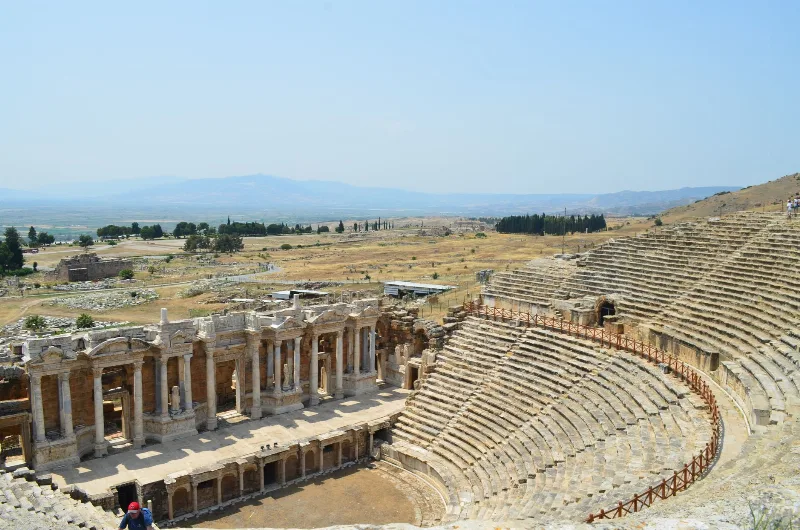
Letoon
Letoon is a Lycian sanctuary near Xanthos in Muğla Province, dedicated to Leto, Artemis and Apollo. Its three temples, theatre and trilingual inscription make it one of southwestern Turkey’s most significant archaeological sites.
Explore →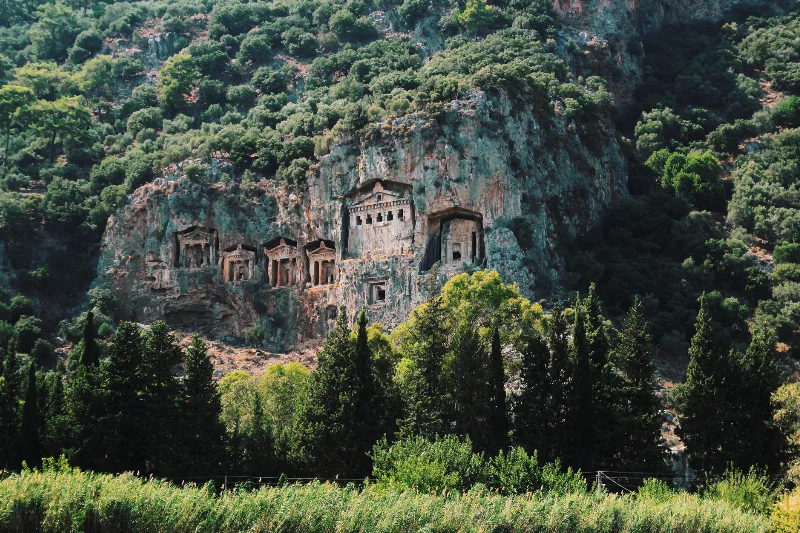
Kaunos
Kaunos is an ancient Carian city on the Dalyan River in Muğla Province, known for its temple-style rock-cut tombs and the extensive ruins of a harbour that silted up centuries ago.
Explore →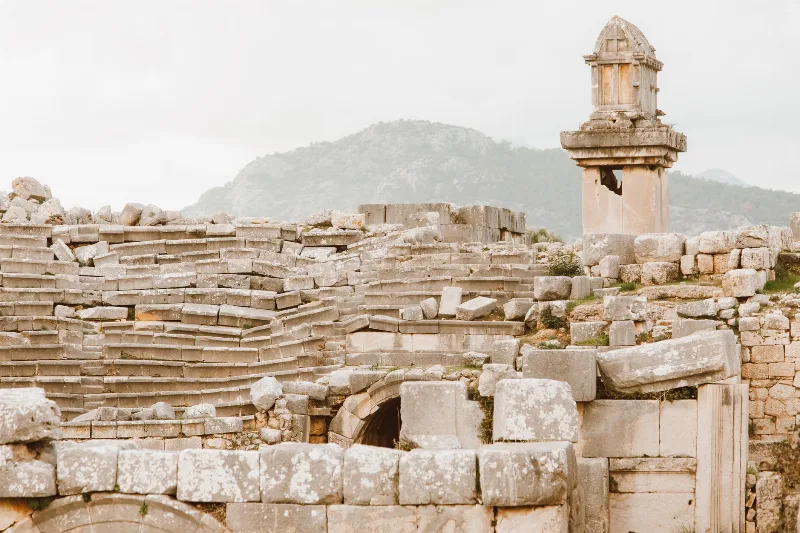
Xanthos
Xanthos is an ancient Lycian city in Antalya Province and a UNESCO World Heritage Site, known for its Lycian tombs, Roman theatre and role as a leading city of Lycia.
Explore →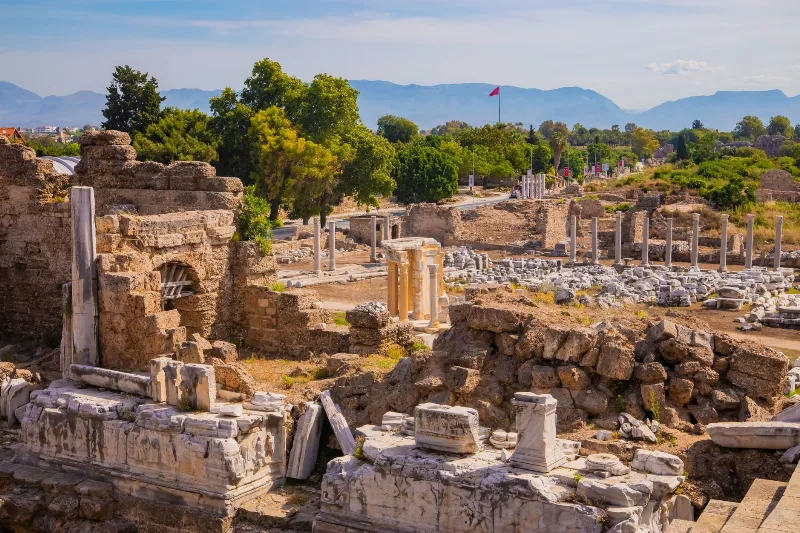
Phaselis
Phaselis is a Rhodian-founded port city on the eastern Lycian coast, where paved streets, agoras, baths and a small theatre stand among pines between three sheltered bays.
Explore →Related content
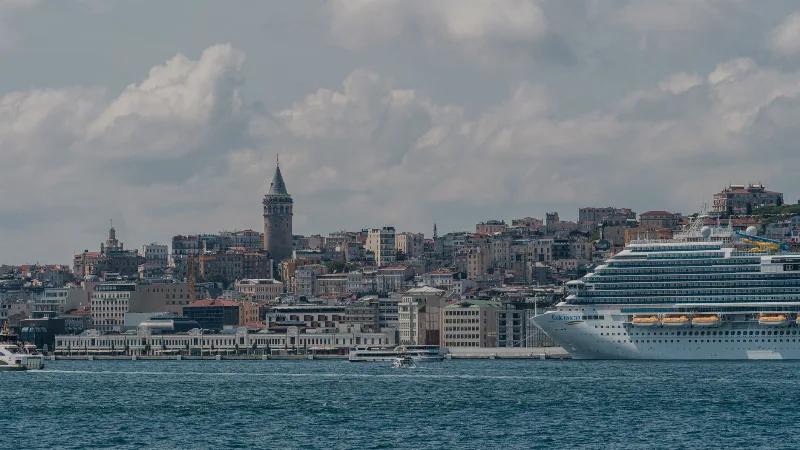
Istanbul
Istanbul is Türkiye's largest city and the country's only metropolis that spans two continents, divided by the Bosphorus strait into a European and an Asian half. Its long run as an imperial capital left a historic core of palaces, mosques and bazaars that still shapes the city's identity.
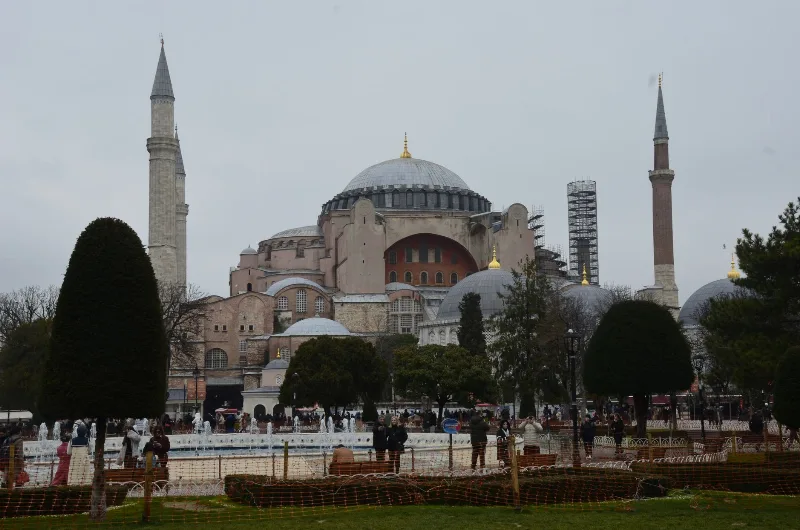
Hagia Sophia
Hagia Sophia in Istanbul is a monumental religious building begun under the Byzantine emperor Justinian I in 537 CE, later converted into an Ottoman mosque and today serving again as a mosque and UNESCO-listed monument.
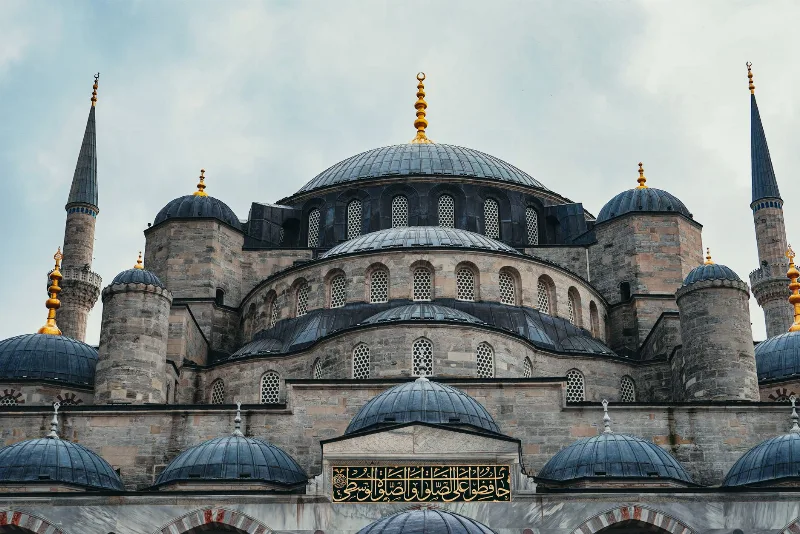
Blue Mosque
The Blue Mosque, known formally as the Sultan Ahmed Mosque, is an early 17th-century Ottoman mosque in Istanbul famous for its hand-painted blue Iznik tiles and six minarets.
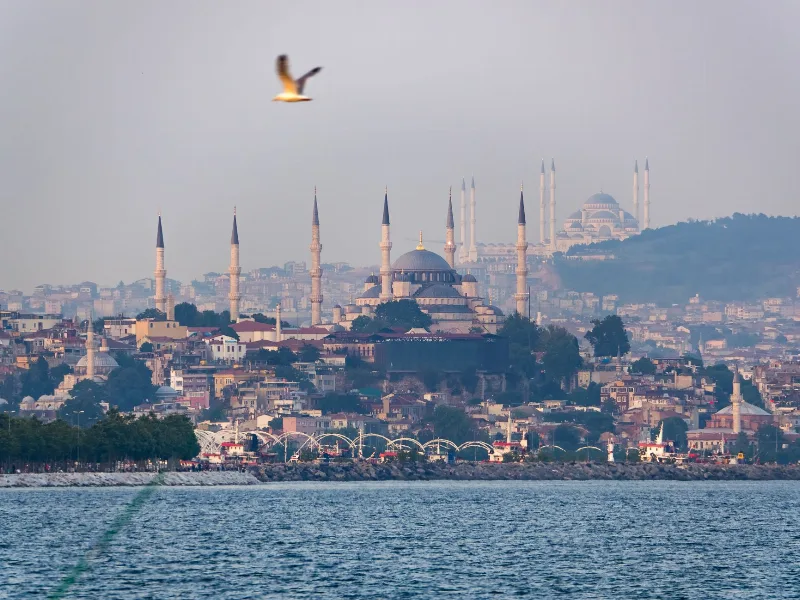
Istanbul's Historic Sultanahmet
Sultanahmet is Istanbul's historic core, a walkable peninsula of Byzantine and Ottoman monuments facing the Bosphorus and the Sea of Marmara.
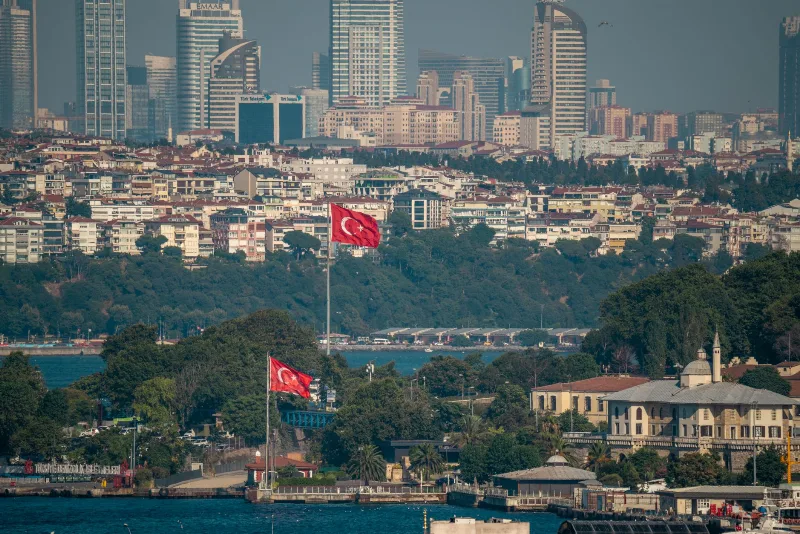
Cities in Türkiye
Discover Türkiye's vibrant cities, each offering unique traditions and sights, making them captivating travel destinations.
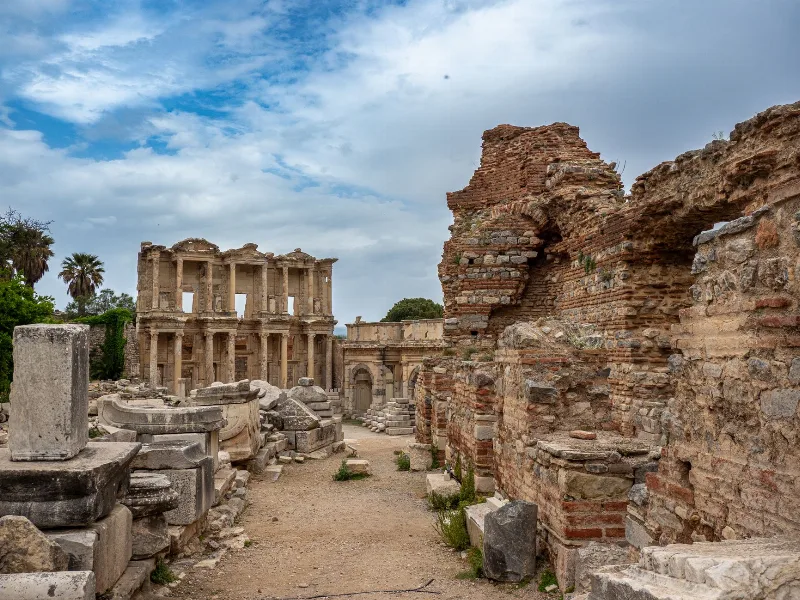
Historic Places in Türkiye
Discover Türkiye's rich history through its ancient cities and iconic landmarks.