
Seasonal Experiences
Harvests, festivals, natural seasons and local events throughout the year.
Seasonal change is visible throughout Türkiye in vegetation, agriculture, weather, water levels and local activity. Because the country spans different climate zones and major variations in elevation, spring, summer, autumn and winter do not arrive simultaneously in every region.
Spring begins earlier along the Mediterranean and Aegean coasts, where rising temperatures bring flowering vegetation and renewed agricultural activity. In inland and mountain areas, spring develops later as snow retreats from higher elevations. Orchards blossom, river flow increases and grasslands become greener during this period.
In Istanbul and several other cities, tulips are closely associated with spring planting. Rural areas display different seasonal flowering according to local agriculture and natural vegetation. Fruit trees, wildflowers and cultivated fields create distinctive spring landscapes in many provinces.
Summer introduces a new set of agricultural and natural patterns. Lavender fields around Isparta and nearby districts enter their flowering period, covering agricultural fields with purple rows. Sunflower fields, orchards, vineyards and cereal crops also change appearance as the growing season advances.
Coastal regions experience their warmest period during summer. Mediterranean and Aegean beaches, bays and islands have long daylight hours and high temperatures, while mountain regions become more accessible after winter snow has retreated.
Agricultural harvest periods vary by crop. Tea in the eastern Black Sea is collected during several harvest periods. Hazelnut harvesting takes place during late summer in major producing regions. Apricots, figs and other fruits follow local seasonal cycles depending on altitude and climate.
Autumn brings another substantial change to the landscape. Vineyards enter grape harvest, olive harvesting begins in western and southern districts, and fruit-growing regions complete different parts of their agricultural calendar. Forest colours change particularly in cooler and more humid regions.
Winter is most pronounced in Central and Eastern Anatolia and at high elevations. Snow can remain on mountain ranges for extended periods, while plateaus and inland cities experience freezing temperatures. Lower Mediterranean and Aegean coastal areas generally have milder winters.
Festivals, harvest events and local traditions frequently follow these seasonal cycles. Their timing may be connected to agricultural production, flowering periods, historical calendars or climatic conditions. As a result, the same location may display markedly different landscapes and patterns of activity at different times of the year.
Seasonal experiences
All Seasons →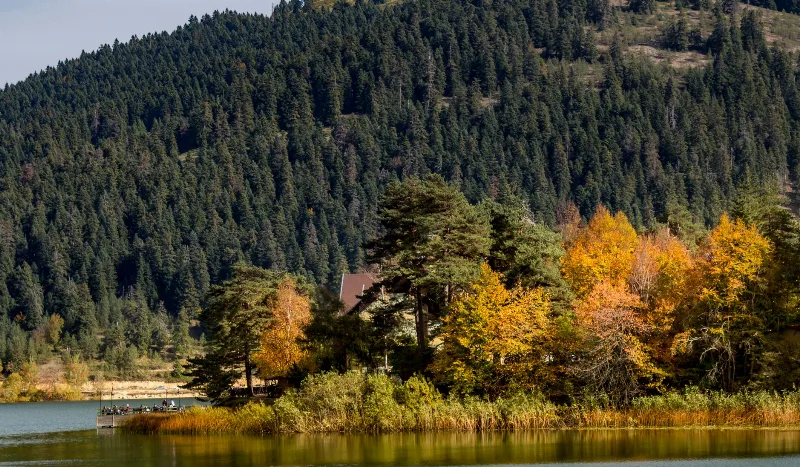
Autumn in Lake Abant, Bolu
From about October into November, the broadleaf woodland around Lake Abant in Bolu turns yellow, orange and red while the fir and pine stands around the shoreline stay dark green. The colour period lasts only a few weeks and shifts each year with temperature, rainfall and wind.
Explore →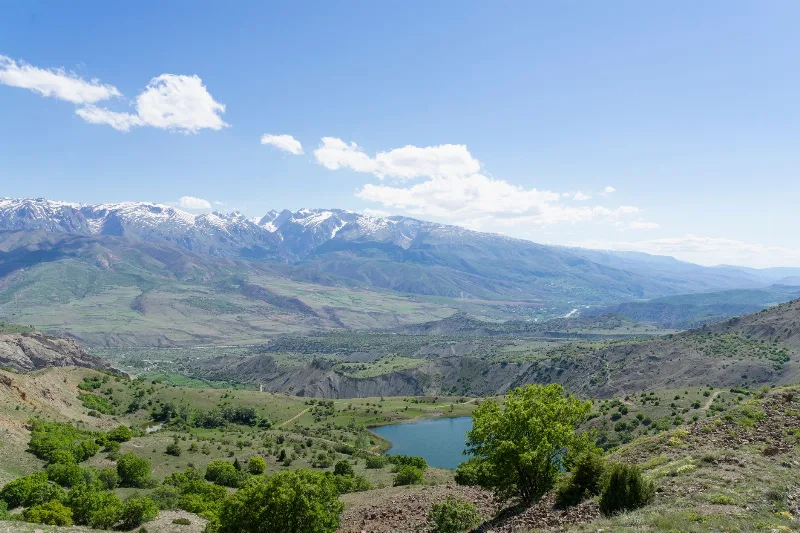
Wildflower Bloom in Munzur Valley, Tunceli
The Munzur Valley in Tunceli hosts one of eastern Türkiye's longest and most varied wildflower seasons, unfolding from spring into summer as melting snow climbs the mountainsides. Its altitude-staggered bloom makes the valley a notable destination for plant diversity.
Explore →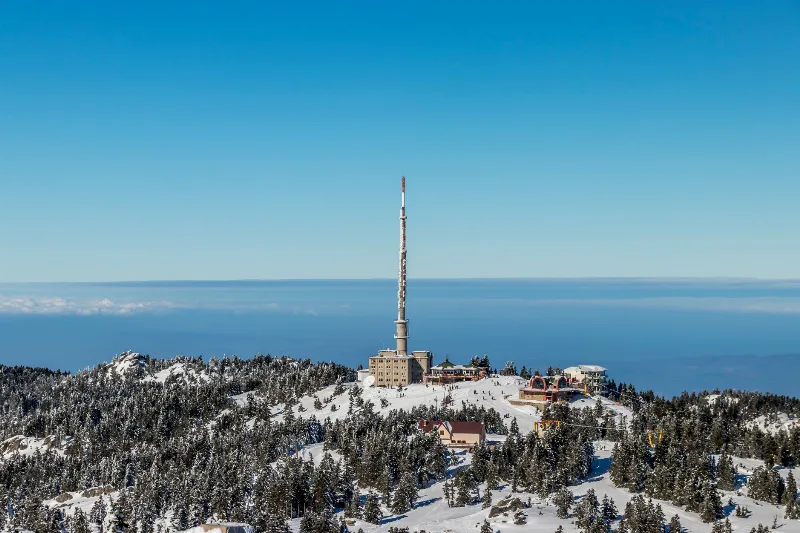
Snow Season in Uludağ, Bursa
Uludağ, the mountain rising above Bursa, holds a continuous snowpack that generally runs from December to March, making it one of Turkey's longest-established winter landscapes. The season depends on altitude and annual weather, so exact dates shift from year to year.
Explore →Related content
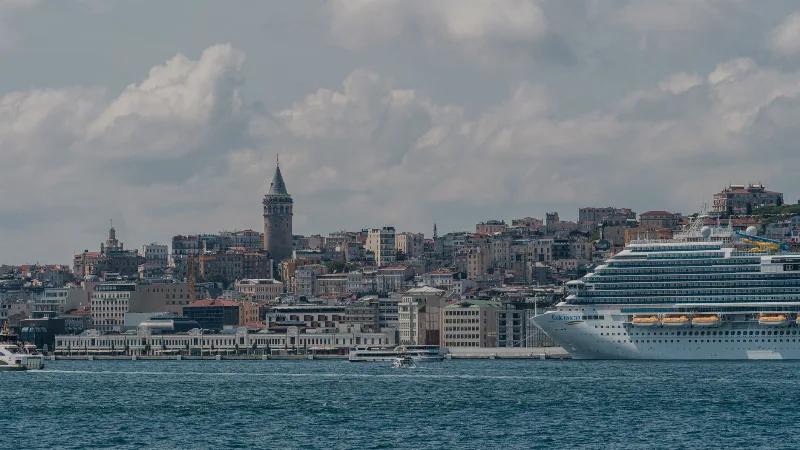
Istanbul
Istanbul is Türkiye's largest city and the country's only metropolis that spans two continents, divided by the Bosphorus strait into a European and an Asian half. Its long run as an imperial capital left a historic core of palaces, mosques and bazaars that still shapes the city's identity.
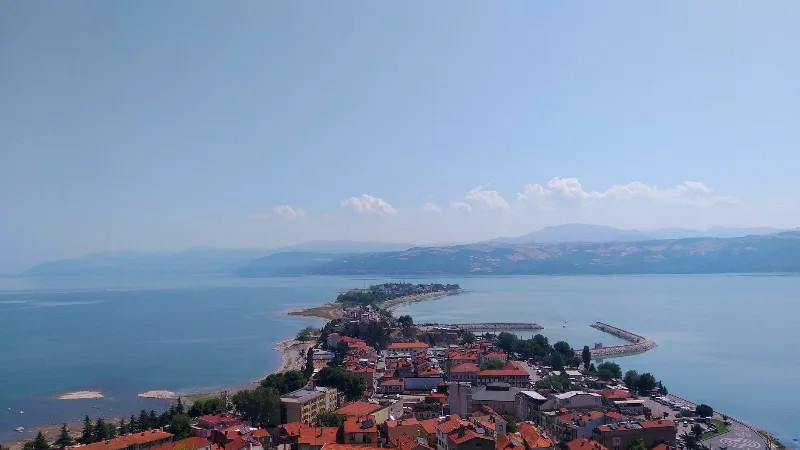
Isparta
Isparta is a city in southwestern Türkiye, renowned for its rose oil production and apple orchards. It serves as a hub for the Lakes Region, with Lake Eğirdir and several natural parks nearby.
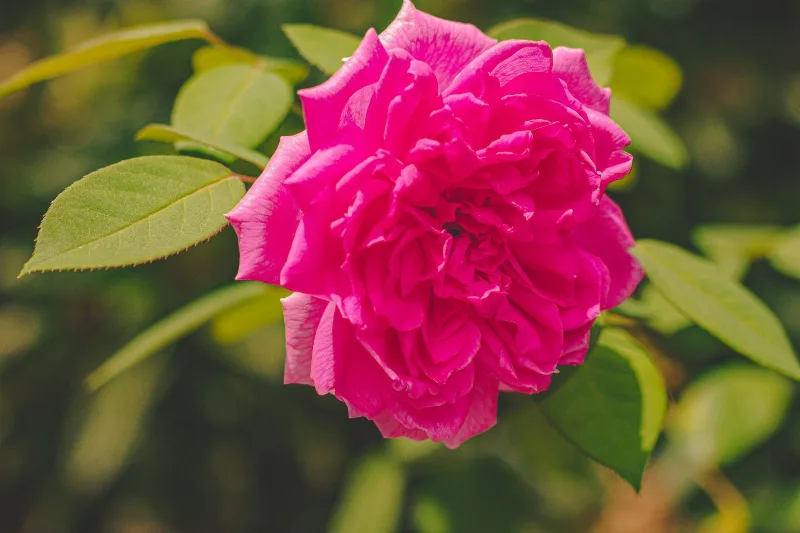
Rose Harvest in Isparta
The rose harvest in Isparta, Turkey, typically occurs in late May and June, when Damask rose fields are in full bloom. This short season is essential for rose oil and rose water production, and visitors can observe the traditional harvesting and distillation process.
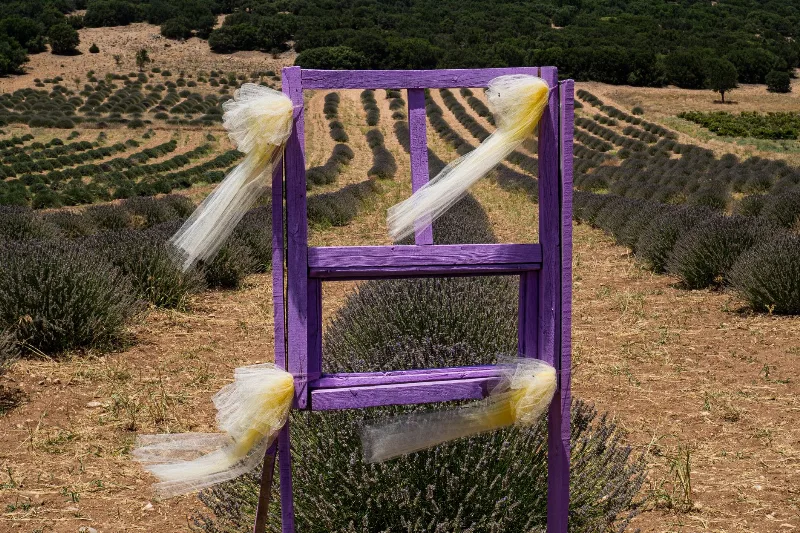
Lavender Bloom in Kuyucak, Isparta
Each summer the village of Kuyucak in Isparta province turns purple as its lavender fields come into full flower, usually from July into August. The bloom is short, weather-dependent, and tied directly to the harvest that follows it.
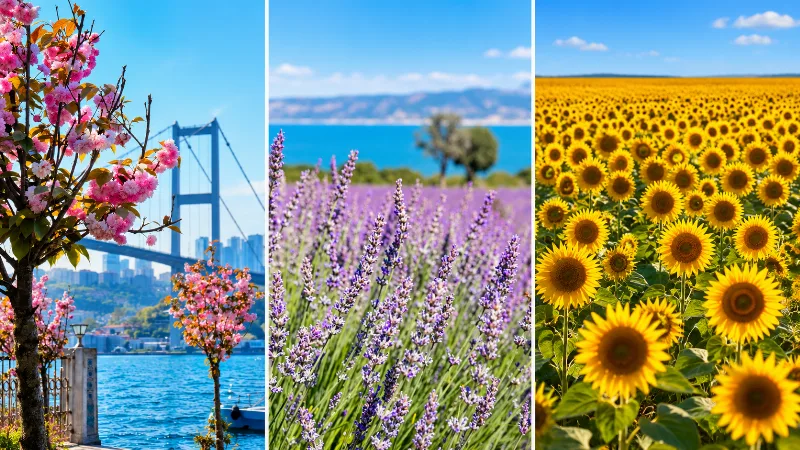
Spring in Turkey
From flowering valleys and green highlands to mild coastal towns, spring changes the landscape across different regions of Turkey.
İsparta Roses
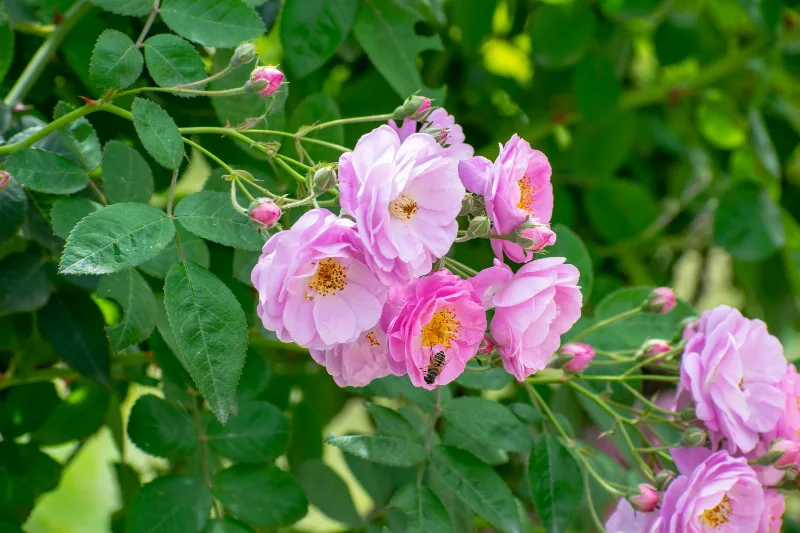
İsparta roses are the Damask rose grown around Isparta in southwestern Türkiye, where a dry, high-altitude climate and snow-fed soils give the flowers enough essential oil to support a long-standing rose oil and rose water industry.