
Rose Harvest in Isparta
The rose harvest in Isparta, Turkey, typically occurs in late May and June, when Damask rose fields are in full bloom. This short season is essential for rose oil and rose water production, and visitors can observe the traditional harvesting and distillation process.
The rose harvest in Isparta, Turkey, is a seasonal event that typically occurs in late May and June, when the fields of Damask roses reach full bloom. This period is critical for the production of rose oil and rose water, and it offers a chance to see the traditional harvesting and distillation processes that have defined the region's agricultural identity for generations. The timing is not fixed; it shifts slightly each year depending on spring weather conditions.
The Timing of the Isparta Rose Harvest
Damask roses, the variety grown in Isparta for oil production, bloom once a year. The harvest generally begins in late May and continues through June, but the exact start and duration can vary by one to two weeks from year to year. The trigger is the accumulation of warm temperatures after winter. A mild spring can bring early flowering, while a cool or wet spring may delay it. The harvest window is short—often only a few weeks—because the flowers must be picked at peak bloom when the essential oil content in the petals is highest. After that, the quality declines rapidly.
How Weather Shapes the Season
Isparta lies in a transitional climate zone, with influences from both the Mediterranean and continental systems. Spring weather is unpredictable. Rain can interrupt picking, and excessive moisture may affect oil quality. Heat can accelerate the bloom, compressing the harvest into a shorter period. Growers monitor the fields daily to decide when to start. Because of this, no fixed date can be guaranteed; the season is best understood as a window that moves with nature.
What Happens During the Rose Harvest
Harvesting begins at dawn, when the air is cool and the essential oil concentration in the petals is at its peak. Pickers move through the rows, collecting the blossoms by hand. The flowers are then transported to distilleries, where they are processed the same day to extract rose oil and rose water. The work is intensive and time-sensitive, as delays can reduce the yield and fragrance of the final product.
Harvesting and Distillation
Traditional distillation uses copper stills heated by steam. The roses are loaded into the still, and steam passes through the petals, carrying the volatile oils. After condensation, the oil is separated from the water. Rose water is a byproduct and is also highly valued. This process has been practiced in the region for generations, and the methods remain largely unchanged, though some modern equipment is now used. The entire operation—from field to still—takes place within a few hours of picking.
The Rose Fields in Bloom: What the Landscape Looks Like
During the harvest, the countryside around Isparta is transformed. Vast fields of Damask roses, with their deep pink to crimson petals, stretch across the rolling hills. The bushes are usually planted in neat rows, creating a patchwork of colour. The air is filled with a strong, sweet fragrance that can be detected from a distance. In the background, the mountains of the Lakes District provide a scenic backdrop. The bloom is not just a visual spectacle; it is the result of a specific agricultural cycle that has shaped the local landscape.
Why the Season Matters for Rose Oil and Rose Water
Isparta is one of the world's leading producers of rose oil, also known as attar of roses. The oil is used in perfumes, cosmetics, and aromatherapy, while rose water is used in food, beverages, and skincare. The harvest season is economically vital for the region, supporting thousands of families. The timing of the harvest directly affects the quality and quantity of the oil. If the flowers are picked too early or too late, the oil yield and scent profile suffer. This is why the season is watched so closely.
What Visitors Can Expect to See
Visitors traveling through Isparta during late May and June can observe the fields in full bloom. In the early morning, they may see harvesting activity, though this is a working agricultural scene, not a tourist attraction. Some local distilleries may allow visitors to watch the distillation process, but this is not guaranteed and depends on the producer. The main experience is the landscape itself: the sea of roses, the aroma, and the traditional rural life. There are no large organised tours, and the harvest is not a festival.
Practical Considerations for Timing a Visit
Because the exact timing varies annually, it is best to plan for the last week of May through mid-June. Checking local sources or contacting regional agricultural offices can help confirm the current bloom status. The terrain can be hilly, and spring weather may bring rain, so sturdy footwear is useful. Temperatures are generally mild to warm, but mornings can be cool. Rainfall can make fields muddy, and heat can set in by afternoon. The season is short, so flexibility is key.
Nearby Places and the Wider Rose-Growing Area
The rose fields are concentrated in the plains and lower slopes around Isparta city, extending into nearby villages and districts. The region is part of the Turkish Lakes District, and other seasonal events follow later, such as the lavender bloom in Kuyucak in July. The rose harvest is the first major floral event of the summer, marking the transition from spring to the warmer months. While the exact locations of fields can change from year to year due to crop rotation, the general area remains the same.
EXPLORE BY THEME
All themes →

Related content
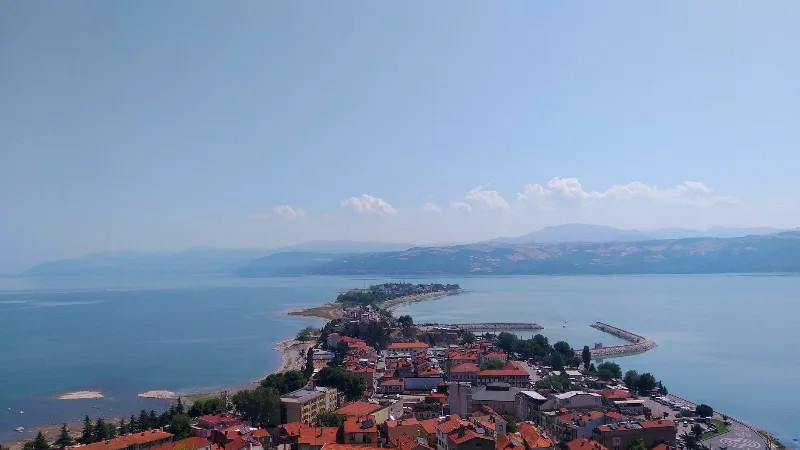
Isparta
Isparta is a city in southwestern Türkiye, renowned for its rose oil production and apple orchards. It serves as a hub for the Lakes Region, with Lake Eğirdir and several natural parks nearby.

The Rose Harvest in Isparta
Every spring the gardens around Isparta in Türkiye blush with Damask roses, and the picking begins long before dawn. It is a season of pink fields, copper stills and a fragrance that follows you through the streets.
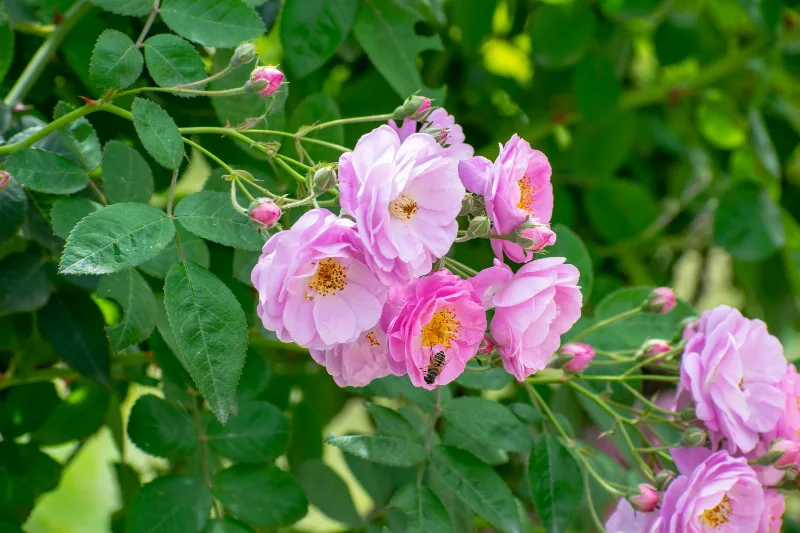
İsparta Roses
İsparta roses are the Damask rose grown around Isparta in southwestern Türkiye, where a dry, high-altitude climate and snow-fed soils give the flowers enough essential oil to support a long-standing rose oil and rose water industry.
Isparta Rose Gardens and Rose Oil Distillation
The rose gardens around Isparta supply the Damask petals from which one of the world's most precious essential oils is drawn, using copper stills and methods passed down through generations of local families.
Isparta Lavender
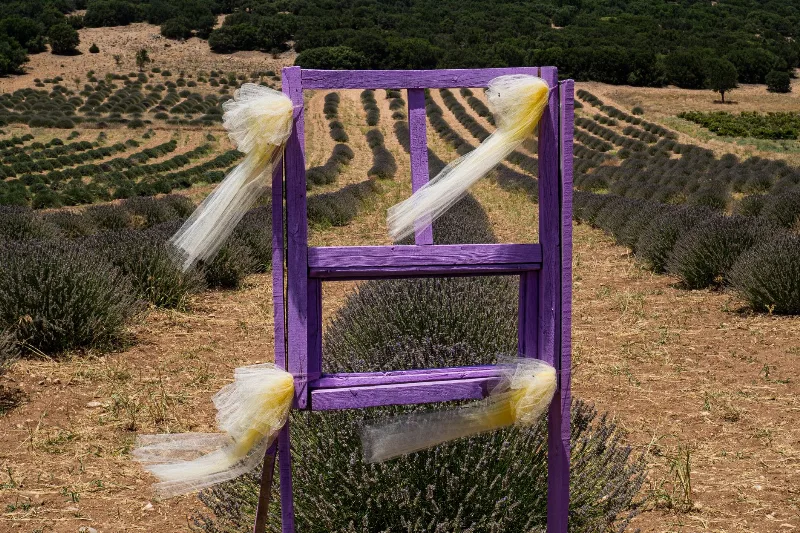
Isparta lavender is the aromatic crop grown on the high, dry plateaus of Isparta province in southwestern Türkiye, where calcareous soils and sun-drenched summers produce essential oil, dried flowers and a purple summer landscape.
Isparta Cherries
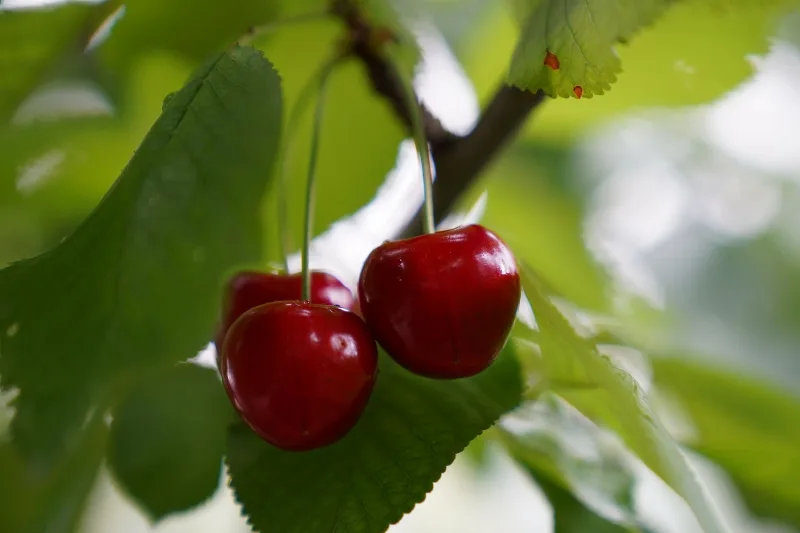
Isparta cherries are the sweet cherries of Türkiye's Lakes Region, grown on high ground where cold winters and dry, sunlit summers give the fruit its size and sweetness.