
Isparta Lavender
Isparta lavender is the aromatic crop grown on the high, dry plateaus of Isparta province in southwestern Türkiye, where calcareous soils and sun-drenched summers produce essential oil, dried flowers and a purple summer landscape.
Isparta lavender is the lavender cultivated in and around Isparta province in southwestern Türkiye, most closely associated with the villages of the Keçiborlu district, above all Kuyucak. The plant is grown for its essential oil, its dried flowers and the distilled lavender water that comes from the same stills. What ties the crop so firmly to this particular corner of Anatolia is the combination of a dry, sunny growing season, cold but manageable winters, high elevation and thin, stony, lime-rich soils — conditions close to the Mediterranean hillsides where lavender has been cultivated for centuries. Much of Türkiye's lavender is grown in Isparta province, and within the province the crop is concentrated in a handful of upland villages rather than spread evenly across the landscape.
Where Isparta Lavender Is Grown
The heart of lavender cultivation lies in the Keçiborlu district, west of the city of Isparta, where Kuyucak and neighbouring villages have turned large tracts of former grain and fallow land over to lavender. Fields also extend into other parts of the province and into neighbouring Burdur, since the two provinces share the same upland topography and climate. This is the Lake District of Türkiye, a plateau region dotted with freshwater lakes and ringed by the western Taurus Mountains. Fields sit at roughly a thousand metres and above, on gently sloping ground that drains freely. From late June the slopes turn from grey-green to a dense violet, a colour that has become as recognisable in Isparta as the pink of the oil rose in late spring.
Why the Lakes Region Suits Lavender
Lavender is a Mediterranean shrub by nature, and it performs poorly where soils stay wet or where humidity lingers. The Isparta plateau answers both concerns. Rainfall is modest and falls mainly in winter and spring, while summers are hot, bright and almost rainless — the plant's main growing and flowering period coincides with its driest months. The soils are typically calcareous, shallow and stony, with limestone bedrock close to the surface, so water moves through quickly and roots are never left standing in moisture. Cold winters are not a problem for a hardy shrub, and the altitude produces a wide day–night temperature swing in summer that slows excessive vegetative growth and encourages concentrated flowering. In short, the land here is better suited to a drought-tolerant aromatic shrub than to thirsty field crops, which is precisely why lavender displaced cereals on so many slopes.
How Lavender Reached Isparta
Lavender is a comparatively recent arrival in the province. Isparta's established aromatic crop is the oil rose, grown for rose oil and rose water, and the distillation equipment and expertise tied to that industry were already in place. Lavender is reported to have been introduced to Kuyucak in the 1970s, when seedlings were brought into the village and planted on a small scale. It then spread gradually, field by field, as growers saw that the shrub survived the dry summer and produced a saleable oil. The crop's rise accelerated in the following decades, and Kuyucak is now widely known as a lavender village, with a summer festival held when the fields are in full bloom.
The Plant and Its Growing Cycle
Lavender is a woody-based perennial of the mint family, forming a compact bush of narrow, grey-green leaves. Growers in the region plant both true lavender (Lavandula angustifolia) and lavandin (Lavandula × intermedia), the naturally occurring hybrid between true lavender and spike lavender. True lavender is valued for a finer, softer fragrance and is the source of the most prized oil; lavandin is a larger, more vigorous plant that yields considerably more oil per hectare, though that oil is heavier and more camphor-like. Plants are usually established from rooted cuttings or nursery stock rather than seed, so that the characteristics of a chosen type are preserved. Fields are planted in rows with space between them for air movement and for harvesting equipment or hand cutting. A well-tended plantation can remain productive for around a decade before bushes become woody and are replaced. Flowering begins in June at the lower elevations and builds through July across the plateau.
From Flower Spikes to Essential Oil
Harvest timing is the most critical decision of the year. Growers cut the flowering spikes when the majority of the florets on a spike have opened but before the flowers begin to fade, because oil content peaks in that narrow window. Cutting is done by machine on larger fields and by hand on small or steep plots, and the cut material is taken to stills quickly to limit loss of volatile compounds. Distillation is carried out by steam, the same method used for the region's roses, which allows existing equipment and know-how to serve a second crop in the same season: the rose harvest runs in May, lavender in July. The resulting essential oil is a pale yellow to almost colourless liquid, and the hydrosol left behind — lavender water — is collected and used in its own right. Not all of the crop is distilled. A substantial share is tied into bundles and air-dried in shade, then sold as dried flowers or stripped for sachets and loose lavender.
Scent, Appearance and Everyday Uses
Isparta lavender carries the familiar sweet, herbaceous, slightly camphoraceous scent of the genus, with a soft floral top note that varies depending on whether true lavender or lavandin was distilled. Dried flowers keep their fragrance for many months if stored away from light and damp. The oil is used in perfumery, soap making, cosmetics and aromatherapy, while the dried material fills sachets, pillows and decorative bundles. Lavender water is used as a light fragrance and in skin preparations. In the kitchen the flowers appear only sparingly — a pinch in a herbal infusion, or used to scent sugar and baked goods — because lavender's intensity quickly overwhelms other flavours. Bees working the fields also produce a pale, mild honey in lavender areas, an incidental product of the same flowering season.
Lavender in the Local Landscape and Economy
Because lavender is a perennial that returns year after year, it has reshaped both the look and the farming calendar of the villages where it took hold. Fields that once required annual ploughing and sowing are now managed with pruning, weeding and periodic replanting, and the July harvest brings a concentrated burst of work and income to families who often combine it with roses, fruit and livestock. The crop has given small upland farms a product with a high value relative to its weight, well suited to a region where holdings are fragmented and rainfall is limited. That combination — land, climate and a distillation tradition already built around aromatic plants — explains why lavender, an introduced crop, has become so strongly identified with Isparta.
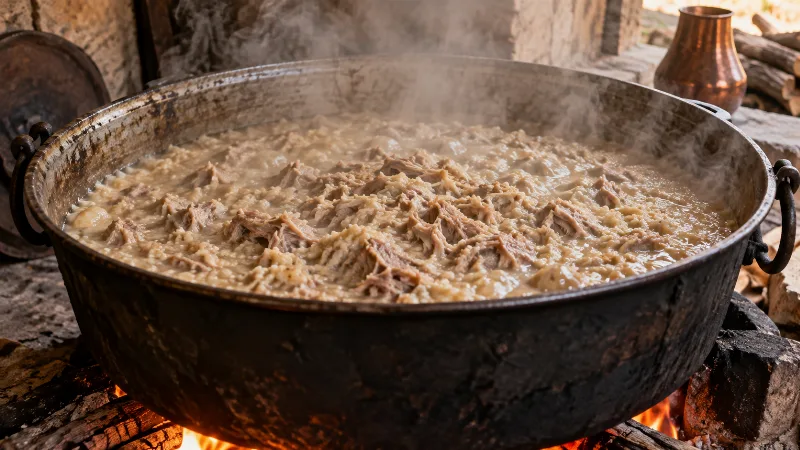
Keşkek
Keşkek is a ceremonial Anatolian dish of whole wheat berries and meat, slow-cooked and then pounded until the two merge into a thick, smooth mass. It belongs to Central Anatolia and the Aegean region, where it is still prepared in large cauldrons for weddings and religious holidays.
Explore →
Lahmacun
Lahmacun is a paper-thin flatbread spread with a finely chopped, spiced meat topping and baked quickly at high heat. It is most closely associated with Şanlıurfa and Gaziantep, and is traditionally eaten rolled with lemon and parsley.
Explore →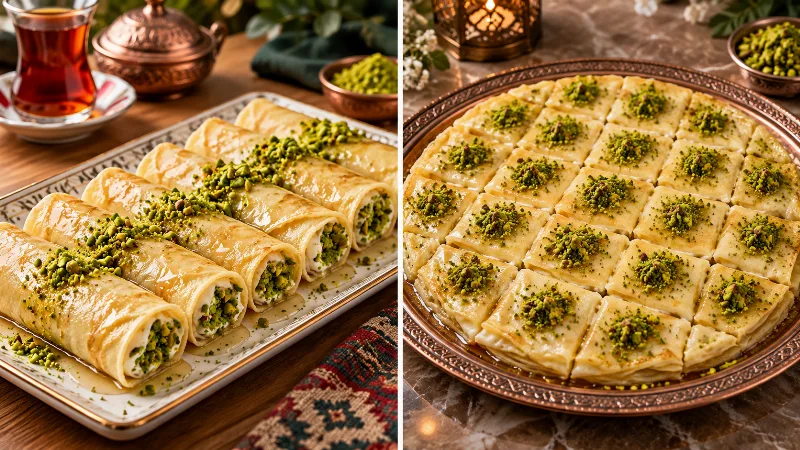
Şıllık Tatlısı
A traditional Şanlıurfa dessert made with thin pancakes, walnuts and sweet syrup.
Explore →Related content
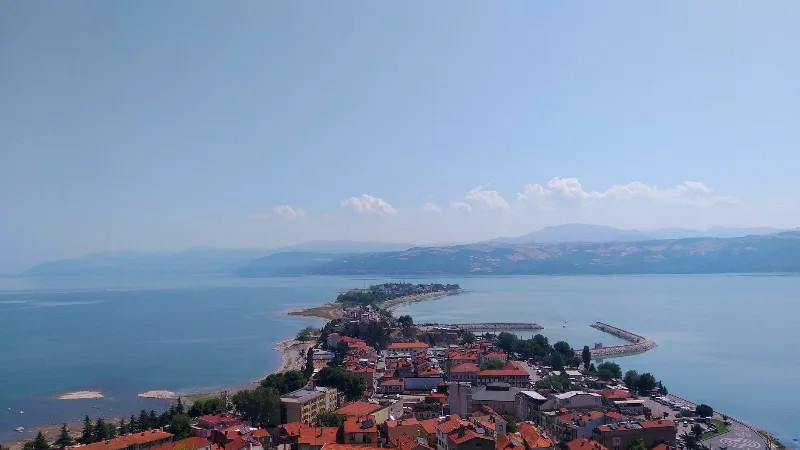
Isparta
Isparta is a city in southwestern Türkiye, renowned for its rose oil production and apple orchards. It serves as a hub for the Lakes Region, with Lake Eğirdir and several natural parks nearby.
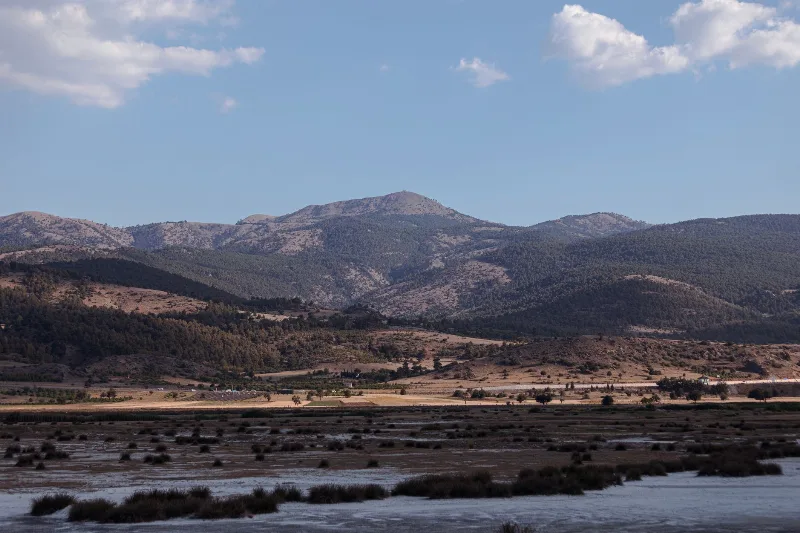
Burdur
Burdur is a provincial capital in southwestern Türkiye, set in the inland Lakes District beside a large saline lake and known for the Roman ruins of Sagalassos and one of Anatolia's oldest Neolithic settlements.
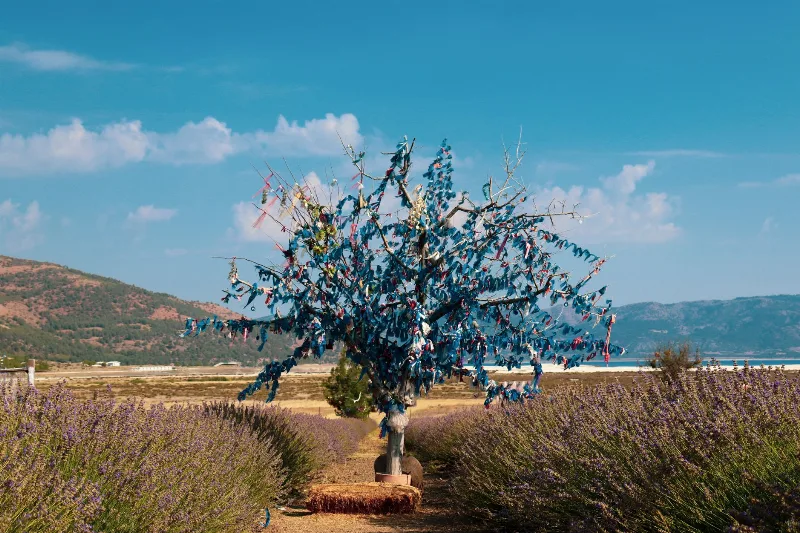
Kuyucak Lavender
Kuyucak lavender is grown around a village in the Keçiborlu district of Isparta province, southwestern Türkiye, where dry slopes and stony soil shape a crop grown mainly for essential oil.
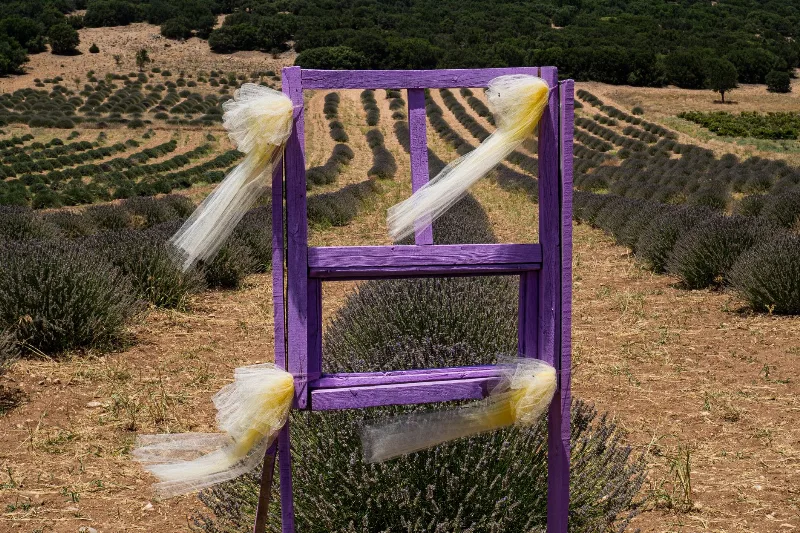
Lavender Bloom in Kuyucak, Isparta
Each summer the village of Kuyucak in Isparta province turns purple as its lavender fields come into full flower, usually from July into August. The bloom is short, weather-dependent, and tied directly to the harvest that follows it.
Isparta Rose Gardens and Rose Oil Distillation
The rose gardens around Isparta supply the Damask petals from which one of the world's most precious essential oils is drawn, using copper stills and methods passed down through generations of local families.
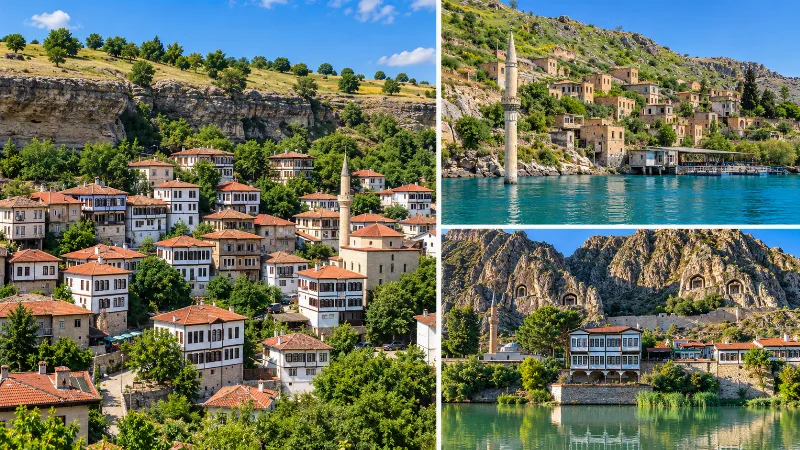
Exploring Turkey Beyond the Best-Known Destinations
A look beyond Turkey’s most famous destinations to smaller towns, villages, coastlines, highlands and historic landscapes across the country.