
The Rose Harvest in Isparta
STORIES FROM TÜRKİYE
In the lake country of southwestern Türkiye, spring is announced less by the calendar than by a scent. Around the city of Isparta, rows of rose bushes open into dense carpets of pink, and the air over the fields turns sweet and heavy. For a few weeks each year, this corner of Anatolia becomes the centre of one of the world's most distinctive agricultural traditions: the harvest of the Damask rose.
Isparta is widely known as the city of roses, and the surrounding villages, orchards and hillsides are the reason. Travel here in late spring and you will find a working landscape rather than a stage-managed one, where families, growers and distillers follow a rhythm that has shaped the region for generations.
Where Roses Grow in Isparta
The province sits at roughly a thousand metres above sea level, among lakes, low mountain ridges, and wide valleys of apple and cherry trees. This combination of cool nights, warm days and mineral-rich soil suits Rosa damascena, the Damask rose, whose petals carry the dense fragrance prized in perfumery and confectionery.
The rose gardens spread across villages and rural districts such as Güneykent, Yakaören, Senir, Gönen and Keçiborlu, many of them small plots worked by the same families year after year. Cultivation in the region is usually traced to the late nineteenth century, when rose growing took root in the area and gradually became a defining part of local farming life.
In late May the fields read as colour rather than individual plants. Hedges of pale to deep pink run along the roads, and the orchards behind them are bright with new leaves.
Harvest Before Sunrise
Rose picking in Isparta starts in the dark. Growers and seasonal workers move into the fields in the early hours, often around four or five in the morning, working by headlamp and the first grey light. The reason is practical: as the day warms, the essential oil in the petals begins to evaporate, and the flower's fragrance fades.
Each bloom is taken by hand and dropped into a cloth or plastic sack carried at the waist. Only flowers that have opened fully are chosen, and the picking is quick and repetitive, the sort of work that fills baskets long before breakfast. The harvest normally runs from May into early June, with the peak lasting a couple of weeks.
Dawn in the rose fields is one of the region's most memorable sights: mist lying in the hollows, rows of pink receding into shadow, and the soft sound of petals falling into sacks. By mid-morning the sacks are full, and the crop is on its way to be weighed and processed.
From Petals to Rose Oil
Fresh petals lose value quickly, so they are distilled soon after picking. In small workshops and larger facilities across the province, steam is passed through copper stills packed with roses. The vapour is condensed, and the result separates into rose water and a fine layer of essential oil, known locally as gül yağı.
The yield is very small: several tonnes of petals are needed to produce a single kilogram of oil, which explains why rose oil is among the most valuable agricultural products in Türkiye. Rose water, far more abundant, is used in sweets, drinks and everyday rituals, while a thicker rose concrete is extracted for perfumery.
Visitors often notice how the scent changes at each stage: floral and green in the field, sweeter and deeper around the stills, and almost honeyed in the finished oil. Even empty sacks left in a courtyard keep their fragrance for days.
Rose in Local Life and Kitchen
Rose is not only an export crop. In Isparta it appears on the table and in daily customs throughout the year. Rose jam, made from fresh petals and sugar, is served with tea or breakfast bread, and rose-flavoured Turkish delight is a familiar local sweet.
Rose water is sprinkled on hands at gatherings and used in desserts and cold drinks, while rose tea brings a light, perfumed note to an afternoon break. Some kitchens still prepare their own petal preserves in spring, buying sacks of flowers directly from growers.
The harvest is also marked culturally. A rose festival held in Isparta around May and June brings together growers, musicians and folk dancers, with streets decorated in pink and stalls offering rose-based products from the countryside.
A Season Around the Lakes
The rose harvest fits neatly into a wider spring journey through the region. Lake Eğirdir, with its clear water and quiet shorelines, lies a short drive from many rose villages, and the slopes of Davraz Mountain offer walking and views over the valleys.
Near Keçiborlu, the village of Kuyucak is known for rows of lavender that bloom shortly after the roses, adding a purple counterpart to the pink fields. Apple and cherry orchards, wheat fields and old stone village houses fill the spaces between.
Spring is a generous time to be here. The days are mild, the markets are full, and the scent of roses drifts across courtyards and roadsides, lingering long after the last sack of petals has left the field.
Historic places
Explore history →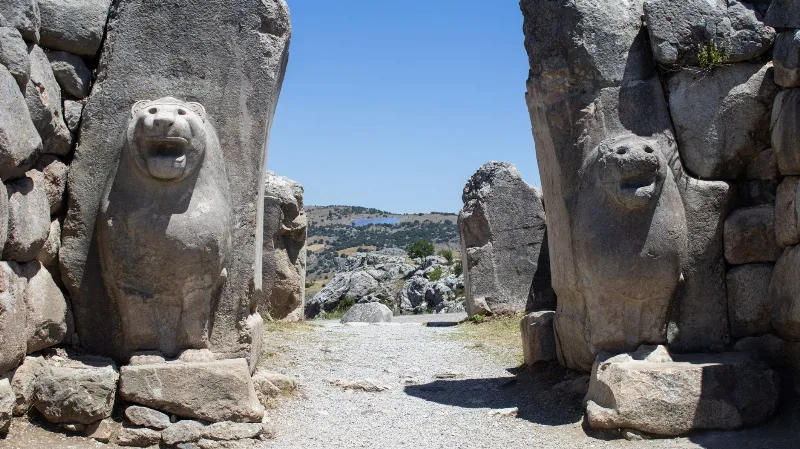
Hattusa
Hattusa was the capital of the Hittite Empire, located near Boğazkale in Çorum Province. Its surviving walls, gates, temples and cuneiform archives make it one of the most important Bronze Age archaeological sites in Anatolia.
Explore →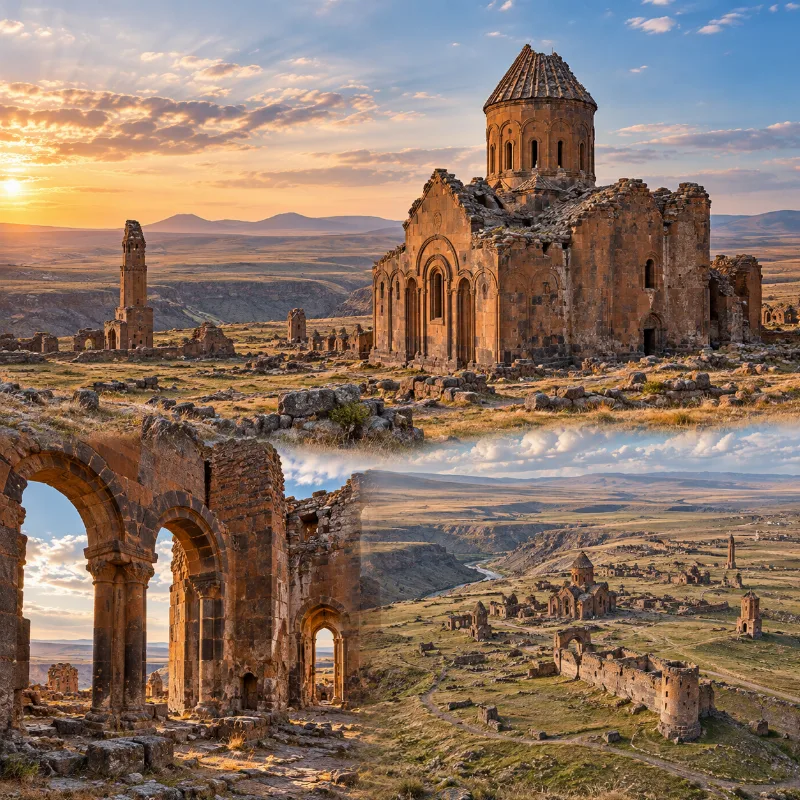
Ancient City of Ani
A medieval archaeological city near the Turkish-Armenian border, with churches, fortifications and monumental stone buildings.
Explore →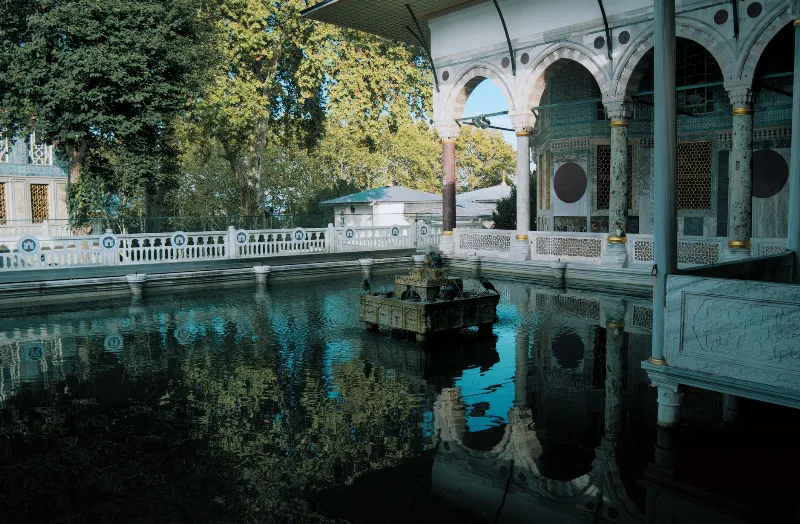
Topkapı Palace
Topkapı Palace on Istanbul's Seraglio Point served as the residence and administrative heart of the Ottoman sultans for nearly four centuries, and today it is a museum displaying its courtyards, opulent interiors and the imperial collections of the Sacred Relics.
Explore →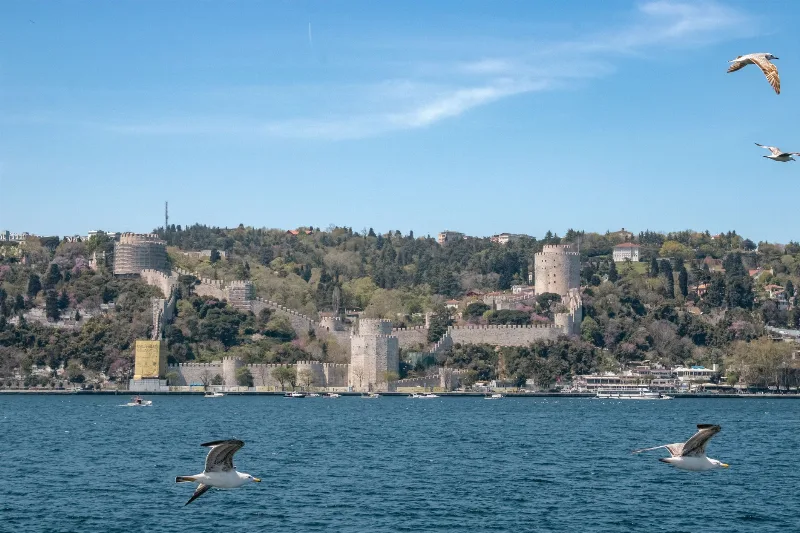
Anadolu Hisarı
Anadolu Hisarı is an Ottoman fortress built by Sultan Bayezid I in 1393–1394 on the Asian shore of the Bosphorus in Istanbul, commanding the narrowest stretch of the strait. Long described as the oldest surviving Ottoman building in the city, it was later reinforced by Mehmed II in preparation for the conquest of Constantinople.
Explore →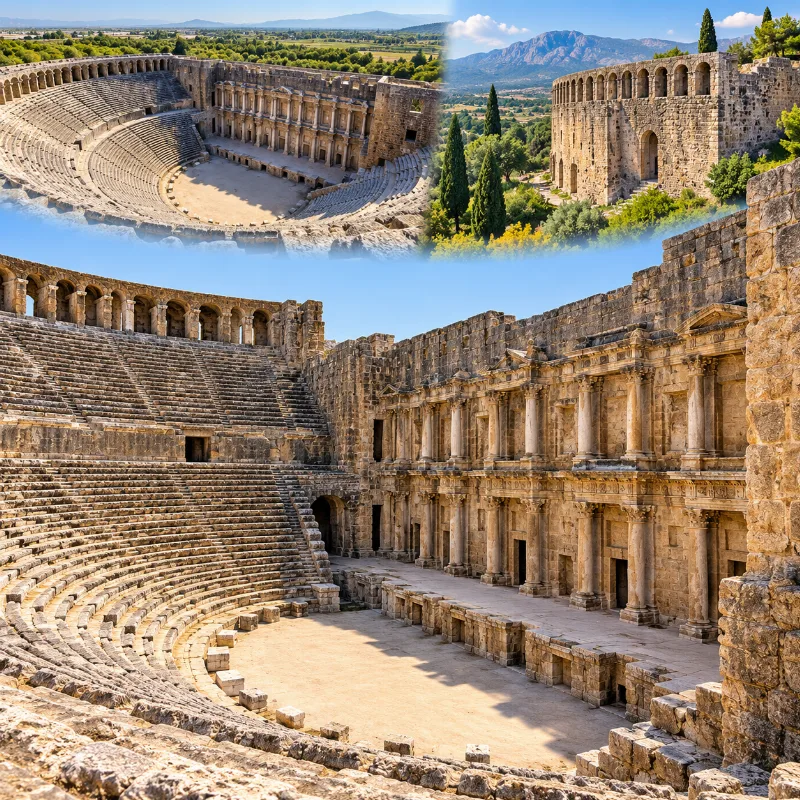
Aspendos
An ancient city near Antalya best known for its large Roman theatre and other surviving structures.
Explore →Related content
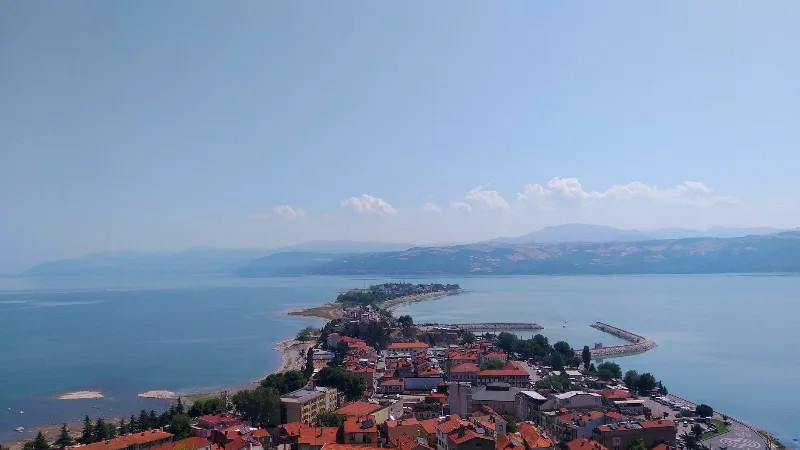
Isparta
Isparta is a city in southwestern Türkiye, renowned for its rose oil production and apple orchards. It serves as a hub for the Lakes Region, with Lake Eğirdir and several natural parks nearby.
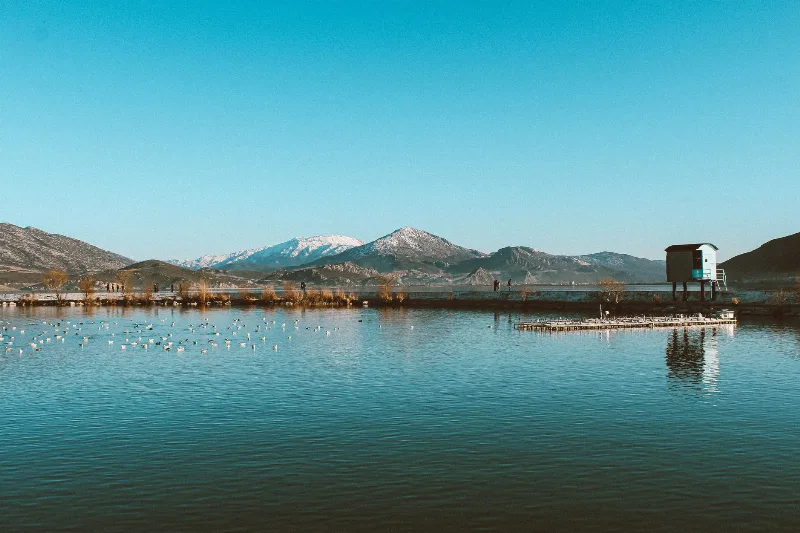
Lake Eğirdir
A large freshwater lake in the Lakes District of Isparta Province, south-western Türkiye, Eğirdir is divided into two connected basins by a narrow strait and ringed by mountains.
Isparta Rose Gardens and Rose Oil Distillation
The rose gardens around Isparta supply the Damask petals from which one of the world's most precious essential oils is drawn, using copper stills and methods passed down through generations of local families.
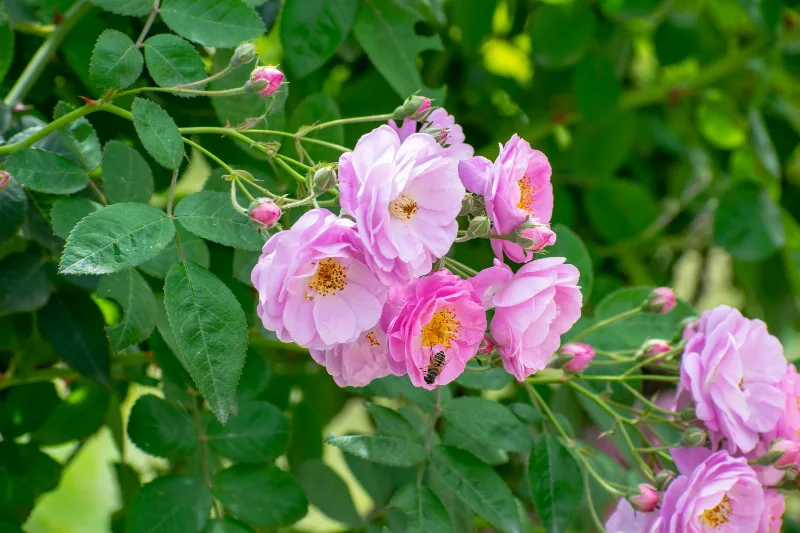
İsparta Roses
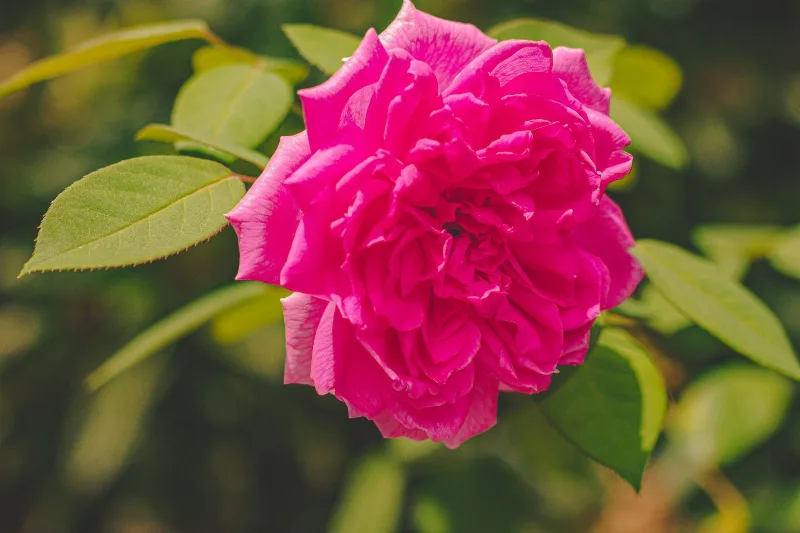
İsparta roses are the Damask rose grown around Isparta in southwestern Türkiye, where a dry, high-altitude climate and snow-fed soils give the flowers enough essential oil to support a long-standing rose oil and rose water industry.
Isparta Cherries
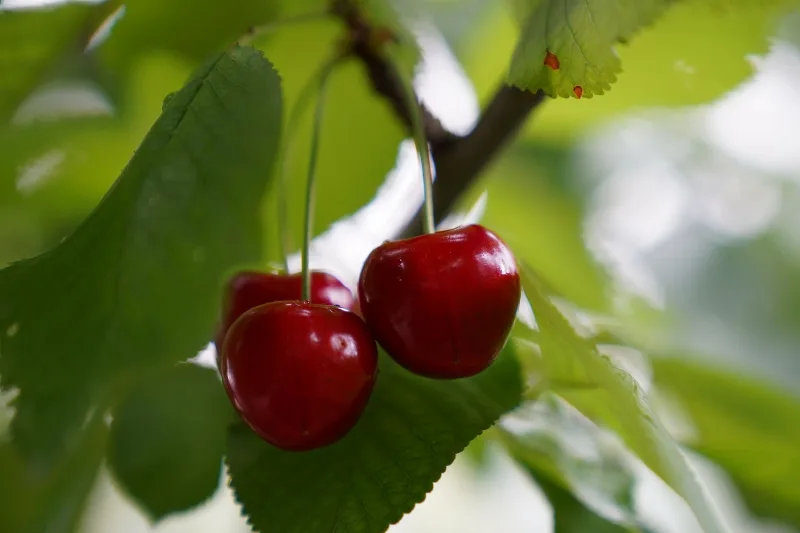
Isparta cherries are the sweet cherries of Türkiye's Lakes Region, grown on high ground where cold winters and dry, sunlit summers give the fruit its size and sweetness.
Rose Harvest in Isparta
The rose harvest in Isparta, Turkey, typically occurs in late May and June, when Damask rose fields are in full bloom. This short season is essential for rose oil and rose water production, and visitors can observe the traditional harvesting and distillation process.