
İsparta Roses
İsparta roses are the Damask rose grown around Isparta in southwestern Türkiye, where a dry, high-altitude climate and snow-fed soils give the flowers enough essential oil to support a long-standing rose oil and rose water industry.
İsparta roses are the flowers of the Damask rose, Rosa × damascena, cultivated in and around the city of Isparta in southwestern Türkiye. The province is one of the most important rose-growing areas in the world, and its gardens exist mainly for distillation rather than for ornamental display. The petals are processed into rose oil and rose water, two products that have tied the name of Isparta to the international fragrance and cosmetics trade for well over a century. What makes the connection between this place and this flower so durable is not simply tradition: the altitude, the cold winters, the dry summers and the water that comes down from the surrounding mountains combine to produce blooms with a high essential oil content.
Where İsparta Roses Are Grown
Rose cultivation spreads across several districts of Isparta province, including Keçiborlu, Gönen, Atabey, Senir and Güneykent, as well as the villages sitting above the shores of Lake Eğirdir and around Lake Kovada. Most gardens lie roughly between 900 and 1,200 metres above sea level, on the terraces and gentle slopes that frame the lake basins. The fields are rarely isolated plots. They are planted as dense hedgerows that act as living fences between orchards and vegetable ground, so the rose is woven into the wider agricultural fabric of the province rather than confined to a single rose-only zone.
Why the Climate and Landscape Suit the Damask Rose
Isparta sits in a transitional belt between the Mediterranean coast and the continental interior of Anatolia. That position produces clearly defined seasons: cold, often snowy winters, a mild and rainy spring, and hot, dry summers with strong sunlight. The Damask rose tolerates this pattern well. It needs a genuine winter chill to break dormancy and then a dry, bright flowering period, and the province supplies both.
The large day-to-night temperature difference during late spring is also significant. Cool nights slow the evaporation of the aromatic compounds that build up in the petals, while warm, sunny days encourage heavy flowering. The soils around the lake basins are typically loamy and calcareous, often stony and free-draining, which suits a plant that dislikes waterlogged roots. Meltwater from the mountains and irrigation drawn from Lake Eğirdir and other local reservoirs keep the gardens supplied through the dry weeks before harvest, when the buds are swelling.
The Damask Rose Plant and How It Is Cultivated
The Damask rose is a deciduous, thorny shrub with arching canes and soft pink, many-petalled flowers. It is not grown from seed in the commercial gardens. Instead, growers propagate it vegetatively from cuttings or root suckers so that the offspring remain genetically identical to the parent plant and keep the oil profile the region depends on. Plants are pruned hard each year after flowering, which keeps the hedges low and manageable and encourages fresh flowering wood for the following season. A well-kept rose garden can remain productive for many years before it is replanted.
Flowering and the Early-Morning Harvest
Flowering is concentrated into a short window in May and June, generally lasting around a month. The harvest is a race against the heat of the day. Pickers move through the gardens at first light, often beginning before sunrise, because the concentration of aromatic oil in the petals is highest in the cool, dew-covered hours and declines as the sun warms the flowers. Only the freshly opened blooms are taken, and they are carried to the distillation units the same day, since petals left to sit lose both fragrance and value.
From Fresh Petals to Rose Oil and Rose Water
Once the flowers arrive, they are distilled with water in traditional copper vessels. Steam passes through the mass of petals, carrying volatile aromatic compounds with it; the vapour is then condensed and collected. The result is rose water, the fragrant hydrosol that forms the bulk of the yield, with a thin layer of concentrated rose oil floating on top. That oil, sometimes further refined into an absolute, is one of the most expensive raw materials used in perfumery, which is why the petals are handled with such care. Some of the crop is also dried or preserved for food use.
The Rose in the Local Landscape and Economy
The rose is a visible part of Isparta's identity. In late spring the hedgerows turn pink and the scent carries across the roads between the lake and the city. Growers, many of them smallholders, deliver to cooperatives and distilleries that have shaped the province's rural economy for generations, and the flowering season brings seasonal work to villages that might otherwise have little cash income in early summer. A rose festival held in the city each year marks the harvest and draws visitors from across the country.
How İsparta Roses Are Used
Beyond distillation, the petals appear in regional food traditions. Rose jam, made by cooking petals with sugar, is a familiar preserve, and rose water flavours sweets such as Turkish delight and certain milk puddings. Rose water is also used in cosmetics, soaps and skincare, and dried petals are steeped as a gentle herbal tea. Rose oil itself is used in tiny quantities in perfumery, where its deep, honeyed, slightly spicy scent is difficult to reproduce with synthetics.
What Distinguishes Isparta Roses
Isparta is often mentioned alongside a small number of other rose-growing regions, most notably the valleys of Bulgaria, as a leading global source of rose oil. The comparison is useful because it highlights how strongly the product depends on place. The same species grown under different soils, altitudes and temperature ranges yields an oil with a different balance of aroma compounds. In Isparta, the combination of high elevation, cold winters, dry summers and lake-fed irrigation produces a reliable, oil-rich flower, and it is this land-plus-climate relationship, more than any single technique, that keeps rose growing anchored to the province. Similar cultivation exists in neighbouring parts of the Lakes Region, but the density of gardens, distilleries and inherited know-how remains concentrated around Isparta.

Kayseri Mantısı
Small Turkish dumplings traditionally associated with Kayseri, served with garlic yogurt and seasoned butter.
Explore →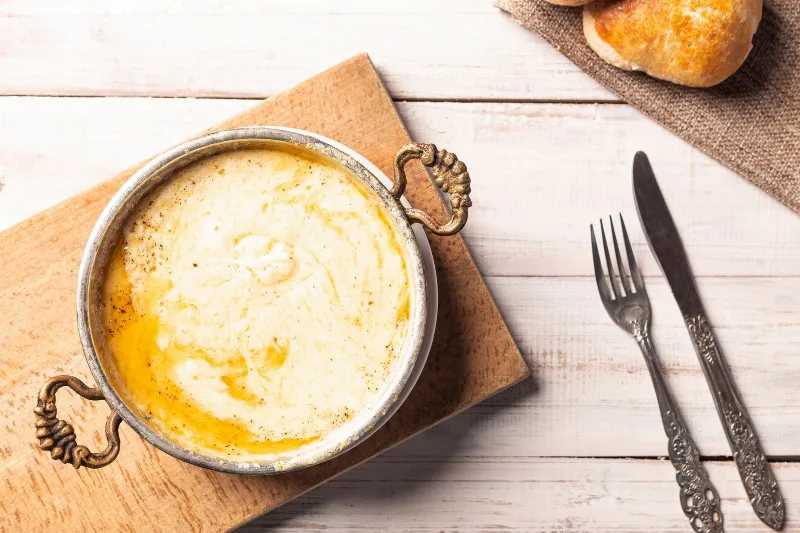
Kuymak
A soft, stretchy cornmeal dish cooked with butter and cheese, kuymak — also known as mıhlama — is a Black Sea breakfast staple served hot from the pan and eaten with bread.
Explore →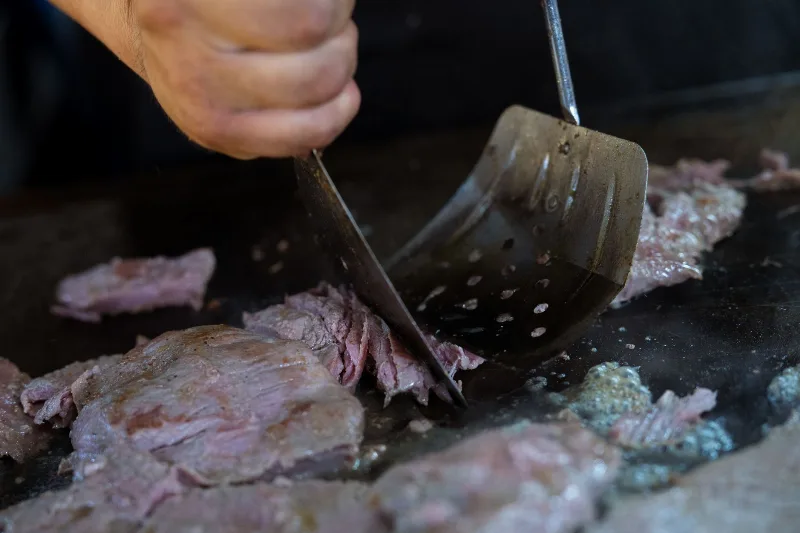
Tantuni
A Mersin street wrap built around finely chopped beef cooked with onion, tomato and pepper on a flat griddle, then rolled in thin lavash and finished with lemon and sumac onion.
Explore →Related content
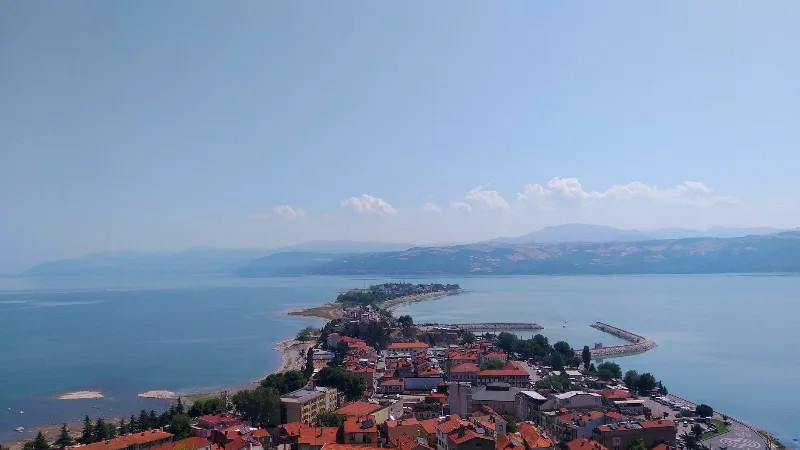
Isparta
Isparta is a city in southwestern Türkiye, renowned for its rose oil production and apple orchards. It serves as a hub for the Lakes Region, with Lake Eğirdir and several natural parks nearby.
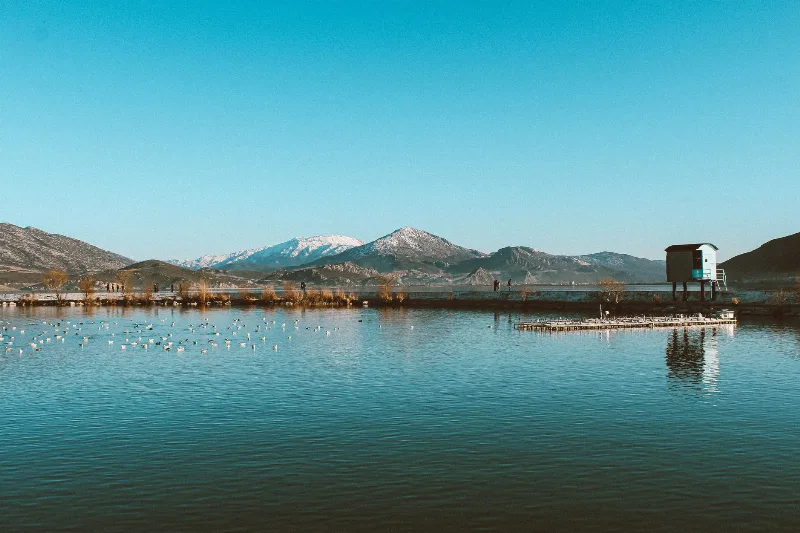
Lake Eğirdir
A large freshwater lake in the Lakes District of Isparta Province, south-western Türkiye, Eğirdir is divided into two connected basins by a narrow strait and ringed by mountains.
Lake Kovada
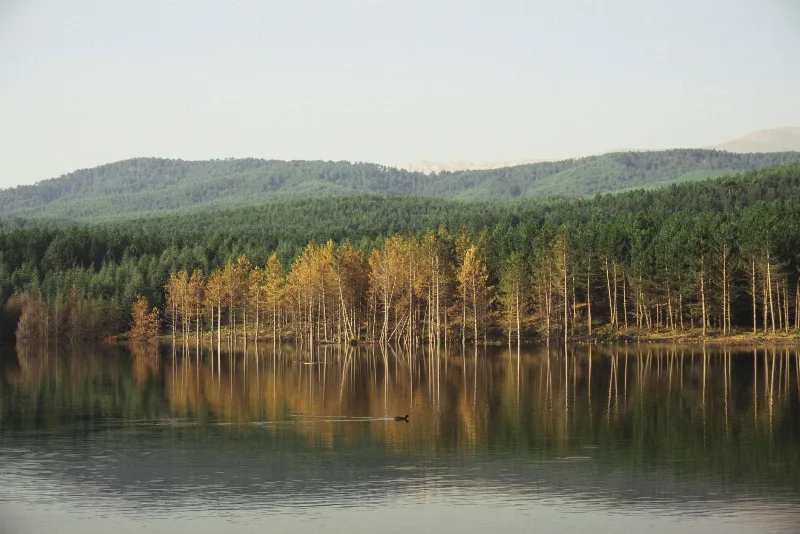
Lake Kovada is a small freshwater lake in Isparta Province, Turkey, forming the core of Kovada Lake National Park. Surrounded by pine forests, it is known for its clear water and rich wildlife.
Isparta Rose Gardens and Rose Oil Distillation
The rose gardens around Isparta supply the Damask petals from which one of the world's most precious essential oils is drawn, using copper stills and methods passed down through generations of local families.
The Rose Harvest in Isparta
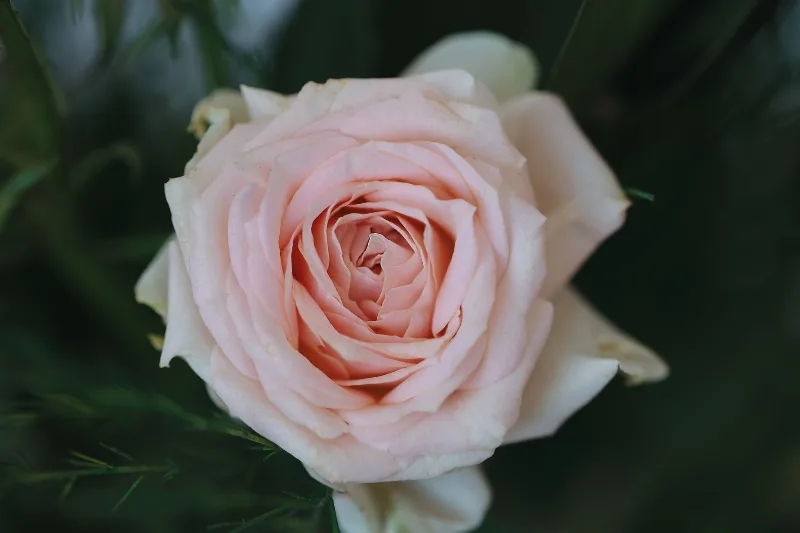
Every spring the gardens around Isparta in Türkiye blush with Damask roses, and the picking begins long before dawn. It is a season of pink fields, copper stills and a fragrance that follows you through the streets.
Rose Harvest in Isparta
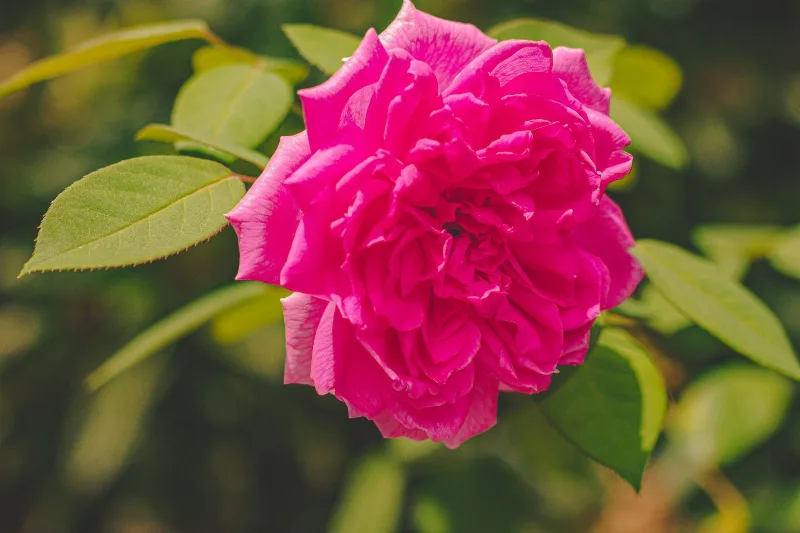
The rose harvest in Isparta, Turkey, typically occurs in late May and June, when Damask rose fields are in full bloom. This short season is essential for rose oil and rose water production, and visitors can observe the traditional harvesting and distillation process.