
Lake Kovada
Lake Kovada is a small freshwater lake in Isparta Province, Turkey, forming the core of Kovada Lake National Park. Surrounded by pine forests, it is known for its clear water and rich wildlife.
Lake Kovada is a small freshwater lake situated in Isparta Province, within the Mediterranean region of Turkey. It forms the core of Kovada Lake National Park, a protected area established in 1970. The lake is fed by underground springs and is surrounded by dense pine forests, creating a distinct natural environment that contrasts with the drier landscapes of the region.
Geographical Setting and Formation
Kovada Lake lies in a tectonic valley at an elevation of approximately 900 meters. The valley is bordered by forested hills that are part of the Taurus Mountains system. The lake is fed by several underground springs and small streams, and it has an outlet known as the Kovada Stream, which flows into the larger Eğirdir Lake system to the northeast. The lake's formation is associated with tectonic and karstic processes, which have shaped the surrounding landscape over millennia.
Kovada Lake National Park: Protection and Significance
Kovada Lake National Park was established in 1970 and covers an area of 6,551 hectares. The park was created to protect the lake and its surrounding ecosystem, which includes forests, wetlands, and the lake itself. It is one of Turkey's smaller national parks, but it is significant for its biodiversity and its role in conserving freshwater habitats in the region. The park is managed by the Turkish Ministry of Agriculture and Forestry.
Landscape and Vegetation
The landscape around Kovada Lake is dominated by dense forests of black pine and oak. At lower elevations, maquis shrubland is common, featuring species such as laurel, myrtle, and olive. The lake's water is clear and reflects the surrounding greenery, giving it a serene appearance. The shoreline is mostly natural, with reeds and other aquatic plants growing in shallow areas. The combination of forest and lake creates a rich and varied habitat.
Wildlife and Biodiversity
The national park is home to a variety of wildlife. Mammals include wild boar, deer, fox, and squirrel. The lake and its surroundings attract numerous bird species, including birds of prey such as eagles and hawks, as well as water birds and songbirds. The lake itself supports fish populations, though fishing is regulated. The mix of forest, wetland, and open water habitats supports a diverse range of species, making the park important for conservation.
Seasonal Changes and Climate
The climate in the Kovada Lake area is Mediterranean, characterized by hot, dry summers and mild, wet winters. Summer temperatures can reach 35°C, while winter temperatures often drop to around 0°C. Spring brings a burst of wildflowers and lush green forests, making it an ideal time for nature observation. Autumn is marked by colorful foliage as the leaves change. In winter, occasional snowfall may occur, but the lake rarely freezes. The best time to visit is during spring and autumn when the weather is mild and the landscape is at its most vibrant.
Experiencing the Lake and Its Surroundings
Visitors to Kovada Lake can enjoy the natural scenery, observe wildlife, and walk along the lake. The national park has designated picnic areas and viewpoints that offer unobstructed views of the lake and surrounding forests. The lake is a popular spot for photography, especially at sunrise and sunset when the light enhances the water's reflections. The park is open year-round, though winter conditions can be cold and snowy.
How to Reach and Practical Considerations
Kovada Lake is accessible by road from Isparta, which is about 30 kilometers away, and from Eğirdir, which is about 20 kilometers away. The drive takes approximately 30-40 minutes from Isparta. Public transportation options may be limited, so traveling by car is recommended. Before visiting, it is advisable to bring water, sun protection, and sturdy shoes for walking. Visitors should respect the protected area by not disturbing wildlife, staying on designated paths, and carrying out any litter.
Nearby Natural Attractions
Several other natural attractions are located near Kovada Lake. Eğirdir Lake, one of Turkey's largest freshwater lakes, is just to the northeast and offers its own scenic beauty. The Kovada Stream, which flows from Kovada Lake, is a clear waterway that supports various aquatic species. To the south, the Dedegöl Mountains provide a rugged contrast with high peaks and alpine meadows.
Beaches & bays
See the coast →
Related content
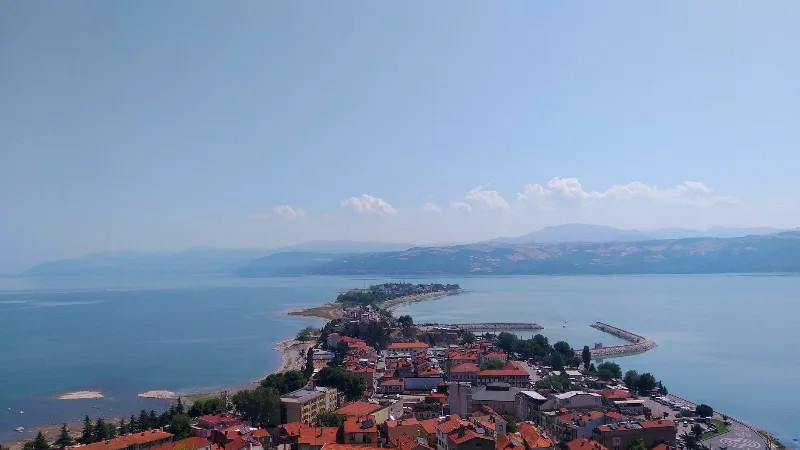
Isparta
Isparta is a city in southwestern Türkiye, renowned for its rose oil production and apple orchards. It serves as a hub for the Lakes Region, with Lake Eğirdir and several natural parks nearby.
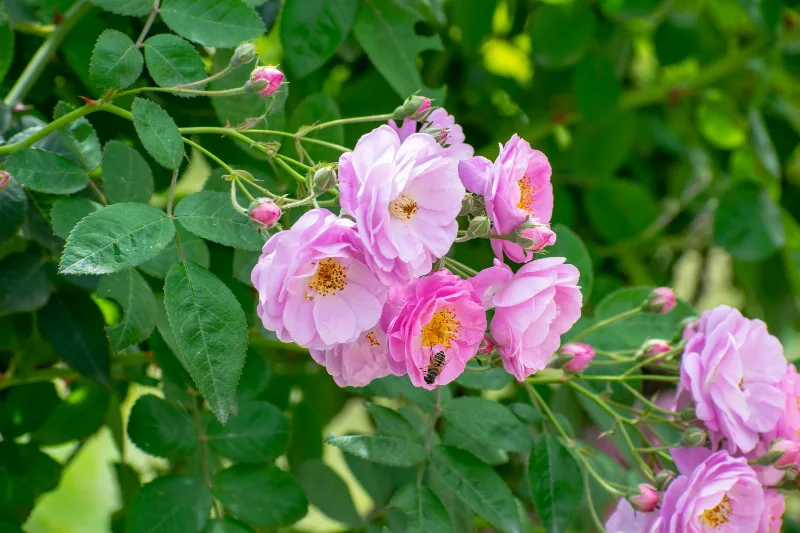
İsparta Roses
İsparta roses are the Damask rose grown around Isparta in southwestern Türkiye, where a dry, high-altitude climate and snow-fed soils give the flowers enough essential oil to support a long-standing rose oil and rose water industry.
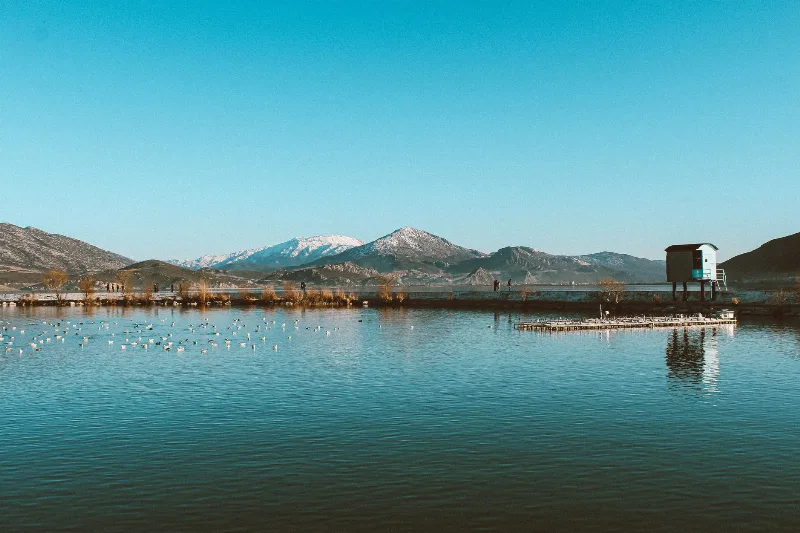
Lake Eğirdir
A large freshwater lake in the Lakes District of Isparta Province, south-western Türkiye, Eğirdir is divided into two connected basins by a narrow strait and ringed by mountains.
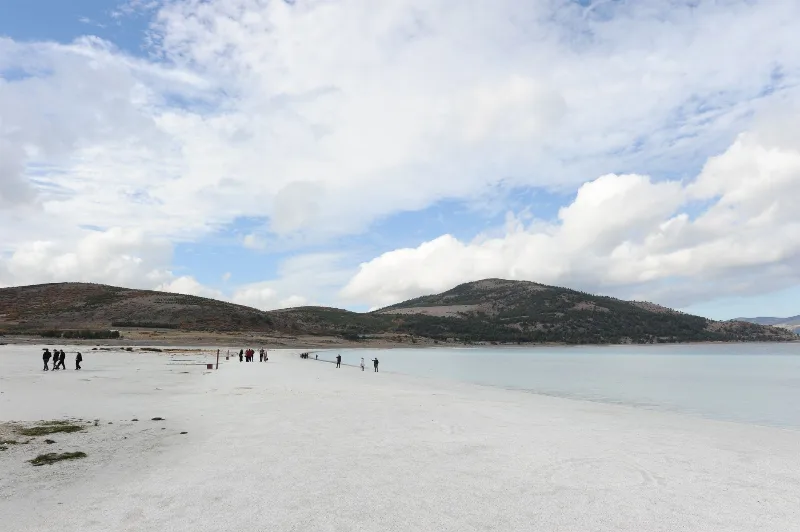
Lake Burdur
Lake Burdur is a large tectonic soda lake in Burdur Province, south-western Türkiye, with strongly alkaline water, a broad shifting shoreline and international importance for wintering waterbirds. Its closed basin, mineral chemistry and retreating waterline make it one of the most distinctive inland landscapes of the Turkish Lakes Region.
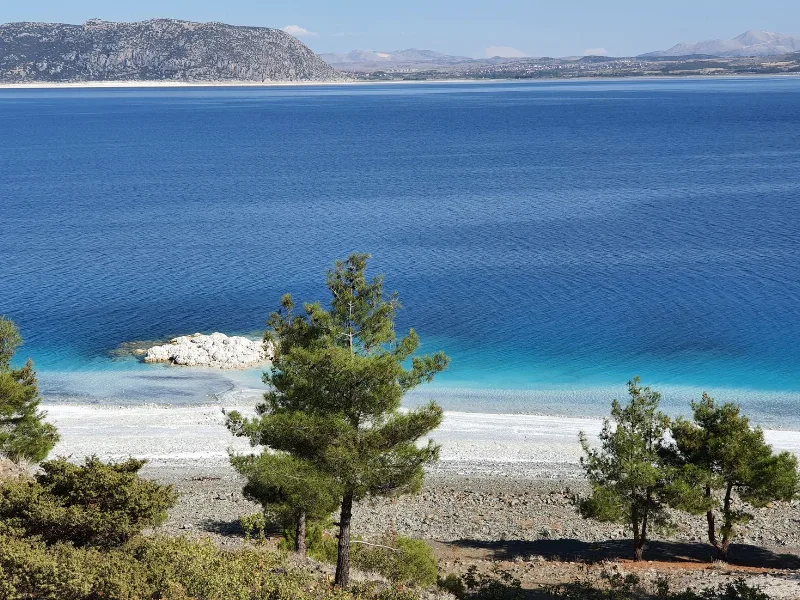
The Serene Lakes of Türkiye
Türkiye’s lakes range from vast soda lakes to salt flats and freshwater basins, each offering calm landscapes and rich wildlife. This page introduces notable lakes across different regions and their seasonal character.
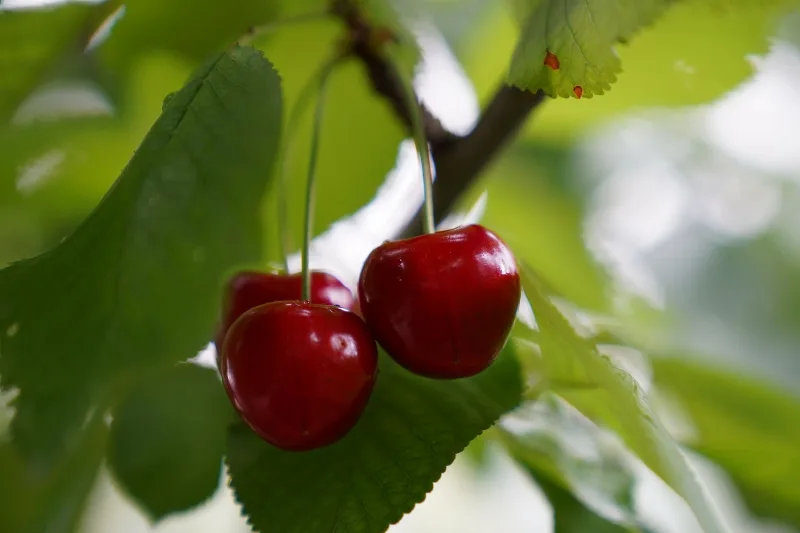
Isparta Cherries
Isparta cherries are the sweet cherries of Türkiye's Lakes Region, grown on high ground where cold winters and dry, sunlit summers give the fruit its size and sweetness.