
The Serene Lakes of Türkiye
Türkiye’s lakes range from vast soda lakes to salt flats and freshwater basins, each offering calm landscapes and rich wildlife. This page introduces notable lakes across different regions and their seasonal character.
Türkiye’s inland waters include some of the most peaceful natural environments in the country. From the high plateaus of Eastern Anatolia to the rolling hills of the Aegean region, lakes large and small create habitats for wildlife and quiet places for travellers who appreciate calm scenery. The variety of these lakes reflects Türkiye’s broader geography, where mountain ranges, volcanic landscapes and fertile plains meet.
Lake Van: A Vast Soda Lake in the East
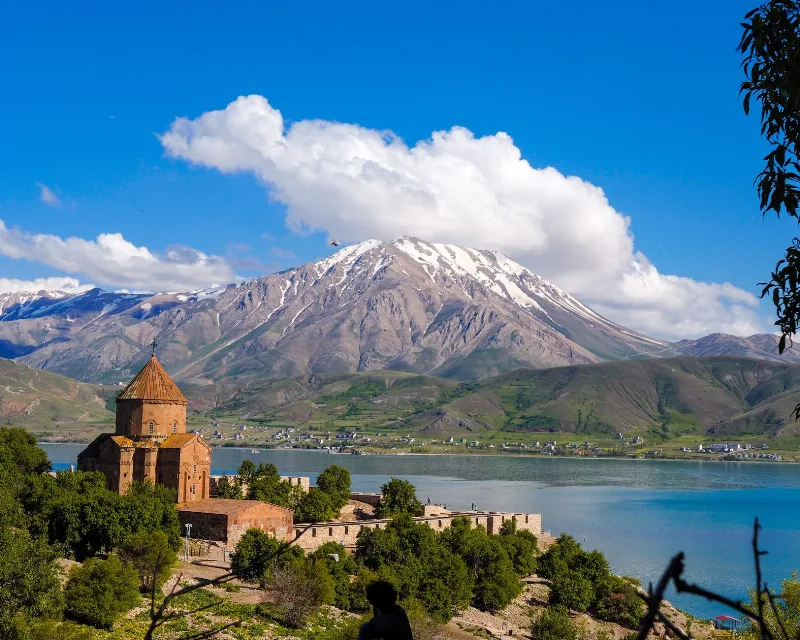
Lake Van (Van Gölü) is the largest lake in Türkiye, located in the Eastern Anatolia region near the city of Van. Its water is alkaline and rich in minerals, which gives it a distinctive blue-green hue. Surrounded by high mountains, the lake is dotted with small islands, including Akdamar Island, known for its historic church. The remote setting and wide horizons create a strong feeling of serenity. Because of its size and depth, Lake Van has a moderating effect on the local climate, and its shores support a range of bird species.
Lake Tuz: A Salt Flat of Central Anatolia
Lake Tuz (Tuz Gölü) lies in Central Anatolia and is one of the largest hypersaline lakes in the world. During dry summer months, much of the water evaporates, leaving behind a bright white salt crust that stretches across the plain. The lake is an important breeding ground for flamingos and other waterbirds, which gather in large numbers in spring. The stark, minimalist landscape offers a different kind of natural beauty, especially at sunrise and sunset when the salt surface reflects the sky.
Lake Salda and the Turkish Lake District
In the southwest, near Burdur, Lake Salda is known for its white sandy shores and clear, mineral-rich water. The lake is relatively deep and its surroundings include pine forests and small hills. Because of its unique composition, it is sometimes compared to other alkaline lakes around the world. Further inland, the Turkish Lake District (Göller Yöresi) includes lakes such as Lake Eğirdir, Lake Burdur and Lake Kovada. Lake Eğirdir, a freshwater lake in Isparta Province, is surrounded by apple orchards and mountains, offering quiet paths and views. These lakes are important for both biodiversity and local agriculture.
Lakes of the Marmara and Aegean Regions
In the Marmara region, Lake Sapanca provides a calm freshwater setting near the Sea of Marmara, with forested hills and small villages along its shores. Lake Manyas (Kuş Gölü), also in the Marmara region, is a national park and a well-known stop for migratory birds. In the Aegean region, Lake Bafa sits near the ancient city of Herakleia and the Latmos Mountains. The lake was once part of the Aegean Sea but was cut off by sediment over time. Its calm waters, rocky islands and nearby archaeological remains create a layered landscape where nature and history meet.
Wildlife and Seasonal Serenity
Many of Türkiye’s lakes are important for bird migration. Species such as flamingos, pelicans, cormorants and herons can be observed in spring and autumn. In winter, some eastern lakes, including Lake Çıldır, freeze over, creating vast white plains that are quiet and still. Summer brings warm days and opportunities for walking or cycling along lake shores, though some salt lakes become dry and cracked. Each season reveals a different aspect of these inland waters, from the bustle of nesting birds to the silence of a frozen surface.
The lakes of Türkiye are not just geographical features; they are part of the country’s natural heritage. They support ecosystems, provide water for agriculture and offer peaceful escapes for those who seek natural beauty. Whether in the high east or the greener west, these lakes invite observation and appreciation without the need for crowds or commercial attractions.
Related content
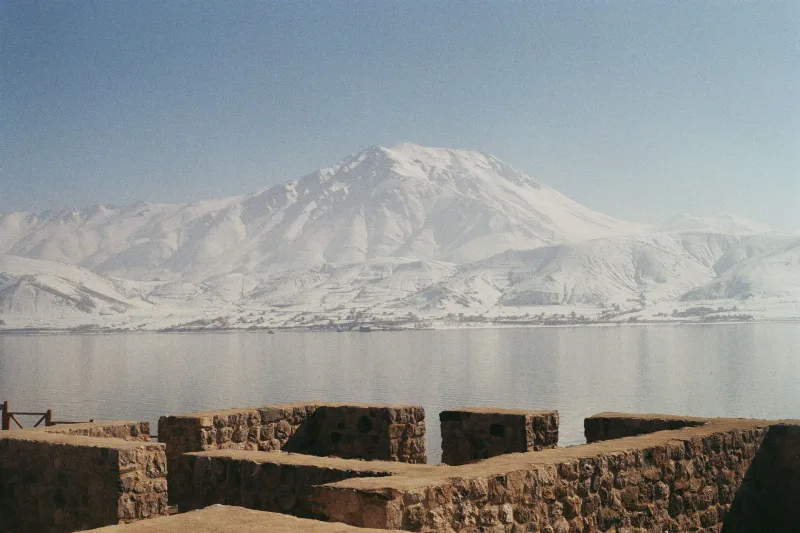
Lake Van
Lake Van is Turkey's largest lake, a vast alkaline soda lake with no outlet, set in the volcanic highlands of Eastern Anatolia at around 1,640 metres. Its unusual chemistry, depth and islands give it a character unlike any other lake in the country.
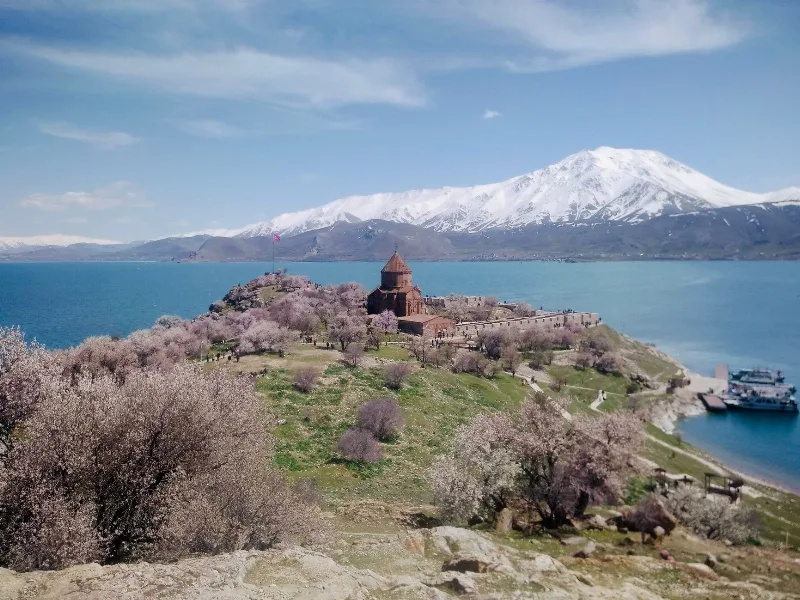
Lake Van
Lake Van is Turkey's largest lake and the world's largest soda lake, located in Eastern Anatolia. It is known for Akdamar Island and its 10th-century Armenian Church of the Holy Cross.
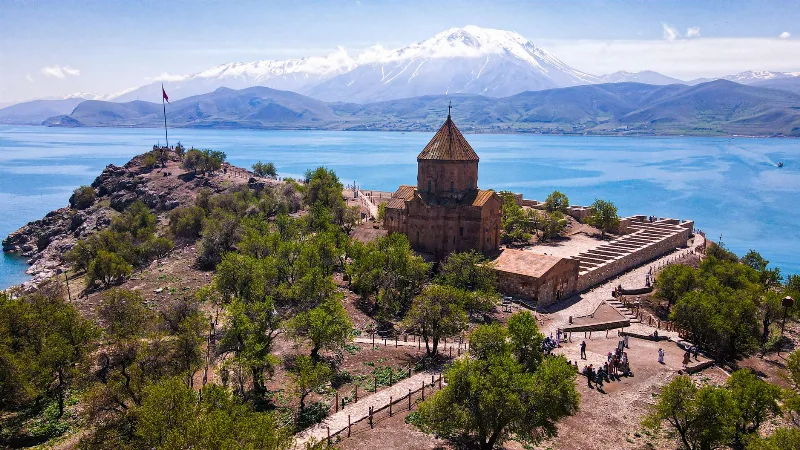
Akdamar Island
Akdamar Island is the largest island in Lake Van, eastern Turkey, and holds the 10th-century Armenian Cathedral of the Holy Cross, whose outer walls are covered in carved biblical reliefs. It is reached by boat from a pier near Gevaş and is usually visited as a day trip from Van.
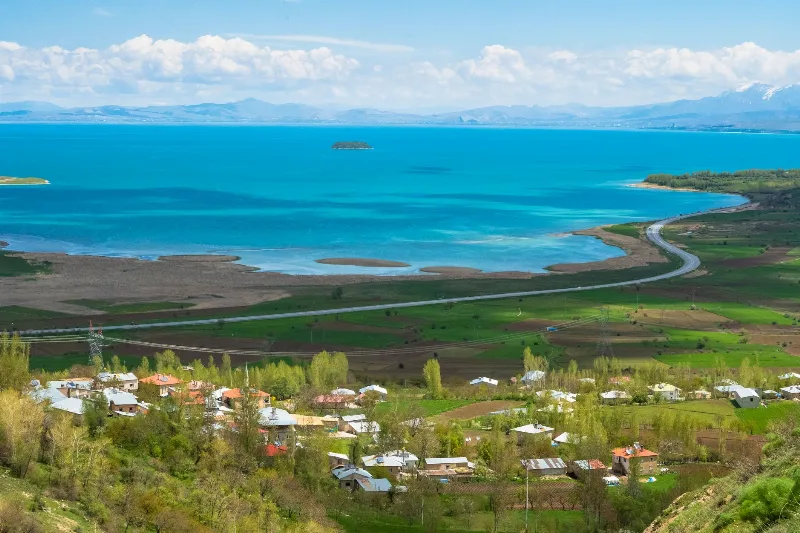
Lake Van and Surrounding Nature
Discover the tranquil beauty of Lake Van, Türkiye's largest lake, and its picturesque surroundings in eastern Türkiye.
Eastern Anatolia Region
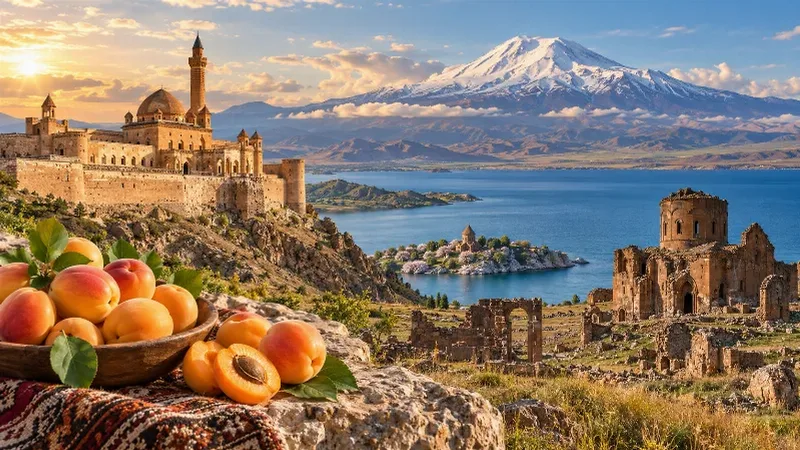
Eastern Anatolia is a region of majestic mountains, vast highlands, beautiful lakes and ancient cultural heritage. Home to Mount Ararat, Lake Van and historic settlements, it offers some of Türkiye's most dramatic natural landscapes alongside distinctive architecture, local traditions and regional cuisine.
Lakes and Natural Beauty in Türkiye
A journey through the lakes of Türkiye, from the wide soda waters of Lake Van to forest pools in Bolu, salt flats on the Central Anatolian plateau and reed beds full of birds.
Van's Spring Festival
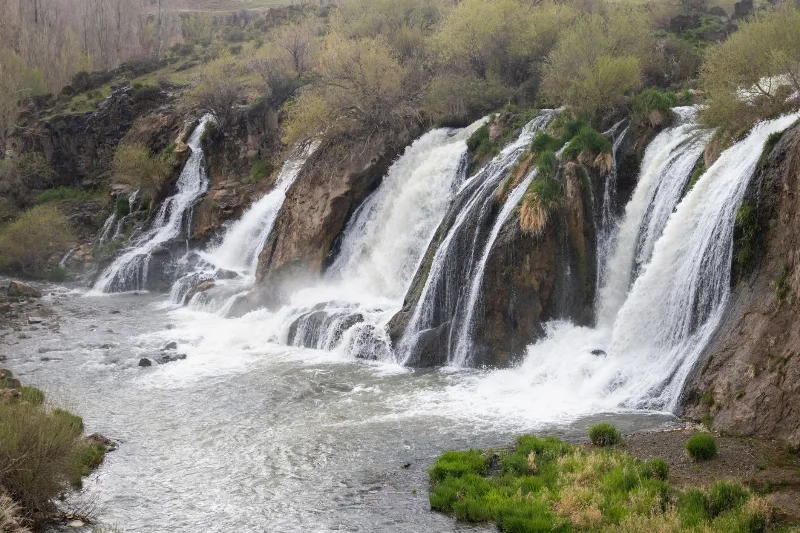
Spring in Van brings Nevruz and Hıdırellez celebrations, blooming landscapes around Lake Van, and fresh local foods. Discover how eastern Türkiye welcomes the season with culture, nature, and community traditions.
The Ancient Fortresses of the Van Lake Region
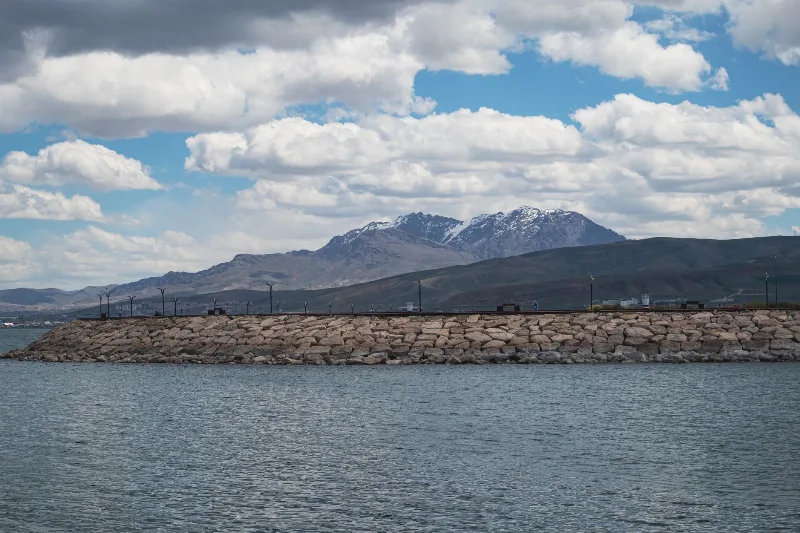
The high shores of Lake Van in eastern Türkiye are lined with fortresses built by the Urartians and later rulers, each one placed to guard water, trade routes and fertile plains.