
Van's Spring Festival
STORIES FROM TÜRKİYE
Spring in Van arrives after a long, cold winter, bringing milder days, blooming orchards, and a fresh energy to the shores of Lake Van. The city and its surrounding districts celebrate the season with cultural festivals, family picnics, and a return to the region’s high pastures. For travellers interested in Türkiye’s eastern landscapes, Van offers a spring experience shaped by nature, history, and community traditions.
A Late Spring Around Lake Van
Lake Van is the largest lake in Türkiye, and its high altitude means spring often begins later than in coastal regions. As snow melts from the surrounding mountains, streams swell and the plains turn green. Wildflowers appear across the steppe, while almond and fruit trees blossom in villages near the lake.
The lake’s alkaline water and dramatic backdrop of mountains create a distinctive setting for spring walks and scenic drives. Days become warmer, but cool evenings remain, so layers are useful for anyone exploring the area.
Nevruz and the Welcome of Spring
Nevruz, celebrated around 21 March, marks the spring equinox and the beginning of warmer days across many parts of Türkiye. In Van, the festival is embraced by different communities and reflects a shared welcome of renewal and abundance.
Fire-jumping, music, dancing, and outdoor gatherings are common parts of Nevruz traditions. Families and friends come together in open areas, share food, and enjoy the first signs of spring. The festival carries messages of peace, health, and prosperity for the coming year.
For visitors, Nevruz in Van is a chance to witness local customs that blend Turkish and Kurdish cultural elements. The celebrations are lively, colourful, and rooted in seasonal change rather than commercial spectacle.
Hıdırellez and May Celebrations
Hıdırellez, celebrated on 5–6 May, is another spring festival observed in Türkiye and parts of the wider region. It welcomes the arrival of warm weather and is associated with wishes for the year ahead.
In Van, families often head to green spaces or the lakeshore for picnics. Traditional customs include jumping over small fires, preparing special foods, and making wishes. Music and dancing can continue into the evening.
The festival is informal and community-focused, giving travellers a gentle way to experience local spring traditions. It also highlights the close relationship between seasonal change and social life in eastern Türkiye.
Spring Flavors of Van
Van’s cuisine is closely tied to its pastures, orchards, and highland herbs. Spring brings a new supply of wild greens that are used in local dishes and cheeses. Van otlu peyniri, a herbed cheese, is one of the region’s well-known foods and reflects the season’s fresh ingredients.
Breakfast in Van is well known for its variety, including honey, kaymak, olives, eggs, and freshly baked bread. In spring, tables may also feature dishes made with kenger, çiriş, heliz, and other wild plants gathered from the countryside.
Lamb and dairy products from highland villages also appear in spring meals. The season is a reminder of how local food in Van follows the rhythm of nature and the return of grazing herds to the mountains.
Akdamar Island in Spring
Akdamar Island lies in Lake Van near the district of Gevaş and is home to the historic Cathedral of the Holy Cross. The church, built in the 10th century, is known for its stone reliefs depicting biblical scenes and animal figures.
In spring, the island becomes greener and the lake is often calmer. The island can be reached by boat from the shore near Gevaş, allowing visitors to see the church and enjoy views back toward the mountains.
The island is a cultural landmark rather than a resort, and its atmosphere is quiet and reflective. Spring is a good time to appreciate both the architecture and the natural setting of Lake Van.
Muradiye Waterfalls and Mountain Blooms
The Muradiye district, east of Van, is known for its waterfalls on the Bendimahi River. Spring snowmelt increases the water flow, making the falls especially powerful during this season.
Surrounding valleys and highlands begin to bloom with wildflowers and fresh grass. The area offers walking opportunities and views of rural life, including orchards and grazing animals.
Further afield, the mountains around Lake Van, such as Süphan Dağı, retain snow on their peaks while lower slopes turn green. This contrast between winter and spring is one of the region’s defining seasonal sights.
Van Cat and Local Culture
The Van cat is a local symbol, known for its white coat, often odd-coloured eyes, and reputation as a swimmer. The breed is associated with the city and the surrounding region.
Spring is a time when local life moves outdoors, and the presence of animals, including the Van cat, is part of the area’s identity. The cat is protected as a cultural heritage element rather than a commercial attraction.
Visitors interested in local culture can learn about the Van cat through regional institutions and community knowledge, while respecting the animals and their environment.
Lake Shore and Seasonal Recreation
As temperatures rise, the shoreline of Lake Van becomes a place for walking, picnics, and kite flying. Families gather on sunny weekends, and the lake’s wide horizon offers open views of the surrounding mountains.
Some beaches along the lake, such as those near Edremit, are used for relaxation in warmer months, though spring water remains cool. The season is more about enjoying the outdoors than swimming.
The lake’s size creates its own microclimate, with breezes and changing light throughout the day. Spring offers a chance to observe these shifts without the heat of summer.
Historic places
Explore history →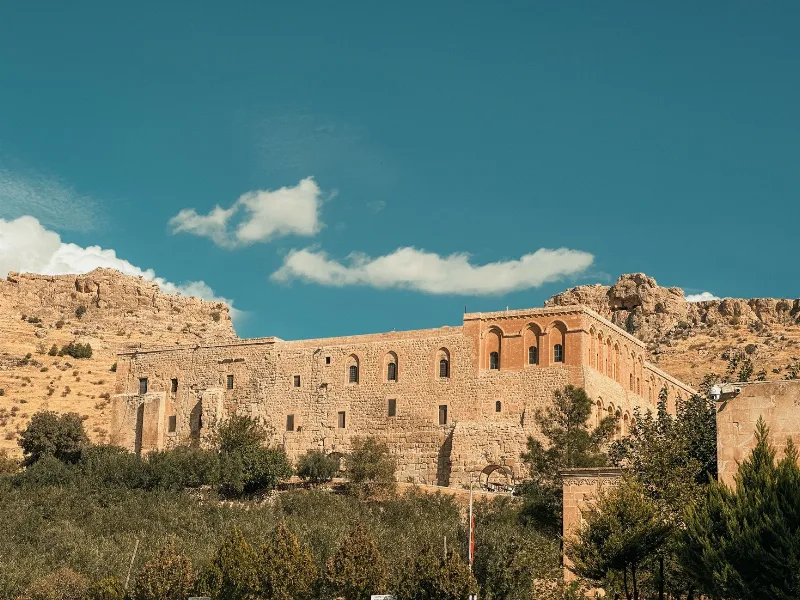
Alahan Monastery
Alahan Monastery is a 5th-century early Christian complex in the Taurus Mountains of Mersin Province, Türkiye, whose basilicas, baptistery, colonnade and rock-cut tombs preserve the plan of a late antique monastery.
Explore →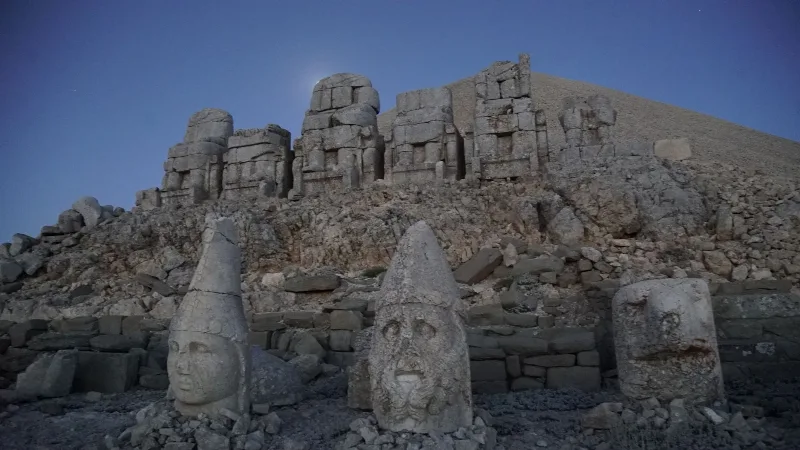
Mount Nemrut
Mount Nemrut in Adıyaman Province is the summit hierothesion of King Antiochus I of Commagene, where colossal statues of gods and a royal ruler stand on terraces above an artificial stone tumulus. The site is a UNESCO World Heritage property whose Greek inscriptions and reliefs record a Hellenistic kingdom of the first century BC.
Explore →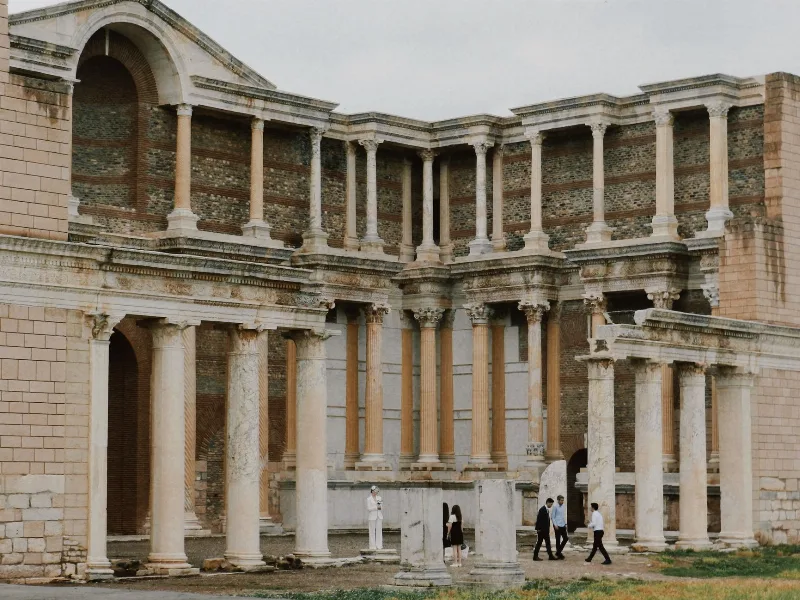
Sardis
Sardis was the Iron Age capital of the Lydian Kingdom in western Anatolia and later a major Roman and Byzantine city. Its surviving monuments include the Temple of Artemis, a vast bath-gymnasium complex and one of the largest ancient synagogues ever found.
Explore →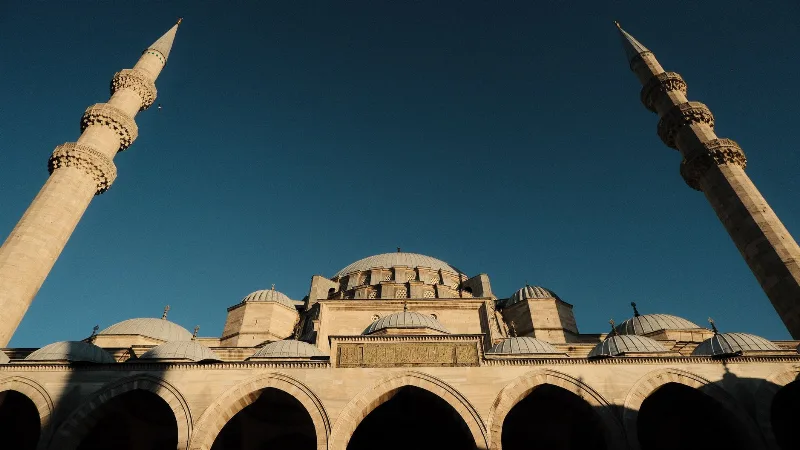
Süleymaniye Mosque
Süleymaniye Mosque is the great Ottoman imperial mosque on Istanbul's Third Hill, built for Sultan Süleyman the Magnificent between 1550 and 1557 to the design of the chief architect Mimar Sinan. It anchors a large charitable complex and forms part of the UNESCO-listed Historic Areas of Istanbul.
Explore →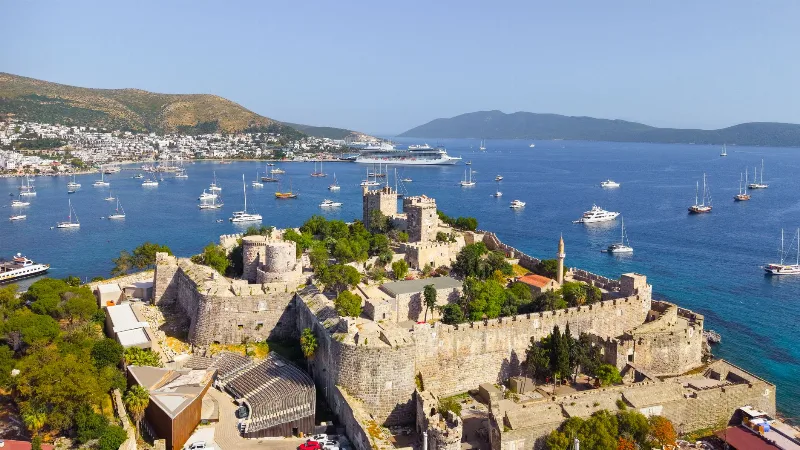
Bodrum Castle
Raised by the Knights Hospitaller above ancient Halicarnassus, Bodrum Castle is both a medieval fortress and the home of one of the world's leading museums of underwater archaeology.
Explore →Related content
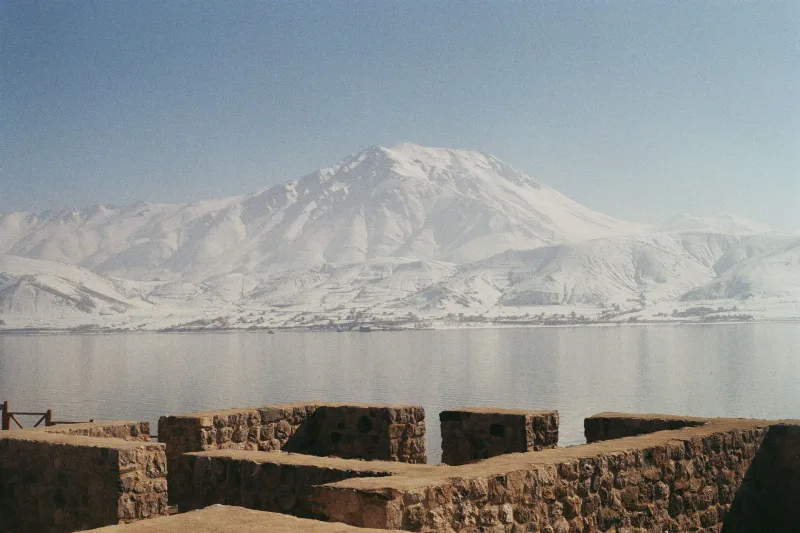
Lake Van
Lake Van is Turkey's largest lake, a vast alkaline soda lake with no outlet, set in the volcanic highlands of Eastern Anatolia at around 1,640 metres. Its unusual chemistry, depth and islands give it a character unlike any other lake in the country.
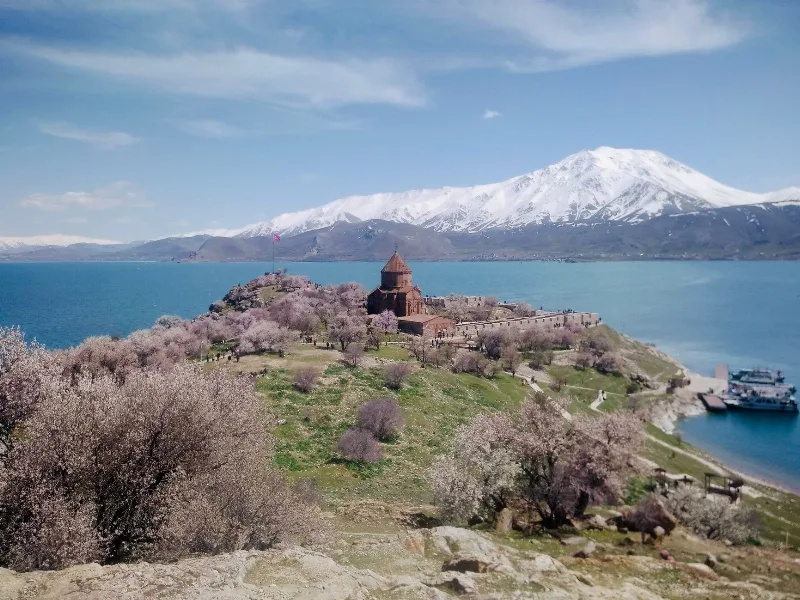
Lake Van
Lake Van is Turkey's largest lake and the world's largest soda lake, located in Eastern Anatolia. It is known for Akdamar Island and its 10th-century Armenian Church of the Holy Cross.
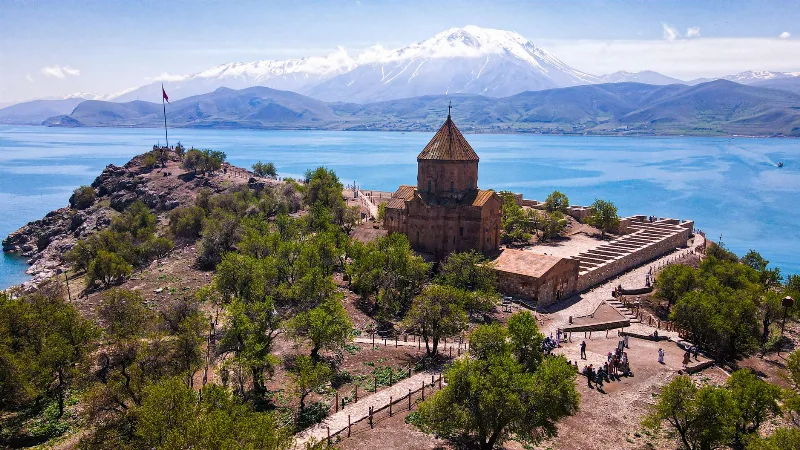
Akdamar Island
Akdamar Island is the largest island in Lake Van, eastern Turkey, and holds the 10th-century Armenian Cathedral of the Holy Cross, whose outer walls are covered in carved biblical reliefs. It is reached by boat from a pier near Gevaş and is usually visited as a day trip from Van.
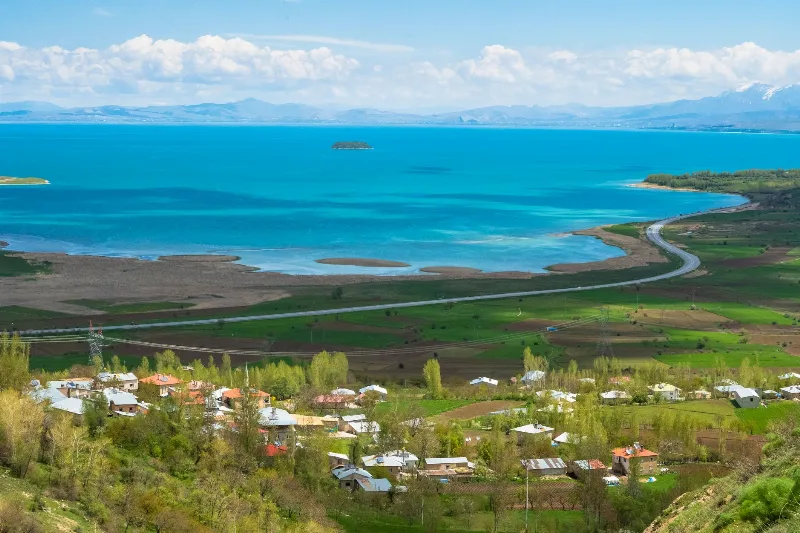
Lake Van and Surrounding Nature
Discover the tranquil beauty of Lake Van, Türkiye's largest lake, and its picturesque surroundings in eastern Türkiye.
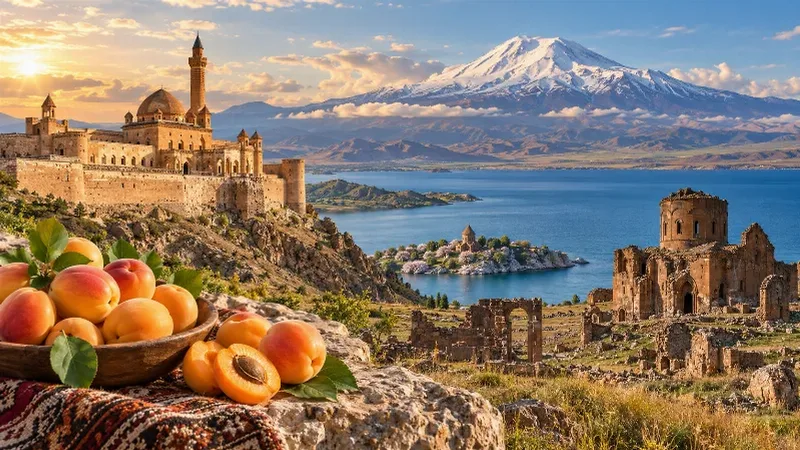
Eastern Anatolia Region
Eastern Anatolia is a region of majestic mountains, vast highlands, beautiful lakes and ancient cultural heritage. Home to Mount Ararat, Lake Van and historic settlements, it offers some of Türkiye's most dramatic natural landscapes alongside distinctive architecture, local traditions and regional cuisine.
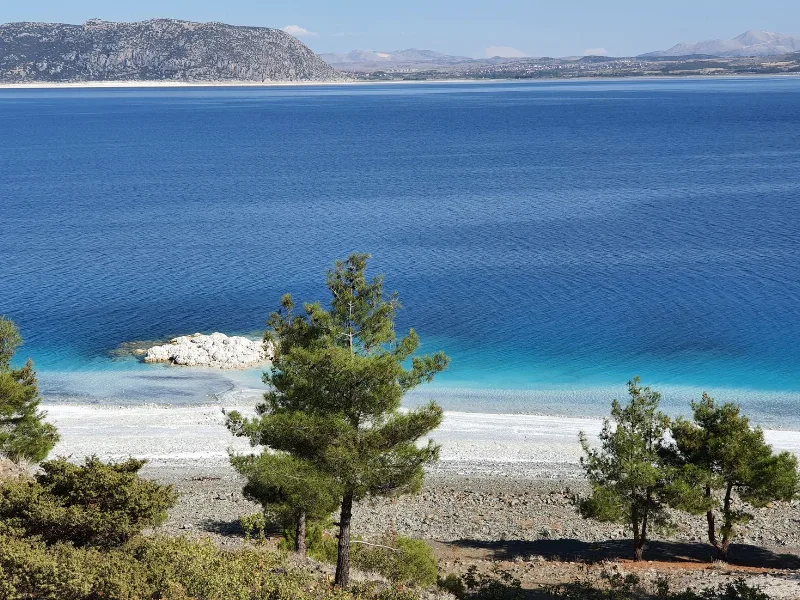
The Serene Lakes of Türkiye
Türkiye’s lakes range from vast soda lakes to salt flats and freshwater basins, each offering calm landscapes and rich wildlife. This page introduces notable lakes across different regions and their seasonal character.