
Bursa
Bursa is a major metropolitan city in northwestern Türkiye and the first great capital of the Ottoman Empire, known for its silk heritage, thermal springs and the mountain of Uludağ rising directly behind it.
Bursa is a large metropolitan city in northwestern Türkiye, within the Marmara Region, set along the southern side of the Sea of Marmara and at the northern foot of Uludağ, the mountain that rises immediately behind the urban area. It is the administrative centre of Bursa Province and one of the country's most populous cities. Several features separate it from other Turkish cities at once: it served as the first major capital of the Ottoman Empire, it has been tied to silk production for centuries, it sits on important thermal springs, and it has a national park and winter sports zone on its own doorstep.
Location and geographical setting
The city occupies a broad plain at the base of Uludağ, with the mountain forming a steep backdrop to the south and the Gulf of Gemlik, an inlet of the Sea of Marmara, opening to the north. This position between sea and mountain has shaped Bursa's growth: the plain provides fertile agricultural land, the coast gives access to maritime trade, and the mountain supplies water, timber and, in modern times, recreation.
Uludağ, the ancient Mount Olympus of Mysia, is the highest point of the wider region and dominates the skyline from almost every part of the city. The provincial territory around Bursa stretches from the coastal districts on the Marmara shore to rural areas and smaller towns further inland and to the east.
The first Ottoman capital
Bursa entered Ottoman hands in the fourteenth century and became the empire's capital before the court eventually moved to Edirne and later to Constantinople. Even after the political centre shifted, the city retained its prestige as a ceremonial and religious centre, and several early Ottoman sultans are buried here. This early role left a dense layer of religious, charitable and commercial foundations across the historic core — mosques, tombs, hospices, schools, baths and markets that were built as part of connected complexes rather than as isolated monuments.
That Ottoman inheritance is still the strongest element of the city's identity, and it explains why so much of the historic fabric sits within a compact area rather than being scattered widely.
Urban character and central districts
Modern Bursa is organised around a few central districts with distinct characters. The older, denser core contains the principal historic monuments and bazaars, including the large multi-domed Great Mosque, the early Ottoman Green Mosque with its adjoining complex, and the covered market area with its bedesten and hans. The silk han in the commercial quarter is one of the clearest reminders of the trade that once defined the city.
To the east, historic neighbourhoods climb toward the slopes of Uludağ and hold further Ottoman complexes and cemeteries. To the west, the city opens into newer residential and industrial districts laid out along wide roads, reflecting Bursa's twentieth-century transformation into a major manufacturing centre. The contrast between the tight historic centre and the broad modern avenues is one of the city's defining features.
Uludağ and the surrounding mountains
Uludağ is protected as a national park and is the single most important natural feature associated with Bursa. Its upper slopes support winter sports, and a cable car line links the lower city with the mountain, making the transition from urban streets to high-altitude forest unusually direct. In summer the same slopes are used for hiking and picnicking, and the forests and meadows of the park are a recognised natural destination in their own right. The mountain also shapes the local climate, catching moisture and tempering conditions in the plain below.
Thermal springs and bathing tradition
Bursa has a long association with thermal waters, which emerge in several parts of the city and its surroundings. Historic bathhouses built around these springs form part of the Ottoman architectural heritage, and the tradition of thermal bathing remains a recognised aspect of local identity rather than a purely modern attraction.
Silk, agriculture and regional produce
Silk is the product most closely linked with Bursa. Mulberry cultivation and sericulture supported a weaving industry that connected the city to wider trade networks, and silk still appears in the local economy and in the names of central commercial buildings. Beyond silk, the fertile plain and surrounding districts produce fruit and other crops, while the coastal belt around Gemlik is associated with olives and olive oil. Chestnuts, peaches and other produce are part of the region's agricultural character. These are elements of local identity and regional produce rather than a dining guide.
Villages and the wider district
The countryside around Bursa includes historic villages that preserve traditional Ottoman rural architecture, and they are closely tied to the city's history and to the mountain's foothills. Their relationship to Bursa is best understood as part of the district's wider settlement pattern, and detailed coverage belongs with the material dedicated to villages and small towns.
Climate and when conditions generally suit a visit
Bursa sits in a transitional climatic zone, combining Mediterranean influences with more continental conditions inland and at altitude. Summers are generally hot and dry in the plain, while winters are cool and wet in the city and snowy on the upper slopes of Uludağ. Spring and autumn usually bring the mildest and most stable conditions for exploring the historic centre and the surrounding landscape, and the mountain's snow season falls in the colder months.
Reaching Bursa and its place in the region
Bursa is well connected within the Marmara Region. Road links run to Istanbul and to other major cities, and ferry services across the Sea of Marmara connect the city's coastal districts with the northern shore, making the crossing part of the everyday geography of the area. The city also has its own airport serving the province. Because of this position, Bursa functions as a hub between the Marmara coast, the inland regions to the south and east, and the mountain zone above it.
For anyone planning a visit, the useful way to think about Bursa is as three overlapping places: an Ottoman historic city with a dense core of monuments and markets, a modern industrial and metropolitan centre, and a mountain-and-coast geography that includes Uludağ, the thermal springs and the Marmara shoreline. Understanding that combination explains both what the city looks like and why it developed where it did.
Discover Food in Türkiye
All food →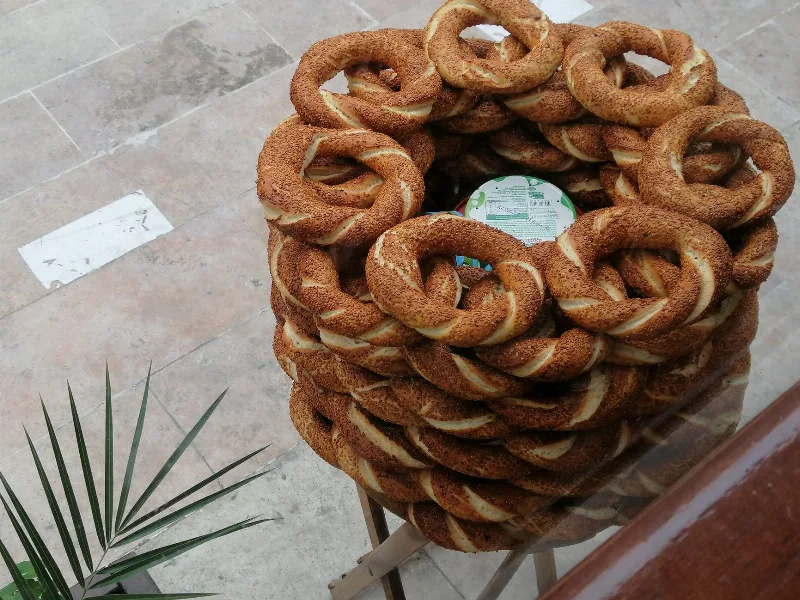
Simit
Simit is a ring-shaped Turkish bread covered in sesame seeds, strongly associated with Istanbul and sold as everyday street food. It is eaten fresh, most often with tea, and has a crisp crust around a chewy crumb.
Explore →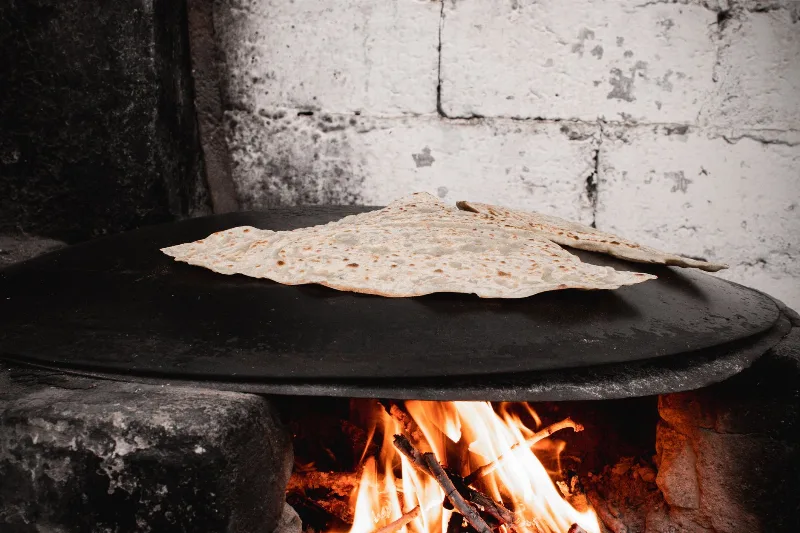
Bazlama
Bazlama is a soft, thick Turkish flatbread made from a leavened dough and cooked on a hot griddle. It is a staple of village baking across Anatolia, eaten warm with butter or used to wrap other foods.
Explore →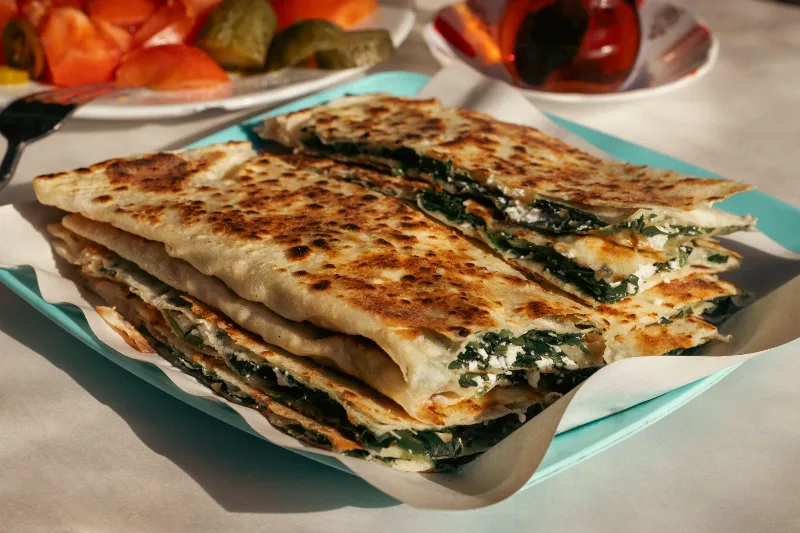
Gözleme
Gözleme is a thin, hand-rolled Anatolian flatbread folded around savory fillings such as cheese, spinach, or minced meat and cooked on a sac griddle. The article covers its regional variations, cooking method, texture, and traditional serving style.
Explore →Related content
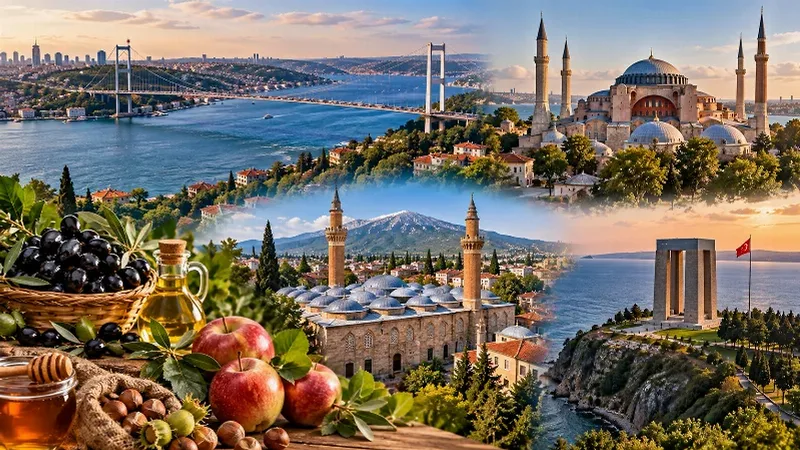
Marmara Region
The Marmara Region connects Europe and Asia, bringing together historic cities, beautiful coastlines, green landscapes and a rich cultural heritage. From Istanbul's iconic skyline to the peaceful shores of the Marmara Sea, the region offers a remarkable variety of places to discover.
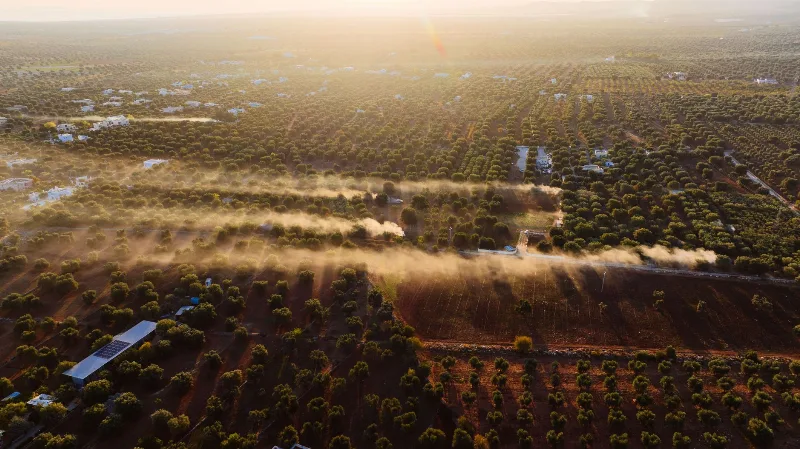
Gemlik
Gemlik is a coastal district of Bursa Province on the Gulf of Gemlik, an inlet of the Sea of Marmara, known for its olive groves, its working port and its position between Bursa and Istanbul.
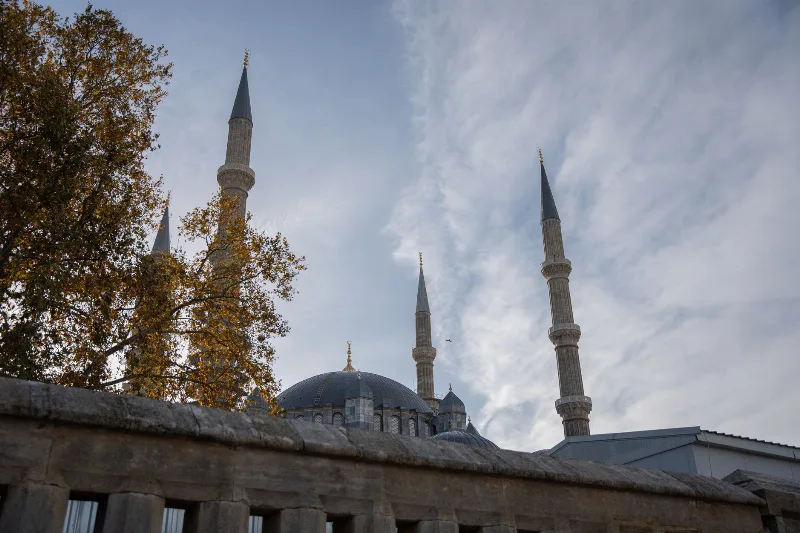
Edirne
Edirne is a northwestern Turkish city near the Greek and Bulgarian borders, renowned for its Ottoman heritage, particularly the Selimiye Mosque, and for hosting the annual Kırkpınar oil wrestling festival.
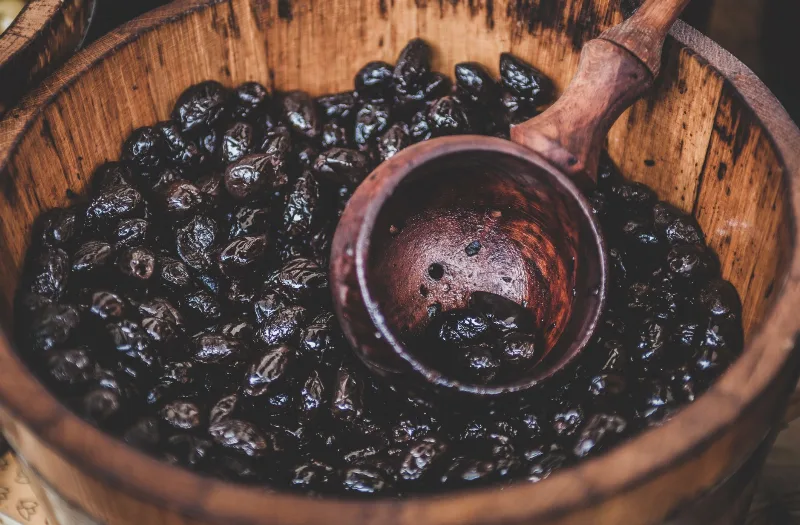
Gemlik Olives
Gemlik olives are the small, dark table olives grown around the Gulf of Gemlik in Bursa province, where the mild climate of the Marmara coast shapes their firm texture and rich, faintly bitter flavour.
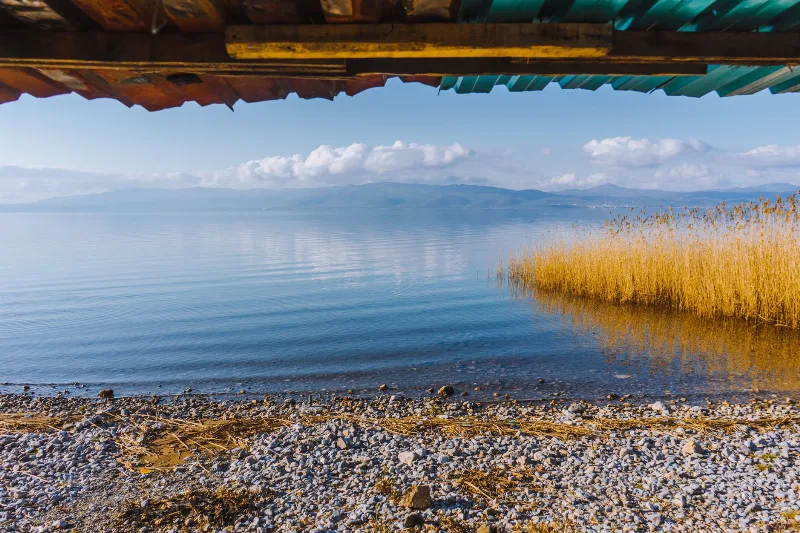
Lake İznik
Lake İznik is a large freshwater lake in Bursa Province, northwestern Türkiye, held in a tectonic basin between the towns of İznik and Orhangazi and edged by hills, olive groves and farmland.
Why Turkish Food Changes from Region to Region
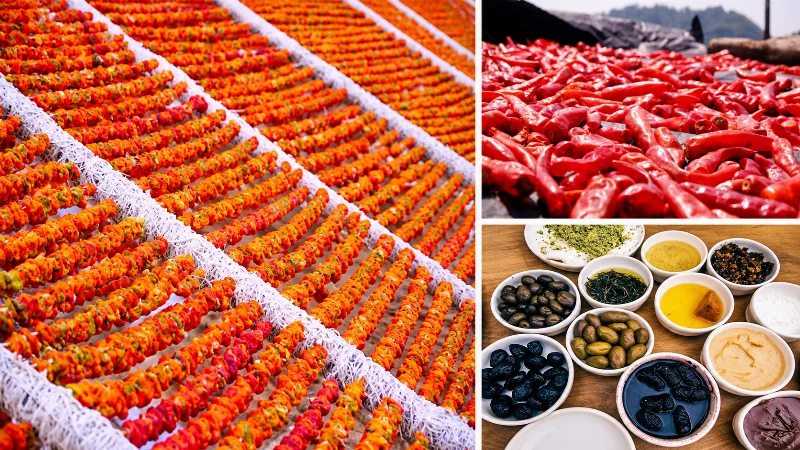
Climate, geography, agriculture and local history shape the ingredients, cooking methods and everyday dishes found across Türkiye. Türkiye’s cuisine is often described as a single national tradition, but food changes considerably from one region to another. Coastal climate, mountain geography, agricultural production, local history and available ingredients all influence what is cooked and how meals are prepared. A dish common on the Black Sea coast may be uncommon in southeastern Türkiye, while ingredients associated with the Aegean can play a much smaller role in the interior. These regional differences form one of the main characteristics of Turkish food culture.