
Gemlik Olives
Gemlik olives are the small, dark table olives grown around the Gulf of Gemlik in Bursa province, where the mild climate of the Marmara coast shapes their firm texture and rich, faintly bitter flavour.
Gemlik olives are a black olive variety that takes its name from the Gemlik district on the coast of the Sea of Marmara, in Bursa province in northwestern Türkiye. The trees grow across the hillsides, slopes and coastal plains surrounding the Gulf of Gemlik, where sea air, mild winters and calcareous soils have supported olive growing for a very long time. Unlike the larger and rounder olives of the Aegean coast, Gemlik olives are small to medium in size, oval in shape and known for a firm bite and a full, slightly bitter flavour. That combination of a specific district and a recognizable olive is why the name Gemlik is used as an origin marker for the fruit grown there.
What Distinguishes the Gemlik Olive
The fruit is oval and fairly small, with a thin skin that turns from green to purple and then to a deep, almost black colour as it ripens. The flesh is firm rather than soft, and the stone is comparatively small, which makes the olive well suited to being eaten whole. Gemlik is regarded as a dual-purpose variety: it is valued as a table olive and also pressed for oil, since its oil content is relatively high for an olive that is eaten as fruit.
The tree itself is part of what ties the variety to this region. Gemlik trees are considered hardier in cold than many olive varieties grown further south along the Aegean and Mediterranean coasts, and this tolerance is one of the reasons the variety has spread around the cooler shores of the Marmara and the Black Sea. Olive trees are also alternate bearers, producing a heavier crop in some years and a lighter one in others, which shapes how growers plan their harvest.
Where Gemlik Olives Are Grown
The heart of production is the Gemlik district itself and the neighbouring districts around the Gulf of Gemlik, including Mudanya, Orhangazi, İznik and the wider Bursa countryside. The gulf moderates temperatures throughout the year, keeping winters milder than the inland plateau and summers warm without the extremes of Türkiye's interior. Olive groves here occupy gentle slopes and coastal terraces, often mixed with other Mediterranean crops.
Beyond Bursa, the Gemlik variety is also planted in other parts of the Marmara region and along parts of the Black Sea coast, where conditions are similar. Even so, the district of Gemlik remains the reference point for the variety, and the olives grown on those slopes are the ones most closely associated with the name.
Climate and Soil Behind the Flavour
Olives need a long, warm growing season with plenty of sun, a distinct but not severe winter, and soils that drain freely. The Gulf of Gemlik provides all three. The sea stores heat through the summer and releases it in winter, softening frosts that would otherwise damage the trees. Rainfall in this part of Bursa falls mainly in winter and spring, supplying the groves without the heavy summer humidity that encourages fungal problems on the fruit.
The soils around the gulf are often sandy-loam and stony, sometimes with limestone beneath, which drains quickly and encourages the roots to reach deep. Stressed, well-drained soils are traditionally thought to concentrate flavour in the fruit, and the slightly bitter, aromatic character of Gemlik olives is usually attributed to this combination of climate and terrain rather than to any single factor. Elevation matters as well: groves on the lower slopes facing the water ripen earlier and more evenly than those higher up or further inland.
The Growing Cycle and the Harvest
Olive trees flower in late spring, producing tiny, pale blossoms that are wind-pollinated. The fruit sets through early summer and swells through the hot months, gradually changing colour as autumn advances. The harvest usually begins in autumn and continues into the winter, with the timing depending on whether the olives are destined to be green or black.
Olives picked while still green and firm are used for green table olives, while fruit left on the tree to darken is harvested later for black table olives and for oil. Because the fruit is easily bruised, harvesting is still often done by hand or with small rakes and comb-like tools that bring the olives down onto nets spread beneath the trees. The olives are then sorted quickly, since the time between picking and processing affects both texture and flavour.
From Bitter Fruit to Table Olive
Raw olives are intensely bitter and cannot be eaten straight from the tree. The bitterness comes from compounds in the flesh that must be removed before the fruit is edible, and curing is the step that makes Gemlik olives a table product. The traditional methods used in and around Gemlik include soaking the olives in water that is changed regularly, storing them in brine, or packing them in dry salt. Each method gives a slightly different result: water curing tends to leave a milder olive, while brine and salt curing preserve more of the firmness and the characteristic bitterness that the variety is known for.
After curing, the olives are graded by size, sometimes slit or cracked to speed up the process, and stored in brine until they are ready to be eaten. Olive oil pressing also takes place locally, using fruit that is not selected for the table. The short distance between grove, curing facility and press is part of why the district's olives and oil retain a recognizable local character.
The Olive Landscape and Local Economy
Olive growing has shaped the countryside around the Gulf of Gemlik for generations, and groves are a defining feature of the district's landscape alongside its coastline and small towns. The crop supports not only growers but also the curing, packing and oil-pressing activity that follows the harvest, and the seasonal demand for pickers brings people into the groves each winter. Olive trees are long-lived and often passed down within families, so the groves carry both economic and cultural weight in the area.
How Gemlik Olives Are Used
Gemlik olives are most often eaten as they are, served at breakfast alongside cheese, bread and tea, or set out as part of a mezze spread. Their firm texture and slightly bitter, savoury flavour make them a natural pairing with milder foods, and they are also used in salads, pastries and cooked dishes where the fruit is added whole or chopped. Oil pressed from the same groves is used for dressing, cooking and preserving, closing the loop between the olive and the kitchen.
Related Growing Areas
While Gemlik is the name most closely bound to Bursa, olive growing continues along the Marmara coast and into neighbouring provinces, and other Turkish regions are known for their own distinct varieties, such as the oil-focused olives of the northern Aegean. For anyone tracing the origin of a particular olive, the district name on the label is usually the clearest signal of where the fruit was grown and which local conditions shaped it.
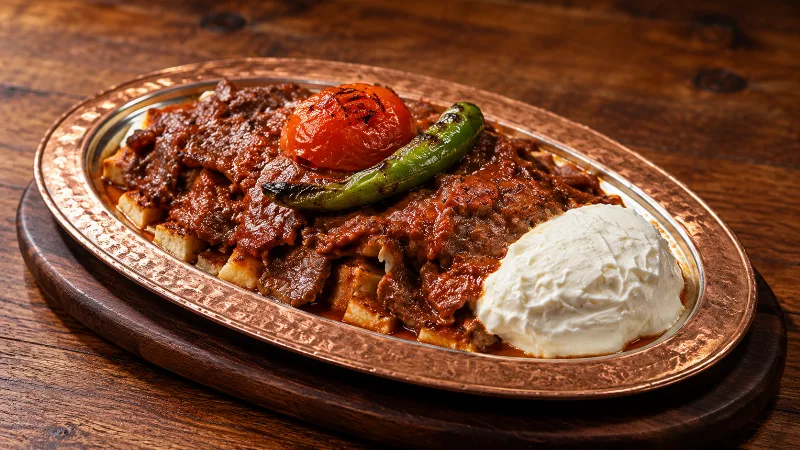
İskender Kebabı
A Bursa specialty made with thin slices of döner served over pide bread with tomato sauce, butter and yogurt.
Explore →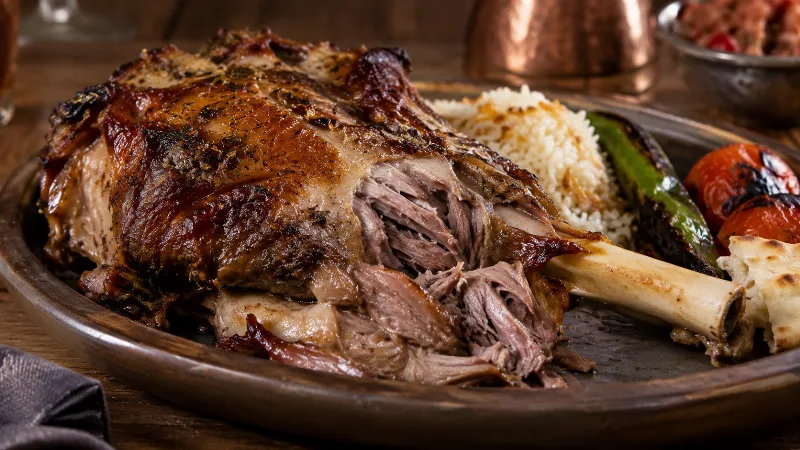
Kuzu Tandır
Kuzu tandır is slow-roasted lamb cooked in a sealed clay tandır oven, a method strongly associated with eastern Anatolia, especially Erzurum, that yields crisp, browned skin and very tender, juicy meat.
Explore →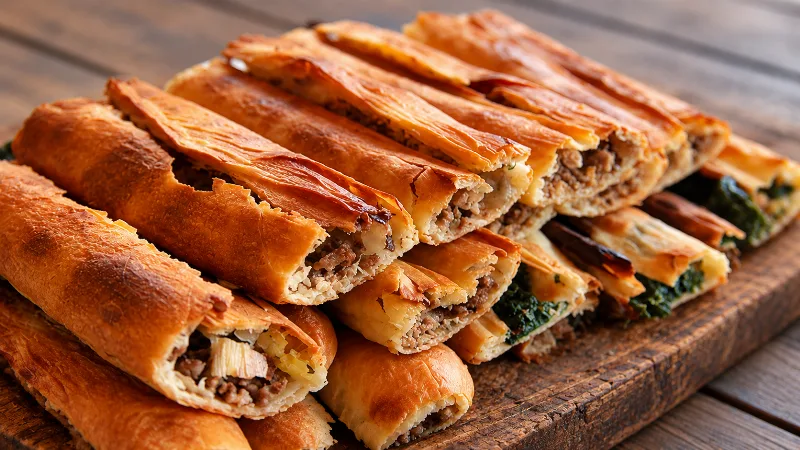
Bafra Pidesi
Bafra Pidesi is a soft, boat-shaped Turkish pide from the Bafra district of Samsun on the Black Sea coast, filled with ground meat, cheese or vegetables and baked quickly in a very hot oven.
Explore →Related content
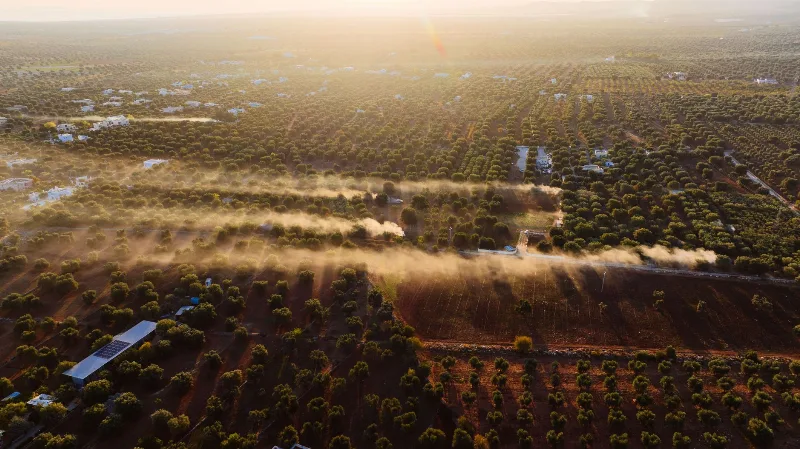
Gemlik
Gemlik is a coastal district of Bursa Province on the Gulf of Gemlik, an inlet of the Sea of Marmara, known for its olive groves, its working port and its position between Bursa and Istanbul.
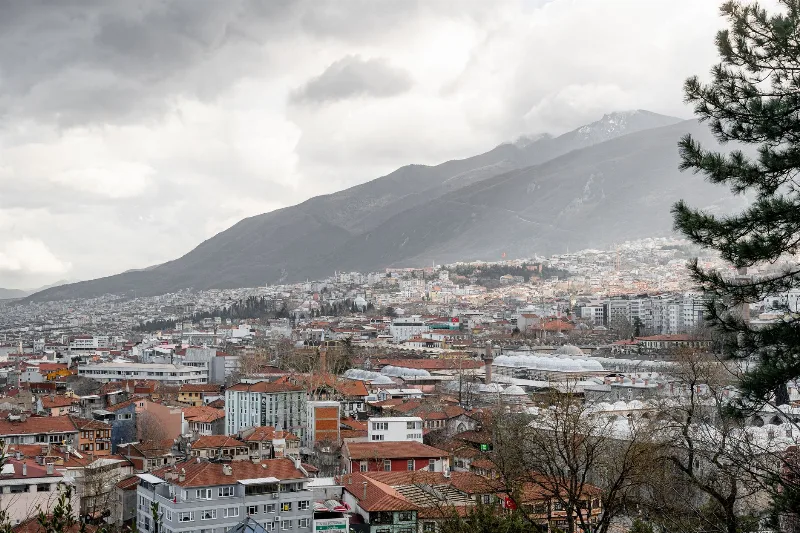
Bursa
Bursa is a major metropolitan city in northwestern Türkiye and the first great capital of the Ottoman Empire, known for its silk heritage, thermal springs and the mountain of Uludağ rising directly behind it.
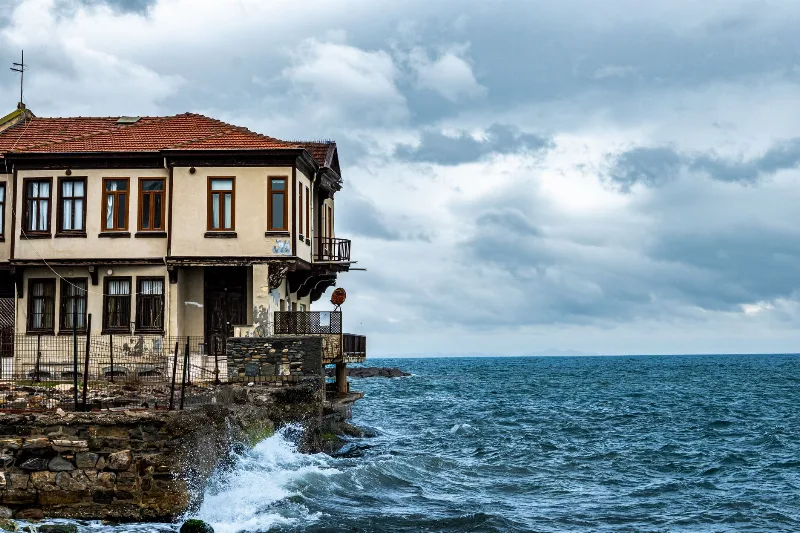
Mudanya
Mudanya is a coastal district of Bursa Province on the southern shore of the Sea of Marmara, known for the house where the 1922 Armistice of Mudanya was signed, its working harbour, and its long shoreline of olive groves and former Greek villages.
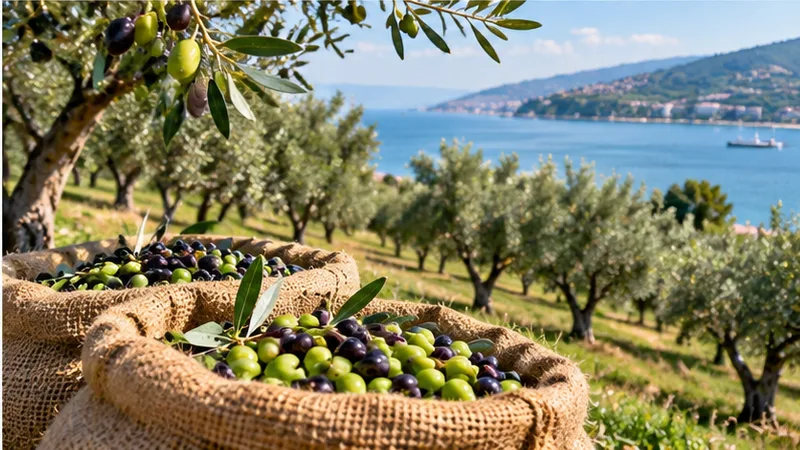
Olive Harvest in Gemlik, Bursa
Each winter, the groves around Gemlik on the Sea of Marmara are stripped of their small dark olives, and the fruit is turned into table olives and oil within days of picking. The harvest normally runs from November into January, and its exact timing depends heavily on how the autumn weather unfolds.
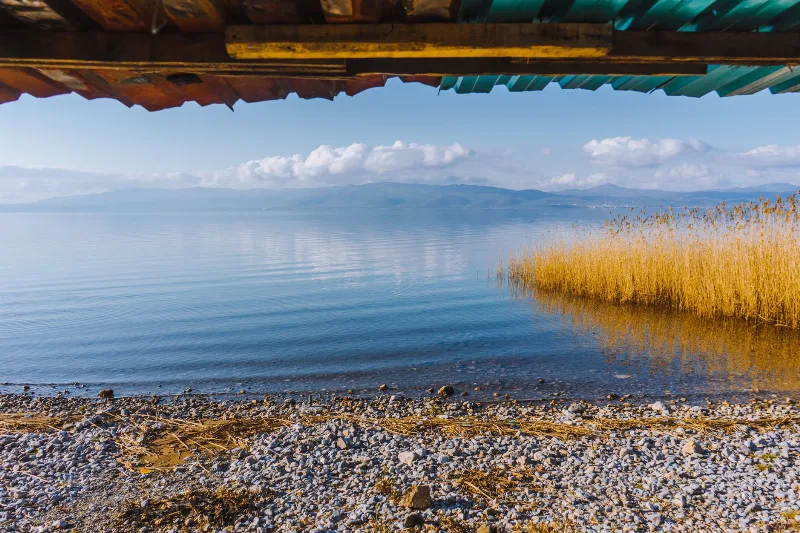
Lake İznik
Lake İznik is a large freshwater lake in Bursa Province, northwestern Türkiye, held in a tectonic basin between the towns of İznik and Orhangazi and edged by hills, olive groves and farmland.
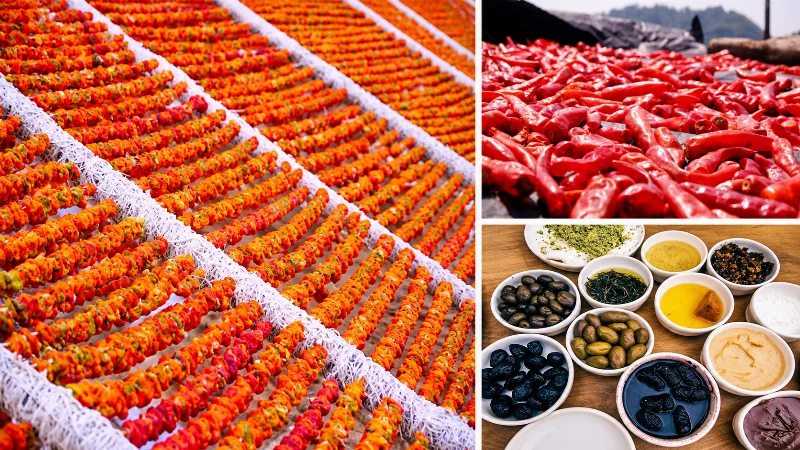
Why Turkish Food Changes from Region to Region
Climate, geography, agriculture and local history shape the ingredients, cooking methods and everyday dishes found across Türkiye. Türkiye’s cuisine is often described as a single national tradition, but food changes considerably from one region to another. Coastal climate, mountain geography, agricultural production, local history and available ingredients all influence what is cooked and how meals are prepared. A dish common on the Black Sea coast may be uncommon in southeastern Türkiye, while ingredients associated with the Aegean can play a much smaller role in the interior. These regional differences form one of the main characteristics of Turkish food culture.