
Olive Harvest in Gemlik, Bursa
Each winter, the groves around Gemlik on the Sea of Marmara are stripped of their small dark olives, and the fruit is turned into table olives and oil within days of picking. The harvest normally runs from November into January, and its exact timing depends heavily on how the autumn weather unfolds.
The olive harvest in Gemlik, a district of Bursa province on the southern shore of the Sea of Marmara, is the annual picking of the Gemlik olive — a small, dark, firm-fleshed cultivar grown almost nowhere else at this scale. It normally begins in November and continues into January, with the earliest fruit taken in late autumn and the last trees often cleared in the middle of winter. That window matters because the olive changes significantly across those weeks: picked early, the fruit is firm and slightly green-black and is well suited to being cured as a table olive; left longer, it ripens fully, softens and accumulates more oil, which changes both the yield and the character of what is pressed from it.
Where the Groves Are
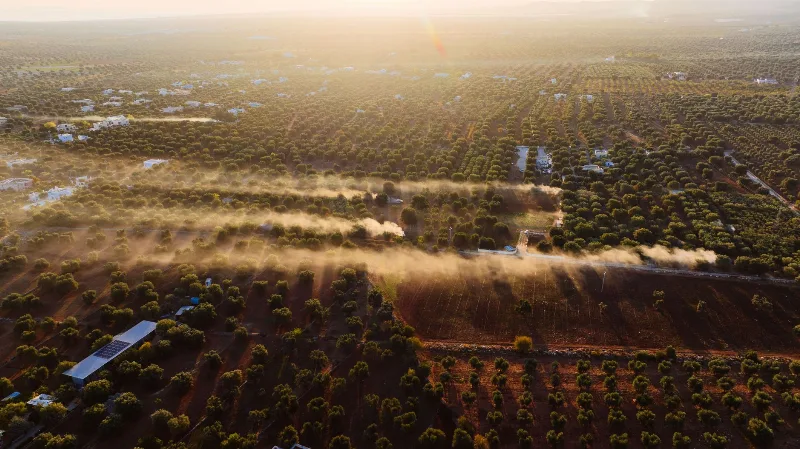
The harvest is concentrated on the low hills and slopes that surround the Gulf of Gemlik and stretch west along the coast towards Mudanya. Groves are mixed into the landscape rather than separated from it: olive terraces sit above the shoreline, behind the town, and on the ridges that look out over the water. The villages of Umurbey and Tirilye, also known as Zeytinbağı, are part of the same belt and have long histories tied to olive growing. Because the trees are close to the sea, the groves benefit from the moderating influence of the Marmara, which keeps winters milder than in the higher inland parts of Bursa.
When the Season Happens and Why the Dates Move
The usual window is November to January, but the start is rarely identical two years running. A warm, dry autumn tends to hold the fruit on the tree longer, pushing picking later; a cool autumn with early rain can bring the work forward. Growers also decide when to pick based on what the crop is intended for and on the risk of weather damage — heavy rain softens the fruit and makes the ground difficult, while an early frost can spoil olives that are still hanging. For that reason, timing is usually described as a period rather than a date.
How the Harvest Progresses
Early in the season, pickers often take fruit selectively, choosing the olives that are firm enough for curing. As the weeks pass, the fruit darkens and softens, and the emphasis shifts towards oil. Traditional picking is still common: olives are worked from the branches by hand or with small rakes and combs, and nets or sheets are spread beneath the trees so that nothing is lost in the grass. Ladders, canvas sacks and crates appear along the grove tracks, and the same trees may be gone over more than once before the season ends. Mechanical shakers and larger-scale methods are used in some groves, but the smaller family plots still rely on manual work.
What the Landscape Looks Like
During the harvest, the groves take on their winter appearance: the leaves turn a duller silver-green, the light is low and often hazy over the gulf, and the ground beneath the trees is covered with nets and fallen fruit. Mornings can be misty along the coast, with clearer, colder afternoons. The hills above the bay show the structure of the terraces more clearly than in summer, when dense foliage hides them, and the olive-coloured slopes contrast with the grey-blue water. Rain is frequent, and the soil in the groves becomes heavy and slippery.
From Grove to Oil
Because fresh olives deteriorate quickly, fruit picked for oil is generally taken to a press within a day or two. Early-season oil, made from less ripe fruit, tends to be greener and more peppery; oil pressed later in the season is usually softer and milder. The same cultivar is also cured and sold as table olives, which is one reason the harvest is not a single event but a series of decisions made tree by tree across several weeks. Small presses in the area operate intensively while the season lasts, and the smell of freshly pressed olives is a recognisable part of the winter months here.
What a Visitor Can Realistically See
This is working agricultural land, not a staged attraction. Visitors walking the grove tracks around Gemlik, Umurbey and the coastal route towards Tirilye may see families picking, nets laid out under the trees, and sacks of fruit waiting to be moved. What is visible on any given day depends on the grove, the weather and how far the season has advanced; some plots may already be finished while others are untouched. The most reliable way to understand the process is simply to observe the activity in the groves and the small pressing operations that run during the harvest period.
Conditions to Expect
Days are typically mild and wet, with temperatures often in the low teens and colder nights; frost is uncommon right on the coast but can occur inland. Mud is a practical issue in the groves, and paths on the slopes can be uneven and slick after rain. Waterproof footwear and a windproof layer are more useful than light summer clothing, and daylight is short, so most picking activity happens in the middle of the day.
Year-to-Year Variation
Olives are prone to alternate bearing, meaning a heavy crop is often followed by a lighter one, so the amount of fruit on the trees can differ sharply between consecutive years. Drought, unusual heat during flowering, and winter frosts can all reduce the crop or alter its timing. The harvest therefore shifts both in when it starts and in how long it lasts, and anyone planning to see it should treat the November-to-January window as a guide rather than a fixed schedule.
Connected Places in the Same Season
The same harvest extends along the coast to Mudanya and towards Tirilye, where olive growing is part of the local identity and the groves continue almost without a break. Because the whole belt shares a similar climate and the same cultivar, the timing of picking in these neighbouring areas usually overlaps closely with Gemlik itself, making the wider Gulf of Gemlik coastline the most consistent place to experience the season.
EXPLORE BY THEME
All themes →
Related content
Gemlik
Gemlik is a coastal district of Bursa Province on the Gulf of Gemlik, an inlet of the Sea of Marmara, known for its olive groves, its working port and its position between Bursa and Istanbul.
Bursa
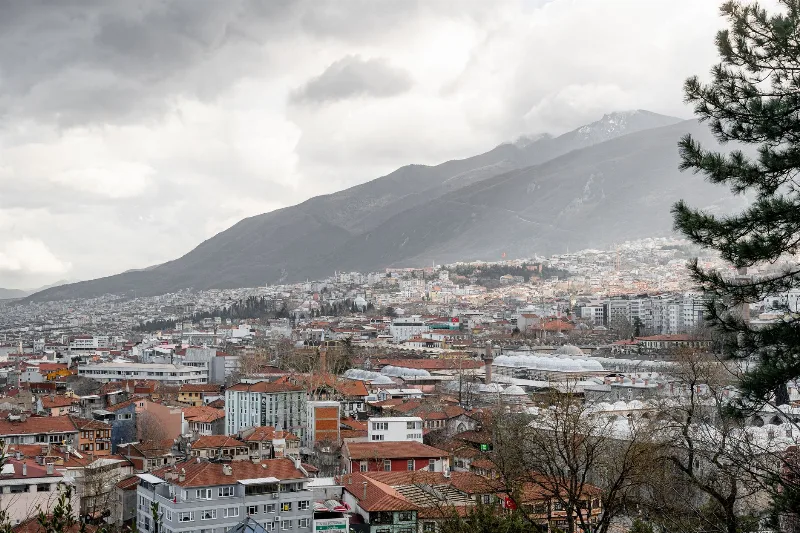
Bursa is a major metropolitan city in northwestern Türkiye and the first great capital of the Ottoman Empire, known for its silk heritage, thermal springs and the mountain of Uludağ rising directly behind it.
Mudanya
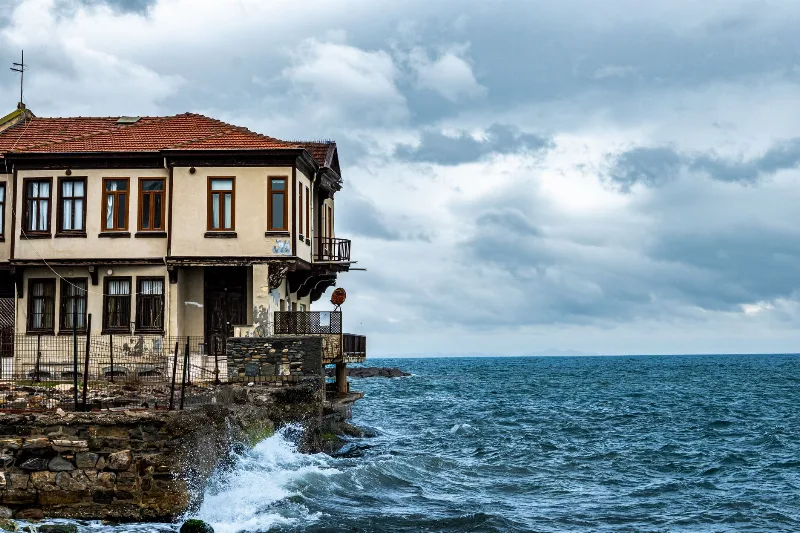
Mudanya is a coastal district of Bursa Province on the southern shore of the Sea of Marmara, known for the house where the 1922 Armistice of Mudanya was signed, its working harbour, and its long shoreline of olive groves and former Greek villages.
Gemlik Olives
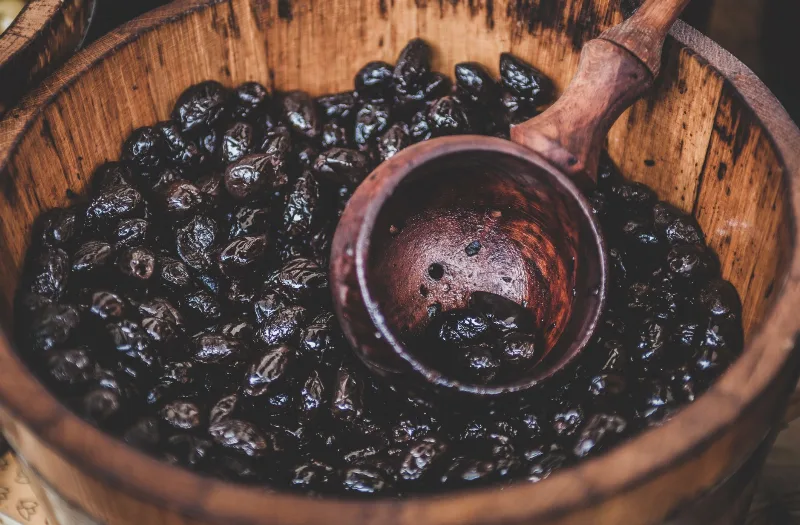
Gemlik olives are the small, dark table olives grown around the Gulf of Gemlik in Bursa province, where the mild climate of the Marmara coast shapes their firm texture and rich, faintly bitter flavour.
Lake İznik
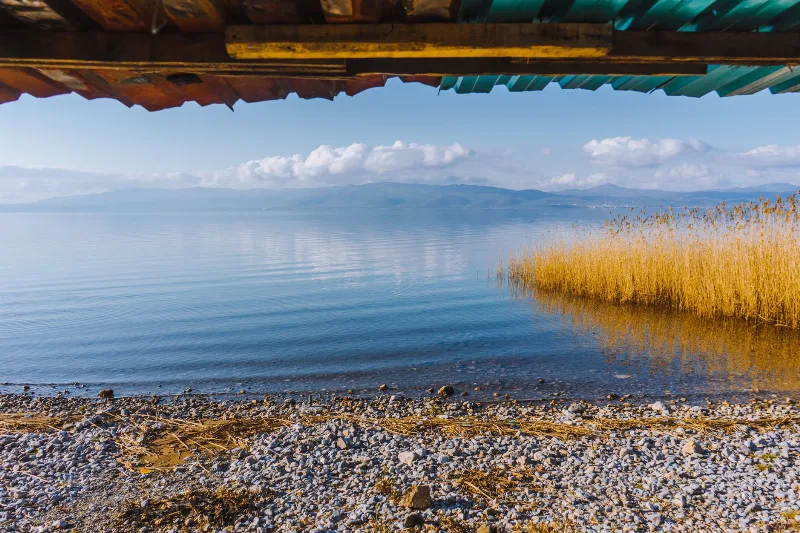
Lake İznik is a large freshwater lake in Bursa Province, northwestern Türkiye, held in a tectonic basin between the towns of İznik and Orhangazi and edged by hills, olive groves and farmland.
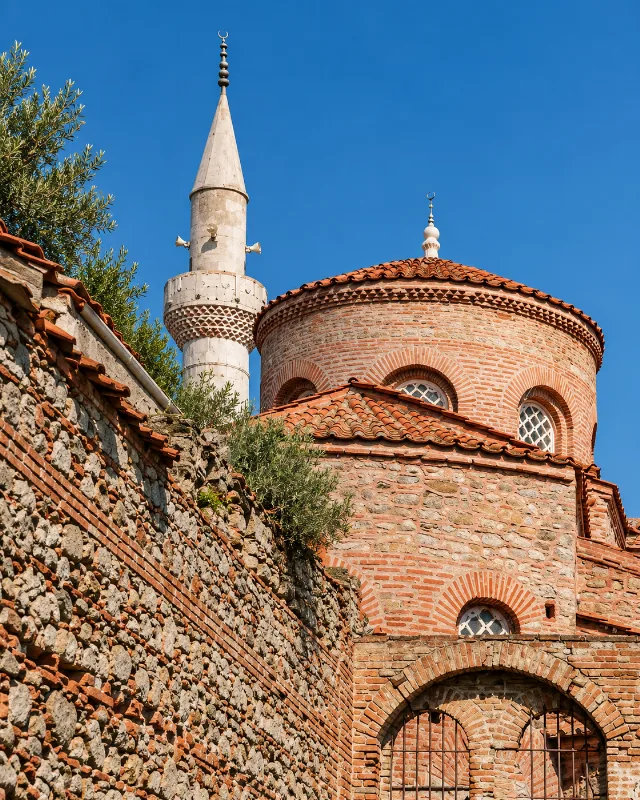
Trilye
Trilye, also known as Tirilye or Zeytinbağı, is a coastal town in Mudanya, Bursa, with a rich Greek heritage, traditional stone houses, and extensive olive groves.