
Edirne
Edirne is a northwestern Turkish city near the Greek and Bulgarian borders, renowned for its Ottoman heritage, particularly the Selimiye Mosque, and for hosting the annual Kırkpınar oil wrestling festival.
Edirne is a city in northwestern Türkiye, located in Edirne Province within the region of East Thrace. It lies close to the borders with Greece and Bulgaria and is primarily distinguished by its extensive Ottoman heritage, most notably the Selimiye Mosque, and by the annual Kırkpınar oil wrestling festival.
Geographical Setting and Location
Edirne sits on the Meriç River, near the confluence of the Tunca and Arda rivers, in a broad plain that forms part of the Thracian lowlands. The city is roughly 230 kilometers northwest of Istanbul and functions as a border city, with Greek territory to the west and Bulgarian territory to the north. The surrounding landscape is mostly flat agricultural land, with low hills in the distance. The rivers shape the city's layout, and several historic bridges connect different quarters. The climate is transitional between Mediterranean and continental, featuring hot summers and cold, sometimes snowy winters. Spring and autumn are generally the most comfortable seasons for exploring the city.
Ottoman Capital and Historical Development
Edirne served as the capital of the Ottoman Empire from the mid-14th century until the conquest of Constantinople in 1453. During this period, it became a major political, commercial, and cultural center. Many Ottoman monuments were built here, including mosques, madrasas, caravanserais, and bridges. After the capital moved to Istanbul, Edirne remained an important provincial city and a gateway to the Balkans. Its historic core reflects this layered past, with buildings from the 15th to the 19th centuries. The city also has a significant Jewish and Greek heritage, though the population changed dramatically in the early 20th century.
Selimiye Mosque and Architectural Heritage
The Selimiye Mosque is Edirne's most famous landmark and a masterpiece of Ottoman architect Mimar Sinan. Completed in 1575, it is considered the pinnacle of his career and is a UNESCO World Heritage Site. The mosque complex includes a madrasa, a hospice, and a covered market. Other notable Ottoman structures include the Üç Şerefeli Mosque, the Old Mosque (Eski Cami), and the Bayezid II Complex, which houses a health museum. The city's skyline is punctuated by domes and minarets, and its historic bazaars, such as the Ali Pasha Bazaar, still operate.
The Kırkpınar Oil Wrestling Festival
Edirne is also known for the annual Kırkpınar oil wrestling festival, a traditional Turkish sport that has been held since the 14th century. The event takes place in Sarayiçi, a historic area that was once part of the Ottoman palace grounds. Wrestlers cover themselves in olive oil and compete for the title of başpehlivan. The festival is inscribed on UNESCO's Intangible Cultural Heritage list and attracts visitors from across Turkey and beyond. It usually occurs in late June or early July and is a major cultural event in the region.
Rivers, Bridges, and Natural Surroundings
The Meriç, Tunca, and Arda rivers are central to Edirne's geography. Several historic bridges cross these waterways, including the Meriç Bridge, the Tunca Bridge, and the Fatih Bridge. These bridges are not only functional but also landmarks that reflect the city's Ottoman past. The riverside areas are popular for walks and picnics. While Edirne has no coastline, the nearby Aegean coast can be reached within a few hours, with places like Enez and Erikli offering beaches. Inland, the surrounding countryside is characterized by sunflower fields, vineyards, and small villages.
Old Town, Bazaars, and Urban Character
The historic center of Edirne is compact and walkable. Saraçlar Street is a pedestrian thoroughfare lined with shops and cafes, leading to the Selimiye Mosque. The old bazaar district includes the Bedesten, a covered market for textiles and valuables. The Kaleiçi area contains traditional houses and narrow streets. The city has a relaxed atmosphere, with a mix of Ottoman monuments, modern buildings, and green spaces. The population is around 180,000, making it a medium-sized city.
Climate and Best Time to Visit
Edirne experiences a transitional climate with hot, dry summers and cold, wet winters. Snowfall is common in winter, and temperatures can drop below freezing. Summer temperatures often exceed 30°C. The best times to visit are spring (April to June) and autumn (September to November), when the weather is mild and the city is less crowded. The Kırkpınar festival in early summer draws large crowds, so accommodation may be scarce then.
Nearby Places and Regional Connections
Edirne is well connected by road to Istanbul, about a 2.5-hour drive, and to other cities in Thrace such as Kırklareli and Tekirdağ. There are also train services from Istanbul. The border crossings at Kapıkule (to Bulgaria) and Pazarkule (to Greece) are nearby. From Edirne, it is possible to visit the ancient city of Didymoteicho in Greece or the Bulgarian town of Svilengrad. Within Turkey, the Gallipoli Peninsula and the Aegean coast are within a day's trip. The city serves as a gateway between Turkey and Europe, and its cultural mix reflects that position.
Practical Geographical Context
For travelers, Edirne is a manageable city to explore on foot. The main sights are clustered around the center, and local buses or taxis can reach the outer areas. The city is not a resort destination but a historic and cultural stop. It is often visited as a day trip from Istanbul or as a first or last stop when entering or leaving Turkey by land. The surrounding region is known for agriculture, particularly sunflower oil, cheese, and fruits. Edirne's identity is tied to its Ottoman past, its rivers, and its border location.
Discover Food in Türkiye
All food →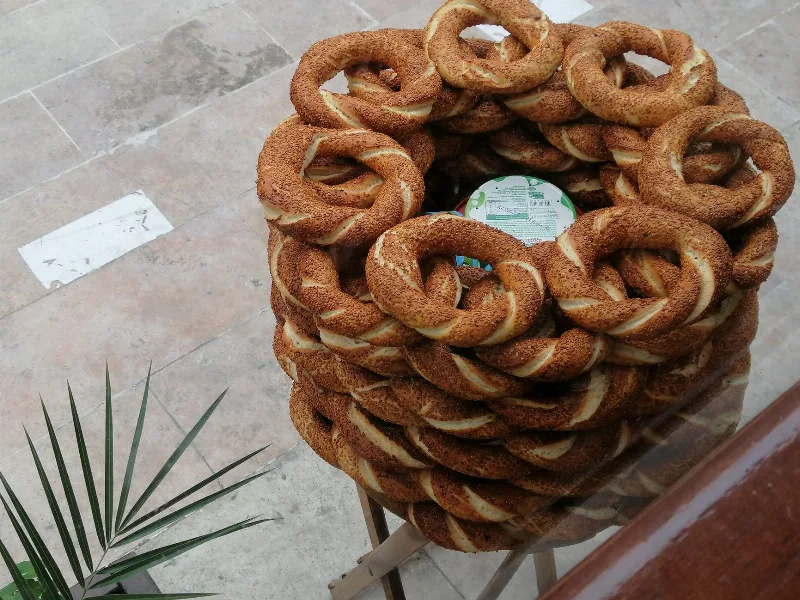
Simit
Simit is a ring-shaped Turkish bread covered in sesame seeds, strongly associated with Istanbul and sold as everyday street food. It is eaten fresh, most often with tea, and has a crisp crust around a chewy crumb.
Explore →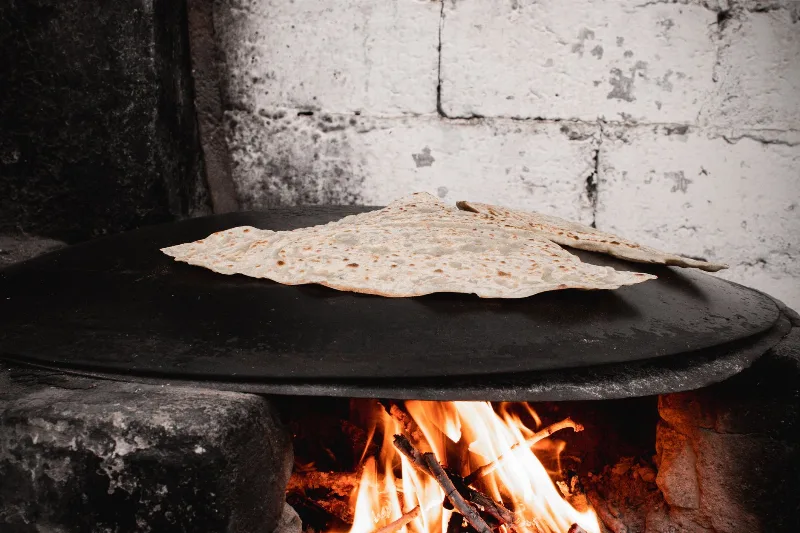
Bazlama
Bazlama is a soft, thick Turkish flatbread made from a leavened dough and cooked on a hot griddle. It is a staple of village baking across Anatolia, eaten warm with butter or used to wrap other foods.
Explore →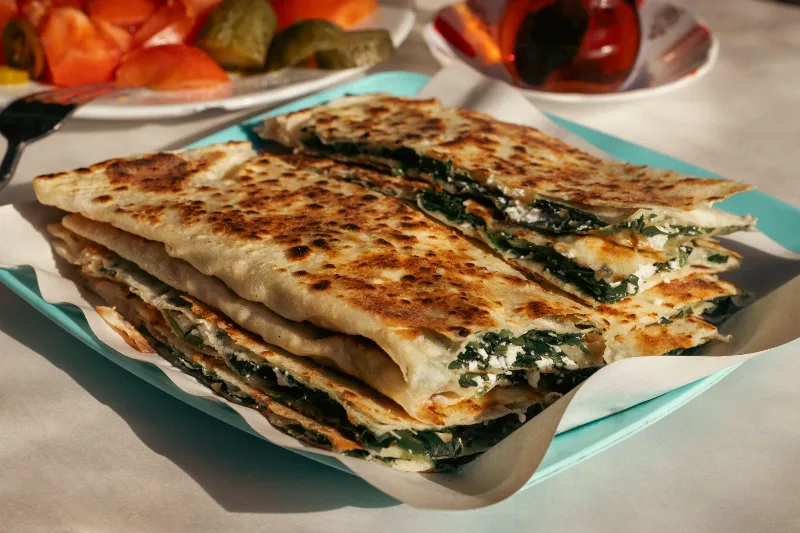
Gözleme
Gözleme is a thin, hand-rolled Anatolian flatbread folded around savory fillings such as cheese, spinach, or minced meat and cooked on a sac griddle. The article covers its regional variations, cooking method, texture, and traditional serving style.
Explore →Related content
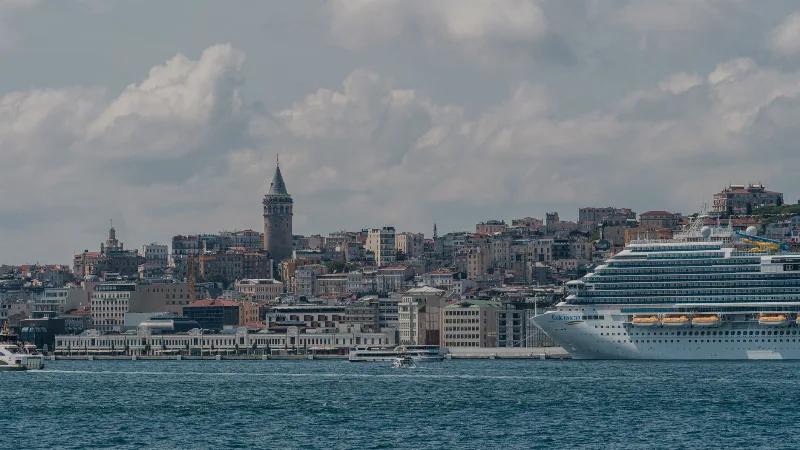
Istanbul
Istanbul is Türkiye's largest city and the country's only metropolis that spans two continents, divided by the Bosphorus strait into a European and an Asian half. Its long run as an imperial capital left a historic core of palaces, mosques and bazaars that still shapes the city's identity.
Marmara Region
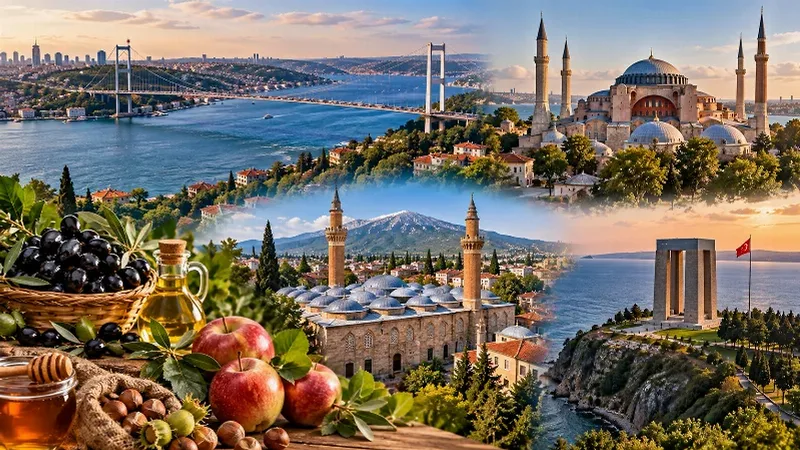
The Marmara Region connects Europe and Asia, bringing together historic cities, beautiful coastlines, green landscapes and a rich cultural heritage. From Istanbul's iconic skyline to the peaceful shores of the Marmara Sea, the region offers a remarkable variety of places to discover.
Chora Church
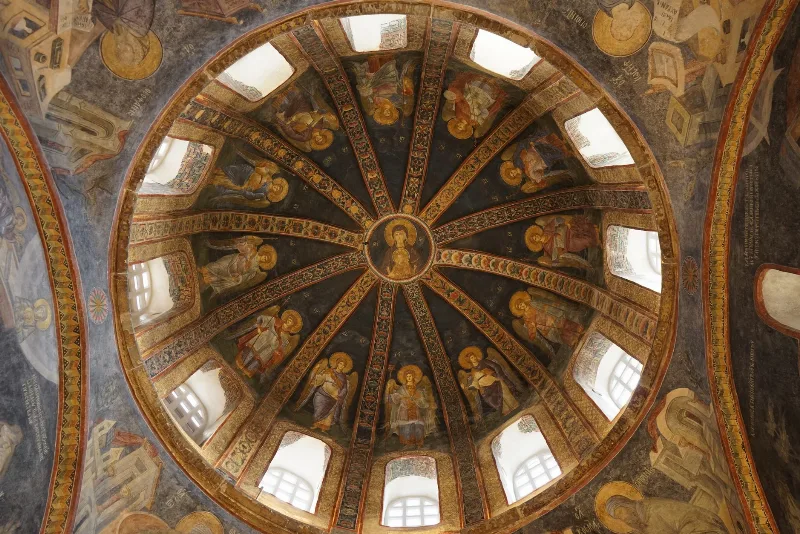
The Chora Church in Istanbul is a Byzantine monument whose 14th-century mosaics and frescoes are among the finest surviving examples of late Byzantine art, preserved inside a building that later served as a mosque.
3-Day Thrace Route: Edirne, Kırklareli and Tekirdağ
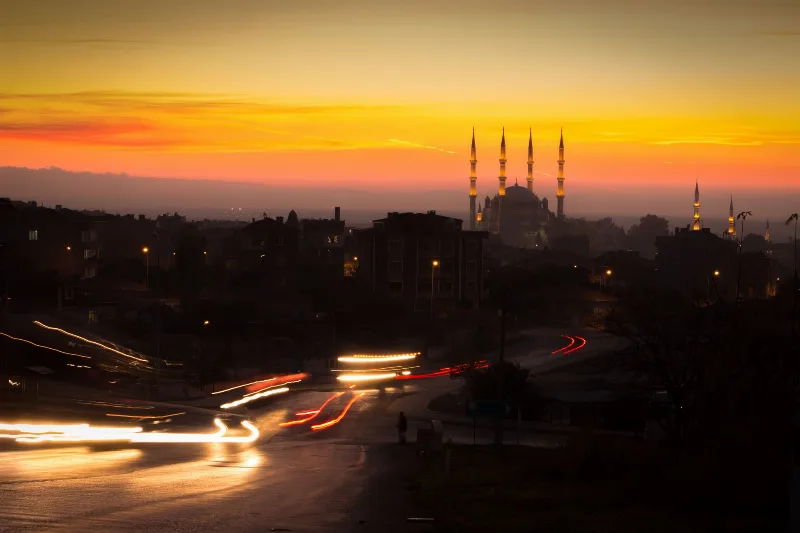
A practical three-day west-to-east, then south, driving route across Turkish Thrace, linking Edirne's Ottoman monuments with Kırklareli's inland towns and Tekirdağ's Marmara vineyards and coast.
The Seven Geographical Regions of Turkey
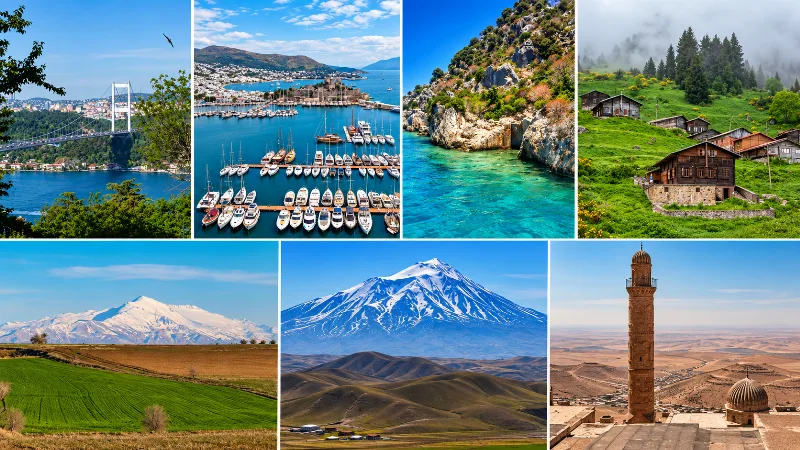
An introduction to Turkey’s seven geographical regions and the landscapes, climates and cultural characteristics that distinguish them.
Cultural Festivals in Türkiye
Türkiye's year is marked by festivals that celebrate spring, faith, harvest and history, from Hıdırellez bonfires to the whirling ceremonies of Konya.