
3-Day Thrace Route: Edirne, Kırklareli and Tekirdağ
A practical three-day west-to-east, then south, driving route across Turkish Thrace, linking Edirne's Ottoman monuments with Kırklareli's inland towns and Tekirdağ's Marmara vineyards and coast.
This route covers Turkish Thrace in three days, starting in Edirne on the far western edge of the region and ending in Tekirdağ on the Marmara coast. Between those two points it crosses the provinces of Edirne, Kırklareli and Tekirdağ, moving east through the historic border city, inland across the rolling farmland and low hills of Kırklareli, and then south through the Ganos slopes to the sea. The journey is linear rather than circular, it depends on a car, and it mixes Ottoman architecture, small inland towns, vineyard country and a short stretch of coastline. It is a route for travellers who want one coherent region explained as a sequence of stops rather than a list of scattered attractions.
Thrace is a peninsula, and the road network reflects that: the main corridors run west to east, with fewer north–south connections. Planning the trip in this order means you are always driving forward, never backtracking. The three days are also unbalanced by design — Edirne deserves the most time, Kırklareli works best as a town-and-countryside day, and Tekirdağ is the natural finish, where the historic centre and the wine villages sit close enough together to combine. Spring and autumn are the most comfortable seasons; midsummer is hot on the inland plateau, and the wooded Yıldız Mountains in the far northeast of the region can be wet and cool outside the warmer months.
Day 1: Edirne
The route begins in Edirne, and the first day stays entirely within the city. Edirne's historic core is compact and walkable, which makes it the right place to start a driving trip: you can leave the car and spend the day on foot among the monuments that made this former Ottoman capital.
The centrepiece is the Selimiye Mosque, the work of Mimar Sinan, standing on high ground above the old quarter. Around it, the city's other major complexes sit within easy walking distance — the Üç Şerefeli Mosque, the Old Mosque and the adjoining covered bazaar area that still functions as the market heart of the centre. A short walk from there, the bridges over the Tunca and Meriç rivers lead out of the commercial district, and the Karaağaç neighbourhood on the far bank is a quieter, greener counterpoint to the dense centre, with its own railway heritage and riverside paths.
Edirne is also a good introduction to the regional character of Thrace: a frontier city with Balkan history layered into its food, its architecture and its population. Fried liver and almond-based sweets are the dishes most associated with the city, and they belong to the wider story of regional produce you will keep meeting along the route.
The day ends back in the centre with the car parked and the next morning's drive east already in view. This is deliberate: the second day covers open country, and there is no reason to add distance to it on the first evening.
Day 2: Edirne to Kırklareli
The second day heads east from Edirne across the Thracian plain toward Kırklareli. The road passes through a chain of small agricultural towns, and the most useful place to break the drive is Lüleburgaz, where a large Ottoman complex built by Sokollu Mehmed Pasha — mosque, baths and the old bridge — sits right beside the modern town centre. It is a short stop, but it explains how this flat, productive corridor was organised for centuries.
From Lüleburgaz the route continues east to Kırklareli, the provincial capital, which sits at the edge of higher ground. The town itself is small and easy to cover: the Hızırbey complex, the surrounding old streets and the local museum give enough context for an afternoon, and the surrounding countryside is the real reason to be here. Kırklareli's rural districts are given over to vineyards, sunflower fields and pasture, and the regional wine culture that runs through Thrace is visible in the landscape long before you reach the better-known cellars further south.
East of Kırklareli, the geography changes sharply. The Yıldız Mountains rise toward the Black Sea, and the İğneada area with its floodplain forests and the Dupnisa cave system lie within this wooded belt. These are genuine natural highlights of the region, but they are far enough from the town to need their own day; attempting them after a full day of driving from Edirne would turn a comfortable route into a rushed one. Treat them as an optional extension if you can add a night, and be aware that forest roads and weather conditions can affect access outside the warmer months.
The evening is spent in Kırklareli, which puts you in position for the southward leg the next morning.
Day 3: Kırklareli to Tekirdağ via Vize
The final day turns south, crossing from the inland plateau toward the Marmara coast. The first stop is Vize, a small town on the old north–south road with a Byzantine church converted into a mosque — one of the few surviving monuments of its kind in the region — and the remains of a hilltop fortress above the town. It is a natural pause, because it marks the point where the landscape begins to change: the flat farmland gives way to wooded ridges and then to the Ganos range, which drops steeply to the sea.
Continuing south through Saray, the route reaches Tekirdağ, the endpoint of the journey. The city's waterfront is long and open, with the Rakoczi Museum and the Namık Kemal House both tied to the intellectual and political history of the region, and the archaeological museum giving depth to the coastal settlements you have been passing.
What makes Tekirdağ the right finish is that the wine country begins at the edge of the city. Westward, the coast road climbs into the Ganos slopes through the village of Uçmakdere, where the hills fall toward the Marmara, and then continues to Şarköy and Mürefte, the heart of Thrace's vineyard zone. Villages here combine fishing, olive growing and wine production, and visiting a producer is a realistic way to close a route that has been moving through agricultural land for three days.
From Tekirdağ you can either end the trip in the city or continue a short way along the coast to Şarköy for a slower final afternoon. The route is easily reversed if you are arriving from the Istanbul direction, but the order described here keeps the longest driving on the middle day and leaves the most rewarding scenery for the end.
Remarkable Places
See all places →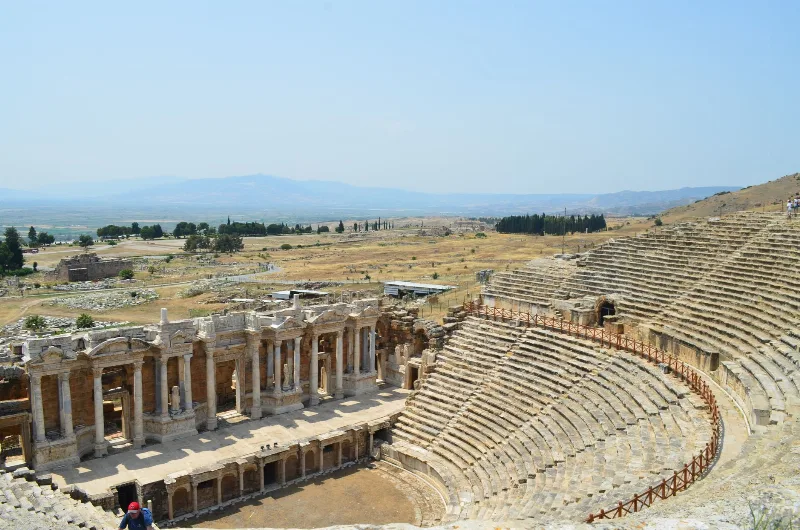
Letoon
Letoon is a Lycian sanctuary near Xanthos in Muğla Province, dedicated to Leto, Artemis and Apollo. Its three temples, theatre and trilingual inscription make it one of southwestern Turkey’s most significant archaeological sites.
Explore →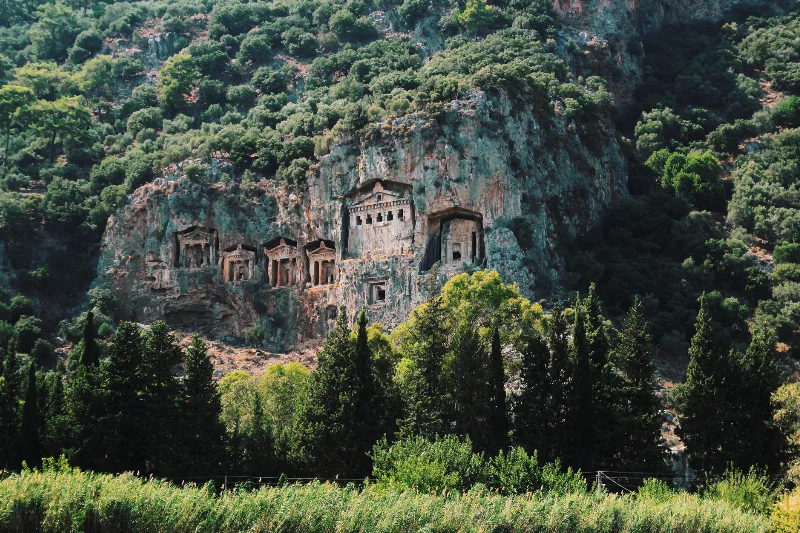
Kaunos
Kaunos is an ancient Carian city on the Dalyan River in Muğla Province, known for its temple-style rock-cut tombs and the extensive ruins of a harbour that silted up centuries ago.
Explore →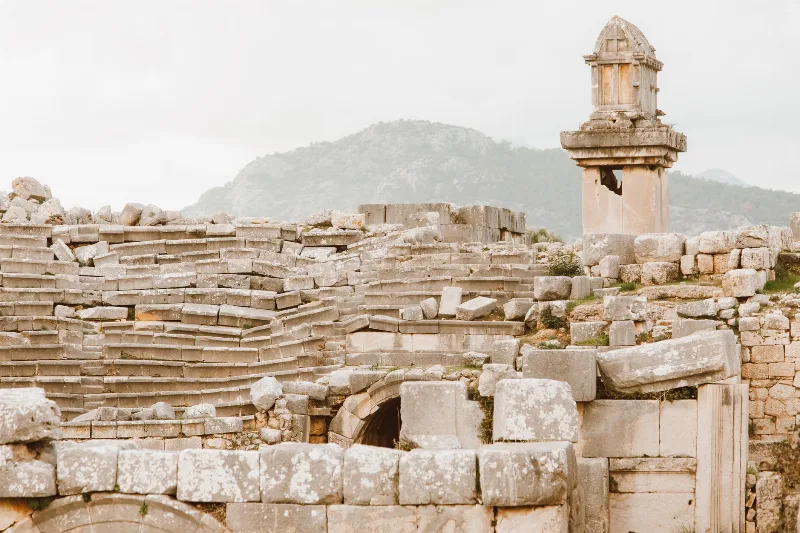
Xanthos
Xanthos is an ancient Lycian city in Antalya Province and a UNESCO World Heritage Site, known for its Lycian tombs, Roman theatre and role as a leading city of Lycia.
Explore →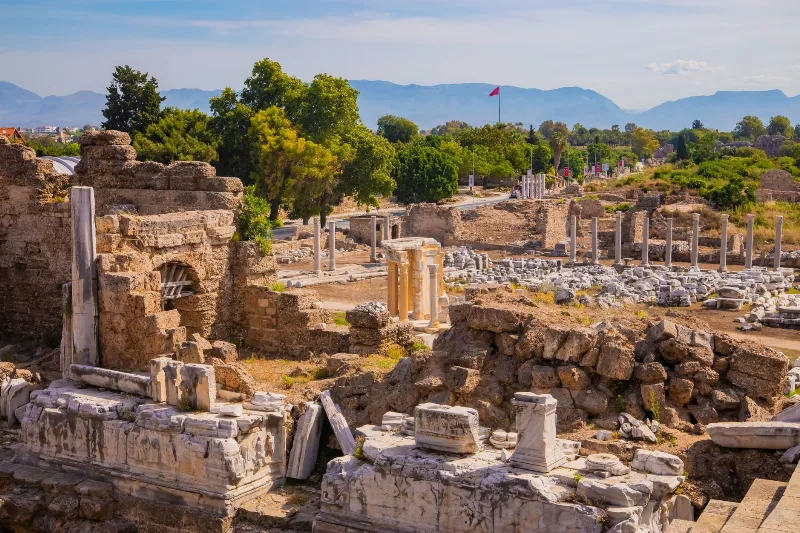
Phaselis
Phaselis is a Rhodian-founded port city on the eastern Lycian coast, where paved streets, agoras, baths and a small theatre stand among pines between three sheltered bays.
Explore →Related content
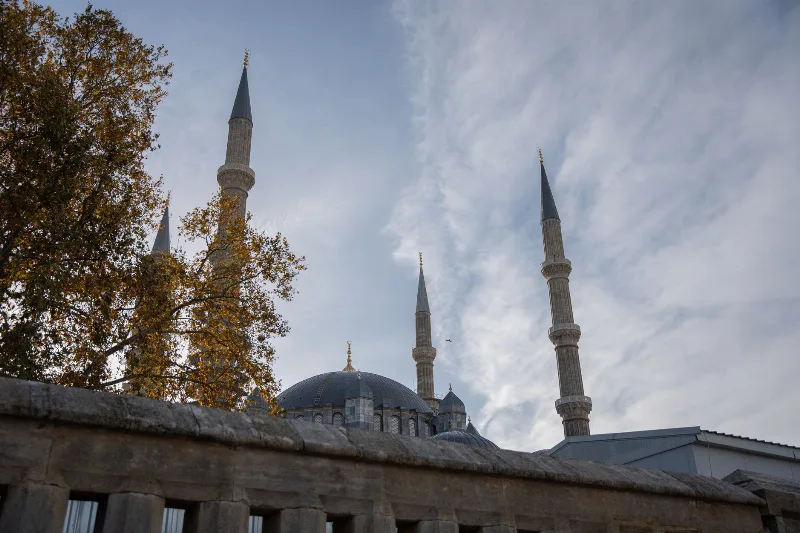
Edirne
Edirne is a northwestern Turkish city near the Greek and Bulgarian borders, renowned for its Ottoman heritage, particularly the Selimiye Mosque, and for hosting the annual Kırkpınar oil wrestling festival.
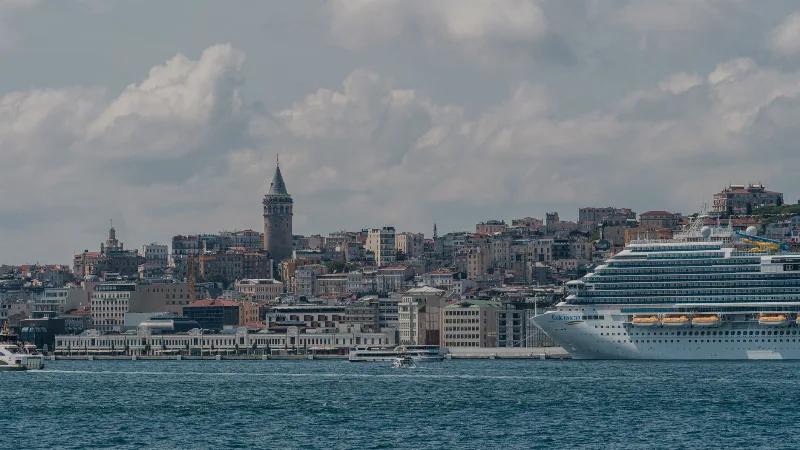
Istanbul
Istanbul is Türkiye's largest city and the country's only metropolis that spans two continents, divided by the Bosphorus strait into a European and an Asian half. Its long run as an imperial capital left a historic core of palaces, mosques and bazaars that still shapes the city's identity.
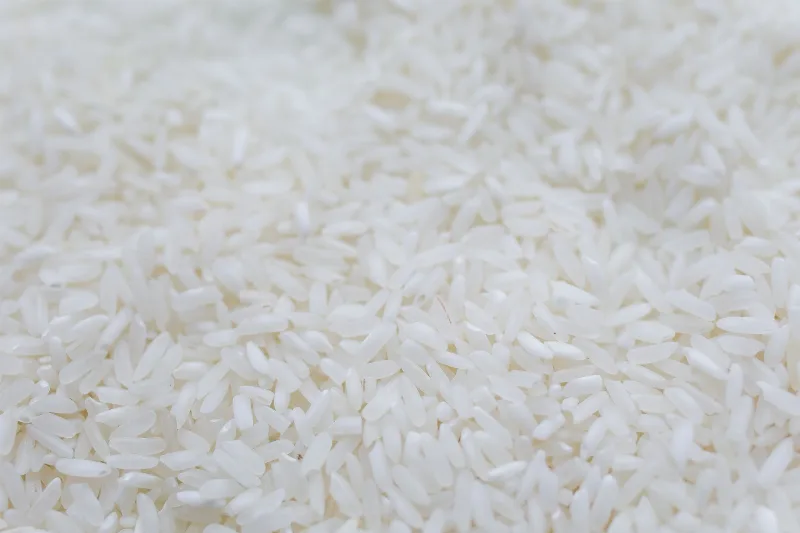
Trakya Baldo Rice
Baldo rice is a large-grain variety grown on the flood plains of Thrace in northwestern Türkiye, where river-fed paddies around Edirne produce grain prized for pilaf. Its long, glassy kernels and the region's water-rich alluvial soils are closely linked.
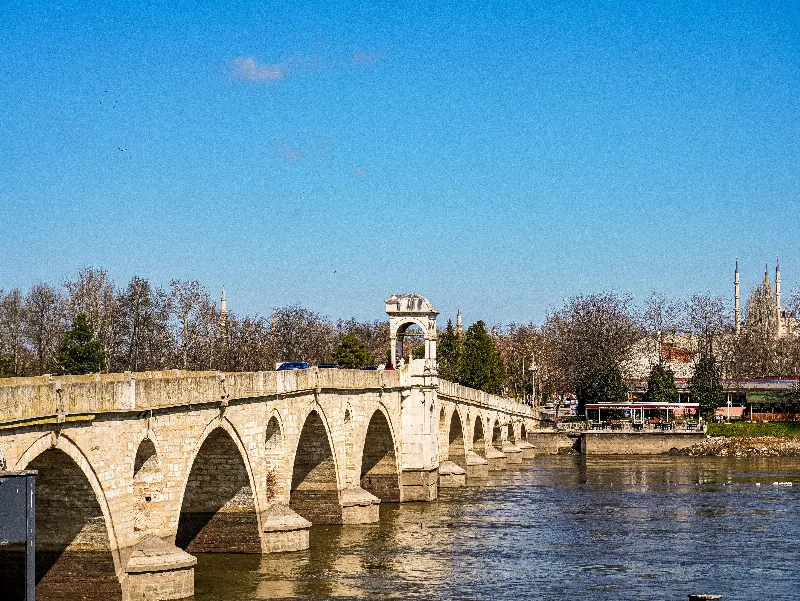
2-Day Edirne and Kırklareli Route
A two-day Thrace journey that starts among the Ottoman monuments of Edirne and continues north into Kırklareli, where cave systems and floodplain forests sit beneath the Yıldız Mountains.
İpsala Rice
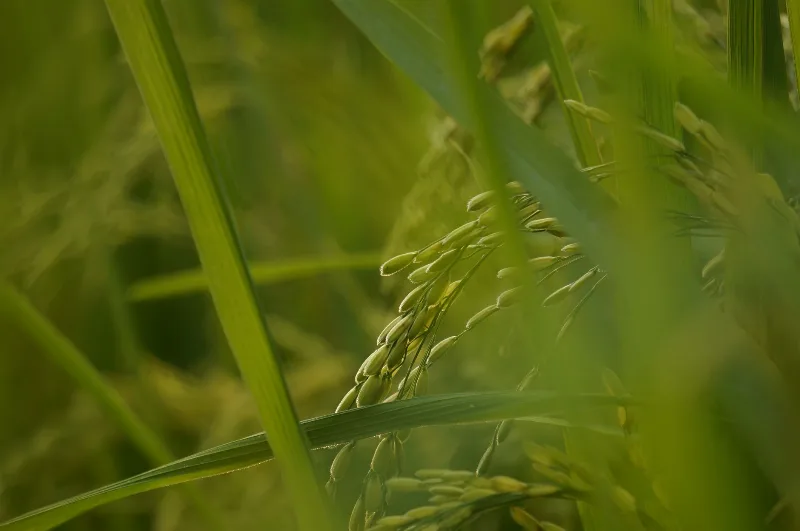
Grown on the river-fed alluvial plain around İpsala in Edirne province, İpsala rice reflects the landscape of Thrace: flooded paddies, warm summers and a long local milling tradition.
Cultural Festivals in Türkiye
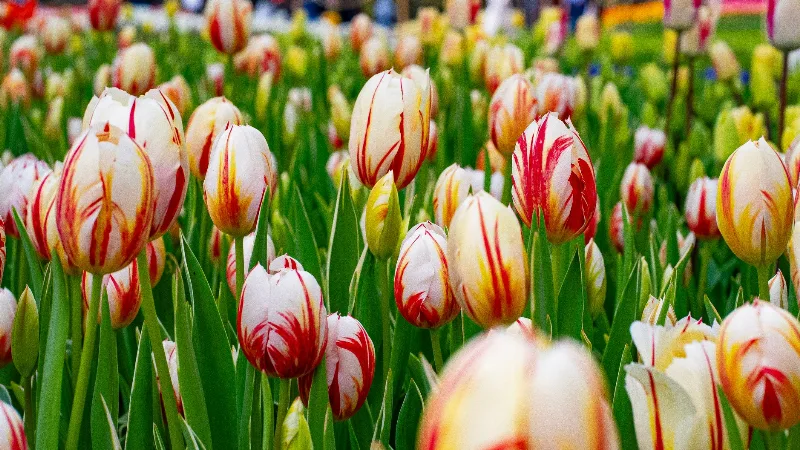
Türkiye's year is marked by festivals that celebrate spring, faith, harvest and history, from Hıdırellez bonfires to the whirling ceremonies of Konya.