
İpsala Rice
Grown on the river-fed alluvial plain around İpsala in Edirne province, İpsala rice reflects the landscape of Thrace: flooded paddies, warm summers and a long local milling tradition.
İpsala rice is rice grown in and around the İpsala district of Edirne province, in the far north-west of Türkiye, where the Meriç and Ergene rivers have laid down a broad, level plain close to the Greek border. The district has become one of the country's best-known rice-growing areas because its alluvial soils, river-fed irrigation and long, bright summers suit flooded paddy cultivation better than most of Anatolia. For anyone searching for İpsala rice, the name points to a specific landscape of embanked fields, canals and pumping stations that has shaped local farming for generations.
The Plain Where İpsala Rice Grows
İpsala is a small district town in Edirne province, sitting on the main road that runs from the Thracian interior to the İpsala border crossing into Greece. Around the town spreads the İpsala plain, part of the wider lowlands of Thrace, a region that lies between the Meriç (Maritsa) river to the west and the Ergene river to the north-east. Both rivers carry fine sediment, and over a long period their deposits have produced deep, heavy and largely stone-free soils. That flatness matters as much as the soil: rice paddies have to be levelled so that water can be held at an even depth and then drained at the right moment, and the margins of the Meriç and Ergene offer that almost ideal combination of level ground and abundant water.
Why the Local Climate and Water Suit Rice
Rice needs a great deal of water, so its geography is really a story about rivers. The Meriç and its tributaries give the İpsala plain a dependable supply that can be diverted through canals and channels across the fields during the hot months. The region's climate helps as well. Thrace has a transitional character, warmer and drier in summer than the Black Sea coast, colder in winter than the Aegean, with strong sunshine through June, July and August when the rice is standing in water and ripening. Long, hot days push the plants on, while abundant river water keeps the paddies flooded. Where water is scarce, rice farming collapses; where it is plentiful and the land is level, as at İpsala, rice becomes one of the most productive uses of the soil.
The Plant and the Growing Cycle
Rice comes from Oryza sativa, an annual grass that in this region is grown in flooded fields known in Turkish as çeltik. The cycle on the İpsala plain follows the seasons closely. Fields are prepared in spring, when the soil is worked and the paddy basins are levelled and banked; water is then run in and the crop is established either by sowing into the flooded or moist soil or, in some fields, by transplanting young seedlings. Through early summer the plants stand in shallow water and grow tall, turning the plain into a sheet of green. By late summer the grain heads fill and bend, and the fields are drained so the ground can dry. Harvest usually falls in early autumn, when the ripe panicles are cut and the paddy is taken away to be dried before milling.
From Paddy to Milled Rice
What leaves the field is not the rice that reaches the kitchen. Çeltik, the paddy, must be dried and then milled to remove the outer husk and part of the bran, producing the white or lightly milled pirinç that Turkish cooks use. Milling has long been part of the local economy, and rice mills in the Edirne area process the harvest from the surrounding plain. The grain grown here is typically valued for a firm, well-formed kernel that cooks up to separate, distinct grains rather than a sticky mass — exactly the texture Turkish pilaf relies on. In the kitchen it is used in the familiar ways rice is used across the country, most of all in pilaf, in stuffed vegetables and as an accompaniment to stews, but also in soups and in regional dishes that use rice as a filling or thickener.
Rice in the Landscape and Life of Edirne
Rice cultivation has left a visible mark on the İpsala area. The plain is crossed by irrigation canals and drainage channels, and the farming calendar is organised around water: opening the sluices in spring, keeping the levels steady through summer and letting the fields dry before the harvest. Rice is one of the main agricultural activities of the district, alongside other field crops, and it supports a network of mills, drying yards and farm work that extends well beyond the growing season. The crop also helps explain Edirne's wider reputation as a rice-growing province, an identity that reaches into local cooking and into the markets of the provincial capital.
Other Rice-Growing Areas of Thrace
İpsala is not the only place in the region where paddy fields appear. The wider Meriç and Ergene basins of Edirne province, including the plains near Uzunköprü and Meriç, and neighbouring parts of Kırklareli, share similar river-fed lowlands and are also used for rice. Rice is grown in several other parts of Türkiye as well, from the Black Sea coast to the Marmara region, but the combination of the İpsala plain's level alluvial ground, the rivers that feed it and the hot Thracian summer gives the district a distinct agricultural character. That land-plus-water-plus-heat relationship, more than any single variety, is what people mean when they speak of İpsala rice.
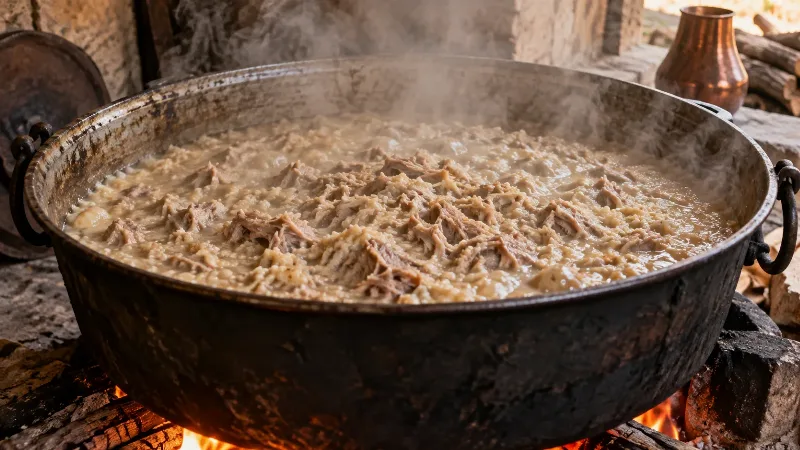
Keşkek
Keşkek is a traditional Anatolian dish made by cooking hulled whole wheat together with meat and pounding the softened mixture into a thick, dense mass. It is best known as a communal celebration food, especially at weddings.
Explore →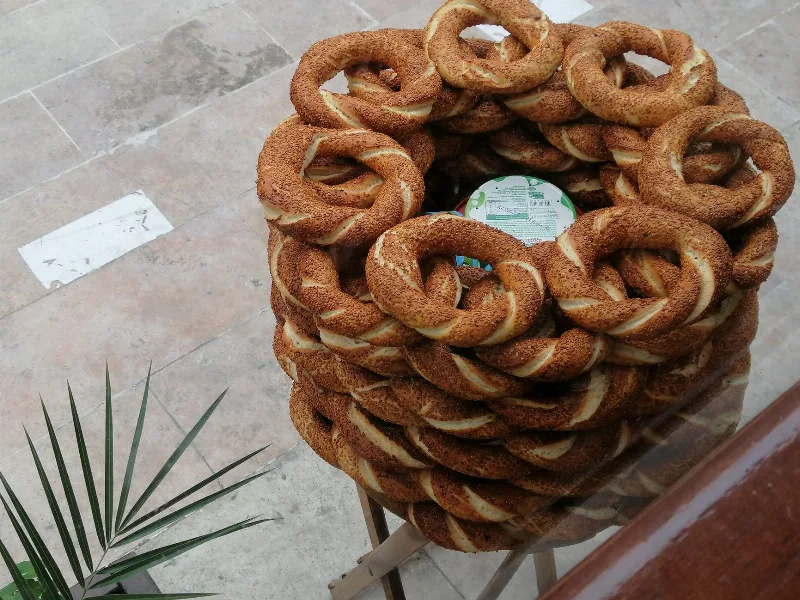
Simit
Simit is a twisted ring bread coated in sesame seeds, sold across Türkiye as an everyday street food and breakfast staple. This article explains its ingredients, how it is baked, its textures and flavours, and the regional divide between Istanbul simit and İzmir gevrek.
Explore →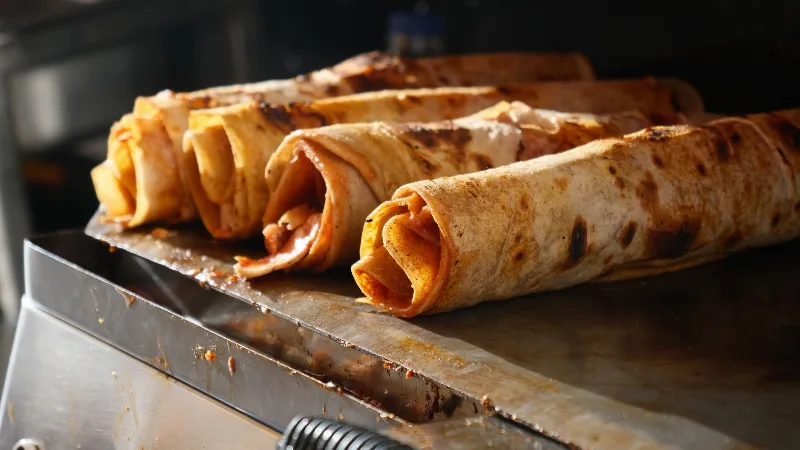
Tantuni
Tantuni is a traditional Turkish street food from Mersin, made with finely chopped beef sautéed with onions, tomatoes, and spices, then wrapped in lavash. It is known for its juicy, flavorful filling and is a staple of Mersin's culinary culture.
Explore →Related content
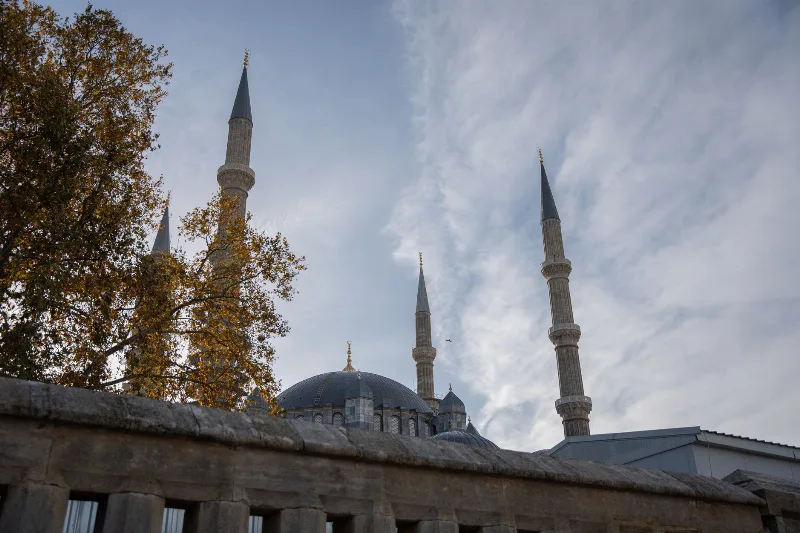
Edirne
Edirne is a northwestern Turkish city near the Greek and Bulgarian borders, renowned for its Ottoman heritage, particularly the Selimiye Mosque, and for hosting the annual Kırkpınar oil wrestling festival.
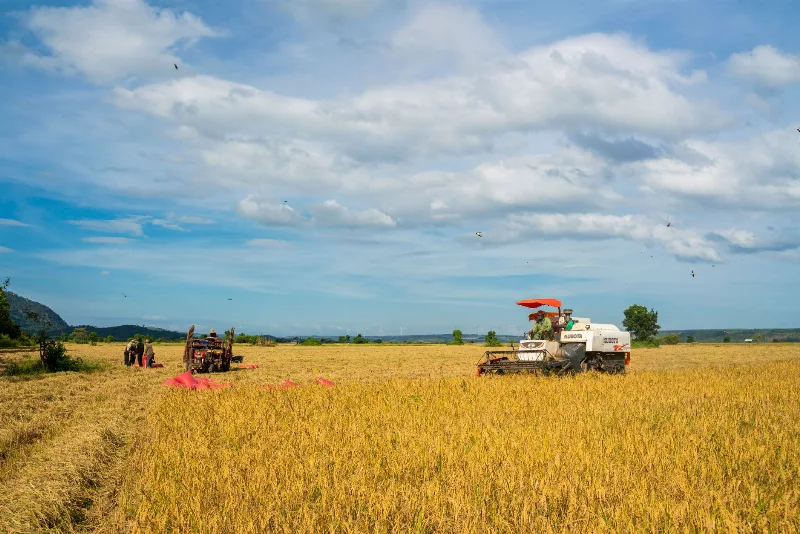
Rice Harvest in Edirne
Each autumn the flat rice plains around İpsala in Edirne Province turn from flooded green paddies into golden fields as Turkey's largest rice-growing area moves into harvest. The timing of this shift depends heavily on summer heat and early-autumn rainfall.
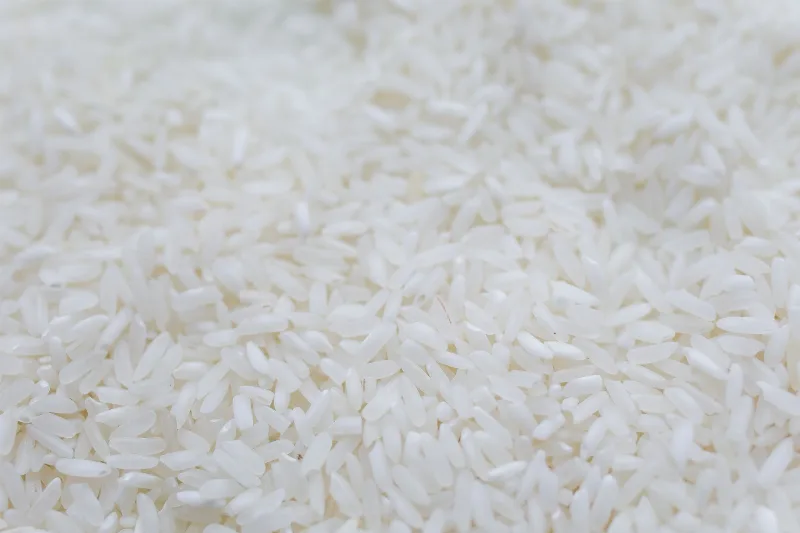
Trakya Baldo Rice
Baldo rice is a large-grain variety grown on the flood plains of Thrace in northwestern Türkiye, where river-fed paddies around Edirne produce grain prized for pilaf. Its long, glassy kernels and the region's water-rich alluvial soils are closely linked.
Lake Gala Birdwatching in Edirne
Lake Gala is a shallow, reed-fringed wetland in the Meriç delta near Edirne, protected as a national park and valued by birdwatchers for its migratory waterbirds.
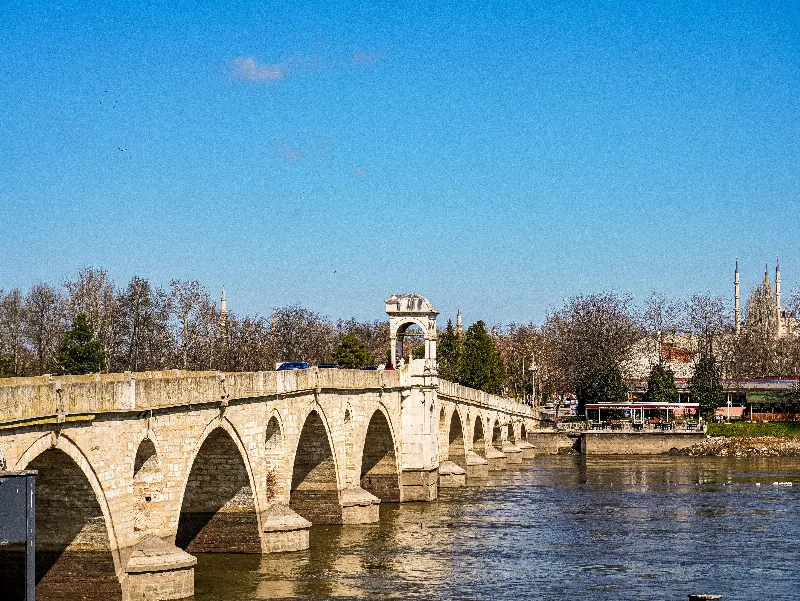
2-Day Edirne and Kırklareli Route
A two-day Thrace journey that starts among the Ottoman monuments of Edirne and continues north into Kırklareli, where cave systems and floodplain forests sit beneath the Yıldız Mountains.
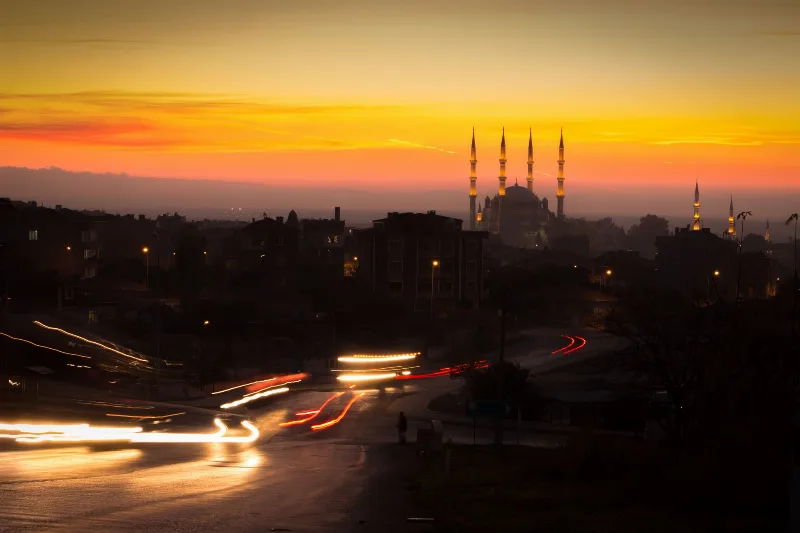
3-Day Thrace Route: Edirne, Kırklareli and Tekirdağ
A practical three-day west-to-east, then south, driving route across Turkish Thrace, linking Edirne's Ottoman monuments with Kırklareli's inland towns and Tekirdağ's Marmara vineyards and coast.