
Rice Harvest in Edirne
Each autumn the flat rice plains around İpsala in Edirne Province turn from flooded green paddies into golden fields as Turkey's largest rice-growing area moves into harvest. The timing of this shift depends heavily on summer heat and early-autumn rainfall.
Every year, the rice paddies that spread across the plains around İpsala in Edirne Province, in the far northwest of Türkiye, change character between late summer and early autumn. Fields that were flooded and bright green through the growing season dry out, the grain ripens, and the landscape turns a uniform golden yellow as combines move in. This normally happens from roughly early September onwards and often continues into October, although the exact start shifts each year with weather conditions. The period matters because rice is one of the few major Turkish crops grown under standing water, and the drainage and ripening stage is a short, visible transformation that lasts only a few weeks.
Why Edirne and İpsala Became Türkiye's Rice Centre
The district of İpsala sits in the low, flat land of the Meriç basin, close to the Greek border and the Aegean coast at Enez. The region combines heavy alluvial soils, abundant water from the Meriç and its tributaries, and a warm growing season, which are exactly the conditions paddy rice requires. Rice has been cultivated in this part of Thrace for centuries, and today Edirne Province accounts for a large share of Türkiye's rice production, with İpsala and the surrounding districts of Meriç and Enez among the most important growing areas. Long-grain varieties are the main focus of local cultivation.
The Seasonal Cycle: From Flooded Paddies to Dry Fields
Rice does not simply grow like wheat or barley. Paddies are prepared and flooded in spring, and young plants are established in the water, either by transplanting or direct sowing depending on the field. Through late spring and summer the fields hold standing water and appear as a patchwork of shallow, reflective pools bordered by low earth banks and irrigation channels. In this phase the area looks more like a managed wetland than farmland, and it attracts water birds and other wildlife alongside the crop.
As the grain fills and approaches maturity, irrigation is reduced and the paddies are drained. This is the point at which the visual change becomes obvious: the water disappears, the plants stiffen and dry, and the green gradually gives way to straw and gold. The drying phase is essential, because the grain must lose moisture before it can be harvested and stored.
What the Fields Look Like During the Harvest
By the time harvest begins, the landscape around İpsala is a wide, almost treeless plain of flat golden fields divided by irrigation ditches, dirt tracks and windbreaks of poplar or other trees. Because the land is so level, the horizon is very open, and the effect of a large area ripening at once is strong. Harvest itself is largely mechanised, with combine harvesters cutting the crop and filling trailers that carry grain to drying and milling facilities in the district. Where a field has already been cut, you see stubble rather than standing crop, so neighbouring plots can look quite different from one another within the same week.
The Harvest Window and How Weather Affects It
The harvest window is not fixed and can move by a week or more from one year to the next. A hot, dry summer tends to bring ripening forward, while a cooler or cloudy season can delay it. Once the grain is ready, rain is the main risk: wet weather can interrupt cutting, soften the ground so that heavy machinery struggles, and in strong wind or heavy rain the plants may lodge, meaning they fall over and become harder to harvest. Farmers therefore tend to work intensively whenever a dry spell allows. Visitors planning around this period should treat September as the most likely month rather than a guaranteed date, and should expect activity to spread across several weeks as different fields reach maturity at slightly different times.
What a Visitor Can Realistically Expect
The area is working farmland rather than a visitor attraction, so what you can observe depends on where you are and when you go. From public roads crossing the plain, it is normally possible to see flooded or draining paddies, ripening fields, and combines working during the harvest. Early morning and late afternoon are often the most active times, since dust and heat build up during the middle of the day. The plain is exposed and there is little shade, so conditions can be hot and dry in early September and noticeably cooler, damper and muddier if rain arrives. The nearby wetlands around the Meriç delta and Lake Gala add a second seasonal dimension, since the same water systems support the paddies and the surrounding marshland.
Because both the ripening and the harvest depend on rainfall, temperature and wind in any given year, the best approach is to plan for the general September-to-October window and accept that the peak of activity may fall earlier or later. The constant is the transformation itself: the water goes out, the green turns gold, and for a few weeks the İpsala plain becomes the busiest agricultural landscape in Turkish Thrace.
EXPLORE BY THEME
All themes →
Hidden Places
Less-known villages, coves, valleys, historic sites and natural areas across Türkiye.
Explore →
Villages
Small settlements, traditional architecture and rural landscapes across Türkiye.
Explore →
Nature
Lakes, forests, rivers, canyons, mountains, wetlands and national parks across Türkiye.
Explore →Related content
Edirne
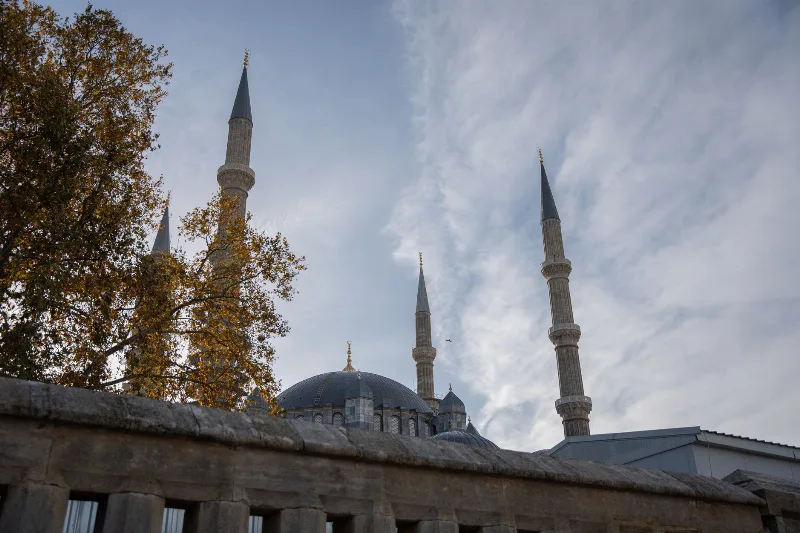
Edirne is a northwestern Turkish city near the Greek and Bulgarian borders, renowned for its Ottoman heritage, particularly the Selimiye Mosque, and for hosting the annual Kırkpınar oil wrestling festival.
İpsala Rice
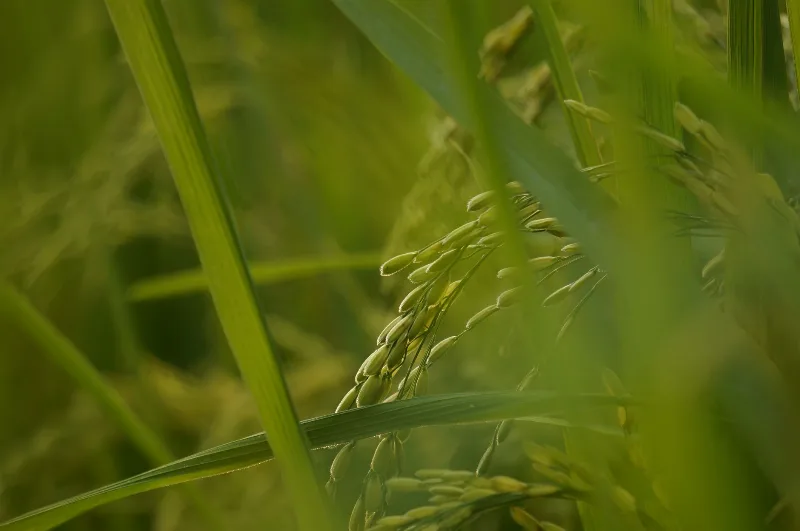
Grown on the river-fed alluvial plain around İpsala in Edirne province, İpsala rice reflects the landscape of Thrace: flooded paddies, warm summers and a long local milling tradition.
Trakya Baldo Rice
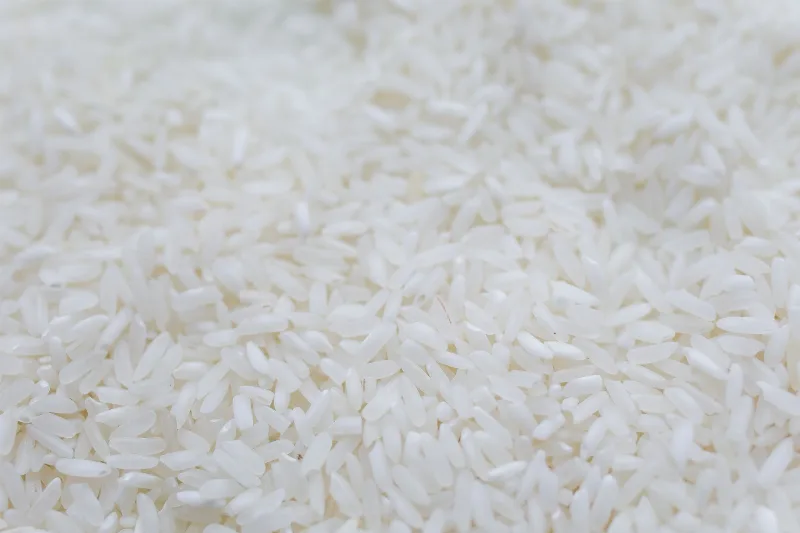
Baldo rice is a large-grain variety grown on the flood plains of Thrace in northwestern Türkiye, where river-fed paddies around Edirne produce grain prized for pilaf. Its long, glassy kernels and the region's water-rich alluvial soils are closely linked.
Lake Gala Birdwatching in Edirne
Lake Gala is a shallow, reed-fringed wetland in the Meriç delta near Edirne, protected as a national park and valued by birdwatchers for its migratory waterbirds.
2-Day Edirne and Kırklareli Route
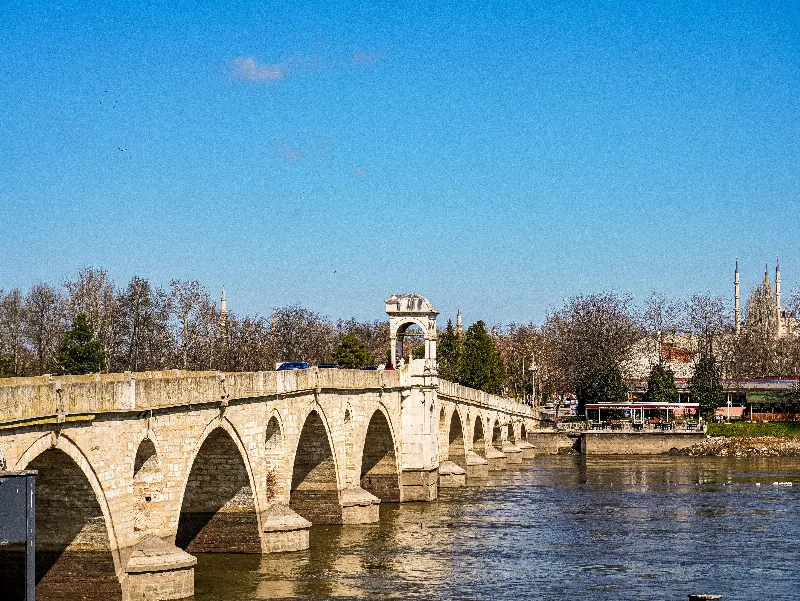
A two-day Thrace journey that starts among the Ottoman monuments of Edirne and continues north into Kırklareli, where cave systems and floodplain forests sit beneath the Yıldız Mountains.
3-Day Thrace Route: Edirne, Kırklareli and Tekirdağ
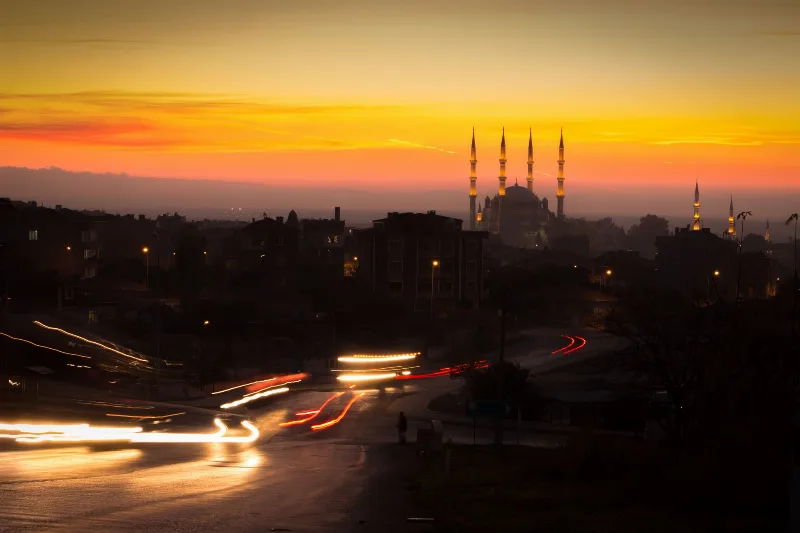
A practical three-day west-to-east, then south, driving route across Turkish Thrace, linking Edirne's Ottoman monuments with Kırklareli's inland towns and Tekirdağ's Marmara vineyards and coast.