
Trakya Baldo Rice
Baldo rice is a large-grain variety grown on the flood plains of Thrace in northwestern Türkiye, where river-fed paddies around Edirne produce grain prized for pilaf. Its long, glassy kernels and the region's water-rich alluvial soils are closely linked.
Baldo rice is a large-grain rice variety grown on the alluvial plains of Trakya (Thrace), the northwestern corner of Türkiye. Its strongest association is with Edirne province and the paddy districts around İpsala, Uzunköprü and Meriç, with additional cultivation in suitable parts of Tekirdağ and Kırklareli. Thrace is Türkiye's principal centre for this variety, and the name Baldo is widely used in Turkish kitchens for rice that holds its shape and separates cleanly after cooking. The tie between the grain and the region rests on water: the Meriç, Ergene and Tunca rivers and the flat, silt-rich plains they have built up over time make large-scale paddy farming possible in an area that would otherwise be too dry in summer.
The Paddy Districts of Thrace
Rice in Thrace is concentrated in low, level basins where water can be held and managed. The İpsala plain in Edirne province is the best-known of these, a broad, gently sloping expanse near the Greek border where field after field is flooded through the growing season. Similar conditions extend towards Uzunköprü and along the Meriç valley, and rice is also grown in parts of the Ergene basin and in pockets of Tekirdağ and Kırklareli where irrigation is available. These districts share a common feature: heavy, fine-textured soils that retain water well, which is essential for paddy rice and limits how far the crop can spread.
Why the Thracian Climate and Soil Suit Rice
Thrace sits between the Mediterranean and continental climate zones, which gives it hot, bright summers and cold winters. Rice needs a long, warm growing period with abundant water, and the region's rivers, fed partly by rainfall and snowmelt from the Balkan hinterland, provide exactly that. The summers are hot enough to ripen the grain but not so extreme that the plants suffer, and the nights are cool enough to support steady development. The alluvial soils of the river plains are deep, fertile and rich in the fine particles that allow a paddy to hold a shallow layer of water. This combination of land and water, rather than any single factor, explains why rice cultivation concentrated here while other crops dominate the drier uplands of the region.
The Growing Cycle: Flooded Fields and Autumn Harvest
Paddy fields in Thrace are prepared in spring, when the soil is worked and levelled so that water can be spread evenly. Sowing generally takes place in May, either by broadcasting or by planting seedlings, and the fields are then kept flooded for much of the season. The rice plants grow as upright grasses with long, narrow leaves, flowering in mid-summer and filling their grains through the hottest weeks of the year. Harvest falls in late summer and early autumn, when the water is drained and the fields are allowed to dry before cutting. The grain is then threshed, dried carefully to reduce moisture, and milled to remove the husk and bran layers. Milling is a delicate step for Baldo, because the large kernels are more prone to breaking than smaller varieties.
What Makes Baldo Rice Distinctive
Baldo is recognised above all by the size and appearance of its grain. The milled kernels are long, wide and glassy, with a pale, almost translucent look and little of the chalky centre seen in some other types. Baldo is a large-grain variety also cultivated in the rice-growing areas of northern Italy, and it is grown in Türkiye mainly in Thrace. When cooked, the grains swell noticeably, absorb liquid well and stay separate rather than turning soft and clumping. That behaviour is the reason it is favoured for pilaf, where each grain is expected to remain distinct.
Rice in the Thracian Landscape and Economy
Paddy farming has shaped the look of parts of Thrace for a long time. Flat fields divided by low embankments and irrigation channels are a familiar sight around İpsala and the Meriç valley, and the crop has supported milling businesses and seasonal agricultural work in the region. Rice was cultivated in this part of the Ottoman Balkans for centuries, and the presence of a major city such as Edirne, long a centre of trade and administration, helped sustain both production and the milling trade around it. Today, rice remains one of the crops that gives the Thracian plains a distinct agricultural identity, alongside sunflower, wheat and other field crops. Elsewhere in Türkiye, different rice varieties dominate other districts, such as the Osmancık type associated with Çorum province, which is why Baldo is identified specifically with Thrace.
From Paddy to Kitchen
Thracian Baldo rice is normally sold as milled white grain, sometimes also as brown rice with the bran left intact. It is stored dry, away from moisture and strong odours, because rice readily absorbs surrounding smells. In the kitchen it is most often used for pilaf, where it is rinsed, sometimes soaked, and then cooked with butter or oil, stock or water. Its firm, separate texture also makes it a common choice for stuffed vegetables such as peppers and vine leaves, and for milk-based rice dishes where the grain is expected to soften without disintegrating. The variety's reputation rests on this practical quality as much as on its appearance: cooks in Türkiye choose Baldo when they want a grain that stays whole from the pan to the plate.
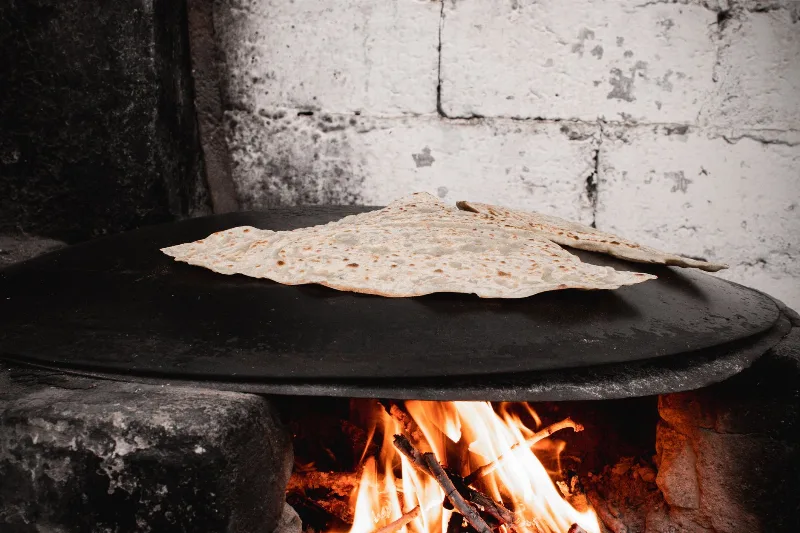
Bazlama
Bazlama is a soft, thick Turkish flatbread made from a leavened dough and cooked on a hot griddle. It is a staple of village baking across Anatolia, eaten warm with butter or used to wrap other foods.
Explore →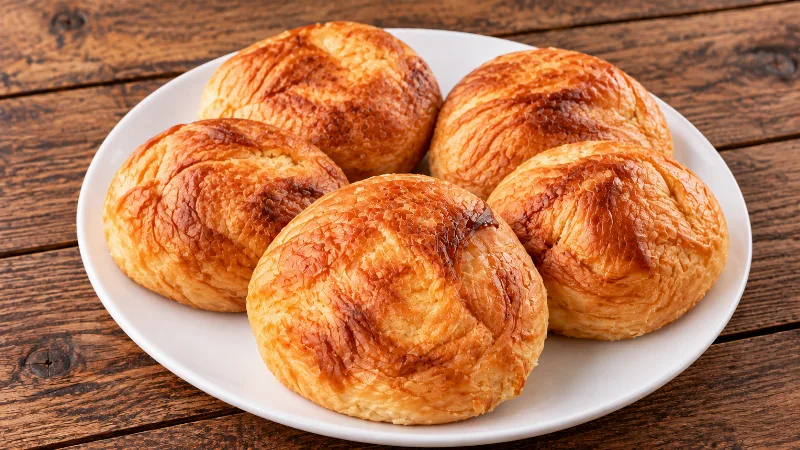
Boyoz
A flaky baked pastry closely associated with İzmir and commonly eaten as part of breakfast.
Explore →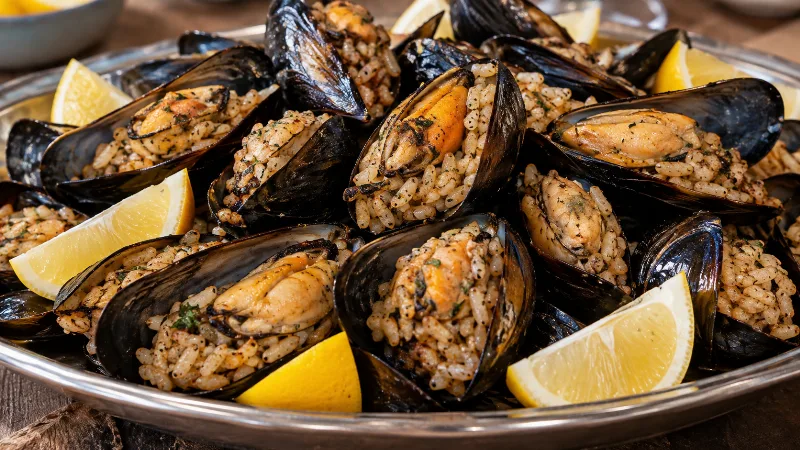
Midye Dolma
Midye dolma are mussels filled with a spiced rice mixture of pine nuts, currants and herbs, sold from trays on street corners and prepared at home along Türkiye's Aegean and Marmara coasts.
Explore →Related content
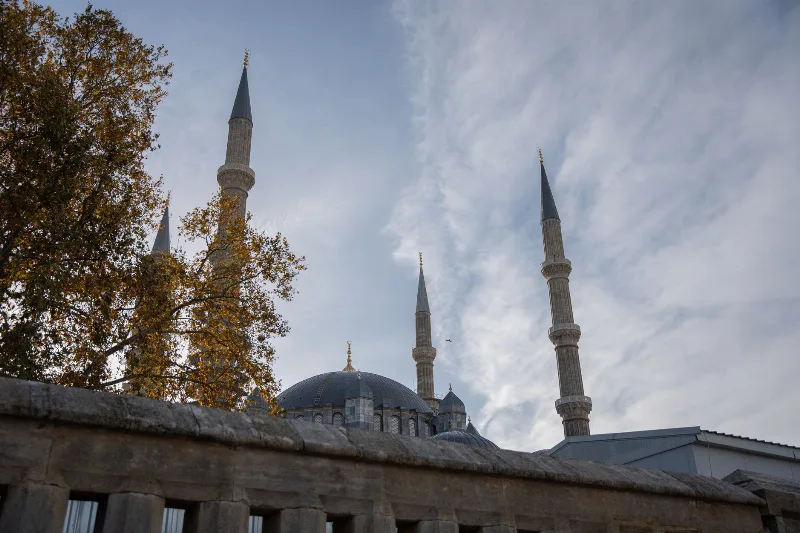
Edirne
Edirne is a northwestern Turkish city near the Greek and Bulgarian borders, renowned for its Ottoman heritage, particularly the Selimiye Mosque, and for hosting the annual Kırkpınar oil wrestling festival.
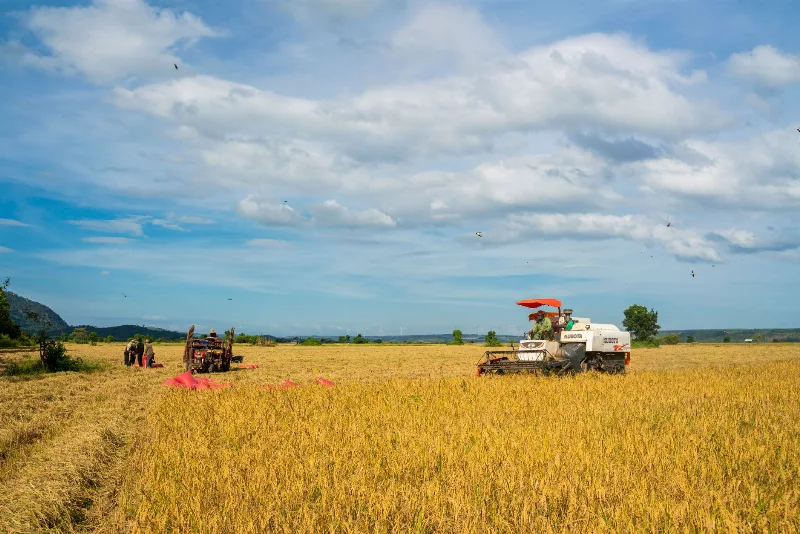
Rice Harvest in Edirne
Each autumn the flat rice plains around İpsala in Edirne Province turn from flooded green paddies into golden fields as Turkey's largest rice-growing area moves into harvest. The timing of this shift depends heavily on summer heat and early-autumn rainfall.
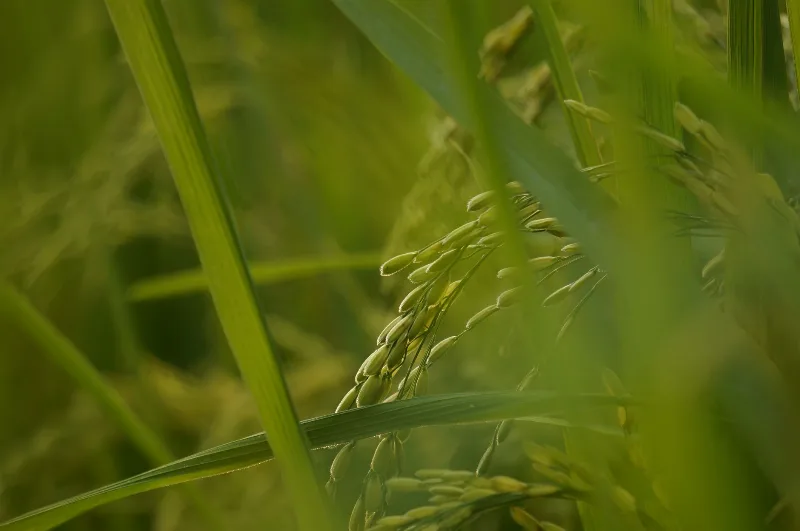
İpsala Rice
Grown on the river-fed alluvial plain around İpsala in Edirne province, İpsala rice reflects the landscape of Thrace: flooded paddies, warm summers and a long local milling tradition.
Lake Gala Birdwatching in Edirne
Lake Gala is a shallow, reed-fringed wetland in the Meriç delta near Edirne, protected as a national park and valued by birdwatchers for its migratory waterbirds.
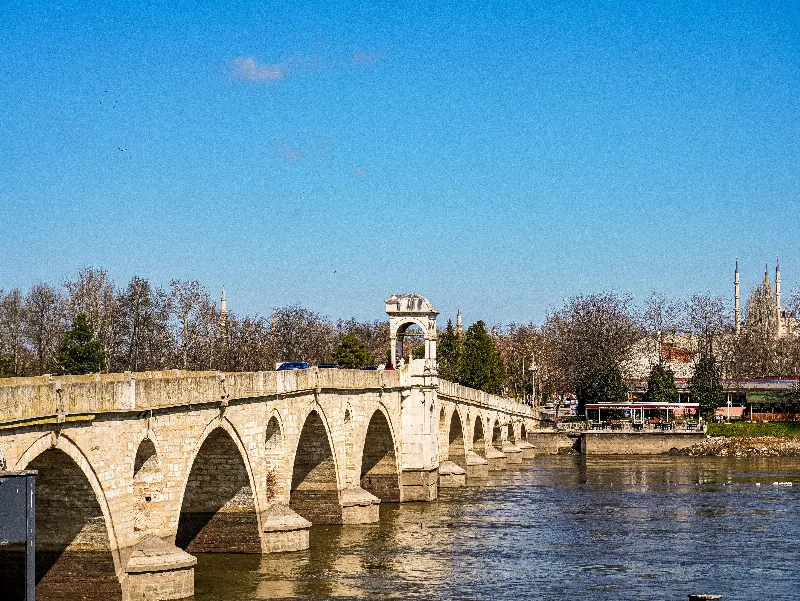
2-Day Edirne and Kırklareli Route
A two-day Thrace journey that starts among the Ottoman monuments of Edirne and continues north into Kırklareli, where cave systems and floodplain forests sit beneath the Yıldız Mountains.
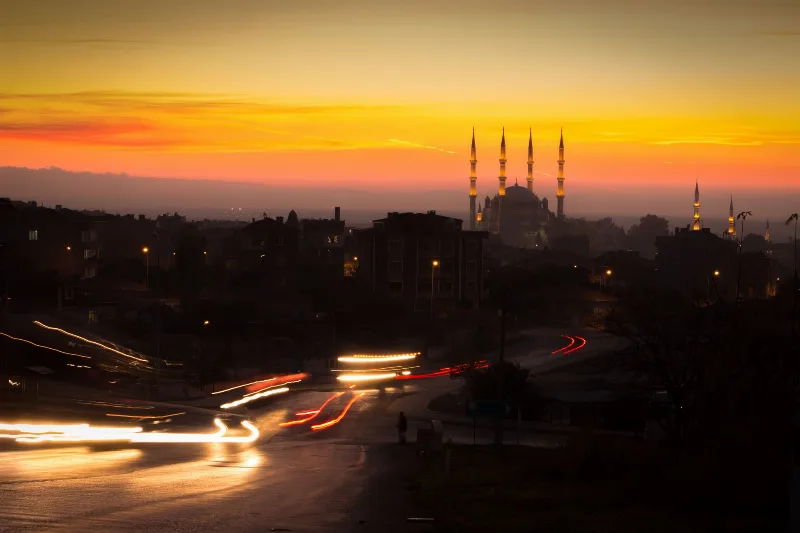
3-Day Thrace Route: Edirne, Kırklareli and Tekirdağ
A practical three-day west-to-east, then south, driving route across Turkish Thrace, linking Edirne's Ottoman monuments with Kırklareli's inland towns and Tekirdağ's Marmara vineyards and coast.