
Lake Gala Birdwatching in Edirne
Lake Gala is a shallow, reed-fringed wetland in the Meriç delta near Edirne, protected as a national park and valued by birdwatchers for its migratory waterbirds.
Lake Gala lies in the flat, waterlogged country between İpsala and Enez in Edirne Province, close to the point where the Meriç river reaches the Aegean. Shallow, reed-fringed and fed by a mesh of channels and seasonal floods, it forms part of the wider Meriç delta and has been protected as a national park since 2005. For birdwatchers it is one of the most rewarding stopovers in Turkish Thrace; for other visitors it is a quiet landscape of open water, tall reeds and very low horizons.
Where the Meriç meets the plain
The lake occupies a basin within an alluvial plain built up over centuries by the Meriç and Ergene rivers, together with smaller streams draining the surrounding low hills. Water levels rise in winter and spring and fall back in late summer, when muddy margins and exposed shallows appear along the shore. Dense beds of common reed cover much of the fringe, giving way inland to damp meadows, willow and poplar stands, and a patchwork of rice fields, which suit the wet conditions of the district particularly well.
The surrounding land is worked rather than wild. Irrigation channels cut across the plain, small pumps and sluices control the water, and livestock graze the drier pastures. This long relationship between farming and flooding is part of what makes the wetland so rich: the mix of open water, reedbed, wet meadow and cultivated ground offers feeding, nesting and resting places within a short distance of one another.
Birdwatching at Lake Gala
Records for the lake run to well over two hundred species. Dalmatian pelicans and pygmy cormorants are among its most noted inhabitants, and spoonbills, glossy ibises, grey and purple herons, little egrets and several species of grebe and tern are regular in the warmer months. Winter brings large rafts of duck, including mallard, gadwall, teal and shoveler, along with coots, cormorants and the occasional white-tailed eagle over the reed line. Raptors, warblers, bee-eaters and shrikes use the scrub and field edges around the water.
The best birdwatching falls in two windows: spring, when passage migrants move north and nesting birds settle, and autumn, when waders and waterfowl return south. Winter is quiet but productive for wildfowl. Observation towers and marked viewpoints on higher ground allow long views across the reeds without pressing into the nesting areas, and early morning generally gives the calmest water and the most activity.
A year in the reedbeds
The wetland changes character with the seasons. Spring fills the channels, reed warblers and bitterns become vocal, and herons gather in loose colonies in the flooded willow. By midsummer the shallows warm and shrink, concentrating fish and invertebrates and drawing feeding birds to a few open pools. Autumn rains refill the basin and the first northern visitors arrive, often in loose flocks along the meres. In winter the lake can be still and grey, with fog sitting over the reeds until midday. Beyond the birds, the habitat supports frogs and toads, dragonflies, terrapins and water snakes, all of which in turn feed the herons and egrets.
Village life around the water
The lake sits among small agricultural settlements whose economy rests on rice, sunflowers, wheat and livestock. İpsala, a short drive away, is a centre for rice growing and milling, and its flat paddies mirror the wetland in spring. To the west, Enez occupies a low headland at the mouth of the Meriç, with a Byzantine castle, traces of the ancient city of Ainos and a sandy coast where the river finally meets the sea. Together with the reed-cutters, fishermen and farmers of the delta, these towns give the area a working, unhurried character that sits easily alongside its protected status.
Visiting with care
Because the reserve exists chiefly for its wildlife, the most rewarding visits are gentle ones. Staying on tracks and at viewpoints, keeping voices low, avoiding nesting reedbeds between spring and midsummer and leaving livestock and crops undisturbed all help to keep disturbance to a minimum. Binoculars and a scope repay the effort in this flat country, where birds are often distant, and a windproof layer is useful even on bright days. The result is a place that rewards patience: a broad, soft-edged wetland where the sound of reeds in wind and the passing of flocks overhead are the main attractions.
Related content
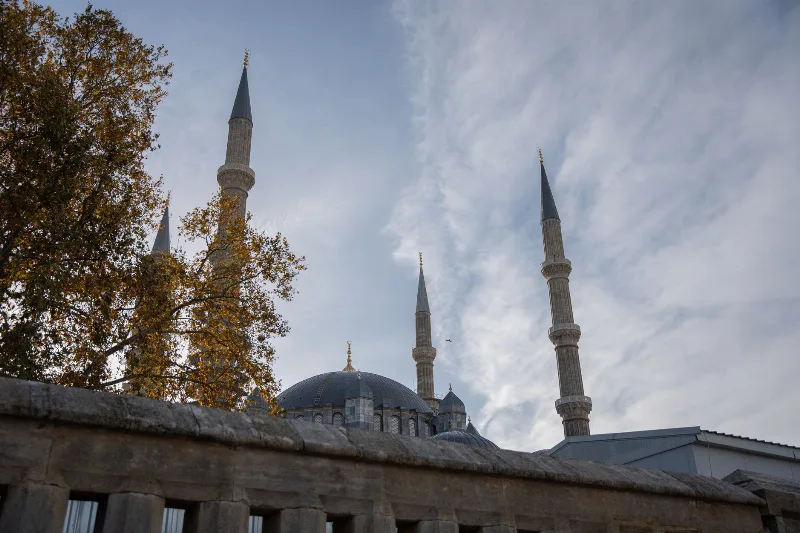
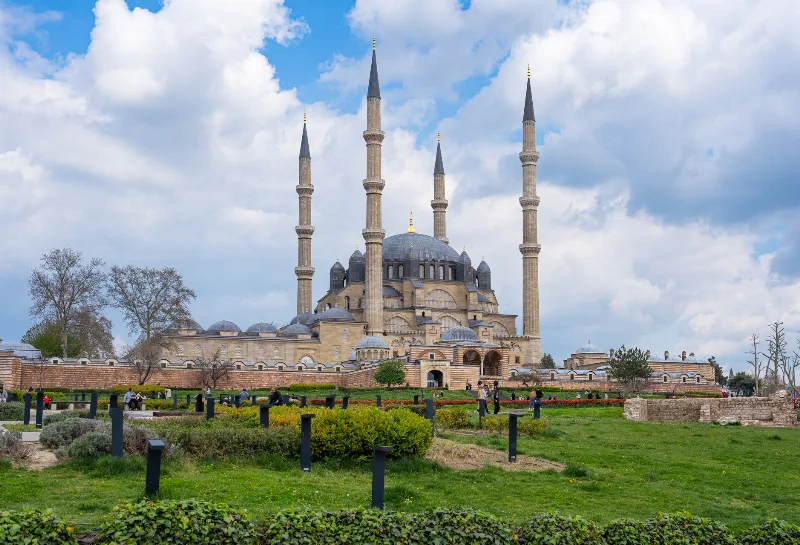
Edirne
Edirne is a northwestern Turkish city near the Greek and Bulgarian borders, renowned for its Ottoman heritage, particularly the Selimiye Mosque, and for hosting the annual Kırkpınar oil wrestling festival.
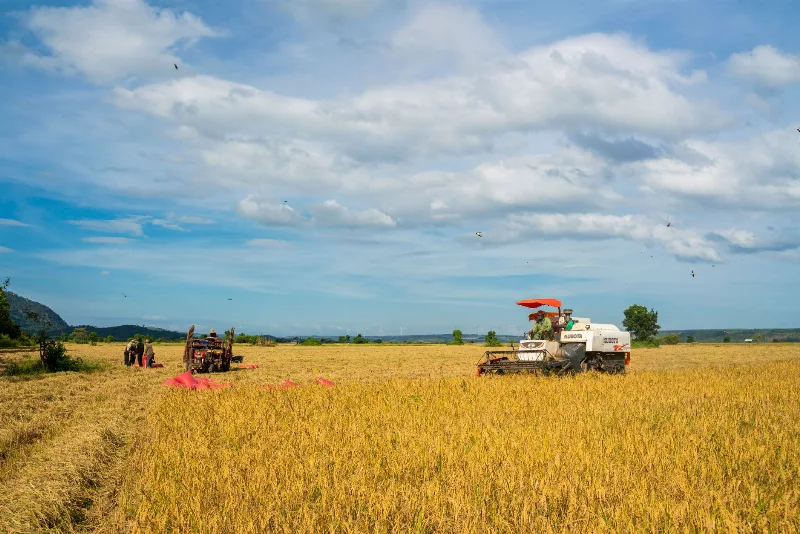
Rice Harvest in Edirne
Each autumn the flat rice plains around İpsala in Edirne Province turn from flooded green paddies into golden fields as Turkey's largest rice-growing area moves into harvest. The timing of this shift depends heavily on summer heat and early-autumn rainfall.
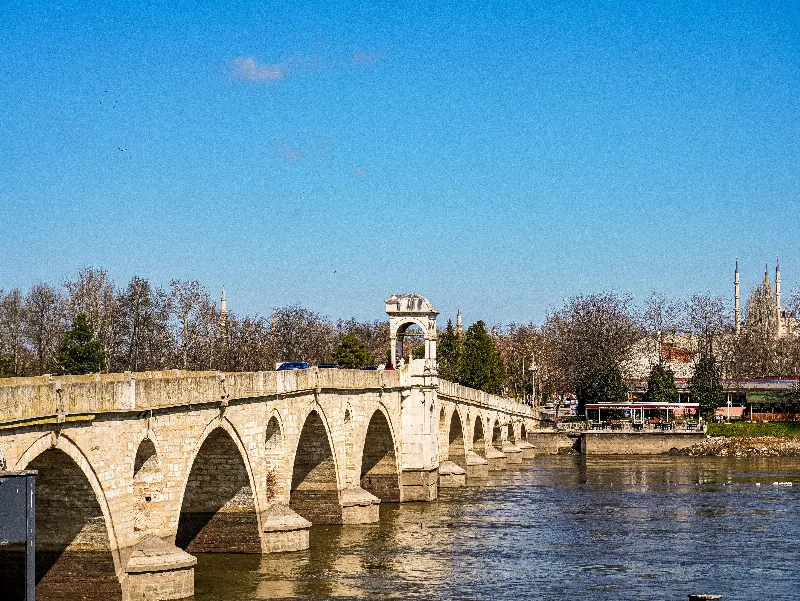
2-Day Edirne and Kırklareli Route
A two-day Thrace journey that starts among the Ottoman monuments of Edirne and continues north into Kırklareli, where cave systems and floodplain forests sit beneath the Yıldız Mountains.
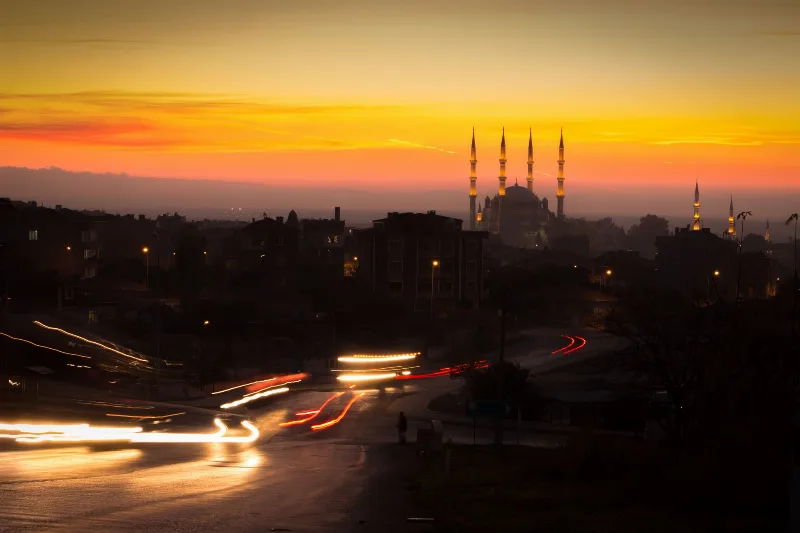
3-Day Thrace Route: Edirne, Kırklareli and Tekirdağ
A practical three-day west-to-east, then south, driving route across Turkish Thrace, linking Edirne's Ottoman monuments with Kırklareli's inland towns and Tekirdağ's Marmara vineyards and coast.
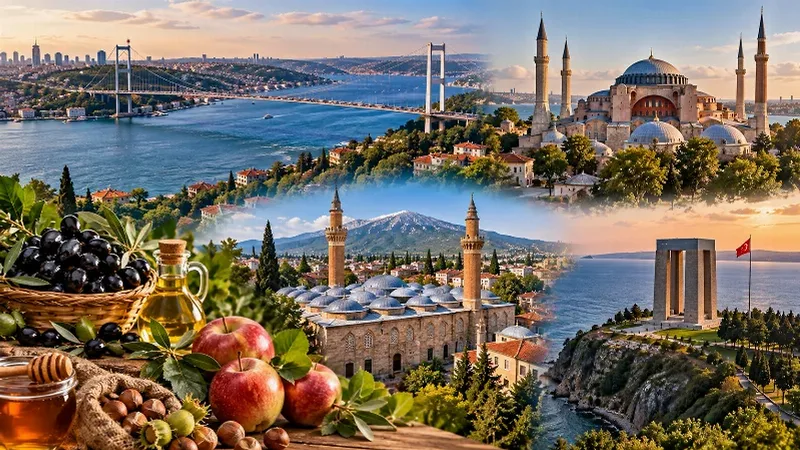
Marmara Region
The Marmara Region connects Europe and Asia, bringing together historic cities, beautiful coastlines, green landscapes and a rich cultural heritage. From Istanbul's iconic skyline to the peaceful shores of the Marmara Sea, the region offers a remarkable variety of places to discover.
The Oil Wrestling Tradition of Kırkpınar
Held each summer on a meadow beside the Tunca River, Kırkpınar is Edirne's centuries-old oil wrestling festival, where pehlivan compete in leather kispet slicked with olive oil.
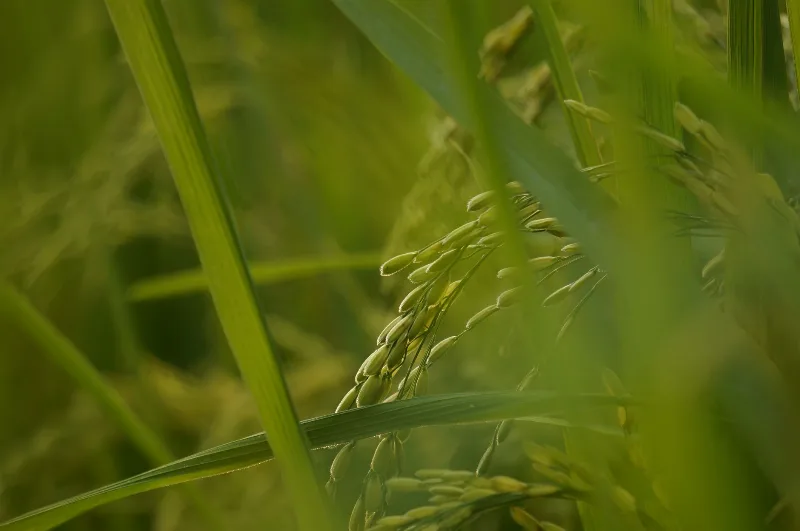
İpsala Rice
Grown on the river-fed alluvial plain around İpsala in Edirne province, İpsala rice reflects the landscape of Thrace: flooded paddies, warm summers and a long local milling tradition.
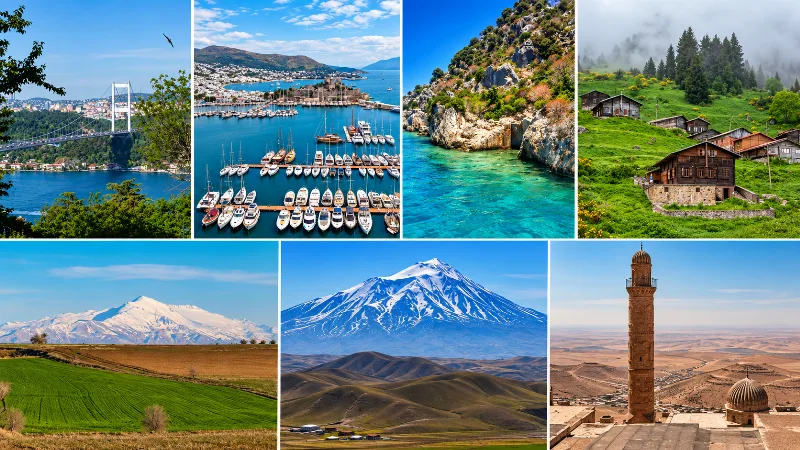
The Seven Geographical Regions of Turkey
An introduction to Turkey’s seven geographical regions and the landscapes, climates and cultural characteristics that distinguish them.