
The Oil Wrestling Tradition of Kırkpınar
STORIES FROM TÜRKİYE
Every summer, on a green meadow beside the Tunca River in Edirne, crowds gather to watch something that has changed remarkably little over the centuries. Kırkpınar is a festival of oil wrestling, known in Turkish as yağlı güreş, and it is among the longest continuously running sporting gatherings in the region. The contest is woven into the identity of Edirne, a city in northwestern Türkiye near the Greek and Bulgarian borders, and it draws wrestlers and spectators from across the country each year.
A Legend of Forty Springs
The name Kırkpınar means "forty springs", and the story behind it reaches back to the fourteenth century, when Ottoman forces were expanding into Rumelia. According to a widely told legend, two soldiers wrestled through the night on a meadow near Edirne and, exhausted, died at dawn. Their companions buried them where they fell, and years later, when the site was visited again, forty springs were said to have appeared beside the graves. Whether the tale is taken literally or not, it gives the festival its name and its sense of continuity.
Written records show that wrestling matches were held in Edirne for centuries, and the event became closely tied to the Ottoman court, which used the city as a summer base. Over time, Kırkpınar grew from a local contest into a public festival with its own rituals, music and hierarchy. In 2010 the tradition was inscribed on UNESCO's Representative List of the Intangible Cultural Heritage of Humanity, a recognition of it as a living practice rather than a historical relic.
The Meadow at Sarayiçi
The festival takes place in Sarayiçi, the "palace inside" area, a flat grassland on an island formed by a loop of the Tunca River. This was once part of the extensive Edirne Palace complex, where sultans hunted and held court, and a few restored structures and old stone bridges nearby still hint at that past. Today the meadow becomes an open-air arena, with a grassy wrestling ground at its centre and shaded edges where families settle for the day.
In the days before the main contests, drum and zurna players fill the site with the sharp, buoyant sound of Balkan Turkish music. Food stalls serve regional specialities from Edirne, including the city's well-known fried liver, and the atmosphere has the easy rhythm of a long summer fair. On the final day the grass is slick with oil and water, and spectators sit close enough to hear every breath.
How a Bout Unfolds
Wrestlers, called pehlivan, wear tight leather trousers known as kispet and are doused generously with olive oil, which makes gripping difficult and turns every hold into a test of balance and patience. Before the wrestling begins they perform the peşrev, a slow ceremonial warm-up of stretching and greeting that is part of the ritual. The cazgır, a traditional announcer, then introduces each pair with rhythmic, formulaic verses.
The rules are simple in outline and demanding in practice. A wrestler wins by turning his opponent's back to the sky, or by lifting him clear of the ground and carrying him for a few steps. Because holds slip away so easily, some bouts last a long time; older accounts describe matches that ran through the night and into the following day. Judged decisions are possible, but the aim is always a clear, recognised victory.
Titles and Categories
Kırkpınar is not a single match but a tournament organised by age and weight, from young boys learning the sport to the senior başpehlivan, the chief wrestler. The title of başpehlivan is a mark of prestige that stays with a wrestler for life. Champions also hold the golden belt for a year, until it is competed for again.
The festival has traditionally been overseen by the Kırkpınar ağası, a patron figure responsible for organising the event, a role that reflects the custom's deep community roots. Local families, wrestling clubs and towns across Türkiye follow the results closely, and many pehlivan train for years in villages where the sport is still passed from father to son.
Edirne Beyond the Arena
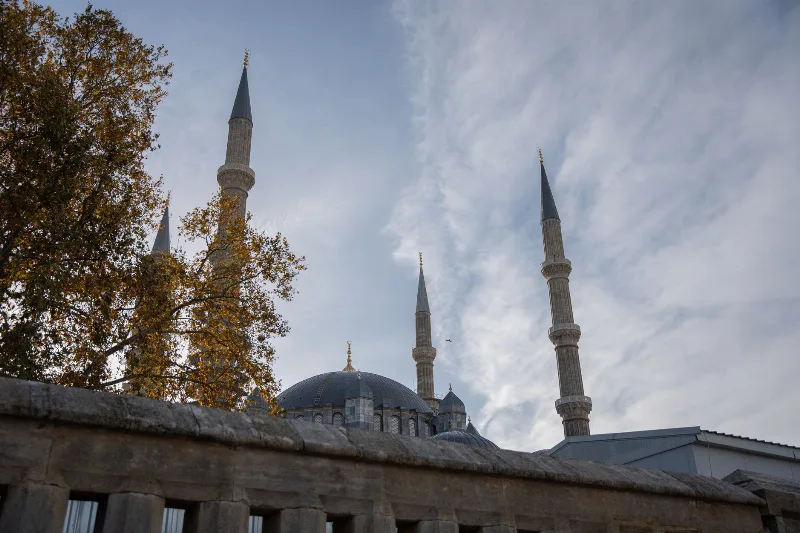
The city around the meadow rewards a slower visit. Edirne's Selimiye Mosque, designed by the architect Mimar Sinan in the sixteenth century, dominates the skyline with a single great dome and four slender minarets. The old bazaar streets nearby hold the Bedesten and the Ali Pasha Bazaar, where the smell of soaps, brooms and sweets mingles with the general bustle.
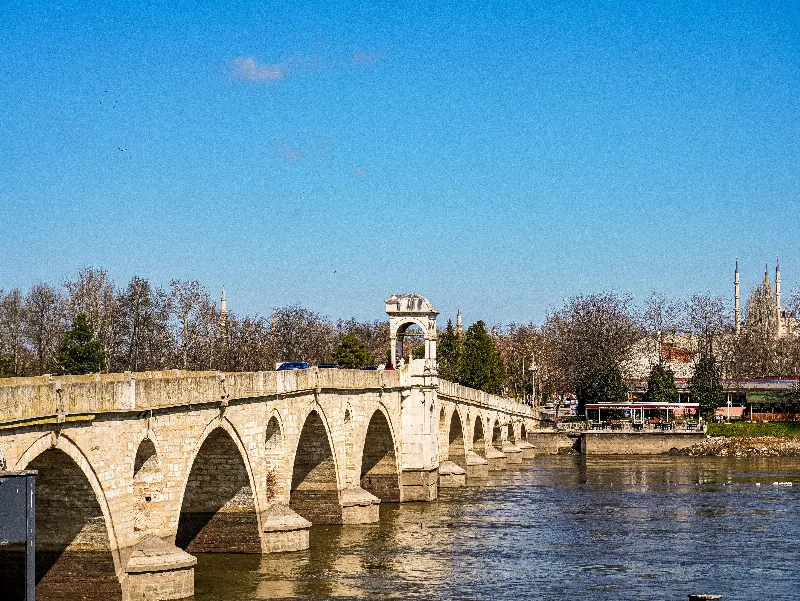
Rivers frame the city: the Tunca curls around Sarayiçi, and the Meriç flows north of the centre. In summer the banks fill with picnickers, and the long, many-arched bridges become viewpoints for the evening light. Food is part of the trip too, since the region is known for its white cheese, almond sweets and hard, salty cheeses served at breakfast.
Visiting during the Kırkpınar week offers a chance to see how a centuries-old sporting custom has been kept alive within a specific landscape. The oil, the drums, the leather trousers and the meadow itself all carry the memory of earlier times, while the crowds that gather each summer keep the tradition moving forward.
Historic places
Explore history →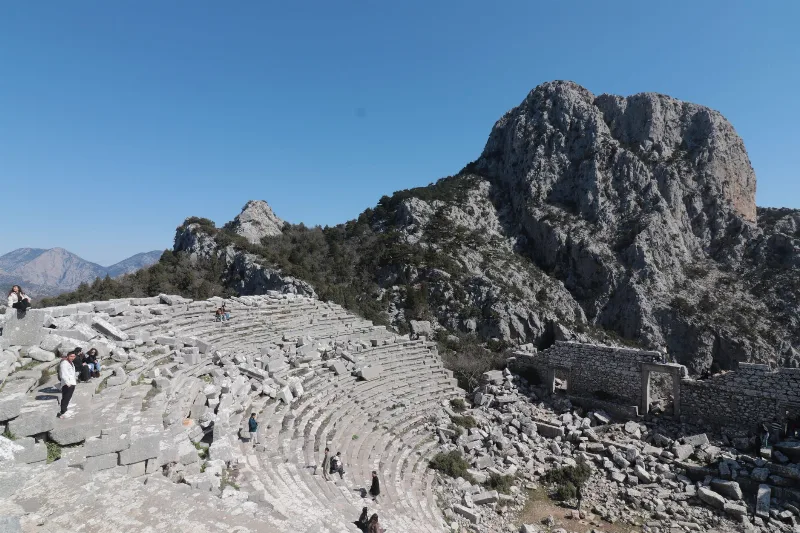
Termessos: The Pisidian Mountain City of Antalya
Termessos is an ancient Pisidian city set high in the Taurus Mountains of Antalya Province, Türkiye. Its abandoned ruins, including a theatre, gymnasium, cisterns and a sprawling necropolis, form one of the most complete archaeological landscapes of the Pisidian region.
Explore →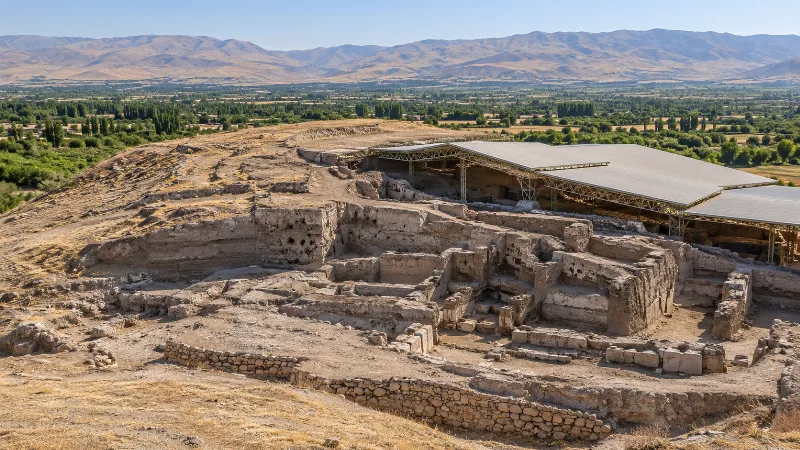
Arslantepe
Arslantepe is a deep archaeological mound on the Malatya plain in eastern Türkiye, where a Late Chalcolithic palace documents the rise of a centralised state and later Neo-Hittite rulers carved lions for its gates. It became a UNESCO World Heritage Site in 2021.
Explore →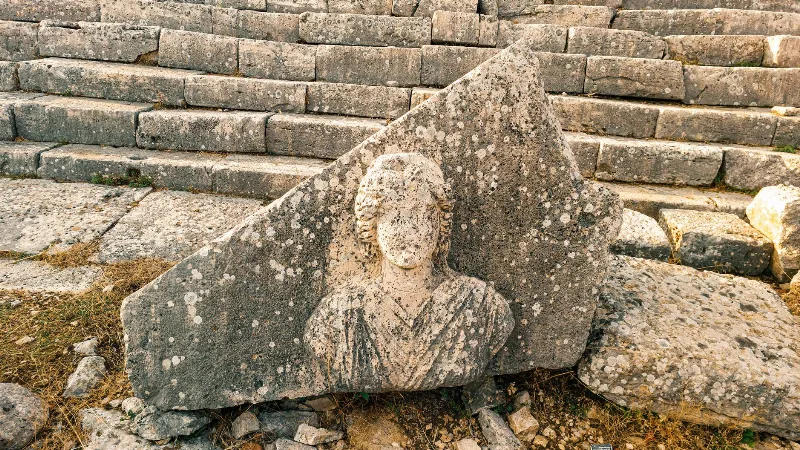
Kibyra
Kibyra is an ancient city on a plateau above Gölhisar in Burdur Province, once the leading city of the Kibyratis. Its theatre, odeon with a Medusa mosaic, and stadium survive in unusual detail.
Explore →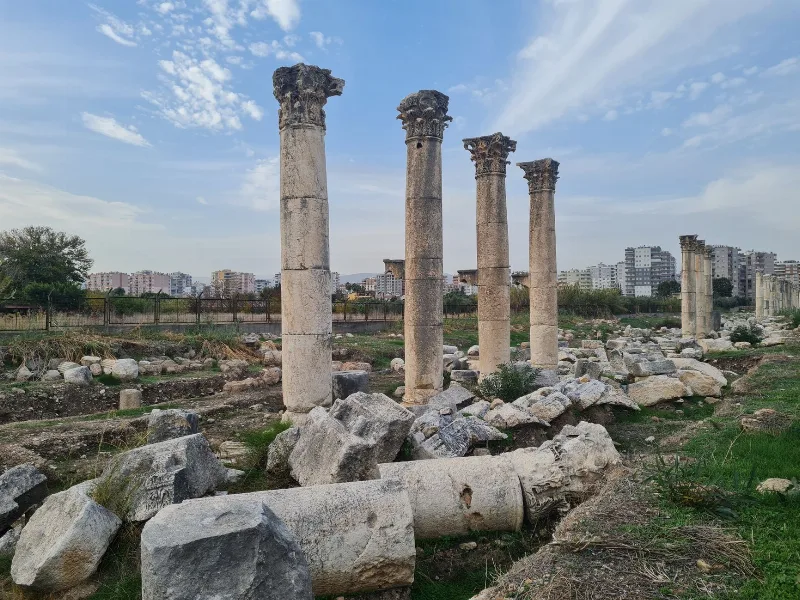
Zeugma
Zeugma was a Hellenistic and Roman city on the Euphrates in Gaziantep Province, important for its river crossing and Roman garrison. Its excavated houses produced celebrated mosaics, many now shown in the Zeugma Mosaic Museum in Gaziantep.
Explore →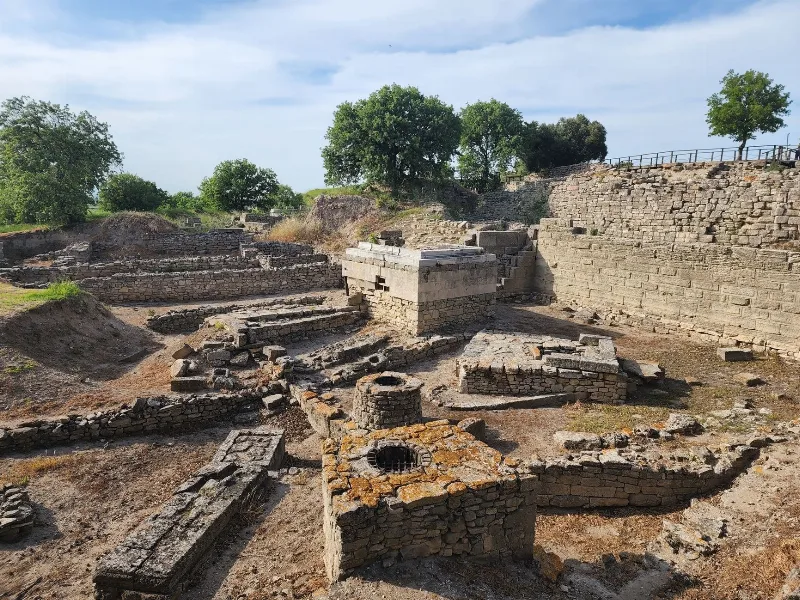
Troy
Troy is the excavated mound of Hisarlık in Çanakkale Province, Türkiye, inhabited from the Early Bronze Age to the Roman era and linked with the Ilion of Homer's Iliad. Its nine settlement layers and surviving Bronze Age fortifications make it one of the most important stratified sites in the eastern Mediterranean.
Explore →Related content
Edirne
Edirne is a northwestern Turkish city near the Greek and Bulgarian borders, renowned for its Ottoman heritage, particularly the Selimiye Mosque, and for hosting the annual Kırkpınar oil wrestling festival.
Cultural Festivals in Türkiye
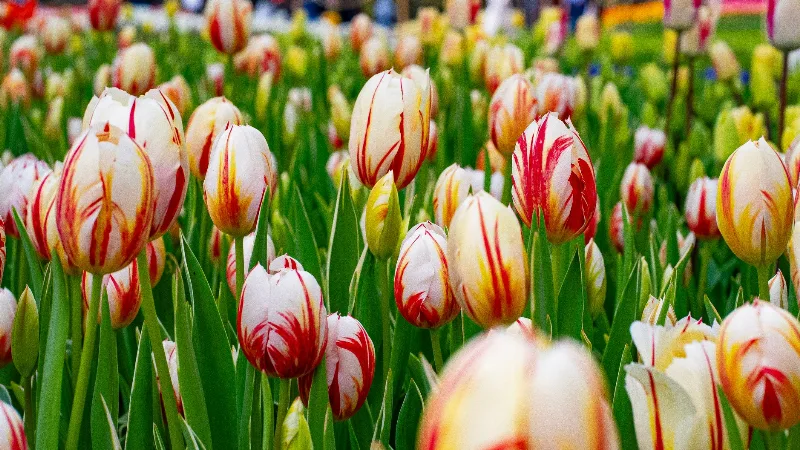
Türkiye's year is marked by festivals that celebrate spring, faith, harvest and history, from Hıdırellez bonfires to the whirling ceremonies of Konya.
2-Day Edirne and Kırklareli Route
A two-day Thrace journey that starts among the Ottoman monuments of Edirne and continues north into Kırklareli, where cave systems and floodplain forests sit beneath the Yıldız Mountains.
Marmara Region
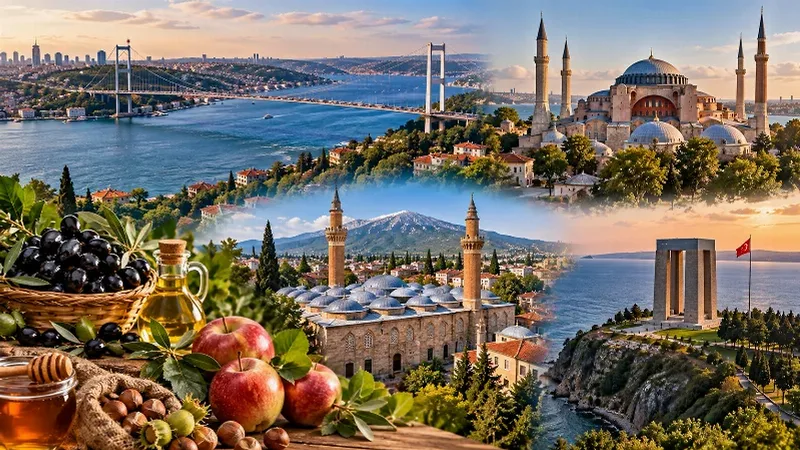
The Marmara Region connects Europe and Asia, bringing together historic cities, beautiful coastlines, green landscapes and a rich cultural heritage. From Istanbul's iconic skyline to the peaceful shores of the Marmara Sea, the region offers a remarkable variety of places to discover.
Trakya Baldo Rice
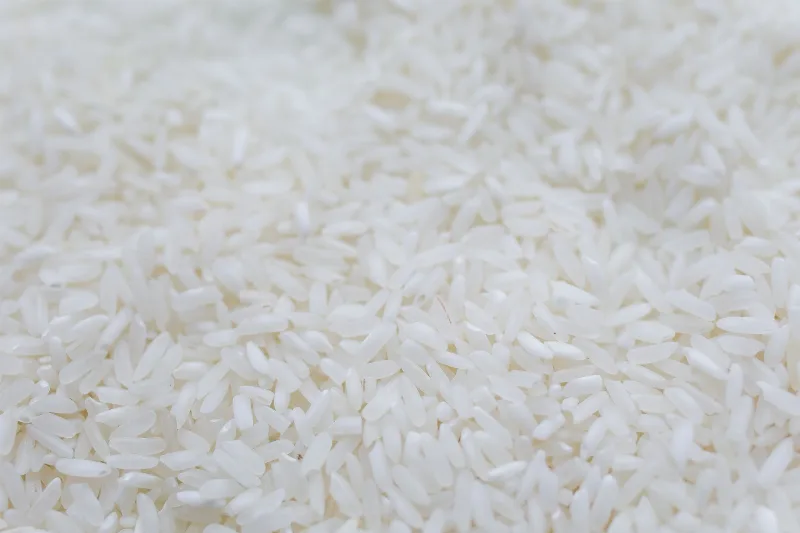
Baldo rice is a large-grain variety grown on the flood plains of Thrace in northwestern Türkiye, where river-fed paddies around Edirne produce grain prized for pilaf. Its long, glassy kernels and the region's water-rich alluvial soils are closely linked.
3-Day Thrace Route: Edirne, Kırklareli and Tekirdağ
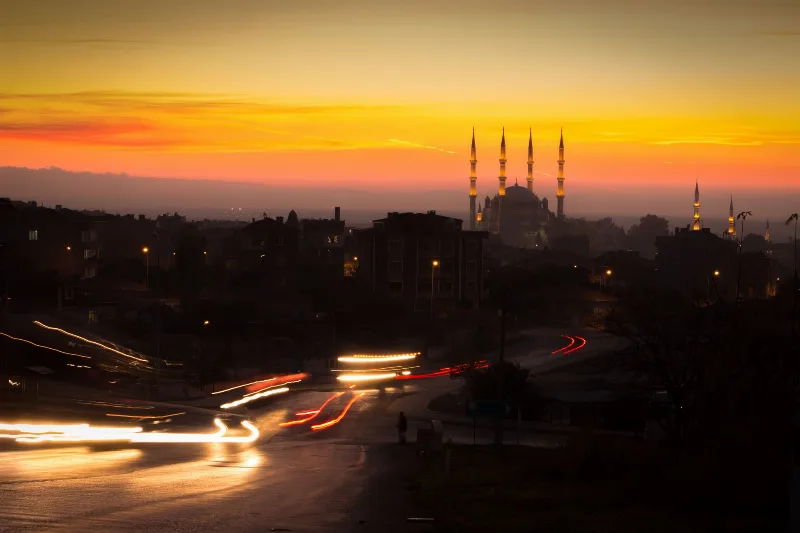
A practical three-day west-to-east, then south, driving route across Turkish Thrace, linking Edirne's Ottoman monuments with Kırklareli's inland towns and Tekirdağ's Marmara vineyards and coast.