
Cultural Festivals in Türkiye
Türkiye's year is marked by festivals that celebrate spring, faith, harvest and history, from Hıdırellez bonfires to the whirling ceremonies of Konya.
Türkiye's calendar is woven with celebrations that follow the turning of the seasons, the rhythms of farming and the country's layered past. From the Aegean coast to the highlands of eastern Anatolia, towns and cities hold events that bring neighbours together, fill streets with music and food, and offer travellers a close look at Turkish culture. Some of these traditions reach back centuries, while others grew around modern artistic life, yet all of them share a warm, community-minded spirit.
Spring Fire and Renewal: Hıdırellez and Nevruz
Hıdırellez, celebrated on the night of 5–6 May, welcomes the arrival of spring and honours the meeting of the prophets Hızır and İlyas. Families gather around bonfires, jump over the flames for good fortune, and tie written wishes to trees or throw them into rivers. In Edirne, the Kakava celebrations along the Meriç River bring the city's Romani community together for days of music, dancing and shared meals.
Nevruz, marked on 21 March, is widely observed in eastern provinces such as Van, Kars and Iğdır. Bonfires are lit on hillsides, painted eggs are exchanged, and tables are set with sweets. The day is seen as the beginning of spring and of a new agricultural year.
Bayram: Holidays That Bring Families Together
Ramazan Bayramı follows the month of fasting and lasts three days. Homes fill with trays of baklava, lokum and other sweets, and younger people visit older relatives to show respect. Children receive small gifts and treats, and streets stay lively well into the evening.
Kurban Bayramı lasts four days and centres on sharing. Meat from the sacrifice is divided among family, neighbours and those in need, and many people travel to their hometowns to be with relatives. Another important moment is Aşure, prepared during the month of Muharram. This pudding of wheat, chickpeas, beans and dried fruit is cooked in large pots and offered to neighbours, friends and passers-by, a custom that reflects a long tradition of generosity.
Historic Festivals in Edirne, Manisa and Konya
Each summer, the Sarayiçi meadow in Edirne hosts Kırkpınar, an oil wrestling festival with roots stretching back to the fourteenth century. Wrestlers covered in olive oil compete on grass while drummers and pipers accompany the contests, and the event draws visitors from across the country.
In Manisa, the Mesir Macunu Festival takes place each spring. A spiced paste made from a blend of herbs, spices and honey is prepared and scattered from the rooftops of the Sultan Mosque for the crowd to catch, a custom linked to the city's Ottoman past.
Every December, Konya remembers Mevlana Celaleddin Rumi during Şeb-i Arus, the commemoration of his passing. The sema ceremony, performed by whirling dervishes in white robes, combines music and movement in a quiet, contemplative atmosphere that attracts guests from many countries.
Arts, Flowers and Harvest Traditions
In summer, the Roman theatre at Aspendos near Antalya hosts opera and ballet performances under the open sky, using the ancient stone seating as a natural backdrop. Istanbul welcomes spring in April with its tulip season, when parks and avenues are planted with millions of bulbs in carefully arranged beds of colour.
Autumn brings harvest celebrations. Vineyards in Thrace and the Aegean, including the areas around Tekirdağ and Manisa, mark the grape harvest with local music, folk dances and open-air meals. Villages in the Black Sea region celebrate their own crops, while coastal towns hold festivals around fishing and the return of the boats.
Food at the Heart of Every Celebration
No festival in Türkiye is complete without food. Gözleme cooked on a griddle, mantı served with yoghurt and butter, and regional kebab styles all appear at seasonal gatherings. Helva and lokma are prepared for holidays and shared with visitors, while in the Black Sea region, dishes built around hamsi are part of winter festivities. In the southeast, pistachios and dried fruit shape both everyday cooking and holiday tables.
What ties these festivals together is their openness. Whether it is a bonfire on a spring evening, a bayram visit, or a concert in an ancient theatre, the celebrations invite anyone nearby to take part and to understand a little more about life in Türkiye.
Related content
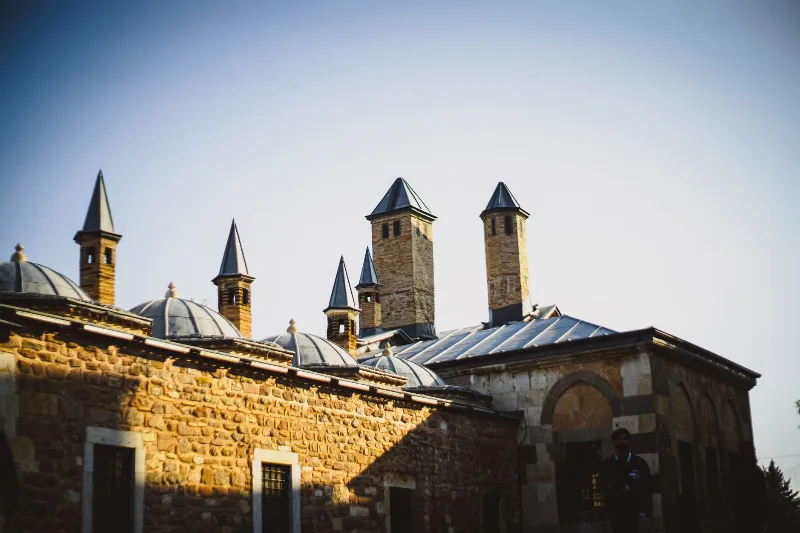
Konya
Konya is a city known for its spiritual essence and cultural heritage, home to the Mevlana Museum and the whirling dervishes.
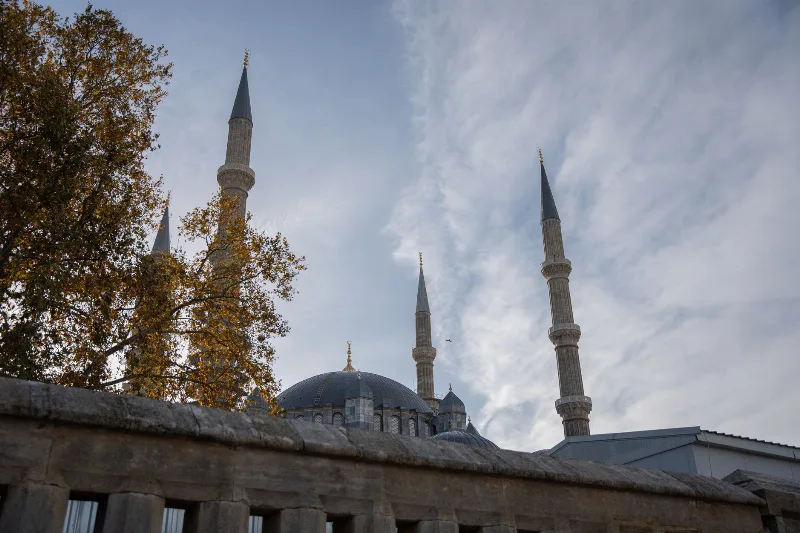
Edirne
Edirne is a northwestern Turkish city near the Greek and Bulgarian borders, renowned for its Ottoman heritage, particularly the Selimiye Mosque, and for hosting the annual Kırkpınar oil wrestling festival.
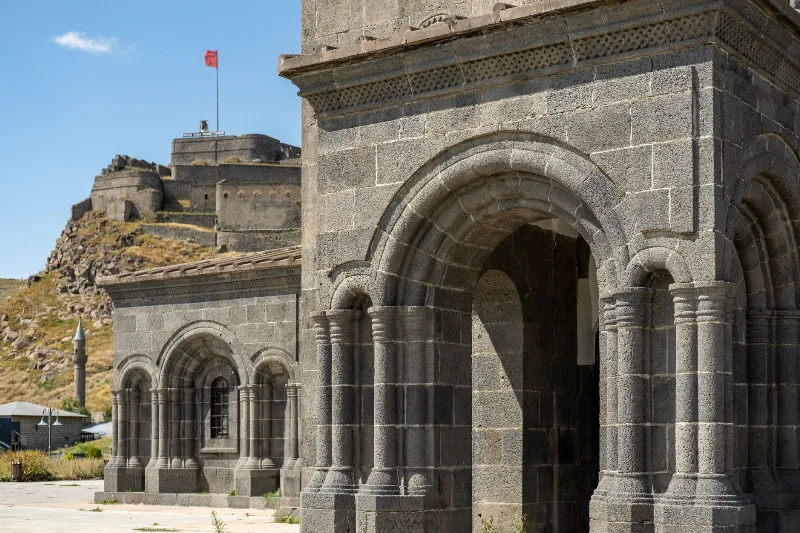
Kars
Kars is a high-plateau city in northeastern Türkiye, close to the Armenian border, shaped by decades of Russian rule and known for its cheesemaking tradition and the nearby medieval ruins of Ani. It serves as the main urban base for exploring this remote corner of Eastern Anatolia.
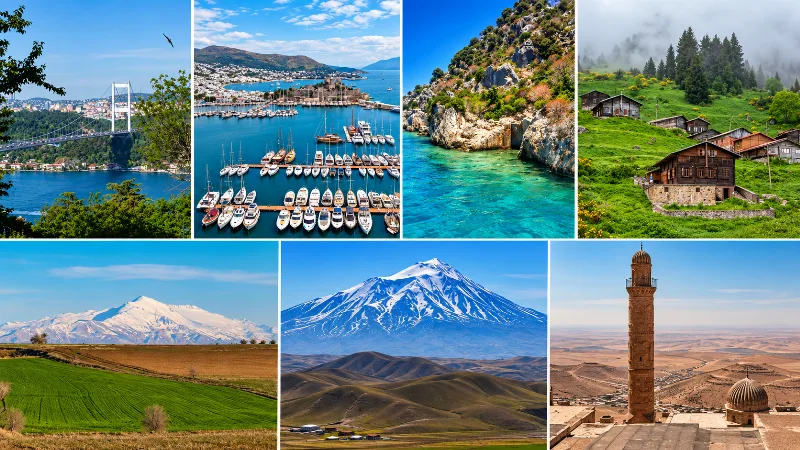
The Seven Geographical Regions of Turkey
An introduction to Turkey’s seven geographical regions and the landscapes, climates and cultural characteristics that distinguish them.
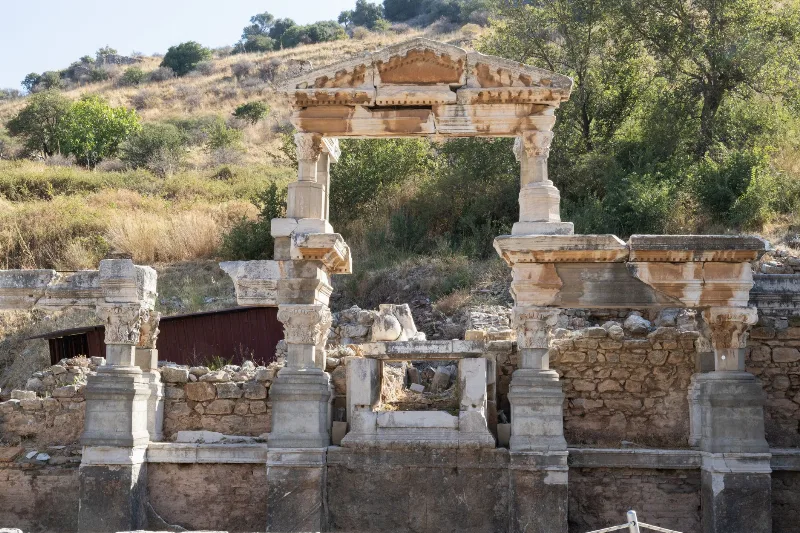
Cultural Heritage of Anatolia
Anatolia's cultural heritage spans millennia, blending ancient civilizations, architectural marvels, and living traditions across Türkiye.
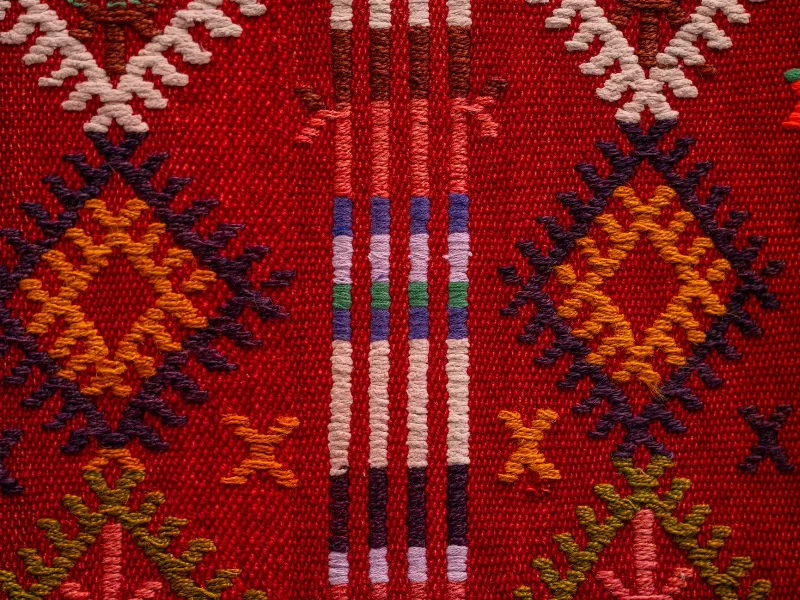
Turkish Carpets and Kilims
A look at Turkish carpets and kilims, from knotting and flatweave techniques to natural dyes, motifs and the Anatolian regions where they are made.
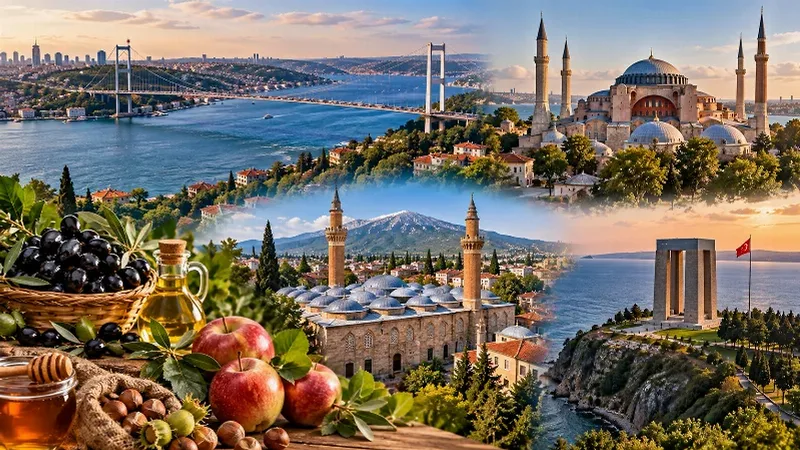
Marmara Region
The Marmara Region connects Europe and Asia, bringing together historic cities, beautiful coastlines, green landscapes and a rich cultural heritage. From Istanbul's iconic skyline to the peaceful shores of the Marmara Sea, the region offers a remarkable variety of places to discover.
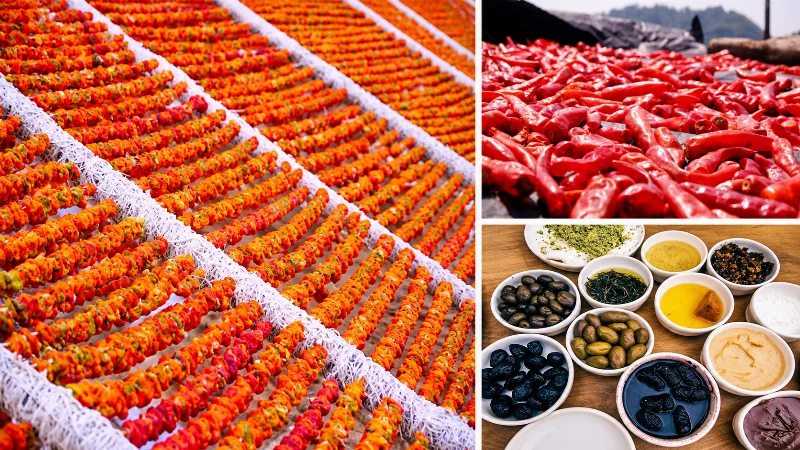
Why Turkish Food Changes from Region to Region
Climate, geography, agriculture and local history shape the ingredients, cooking methods and everyday dishes found across Türkiye. Türkiye’s cuisine is often described as a single national tradition, but food changes considerably from one region to another. Coastal climate, mountain geography, agricultural production, local history and available ingredients all influence what is cooked and how meals are prepared. A dish common on the Black Sea coast may be uncommon in southeastern Türkiye, while ingredients associated with the Aegean can play a much smaller role in the interior. These regional differences form one of the main characteristics of Turkish food culture.