
Cultural Heritage of Anatolia
Anatolia's cultural heritage spans millennia, blending ancient civilizations, architectural marvels, and living traditions across Türkiye.
Anatolia, the Asian portion of Türkiye, is a land where history is woven into every landscape. From the rugged mountains and fertile valleys to the Aegean and Mediterranean coasts, this region has been home to countless civilizations, each leaving an indelible mark on its cultural heritage. Exploring Anatolia means encountering layers of history, from prehistoric settlements to Ottoman masterpieces, alongside vibrant traditions that continue today.
Ancient Cities and Archaeological Wonders
Anatolia's soil has witnessed the rise and fall of empires. At Göbekli Tepe, near Şanlıurfa, monumental stone pillars date back over 11,000 years, challenging our understanding of early human society. The Hittite capital of Hattuşa, with its massive walls and lion gates, reveals the power of a Bronze Age empire. Along the Aegean coast, Ephesus stands as a remarkably preserved Roman city, its Library of Celsus and Great Theatre echoing with history. Troy, immortalized in Homer's epics, offers a glimpse into the legendary past. These sites are not just ruins; they are portals into the diverse cultures that shaped Anatolia.
Architectural Heritage Across the Ages
From Byzantine domes to Seljuk caravanserais and Ottoman mosques, Anatolia's architecture reflects a confluence of influences. Istanbul's Hagia Sophia, with its immense dome, represents a masterpiece of Byzantine engineering. The Seljuk-era Sultanhanı Caravanserai near Aksaray once provided refuge for travelers along the Silk Road. In Ottoman times, architects like Mimar Sinan created elegant mosques, such as the Selimiye Mosque in Edirne, which exemplify classical Ottoman design. Traditional Anatolian houses, with their wooden balconies and stone walls, can still be seen in towns like Safranbolu and Cumalıkızık, offering a window into daily life in the past.
Living Traditions and Handicrafts
Cultural heritage in Anatolia is not confined to the past; it lives on in the skills and customs passed down through generations. Carpet weaving, particularly in regions like Konya and Kars, produces intricate patterns that tell stories of tribal history. Ceramic art, centered in İznik and Kütahya, continues to use techniques from the Ottoman era, creating vibrant tiles and vessels. The tradition of Ebru, or paper marbling, involves floating pigments on water to create mesmerizing designs. These crafts are often practiced in small workshops, keeping ancient methods alive while adapting to modern tastes.
A Culinary Mosaic
Anatolian cuisine is a reflection of its cultural diversity. Dishes like kebab, pide, and lahmacun are enjoyed across the region, but each area has its own specialties. In Gaziantep, the culinary scene is renowned for baklava made with pistachios, and for kebabs that emphasize local spices. The Black Sea region offers hamsi (anchovy) dishes, while the Aegean coast is known for olive oil-based mezes and fresh seafood. Meals often begin with a spread of small plates, encouraging communal dining and conversation. Food in Anatolia is not just sustenance; it is a celebration of hospitality and shared heritage.
Natural Landscapes Shaped by Culture
Anatolia's natural wonders are inseparable from its cultural heritage. Cappadocia's fairy chimneys, formed by volcanic erosion, have been carved into cave dwellings, churches, and underground cities by early Christian communities. Pamukkale's white terraces, created by mineral-rich springs, have attracted visitors since Roman times, when the spa city of Hierapolis was built above them. The travertine pools and ancient ruins together form a UNESCO World Heritage Site. Mount Ararat, the highest peak in Türkiye, holds significance in various traditions, while the Euphrates and Tigris rivers have nurtured civilizations for millennia.
Preserving the Past for the Future
Many of Anatolia's heritage sites are protected as national parks or UNESCO World Heritage Sites, ensuring their preservation for future generations. Museums across the country, such as the Museum of Anatolian Civilizations in Ankara, house artifacts that tell the story of the region's long history. Local festivals and cultural events celebrate traditions, from folk dances to music performances, keeping the intangible heritage alive. For travelers, engaging with Anatolia's cultural heritage offers a deeper understanding of Türkiye's identity and its place in the world.
Related content
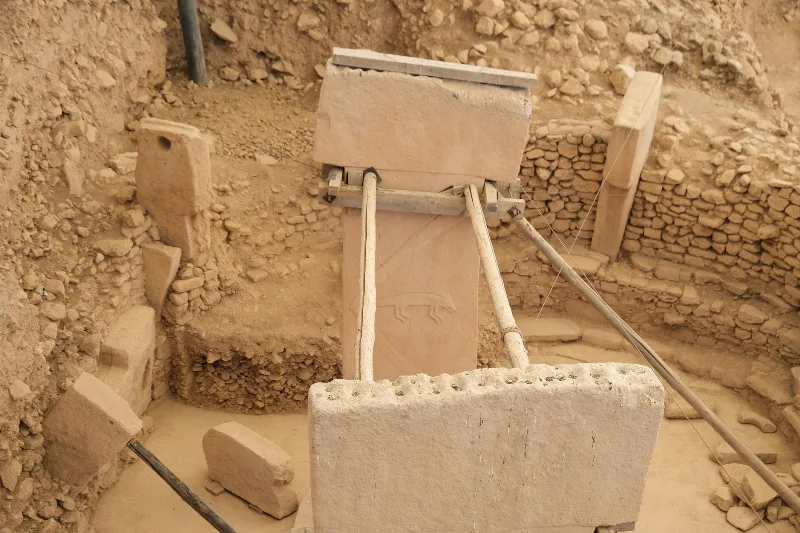
Göbekli Tepe
Göbekli Tepe is the oldest known monumental stone complex, raised by hunter-gatherers near Şanlıurfa in southeastern Türkiye around 9600 BCE. Its carved T-shaped pillars and deliberate burial have reshaped ideas about the Neolithic.
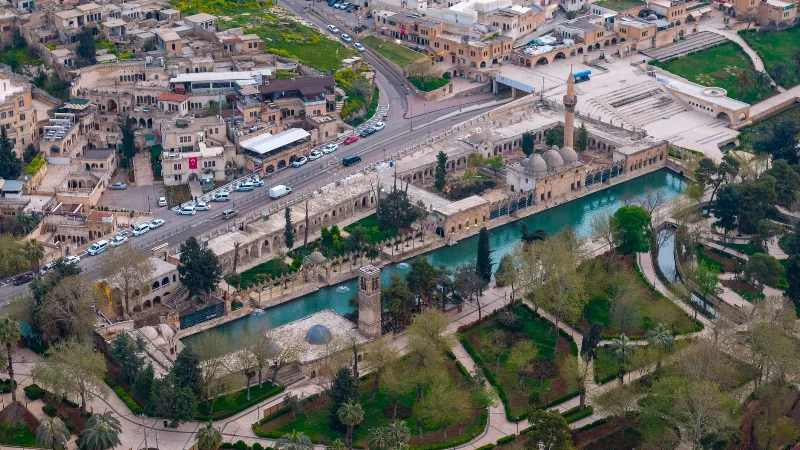
Şanlıurfa
Şanlıurfa, commonly called Urfa, is a large city in southeastern Türkiye and the capital of its province. It is known both as a place tied to the tradition of the Prophet Abraham and as the gateway to Göbekli Tepe, one of the oldest monumental sites ever found.
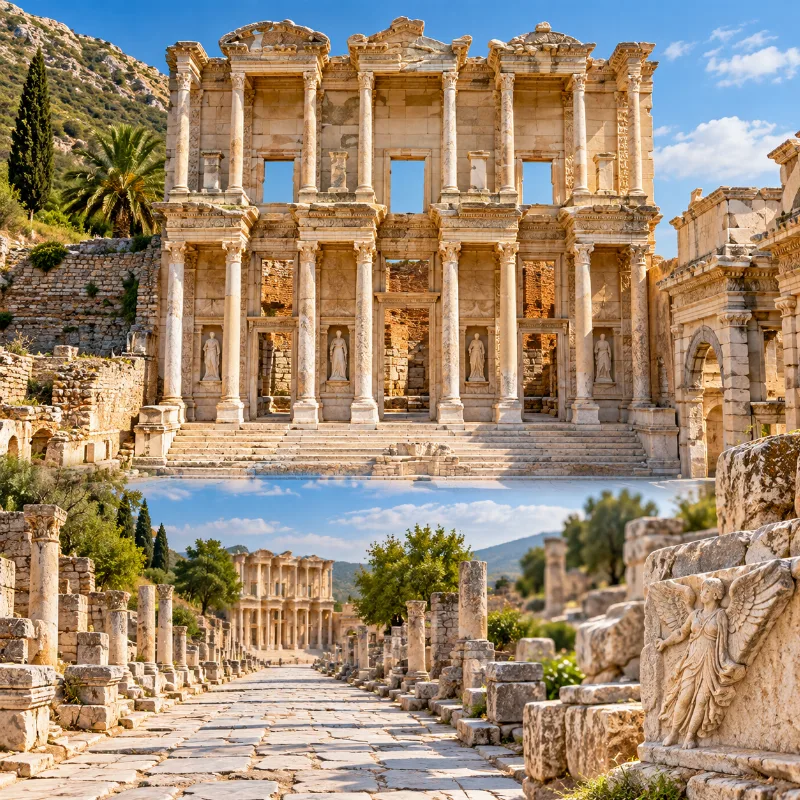
Ephesus
One of the best-preserved ancient cities in the Aegean, known for its monumental streets, library, theatre and Roman-era remains.
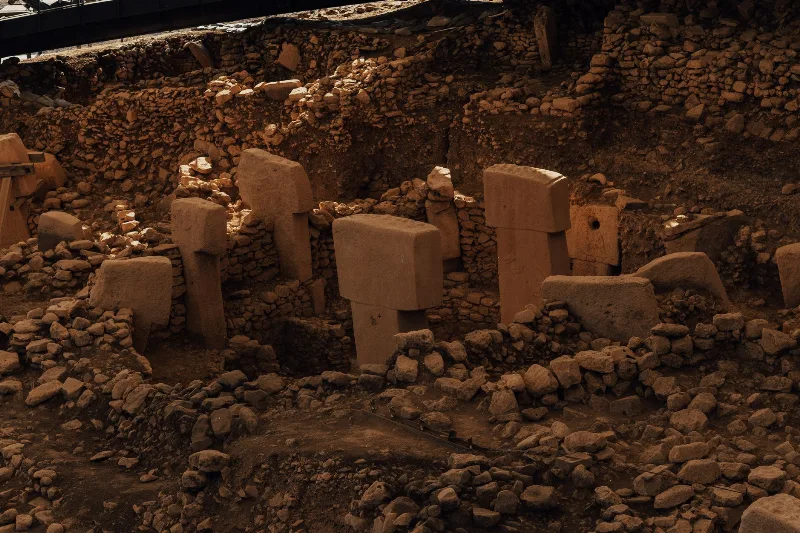
Uncovering the Mysteries of Göbekli Tepe
Explore Göbekli Tepe, an ancient archaeological site that reshapes our understanding of human history and civilization.
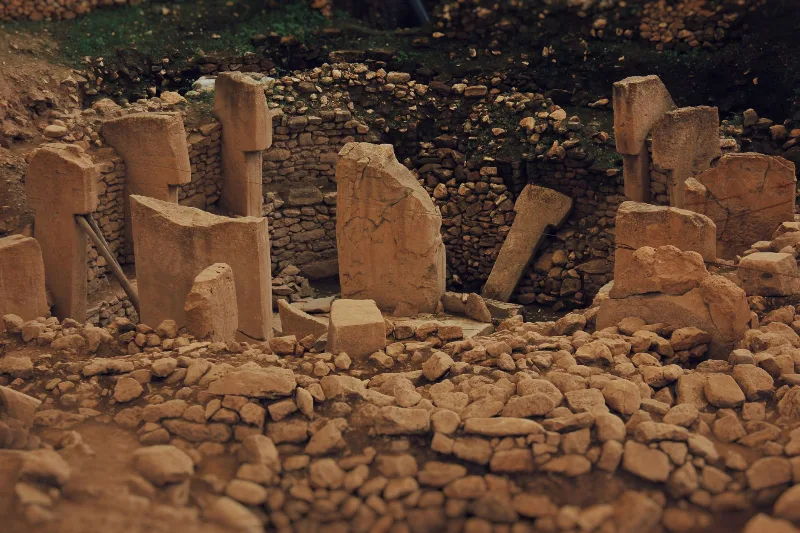
Göbekli Tepe Archaeological Site
Discover Göbekli Tepe, an extraordinary archaeological site in Türkiye revealing ancient civilizations through its monumental structures.
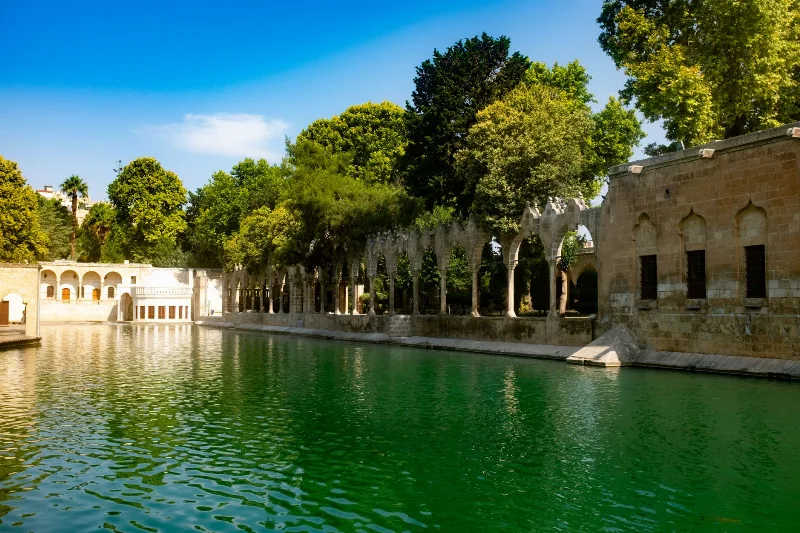
Şanlıurfa's Historical and Cultural Richness
Şanlıurfa in southeastern Türkiye blends Neolithic archaeology, sacred pools, ancient Harran and a lively food and music tradition into one remarkably layered destination.
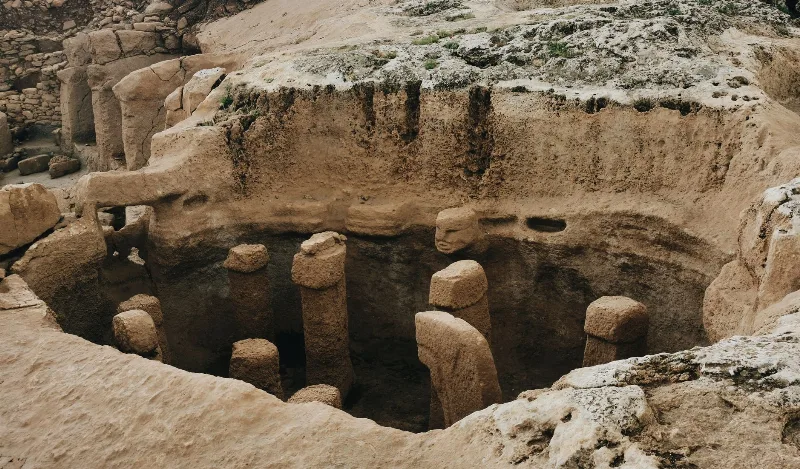
Karahan Tepe
Karahan Tepe is a Pre-Pottery Neolithic site in Şanlıurfa Province, Türkiye, known for T-shaped pillars and animal reliefs and dated to roughly 9500 BCE.
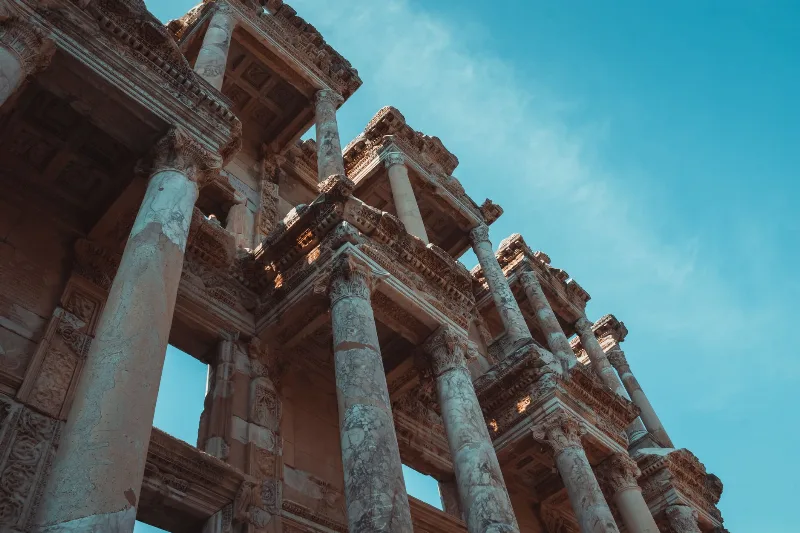
Ephesus Ancient City
Experience the historical allure of Ephesus, one of Türkiye's most well-preserved Roman sites.