
Uncovering the Mysteries of Göbekli Tepe
STORIES FROM TÜRKİYE
The Discovery of Göbekli Tepe
Göbekli Tepe was first discovered in the mid-1990s near the city of Şanlıurfa. Its monumental structures, dating back to around 9600 BCE, are considered some of the oldest known examples of monumental architecture. The site's massive stone pillars, arranged in circular formations, suggest a level of social organization and religious development that was previously unassociated with hunter-gatherer communities.
Architectural Marvels
The most striking feature of Göbekli Tepe is its T-shaped limestone pillars, some of which reach heights of up to 6 meters. These pillars are adorned with intricate carvings of animals and abstract symbols, which offer insights into the spiritual life and artistic expression of the site's ancient builders. The craftsmanship involved in creating these structures indicates a sophisticated understanding of engineering and artistry.
Rewriting Human History
The discoveries at Göbekli Tepe have prompted a reevaluation of the timeline of human history. It suggests that organized religion and complex societies may have originated earlier than the advent of agriculture. This challenges the traditional narrative that settled farming communities were the first to develop such social structures. Göbekli Tepe's significance lies in its ability to reshape our understanding of the transition from nomadic to settled life.
Visiting Göbekli Tepe
Today, Göbekli Tepe is a UNESCO World Heritage Site and a fascinating destination for those interested in archaeology and history. Visitors can explore the site and marvel at the ancient structures that have withstood the test of time. The surrounding region of Şanlıurfa also offers a wealth of historical and cultural experiences, making it a rewarding journey for any traveler interested in the deep past of human civilization.
Historic places
Explore history →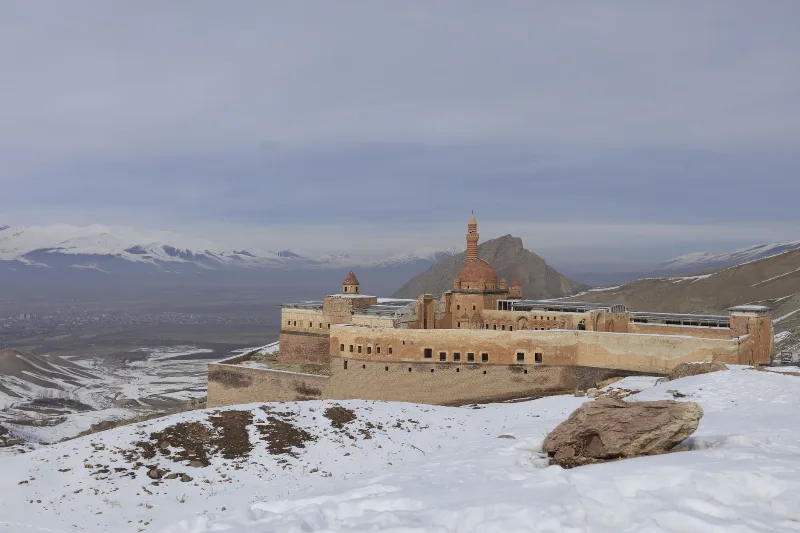
Ishak Pasha Palace
Ishak Pasha Palace is a late Ottoman palace complex in Doğubayazıt, Ağrı Province, eastern Turkey. Built between the late 17th and late 18th centuries, it is known for its stone architecture, which combines Ottoman, Seljuk, and Persian elements.
Explore →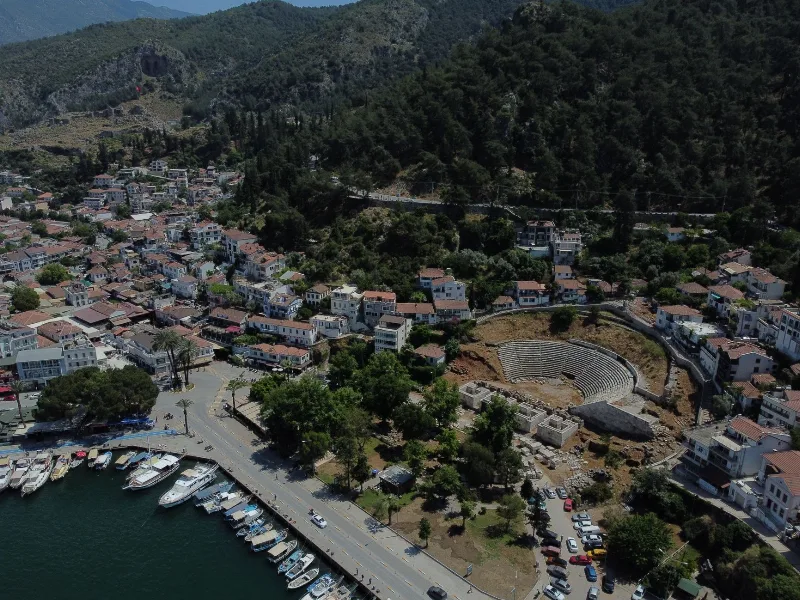
Phaselis
Phaselis is an ancient Greek and Roman harbour city on a low peninsula near Kemer in Antalya Province, known for its three harbours, a long paved main street and a triple-arched gate built in honour of the emperor Hadrian.
Explore →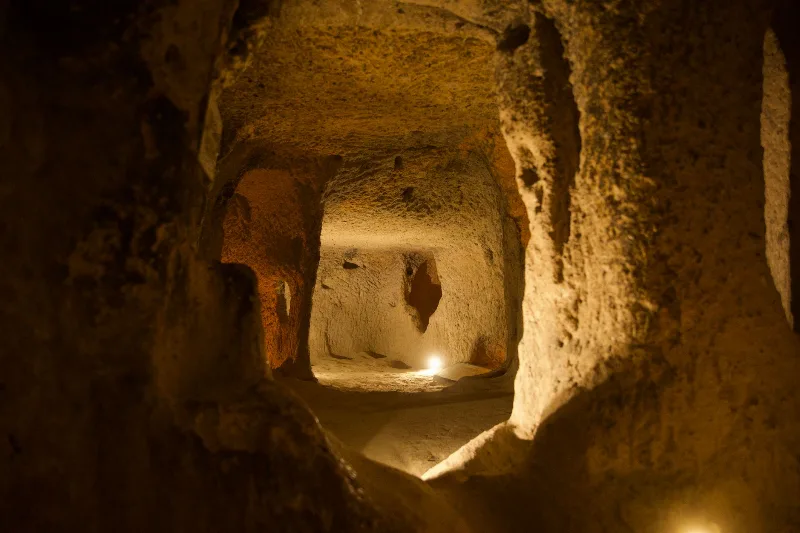
Derinkuyu Underground City
Derinkuyu Underground City is a multi-level rock-cut settlement beneath the town of Derinkuyu in Nevşehir Province, the deepest known underground city in Cappadocia and one of Anatolia's most complete examples of subterranean architecture.
Explore →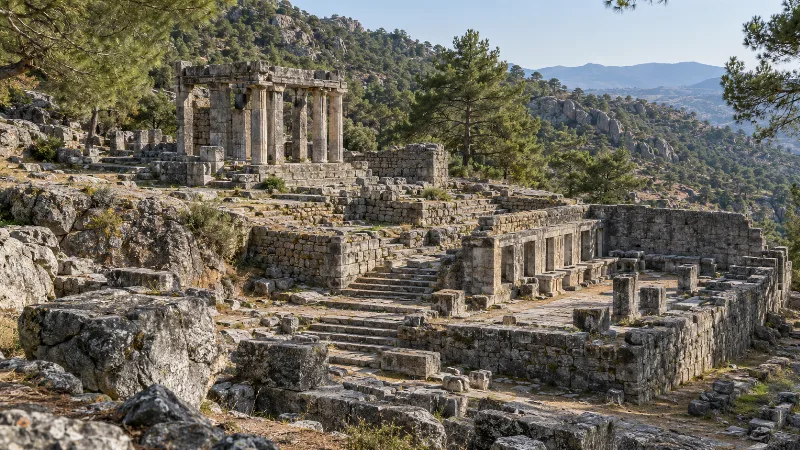
Labranda: The Ancient Carian Sanctuary of Zeus Labraundos
Labranda is an ancient Carian sanctuary of Zeus Labraundos in the hills north-east of Milas, Muğla Province, whose temples, banqueting halls and processional way were largely built in the 4th century BC under the Hekatomnid dynasty.
Explore →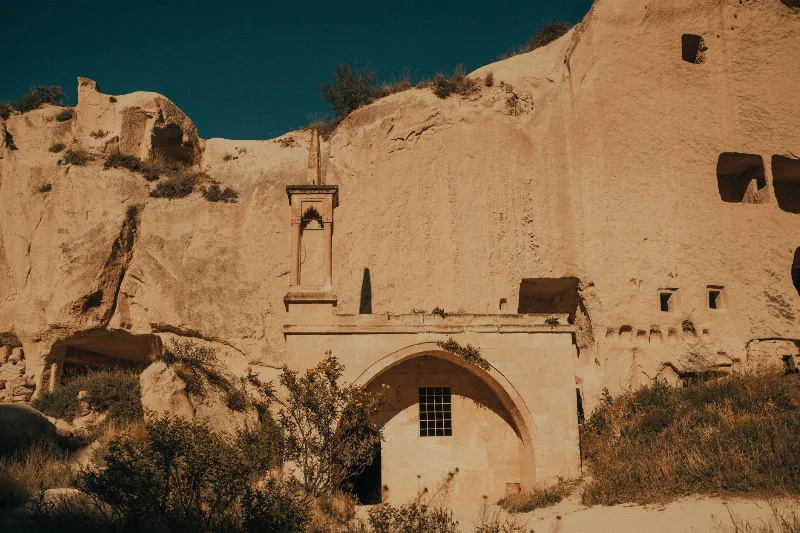
Göreme Open Air Museum
Göreme Open Air Museum is a rock-cut Byzantine monastic complex in the Göreme valley of Cappadocia, Nevşehir Province, whose churches preserve fresco cycles painted between the 10th and 13th centuries. It forms part of the UNESCO World Heritage Site of Göreme National Park and the Rock Sites of Cappadocia.
Explore →Related content
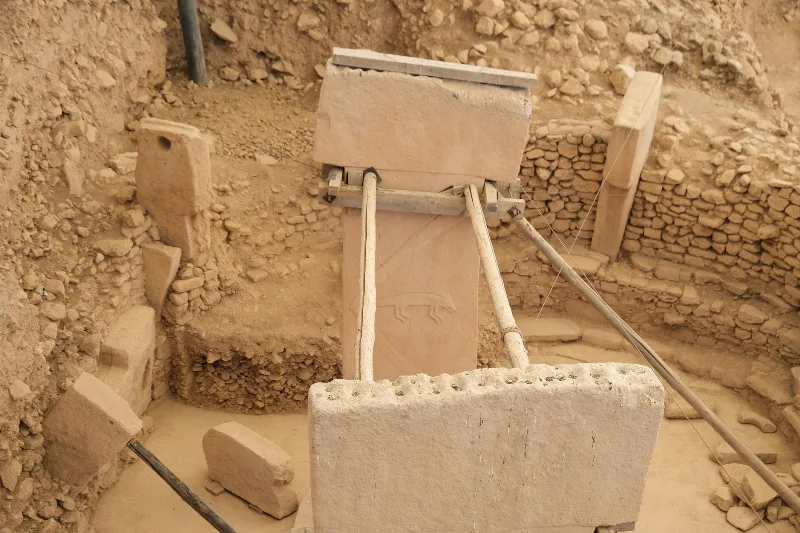
Göbekli Tepe
Göbekli Tepe is the oldest known monumental stone complex, raised by hunter-gatherers near Şanlıurfa in southeastern Türkiye around 9600 BCE. Its carved T-shaped pillars and deliberate burial have reshaped ideas about the Neolithic.
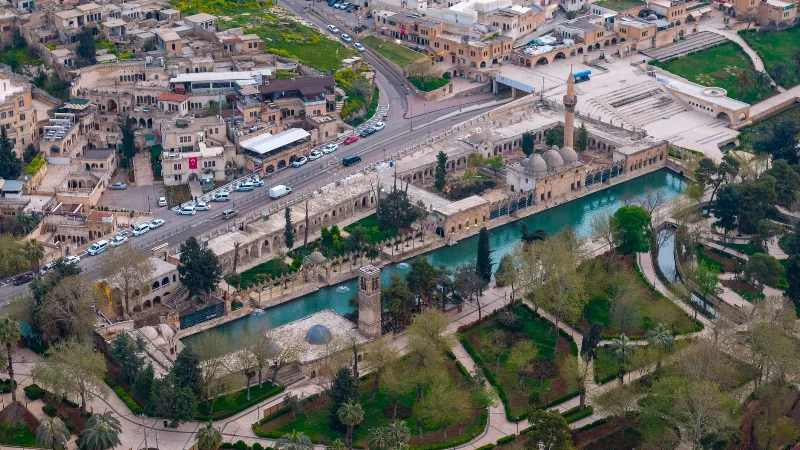
Şanlıurfa
Şanlıurfa, commonly called Urfa, is a large city in southeastern Türkiye and the capital of its province. It is known both as a place tied to the tradition of the Prophet Abraham and as the gateway to Göbekli Tepe, one of the oldest monumental sites ever found.
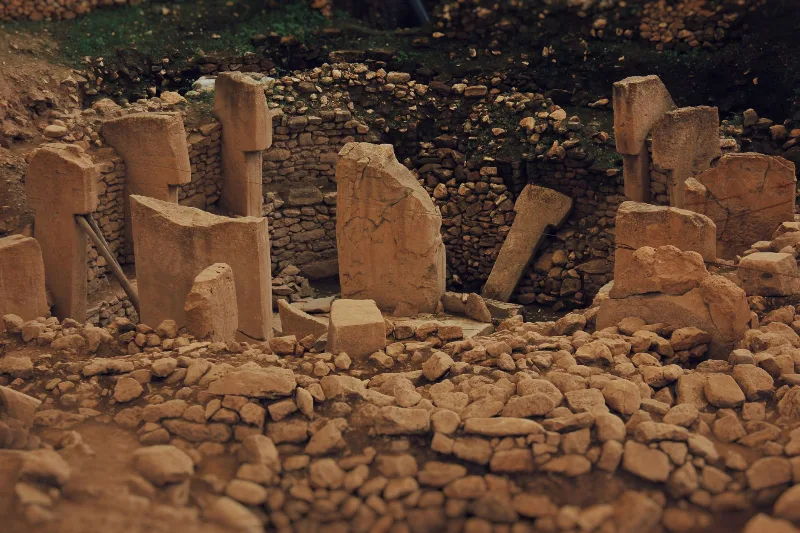
Göbekli Tepe Archaeological Site
Discover Göbekli Tepe, an extraordinary archaeological site in Türkiye revealing ancient civilizations through its monumental structures.
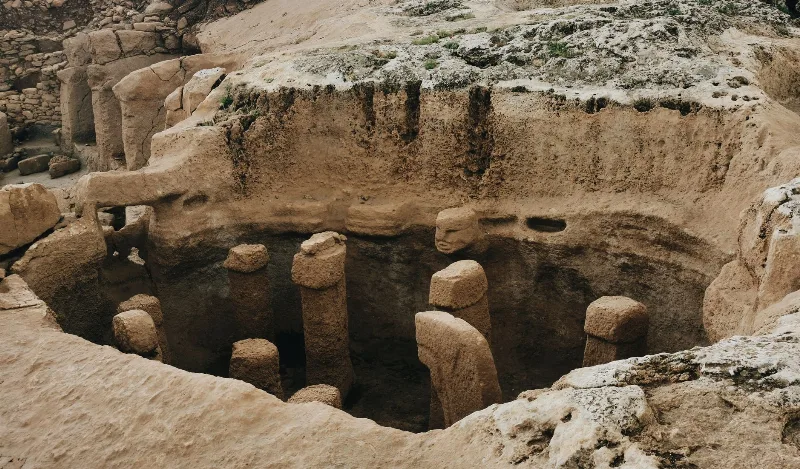
Karahan Tepe
Karahan Tepe is a Pre-Pottery Neolithic site in Şanlıurfa Province, Türkiye, known for T-shaped pillars and animal reliefs and dated to roughly 9500 BCE.
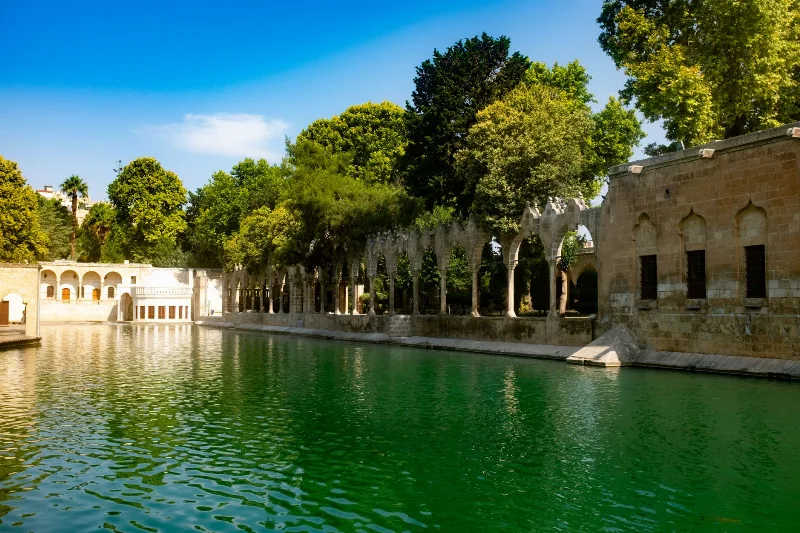
Şanlıurfa's Historical and Cultural Richness
Şanlıurfa in southeastern Türkiye blends Neolithic archaeology, sacred pools, ancient Harran and a lively food and music tradition into one remarkably layered destination.
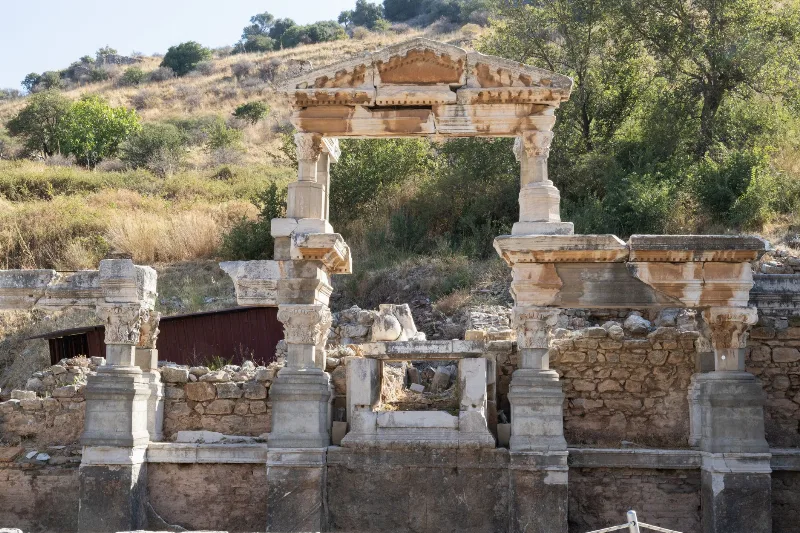
Cultural Heritage of Anatolia
Anatolia's cultural heritage spans millennia, blending ancient civilizations, architectural marvels, and living traditions across Türkiye.