
Ishak Pasha Palace
Ishak Pasha Palace is a late Ottoman palace complex in Doğubayazıt, Ağrı Province, eastern Turkey. Built between the late 17th and late 18th centuries, it is known for its stone architecture, which combines Ottoman, Seljuk, and Persian elements.
Ishak Pasha Palace is a large Ottoman palace complex in the Doğubayazıt district of Ağrı Province, eastern Turkey. It stands on a rocky plateau above the town, close to the Iranian border and within sight of Mount Ararat. The complex was built between the late 17th and late 18th centuries and served as the residence and administrative center of local Ottoman governors in the Bayazıt region. It is significant for its monumental stone architecture, which combines Ottoman, Seljuk, and Persian elements, and for being one of the few large Ottoman palace complexes to survive outside Istanbul.
Location and Geographical Setting
Doğubayazıt lies in the far east of Turkey, in Ağrı Province, on a high plain near the Iranian border. The palace is situated near the older settlement of Doğubayazıt, a short distance from the modern town center and close to Doğubayazıt Castle. The site occupies a terrace on a rocky slope, with views over the town and the surrounding plain. The elevation is high, and the climate is continental, with cold, snowy winters and warm, dry summers. The landscape around Doğubayazıt is dominated by Mount Ararat, which is visible on clear days.
Construction and Historical Background
The construction of Ishak Pasha Palace is generally dated from 1685 to 1784, spanning the terms of several Ottoman governors. According to inscriptions and local histories, work began under Çolak Abdi Pasha and continued under İshak Pasha, an Ottoman governor associated with the Çıldır Eyalet. The palace takes its name from İshak Pasha, who oversaw a major phase of the building. It was completed under his son, Mehmed Pasha. The palace served as the seat of Ottoman administration in the Bayazıt region, a frontier area contested between the Ottoman Empire and successive Iranian states. It functioned as a residence, a government center, and a statement of local authority. The complex has been on Türkiye's UNESCO World Heritage Tentative List since 2000.
Architecture and Layout
The palace is built of cut stone around a series of courtyards and terraces. Its plan is divided into a selamlık, the public and administrative section, and a harem, the private family quarters. The main entrance is through a monumental portal decorated with carved reliefs and inscriptions. The complex includes a mosque with a dome and minaret, a tomb, a council hall, a bath, kitchens, a bakery, a treasury, and a dungeon. The architecture combines Ottoman planning and decoration with Seljuk stone-carving traditions and Persian-inspired details. The result is a building that reflects the cultural and political connections of eastern Anatolia in the Ottoman period.
The Main Surviving Structures
Visitors today can see the outer walls, the main portal, the mosque, the tomb, the harem, the selamlık, the courtyards, the bath, and various service rooms. The mosque has a dome and a minaret, and the tomb is a domed structure within the complex. The portal is the most richly decorated part of the palace, with reliefs and calligraphic inscriptions. The palace has suffered damage from earthquakes and weathering over time, and it has been restored in recent decades. Some sections have been consolidated or reconstructed, while others preserve original stonework. The layout still gives a clear sense of how the palace was organized and how its different parts related to one another.
Decorative Stonework and the Portal
The stonework of Ishak Pasha Palace includes geometric and floral motifs, muqarnas carving, and inscriptions. The main gate is the focus of the decorative program, with reliefs that are unusual in Ottoman palace architecture. Some of these reliefs have been interpreted in different ways, and their exact meaning remains uncertain. The portal combines calligraphy, ornamental carving, and architectural framing. The mosque and tomb also contain carved stone details. The use of local stone gives the complex a unified appearance, while the decoration shows the influence of several artistic traditions.
What Visitors Can See Today
A visit to the palace involves walking through courtyards, rooms, and terraces. The terrain is uneven, with stone steps and slopes, so comfortable shoes are useful. The site offers views over Doğubayazıt and the surrounding plain, and Mount Ararat is visible on clear days. The palace is open to visitors, and restoration work has made several sections accessible. The mosque, the tomb, the main portal, the harem, and the selamlık are among the most distinctive parts of the complex. The site does not have the scale of the Topkapı Palace in Istanbul, but it preserves a rare example of a provincial Ottoman palace with its own architectural character.
Practical Visiting Context
Doğubayazıt can be reached by road from Van, Ağrı, and Kars. The palace is close to the town and to Doğubayazıt Castle, so the two sites can be visited together. The climate is continental, with cold, snowy winters and warm, dry summers. Late spring, summer, and early autumn are generally more comfortable for visiting. The high elevation can make weather change quickly, and visitors should be prepared for wind and cold even in summer. The site is not suitable for all mobility levels because of the stone steps and uneven surfaces. The site is exposed to the weather, so protective clothing is useful.
Nearby Historic and Natural Sites
Doğubayazıt Castle, also known as Bayazıt Castle, stands on a nearby hill and is associated with the earlier history of the settlement. The tomb of Ahmed-i Hani, a local scholar and poet, is in Doğubayazıt and is a recognized local landmark. The old settlement of Doğubayazıt contains other historic remains. Mount Ararat dominates the landscape and is a major geographical reference for the region. The surrounding area also has examples of Ottoman and earlier architecture, including mosques and tombs in the town. These sites help place Ishak Pasha Palace within the broader history of eastern Anatolia.
Routes
All routes →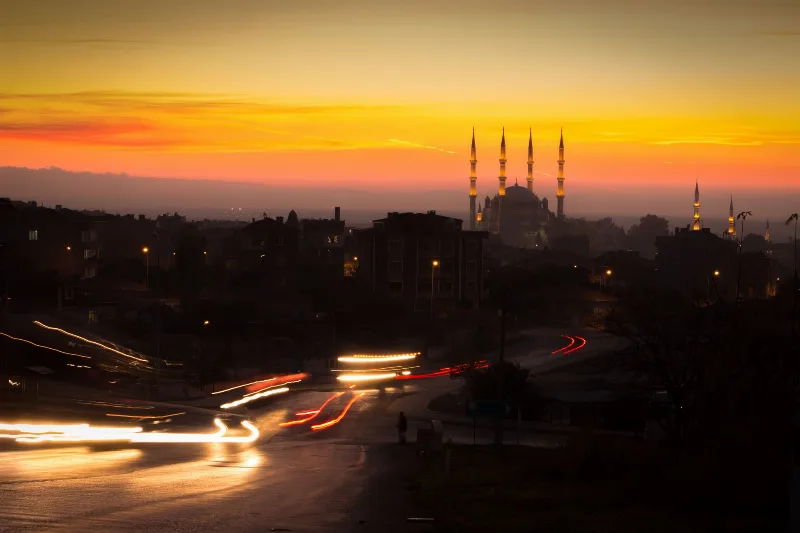
3-Day Thrace Route: Edirne, Kırklareli and Tekirdağ
A practical three-day west-to-east, then south, driving route across Turkish Thrace, linking Edirne's Ottoman monuments with Kırklareli's inland towns and Tekirdağ's Marmara vineyards and coast.
Explore →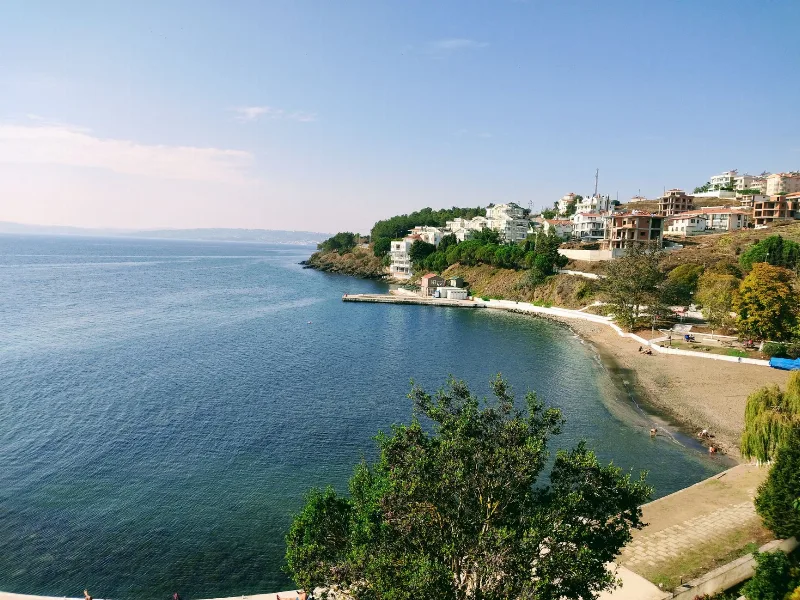
5-Day Black Sea Coast Route
A five-day linear journey along Türkiye's central and eastern Black Sea coast, from Sinop to Trabzon, with an inland detour to Amasya and stops in Ordu and Giresun along the way.
Explore →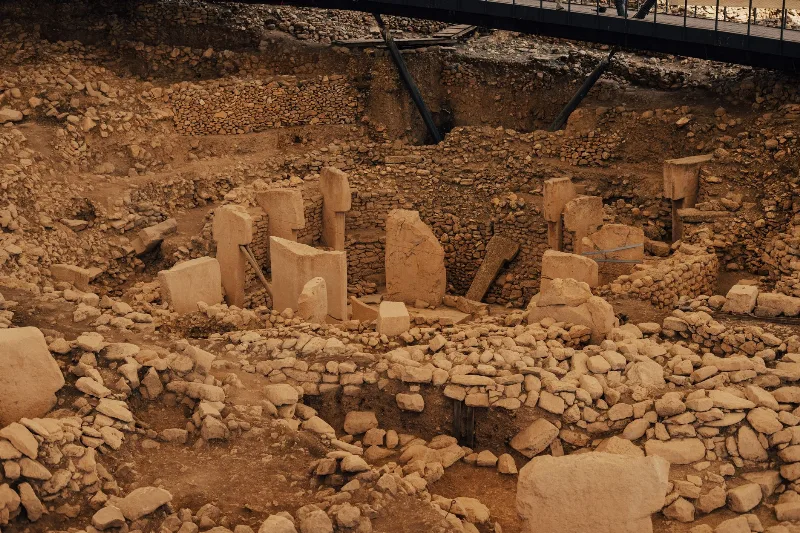
4-Day Southeastern Anatolia Route: Gaziantep to Mardin via Şanlıurfa
A four-day linear route across Southeastern Anatolia, linking the historic cities of Gaziantep, Şanlıurfa and Mardin by road, with the Neolithic site of Göbeklitepe and the ancient settlement of Harran fitted into the middle of the journey.
Explore →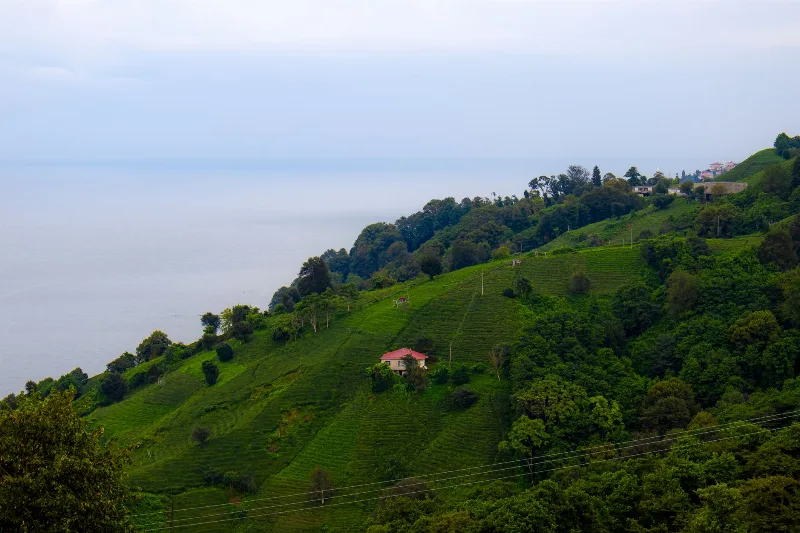
2-Day Rize and Ayder Route
A two-day linear route from Rize city through the coastal tea gardens and the Fırtına Valley to the Ayder Plateau in the Kaçkar Mountains.
Explore →Related content
Ağrı
Explore Ağrı, eastern Türkiye: history, standout sights, landscapes, local food and practical travel advice for an unforgettable journey in Türkiye.
Mount Ararat
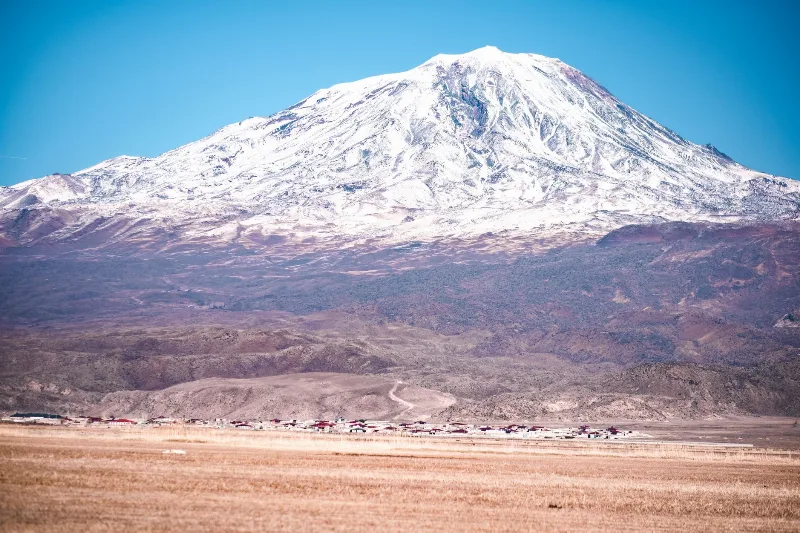
Mount Ararat (Ağrı Dağı) is a dormant, snow-capped stratovolcano in eastern Turkey and the country's highest mountain, rising in two distinct cones above the Iğdır Plain near the Iranian border.
Mount Ararat
Mount Ararat is a dormant stratovolcano in eastern Türkiye and the country's highest mountain at 5,137 metres, known for its twin peaks, permanent ice cap and the long-standing Noah's Ark tradition.
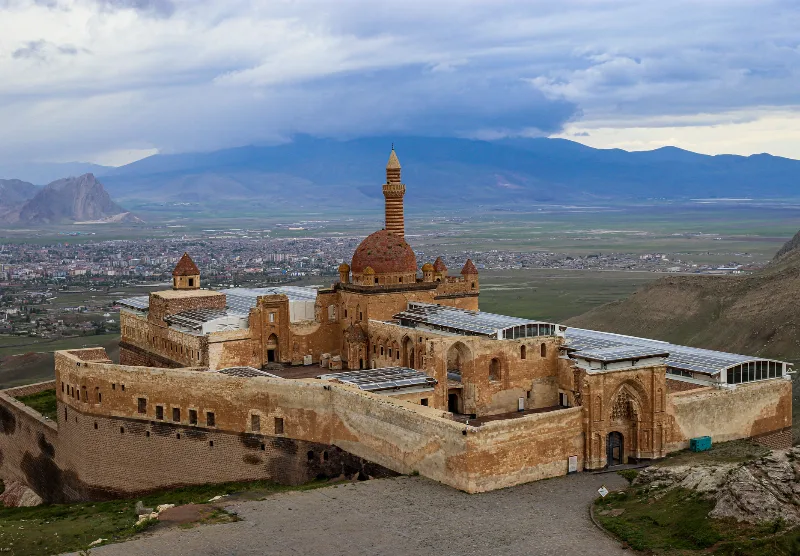
Ishak Pasha Palace
Ishak Pasha Palace is a partly ruined Ottoman palace complex built above Doğubayazıt in eastern Türkiye. Raised between the late 17th and late 18th centuries, it is known for combining Ottoman, Persian, Seljuk and Armenian building and decorative traditions on a terrace facing Mount Ararat.
Mount Ararat Adventures
Mount Ararat, or Ağrı Dağı, is Türkiye's highest mountain, a snow-capped volcano in the far east that draws hikers with its high camps, wide plains and layers of legend.
Eastern Anatolia Region
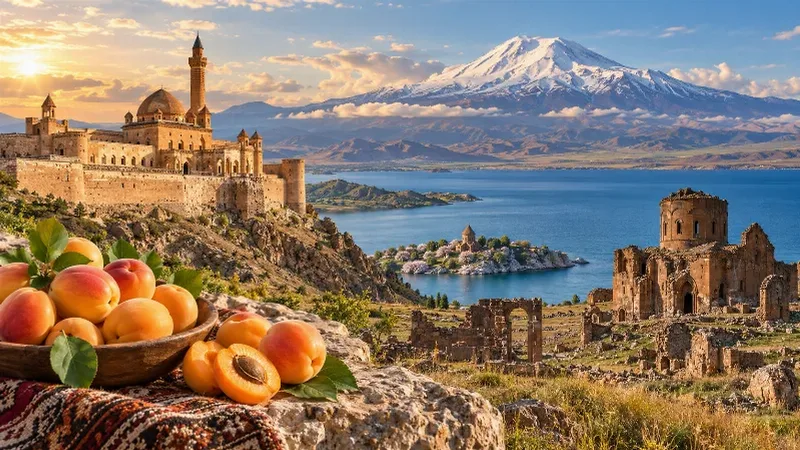
Eastern Anatolia is a region of majestic mountains, vast highlands, beautiful lakes and ancient cultural heritage. Home to Mount Ararat, Lake Van and historic settlements, it offers some of Türkiye's most dramatic natural landscapes alongside distinctive architecture, local traditions and regional cuisine.