
Gölyazı
Gölyazı is a lakeside village in Bursa province, built on a low peninsula in Lake Uluabat, where narrow stone-and-timber lanes, a working fishing harbour and Byzantine ruins sit together on the water.
Gölyazı is a village in the Nilüfer district of Bursa province, in north-western Türkiye, built on a small peninsula that reaches into Lake Uluabat. It is one of the few settlements in the region that sits directly on the water, and its mix of a working fishing harbour, stone-and-timber houses and visible Byzantine remains gives it a character unlike that of the inland villages on the Bursa plain.
Where Gölyazı sits in Lake Uluabat
Lake Uluabat, once known as Apolyont, is a large but shallow lake in the southern Marmara region. Gölyazı occupies the tip of a low peninsula at its edge, with water on three sides of the historic core. Administratively the village belongs to Nilüfer, the district that covers Bursa's western and northern outskirts, but it feels far removed from the city's industrial zones; the last stretch of the approach crosses a narrow neck of land that joins the peninsula to the mainland.
Because the peninsula rises only a few metres above the water, the lake dominates the village. Its colour changes through the day and the seasons, from silver in morning mist to a warm brown-green in summer, and the shallow water around the settlement is edged with reeds and mudflats, with low hills beyond. The surrounding land is agricultural rather than forested — orchards, olive groves and small fields — so the horizon stays open.
From Apollonia to a fishing village
The settlement's origins are ancient. In the classical and Roman periods the site was known as Apollonia ad Rhyndacum, a city on the lake shore, and coins, inscriptions and fragments of masonry from that long occupation have been found in and around the village. In the Byzantine era the place remained inhabited, and churches and monastic buildings were added; one of the small islands in the lake still holds the remains of a religious complex.
The village's later history was shaped by its Greek Orthodox community, which lived here until the population exchange of 1923. After that exchange, families from Greece were settled in the houses the departing community had left behind, and the old parish church lost its congregation. That break is still readable in the fabric of Gölyazı: churches stand without worshippers, and the layout of the lanes and houses belongs to a community that is no longer here.
Stone walls, timber upper floors and narrow lanes
The traditional houses of Gölyazı are built of local stone at ground level, with timber-framed upper storeys above. Many have projecting bays that overhang the lane below, deep eaves and red roof tiles, and windows that look out towards the water. Some houses have been repaired, others are empty or partly collapsed, and this mixture gives the village an unpolished appearance that many visitors find more convincing than a fully restored historic quarter.
The lanes are narrow, sometimes only wide enough for one person, and they curve rather than run straight, following the shape of the peninsula. Walls, garden gates and the occasional fig or olive tree close off the view ahead, so the lake reappears suddenly at the end of an alley. Because the peninsula is small, the whole historic centre can be walked in a short time.
The waterfront, the boats and the storks
Fishing is still part of village life. Small boats are moored along the shore, nets and floats are laid out to dry, and the smell of the lake belongs to the village rather than being hidden from it. The shallow water here is rich in fish, which is one reason the settlement has survived on this site for so long.
Lake Uluabat is recognised as a wetland of international importance under the Ramsar Convention. Its reeds, shallows and mudflats support a large number of waterbirds, including pelicans, herons, cormorants and grebes. The most conspicuous seasonal visitor, however, is the white stork, which nests on rooftops, poles and chimneys in Gölyazı from spring until late summer; the nests are part of the village's summer skyline, and storks return to the same rooftops year after year.
Kız Adası and the ruins around the water
A short distance offshore lies Kız Adası, the Maiden's Island, a small rocky island with the remains of a Byzantine monastery or church. Local tradition attaches a story to the island, but its stone walls and foundations are the main reason to look across the water; the island can be seen clearly from the village shore and from boats out on the lake. Within Gölyazı itself, the shell of a Byzantine church is one of the few standing monuments from the settlement's Christian past, and fragments of older masonry appear in walls and corners throughout the lanes.
What a walk through Gölyazı shows
A visitor can move from the water's edge to the highest point of the peninsula in a few minutes. Along the way the sequence is fairly consistent: the harbour and the shoreline, the row of houses facing the lake, the lanes behind them with their projecting wooden bays, the ruined church, and the small open spaces where the village thins out into gardens and trees. There are views across the lake towards the opposite shore and towards the low hills on the horizon.
This is not an archaeological site with interpretation panels or a large museum, and it is not a resort. It is an inhabited village where people work, and the quiet hours of morning and evening show it at its most ordinary and its most interesting.
Getting to Gölyazı
Gölyazı is reached by road from Bursa, heading west out of the city through the Nilüfer district; the final approach follows a signposted road that crosses the neck of the peninsula. A private car or a taxi is the most straightforward option, since the village is small and local transport is limited. Minibus services from Bursa do run in this direction, but departures are not frequent, so confirming current times in advance is sensible. There is no railway station in the village.
When to visit
Spring is the most rewarding season: the storks arrive, the fields and gardens are green, and daytime temperatures are mild enough for comfortable walking. Early autumn is also good, with warm water, clear light and the olive and fruit harvest under way in the surrounding countryside. High summer is hot and humid, and the shallow lake can turn murky and produce algae; mosquitoes along the reeds are more of a nuisance then. Winters are cool and often misty, and the village is quiet.
Practical points and places nearby
The terrain of the peninsula is flat and walking around the village is easy, though some lanes are uneven and cobbled, so firm shoes help. There is little shade on the waterfront in the middle of the day, and the wetland setting means insects are present in the warm months.
Other settlements around Lake Uluabat include Uluabat town on the southern shore, while Mustafakemalpaşa lies further west and the Bursa plain opens to the east. The lake itself, its birdlife and its fishing culture connect Gölyazı to these neighbours, and anyone travelling through the region will find the same low, wet landscape and the same pattern of small agricultural villages.
From the land
Find All →
Çanakkale Garlic
Çanakkale garlic comes from the peninsulas of Türkiye's far northwest, where maritime weather and fertile valley soils give the bulbs a firm texture and a sharp, persistent aroma.
Explore →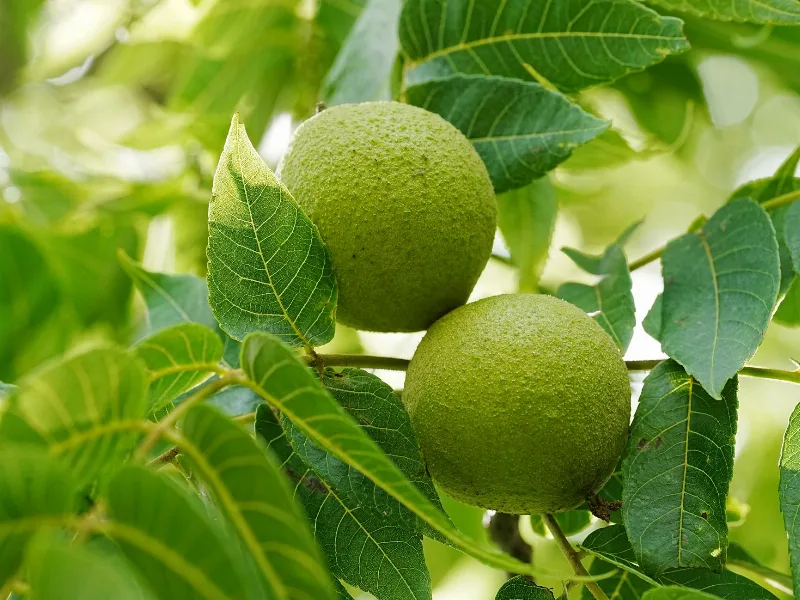
Kırşehir Walnuts
Kırşehir walnuts come from the inland plateau of central Türkiye, where a continental climate and well-drained soils produce thin-shelled nuts with a rich, nutty flavour used for snacking and baking.
Explore →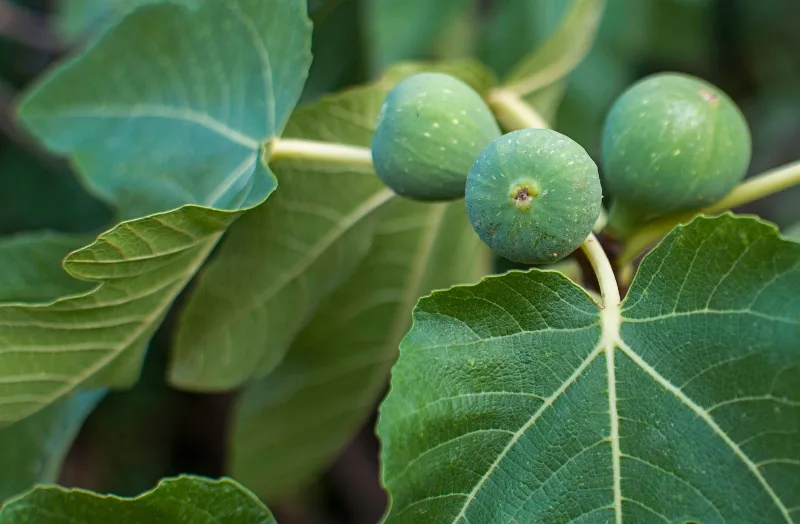
Aydın Figs
Aydın figs are the dried figs of Türkiye's Aegean interior, grown in the valleys around the Büyük Menderes River and prized for their sweetness, soft texture and pale amber colour.
Explore →Related content
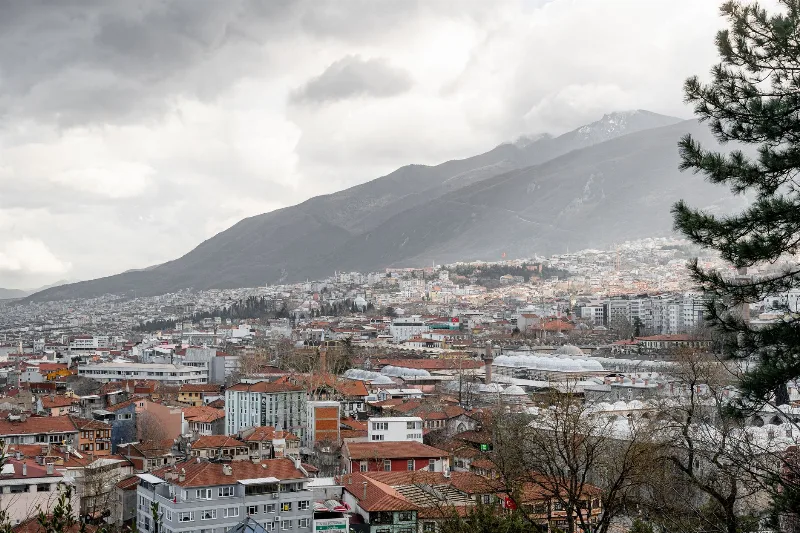
Bursa
Bursa is a major metropolitan city in northwestern Türkiye and the first great capital of the Ottoman Empire, known for its silk heritage, thermal springs and the mountain of Uludağ rising directly behind it.
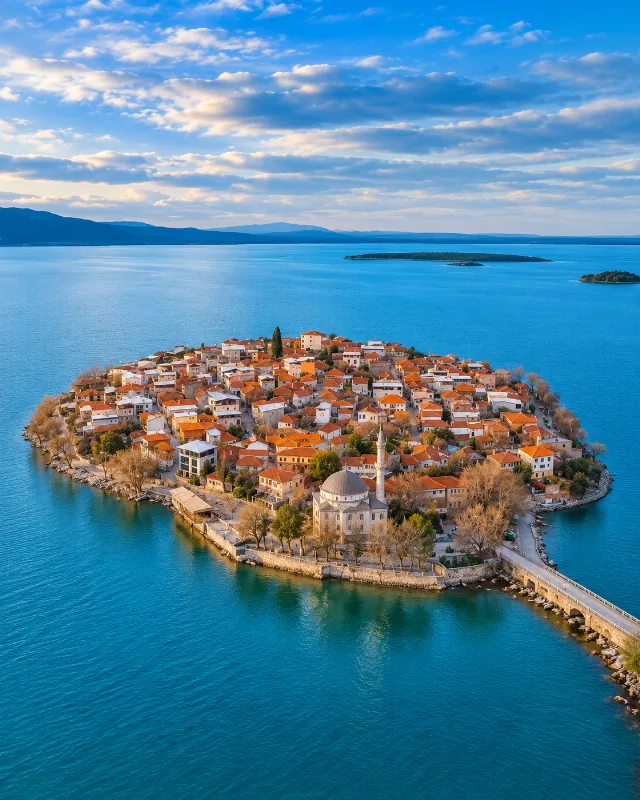
Gölyazı
Gölyazı is a small lakeside settlement near Bursa, built on a peninsula extending into Lake Uluabat and surrounded by water, wetlands and open countryside.
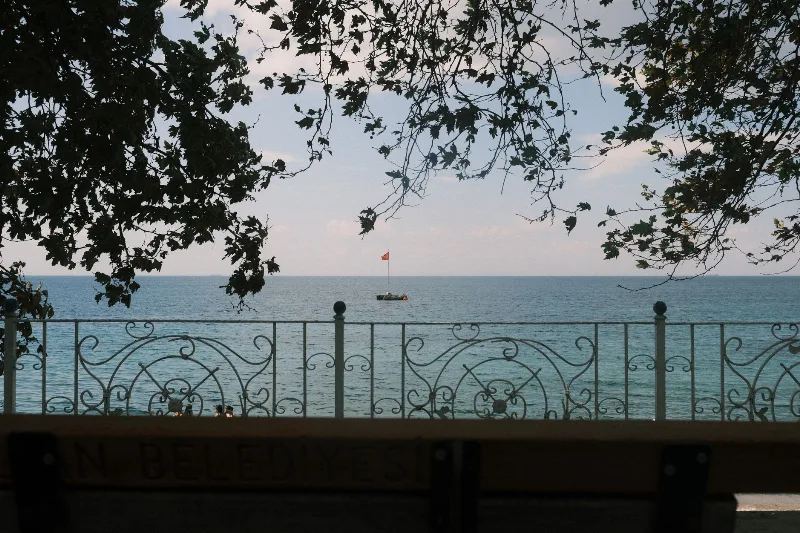
4-Day Marmara Sea Route
A four-day loop around the Sea of Marmara that starts in Istanbul, crosses to Yalova, travels inland to Bursa and finishes among the ruins of Troy and the memorials of the Gallipoli peninsula. The itinerary is built around short, logical daily drives rather than long transfers.
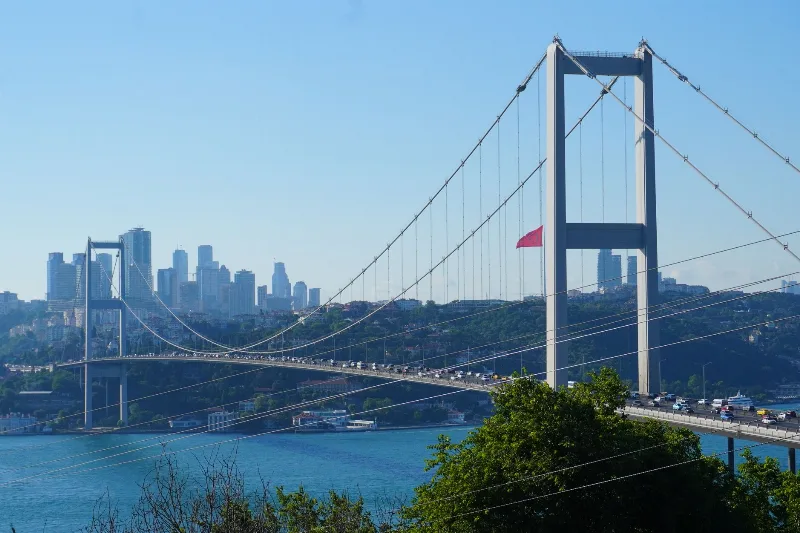
3-Day Istanbul to Bursa Route
Explore the first Ottoman capital on a three-day route from Istanbul to Bursa, combining historic city sites, the mountain landscapes of Uludağ, and the preserved village of Cumalıkızık.
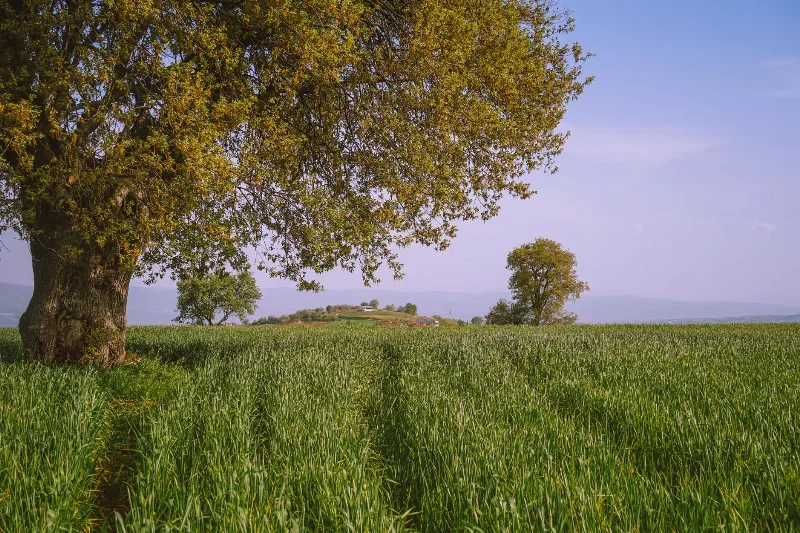
Bursa Chestnuts
Bursa chestnuts are sweet, starchy nuts grown on the sloping terrain of Bursa province in northwestern Türkiye, where a temperate climate supports chestnut trees and an autumn harvest.

Bursa Figs
Bursa figs are the figs grown in northwestern Türkiye, where the sheltered Marmara climate and fertile soils around Bursa give the fruit its sweet flesh and soft skin, eaten fresh in late summer or dried for the winter months.