
Aydın Figs
Aydın figs are the dried figs of Türkiye's Aegean interior, grown in the valleys around the Büyük Menderes River and prized for their sweetness, soft texture and pale amber colour.
Aydın figs are the figs cultivated in and around Aydın province in western Türkiye, where the crop is grown both for fresh eating and, above all, for drying. The province sits in the Aegean interior, and its combination of a Mediterranean climate, deep alluvial valleys and long, reliably hot summers has made it the country's leading centre for dried fig production. Türkiye is among the world's largest producers and exporters of dried figs, and Aydın accounts for the greatest share of that output. The connection between the province and the fruit is old and practical rather than incidental: the land, the water and the heat of the Büyük Menderes basin suit the fig tree almost ideally, and generations of growers in districts such as Nazilli, Bozdoğan, Köşk, Sultanhisar, İncirliova and Germencik have built their agricultural economy around it.
The Fig Tree and the Sarılop Variety
Figs come from Ficus carica, a deciduous tree that thrives in warm, dry conditions and tolerates poor or shallow soils better than many fruit crops. What appears to be the fruit is in fact a hollow, fleshy receptacle lined on the inside with many tiny flowers, which is why figs are pollinated in an unusual way (described below).
The variety most closely associated with Aydın is Sarılop, often described as the backbone of Turkish dried fig growing. Sarılop figs are pale, thin-skinned and light in colour, and they dry well: the flesh is soft and sweet with a high sugar content and a honeyed aroma, and the dried fruit keeps a creamy to amber tone rather than turning dark. Because of these qualities, Sarılop is grown primarily for drying rather than for the fresh market. Fresh figs are also grown in Türkiye — the dark purple Bursa Siyahı is the best-known fresh variety and is associated with Bursa — but within Aydın the emphasis is overwhelmingly on the pale drying types.
Why Aydın Suits Fig Cultivation
The decisive factor is climate. Aydın has the classic Mediterranean pattern of hot, dry summers and mild, wet winters. Figs ripen through the hottest and driest part of the year, and the lack of summer rain matters enormously: moisture at harvest time damages the fruit and encourages spoilage, particularly for a crop that is dried in the open air. Long hours of strong summer sunshine allow the figs to dry naturally on racks, while the mild winters rarely bring enough frost to injure the trees.
The geography reinforces this. The Büyük Menderes River runs through the province and has laid down broad, deep alluvial soils across its valley floor. These soils are fertile and generally well drained, which suits a tree that dislikes waterlogged roots. Fig orchards are found on the valley floors and on the lower slopes and terraces above them, where air drainage is good and the fruit is exposed to sun and warmth. The surrounding mountains and hills shelter parts of the province and shape the local microclimates in which individual orchards sit.
Caprification: An Ancient Pollination Practice
Fig pollination in Aydın is not left to chance. Many cultivated varieties, including Sarılop, need pollen from a different type of fig tree, the caprifig, which hosts a tiny wasp that carries pollen from tree to tree. Growers therefore plant caprifig trees among or near their orchards and hang branches, known as caprifigs, in the fruiting trees at the right moment so that the wasps can move between them. This practice, called caprification, is one of the most distinctive features of traditional fig growing and is a large part of why fig cultivation in the region is a skilled and carefully timed occupation rather than a simple matter of planting trees and waiting.
The Growing Cycle and Harvest
Fig trees come into leaf in spring and produce fruit that develops through the summer. Harvest in Aydın falls in the late summer and early autumn, when the figs reach full ripeness and soften. Timing is critical: the fruit must be picked at the point of maturity, and for drying it is often allowed to become very ripe, even to the point of beginning to shrivel slightly on the tree, before it is gathered. Growers work through the orchards repeatedly during the season, collecting the fruit by hand as it ripens rather than stripping the trees all at once.
The harvest period is intensely seasonal, and much of the province's agricultural calendar revolves around it. Because the fruit is delicate when ripe, it is handled carefully from the moment it leaves the tree.
From Fresh Fig to Dried Fig
Drying is the defining process for Aydın figs. After picking, the figs are spread out to dry in the sun, traditionally on wooden trays, racks or mats laid out in open ground, where warm, dry air removes moisture over a period of days. The figs are turned and monitored as they dry so that they lose water evenly without spoiling. Once sufficiently dry, they are collected, sorted and cleaned, and the pale Sarılop type takes on the flattened, soft, amber-coloured appearance familiar in dried fig production.
Properly dried figs store well, which historically made them a crop that could be held and transported far beyond the growing season — one of the reasons the product became so important to the region's economy. Dried figs are graded and packed for both domestic use and export. A small share of the crop is also eaten fresh or used locally in other forms.
How Aydın Figs Are Used
Dried Aydın figs are eaten on their own as a sweet, chewy snack and are widely used in baking, confectionery and stuffings, and paired with nuts or used in traditional sweets. Fresh figs are eaten in season and used in both sweet and savoury cooking, often with cheese, salads or meat dishes. Because the dried fruit is naturally very sweet, it is frequently used where a natural sweetness and soft texture are wanted rather than added sugar.
The Place of Figs in Aydın's Agriculture
Figs are not a marginal crop in Aydın; they are part of the province's agricultural identity. The fruit is closely tied to the districts of the Büyük Menderes valley, and the dried fig harvest shapes employment, land use and local trade through the late summer and autumn. Aydın dried figs are recognised under geographical indication protection in Türkiye, reflecting the established link between the product and its place of origin. For anyone trying to understand what grows in western Türkiye and why, figs are a clear example: a crop whose reputation rests on a specific combination of hot, dry summers, mild winters, fertile alluvial ground and a long tradition of skilled cultivation centred on one province.
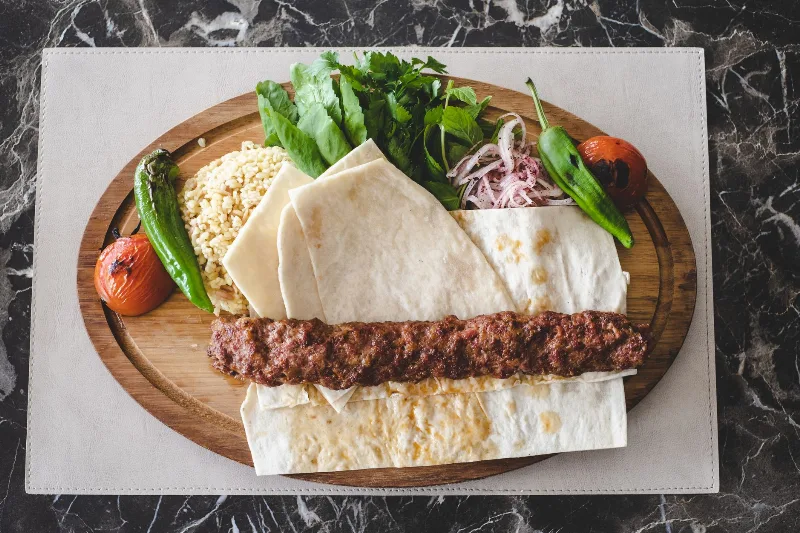
Adana Kebap: Spicy Hand-Minced Lamb Kebab from Adana
Adana kebap is a charcoal-grilled minced lamb kebab from the Çukurova plain, defined by hand-chopped meat, tail fat and generous chilli heat. This article explains its ingredients, preparation, flavour and how it differs from Urfa kebap.
Explore →
Mantı
Mantı are tiny boiled dumplings of thin dough filled with minced meat and onion, dressed with garlic yogurt and melted butter, and most closely associated with the central Anatolian city of Kayseri.
Explore →
Beyti Kebabı
Beyti Kebabı is a Turkish kebab of grilled minced meat rolled inside thin lavash bread, dressed with warm tomato sauce and yogurt. It is a modern Istanbul dish rather than an old regional specialty, and it differs from İskender or Adana kebab in both its meat and its serving style.
Explore →Related content

Aydın
Aydın is the inland capital of Aydın Province in Türkiye's Aegean region, recognised for its fig production and its position between the fertile Büyük Menderes valley, the coastal district of Kuşadası and several major ancient sites.

Nazilli
Nazilli is an inland district of Aydın Province in Türkiye's Aegean region, set in the Büyük Menderes valley and known for figs, cotton and its long-standing market town character.
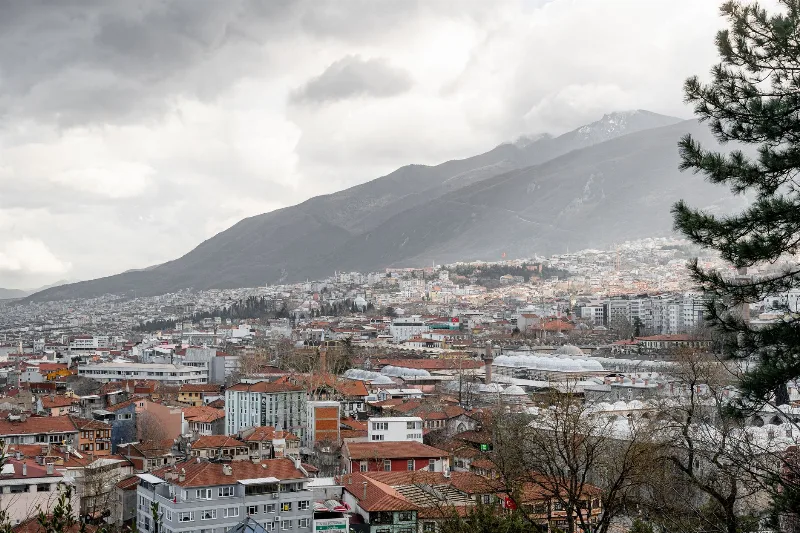
Bursa
Bursa is a major metropolitan city in northwestern Türkiye and the first great capital of the Ottoman Empire, known for its silk heritage, thermal springs and the mountain of Uludağ rising directly behind it.
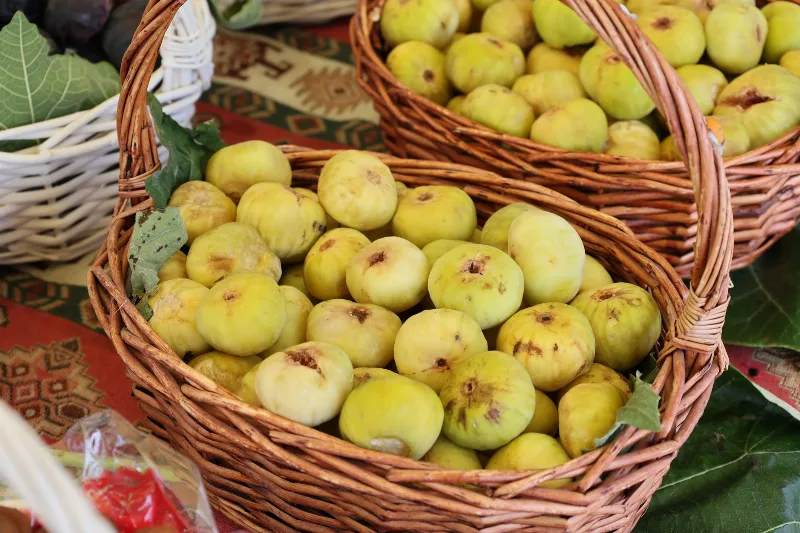
Fig Harvest in Aydın
Each August and September, the orchards of the Büyük Menderes valley in Aydın fill with ripe figs, and Turkey's leading fig-producing province moves into its busiest agricultural period of the year.
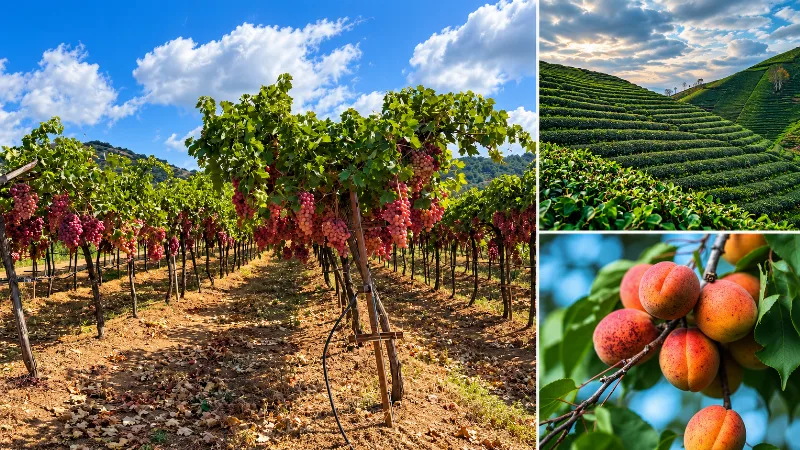
How the Landscape Shapes Food Across Turkey
From Black Sea hazelnuts to Aegean olive oil and southeastern pistachios, Turkey’s regional food is closely connected with geography and agriculture.
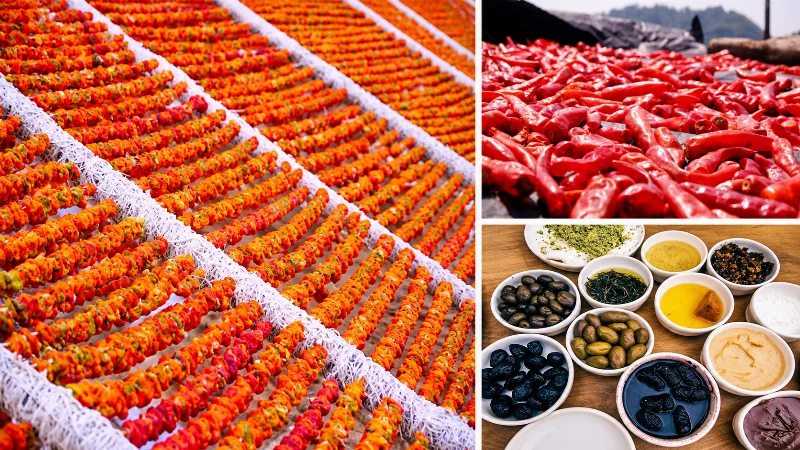
Why Turkish Food Changes from Region to Region
Climate, geography, agriculture and local history shape the ingredients, cooking methods and everyday dishes found across Türkiye. Türkiye’s cuisine is often described as a single national tradition, but food changes considerably from one region to another. Coastal climate, mountain geography, agricultural production, local history and available ingredients all influence what is cooked and how meals are prepared. A dish common on the Black Sea coast may be uncommon in southeastern Türkiye, while ingredients associated with the Aegean can play a much smaller role in the interior. These regional differences form one of the main characteristics of Turkish food culture.