
Fig Harvest in Aydın
Each August and September, the orchards of the Büyük Menderes valley in Aydın fill with ripe figs, and Turkey's leading fig-producing province moves into its busiest agricultural period of the year.
The fig harvest in Aydın takes place mainly through August and September, when orchards across the province begin producing ripe fruit. Aydın is Turkey's leading fig-producing province, and the harvest is not a single day but a rolling process: trees are picked repeatedly as individual figs reach the right stage of ripeness. Some fruit is eaten fresh, while a large share is laid out to dry in the sun. The period matters because figs ripen quickly and cannot be left on the tree once they are ready; the work is timed around daily ripening rather than a fixed calendar date.
Where Fig Growing Concentrates in Aydın
Fig cultivation in Aydın is closely tied to the Büyük Menderes river basin and the surrounding lowlands and lower slopes. Districts such as İncirliova, Köşk, Sultanhisar, Nazilli and parts of the Çine and Kuyucak areas are strongly associated with fig growing. The valley floor and gently sloping hillsides provide the warm, dry summers and long growing season that figs need to ripen properly and to dry well after picking. The Sarılop variety, widely used for drying and strongly linked with Aydın, is central to the province's fig identity.
Because the growing area follows the river basin rather than a single village, the fig season is spread across a broad landscape. Orchards sit close to roads and settlements, which means the harvest is visible from ordinary rural roads during the season rather than confined to remote locations.
What Happens During the Fig Harvest
The harvest is driven by ripeness, not by a schedule. Figs do not all mature at once, so growers return to the same trees again and again over several weeks, picking the fruit that is ready and leaving the rest to develop. A fig picked too early will not ripen well after removal, and one left too long will soften, split or spoil, especially in heat. This is why the harvest window is handled by repeated passes through the orchard.
Fruit intended for fresh eating is generally handled with more care, since fresh figs bruise easily and have a short life after picking. Fruit intended for drying is collected as it ripens and then processed quickly.
When the Season Typically Falls
In Aydın, the main fig harvest normally runs from August into September. Earlier fruit can appear during the warmer weeks of summer, and picking often continues into September depending on how the season develops. The exact start, the pace of ripening and the end of the harvest usually shift from year to year.
Anyone searching for when the fig season happens in Aydın should treat August and September as the general window rather than two guaranteed months of peak activity. The intensity of the harvest often builds through late summer and then gradually declines as the remaining fruit is cleared from the trees.
How Weather Shifts the Timing
Temperature and rainfall strongly influence when figs ripen and how the harvest proceeds. A hot, dry summer tends to push ripening forward and speeds up the work, because fruit can pass its best stage quickly. Cooler spells can slow development. Rain during the harvest is a particular concern for fruit intended for drying, since wet conditions interfere with the drying process and can affect fruit quality.
Because of this, the harvest period should be understood as a normal seasonal window that moves with the weather, not as a fixed set of dates. Two consecutive years can differ noticeably in when picking becomes busy and when it tapers off.
Sun-Drying: The Second Half of the Season
Drying is one of the defining features of the Aydın fig season. After picking, figs destined for drying are typically laid out on trays, mats or similar surfaces so that sun and air can remove moisture. This stage depends on dry, warm, stable weather, which is one reason the harvest is concentrated in the late-summer and early-autumn period.
The drying process is visible in the landscape: flat surfaces and open ground near orchards hold rows of split and arranged figs during the season. This is an agricultural working landscape, not a staged display, and the activity follows the weather day by day.
What the Landscape Looks Like
During the harvest, the orchards are heavy with broad-leaved fig trees carrying fruit at different stages of ripeness. The valley around them is dry and sunlit, with the pale tones of late-summer fields and the darker green of irrigated and shaded plots. Drying figs add a distinctive element to the scene, with rows of fruit spread out under open skies.
By the end of the season, the pace slows, trees are gradually cleared of ripe fruit, and the landscape shifts toward the cooler, wetter conditions of autumn.
What a Visitor Can Realistically Expect
A visitor during August or September can expect to see active orchard work, figs being picked and handled, and drying activity where weather permits. The experience is agricultural and seasonal rather than event-based. Timing matters because the harvest only happens once a year, and it cannot simply be scheduled: fruit follows its own ripening pattern, and the busiest days depend on heat, sun and rainfall.
Practical conditions are also relevant. Late summer in the Büyük Menderes valley is typically hot, and much of the work takes place in strong sunlight. Orchard ground may be dry and dusty, while rain can quickly change conditions during the harvest. Visitors should treat the period as a working season in a hot agricultural region rather than a fixed attraction.
Nearby Parts of the Same Valley
Because fig growing in Aydın is concentrated along the Büyük Menderes basin, the harvest can be observed across several neighbouring districts rather than in one isolated spot. İncirliova, Köşk, Sultanhisar and Nazilli sit within the same general growing area, and travel between them passes through fig country. The season in these places is broadly the same, though local ripening and picking activity usually differ slightly from one orchard to the next.
EXPLORE BY THEME
All themes →
Routes
Road trips, coastal drives, cultural routes and scenic journeys across Türkiye.
Explore →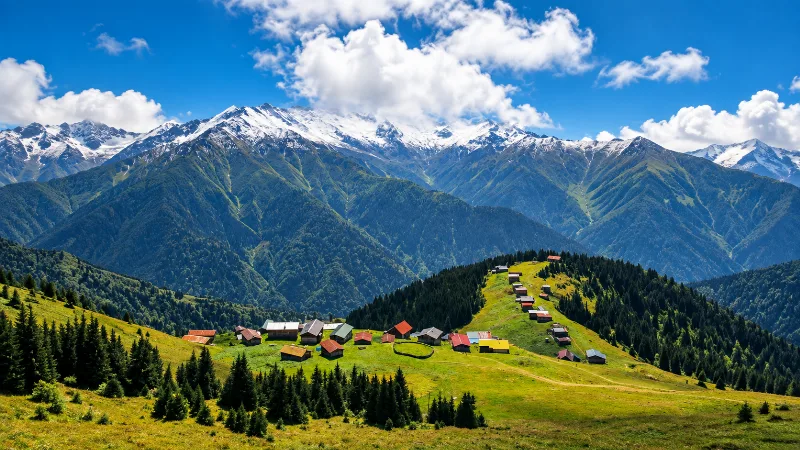
Nature
Lakes, forests, rivers, canyons, mountains, wetlands and national parks across Türkiye.
Explore →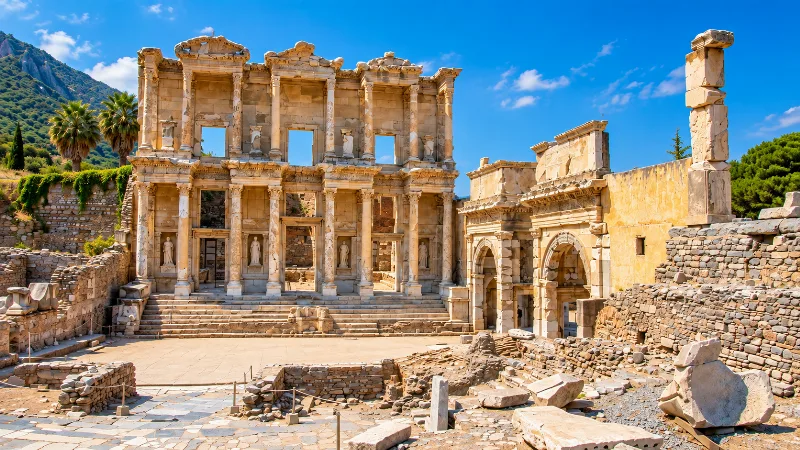
Historic Places
Ancient cities, monuments, castles and archaeological sites across Türkiye.
Explore →Related content

Aydın
Aydın is the inland capital of Aydın Province in Türkiye's Aegean region, recognised for its fig production and its position between the fertile Büyük Menderes valley, the coastal district of Kuşadası and several major ancient sites.

Nazilli
Nazilli is an inland district of Aydın Province in Türkiye's Aegean region, set in the Büyük Menderes valley and known for figs, cotton and its long-standing market town character.
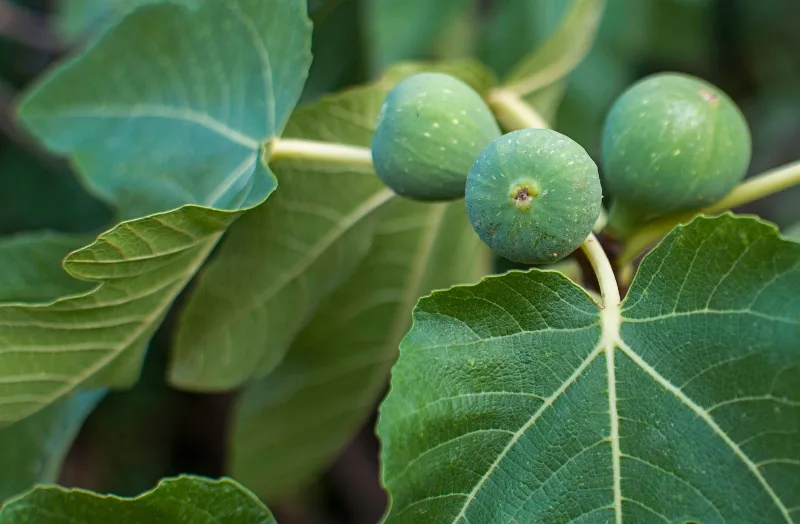
Aydın Figs
Aydın figs are the dried figs of Türkiye's Aegean interior, grown in the valleys around the Büyük Menderes River and prized for their sweetness, soft texture and pale amber colour.
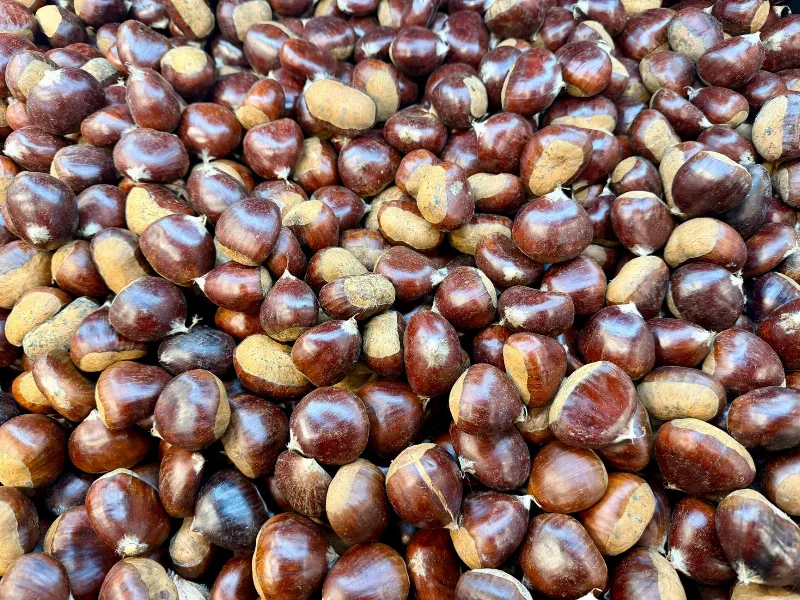
Aydın Chestnuts
Grown in the mountain areas of Aydın Province, Aydın chestnuts are sweet chestnuts shaped by the Aegean region's warm summers, mild winters and free-draining soils.
How the Landscape Shapes Food Across Turkey
From Black Sea hazelnuts to Aegean olive oil and southeastern pistachios, Turkey’s regional food is closely connected with geography and agriculture.
Karacasu Pottery Tradition in Aydın
In the inland hills of Aydın Province, Karacasu keeps a working pottery tradition built on local red clay, hand-turned wheels and modest kilns.