
Karacasu Pottery Tradition in Aydın
In the inland hills of Aydın Province, Karacasu keeps a working pottery tradition built on local red clay, hand-turned wheels and modest kilns.
Karacasu is a district in the inland hills of Aydın Province, in south-western Türkiye, where potters still shape local clay into jugs, bowls and storage jars using skills passed down within families. The Karacasu pottery tradition is a working craft rather than a museum display, sustained by village kitchens, farm households and small workshops that sell across the district and into neighbouring provinces.
Clay Drawn from the Local Ground
The craft begins with earth. Potters in and around Karacasu work with clay dug from local deposits, which gives the finished ware a warm reddish-brown tone. The raw material is normally left to weather and soften before being mixed with water and a little sand or grit, an addition that improves workability and helps vessels survive the heat of firing. Preparation is slow and largely manual: treading, kneading and resting the clay until it reaches a consistency the potter can judge by hand rather than by instrument.
Karacasu Pottery Workshops, Wheels and Simple Kilns
Most shaping happens on a kick wheel, where the potter's foot controls the speed of the rotating disc while the hands raise the walls of a vessel. A lump of clay is centred, opened and drawn upwards in stages, with the rim finished by a dampened finger or a piece of leather. Handles, spouts and lids are formed separately and attached while the body is still soft.
Finished pieces are dried slowly in the shade to prevent cracking, then stacked into modest kilns built from local brick and fired in batches using fuel that is readily available in the area, often wood or pruned brush. Firing is the most delicate stage of the process, since uneven heat or a sudden draught can break a whole load. Potters judge temperature by colour and by experience rather than by modern instruments.
Forms Shaped by Everyday Use
The repertoire is practical. Narrow-necked jugs and pitchers hold drinking water, and the slightly porous walls of unglazed earthenware allow a little moisture to evaporate through the surface, keeping the contents cool. Wide bowls are used for dough and salads, lidded pots for yoghurt, pickles and cheese, and taller jars for olives, grain and preserved fruit. Some pieces are left plain, showing the natural colour of the fired clay, while others are dipped in a simple glaze or decorated with slip lines and incised patterns. Shallow dishes and small decorative items have become more common as the craft has adapted to buyers who want objects for the home rather than for the store cupboard.
A District of Ancient and Living Heritage
Karacasu also contains the ancient city of Aphrodisias, known for its marble quarries and its school of sculpture, which draws visitors interested in archaeology. The modern pottery trade should not be read as a direct continuation of that classical past; it belongs instead to the rural craft economy of the district. Even so, the two sit comfortably together, and a visit to the area can combine carved stone with the sight of wet clay turning on a wheel. The surrounding countryside of hills, olive groves, fig trees and small farming settlements shapes the pace of the work, which follows the seasons and the drying weather.
Keeping a Rural Craft Alive
Knowledge in Karacasu passes chiefly through families, with children learning to wedge clay and turn simple forms before attempting larger vessels. Local demand remains important: households still buy unglazed pots for cooking and storage, and small shops in the district and nearby towns stock the wares. Modest sales to visitors add to this base without replacing it. The tradition endures because it stays useful, producing objects that are cheap, repairable and suited to the way people actually cook and store food in the region.
Related content

Aydın
Aydın is the inland capital of Aydın Province in Türkiye's Aegean region, recognised for its fig production and its position between the fertile Büyük Menderes valley, the coastal district of Kuşadası and several major ancient sites.
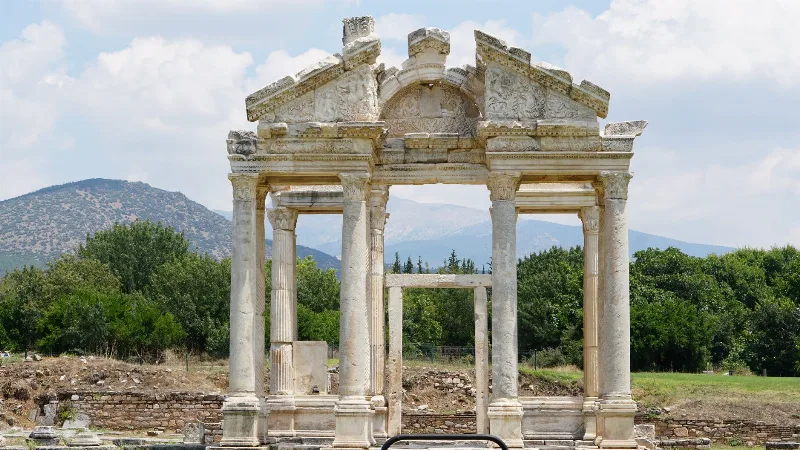
Aphrodisias
Aphrodisias is an ancient city in Aydın Province, Türkiye, built around a sanctuary of Aphrodite and celebrated for its marble sculpture and remarkably intact public buildings. It has been a UNESCO World Heritage Site since 2017.
Aphrodisias
Aphrodisias is an ancient Greek city in Aydın Province dedicated to the goddess Aphrodite, a UNESCO World Heritage Site known for its stadium, temple and rich marble sculpture tradition.

Nazilli
Nazilli is an inland district of Aydın Province in Türkiye's Aegean region, set in the Büyük Menderes valley and known for figs, cotton and its long-standing market town character.
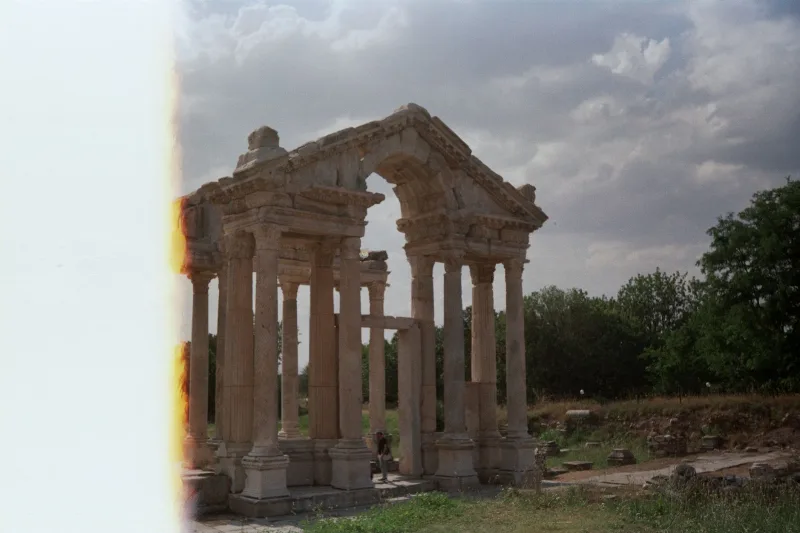
The Ancient City of Aphrodisias in Aydın
Aphrodisias in Aydın province is an ancient city dedicated to the goddess Aphrodite, celebrated for its stadium, temple and marble sculpture workshops.
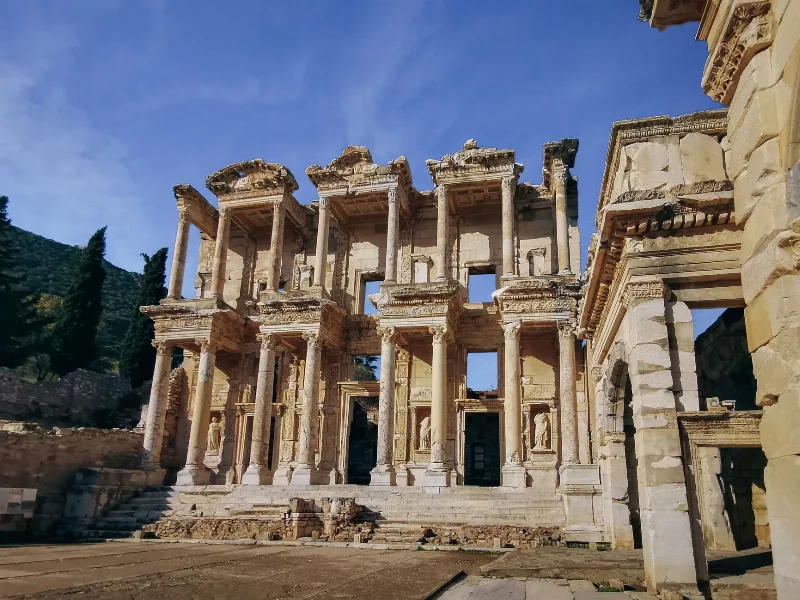
6-Day Aegean Ancient Cities Route
A six-day linear journey from Izmir to Denizli through the great ancient cities of the Aegean, linking Ephesus, Priene, Miletus, Didyma, Lake Bafa, Pamukkale, Laodicea and Aphrodisias in one coherent corridor.
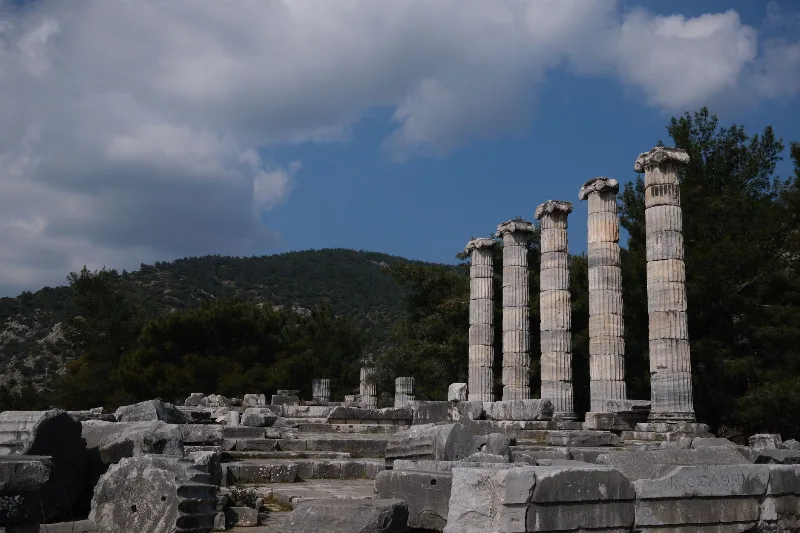
Karina
Karina is a small village in Aydın province, Türkiye, sitting on land that belonged to ancient Ionia. It is a quiet, working rural settlement where scattered ancient remains survive among fields and houses rather than being set apart as a monument.
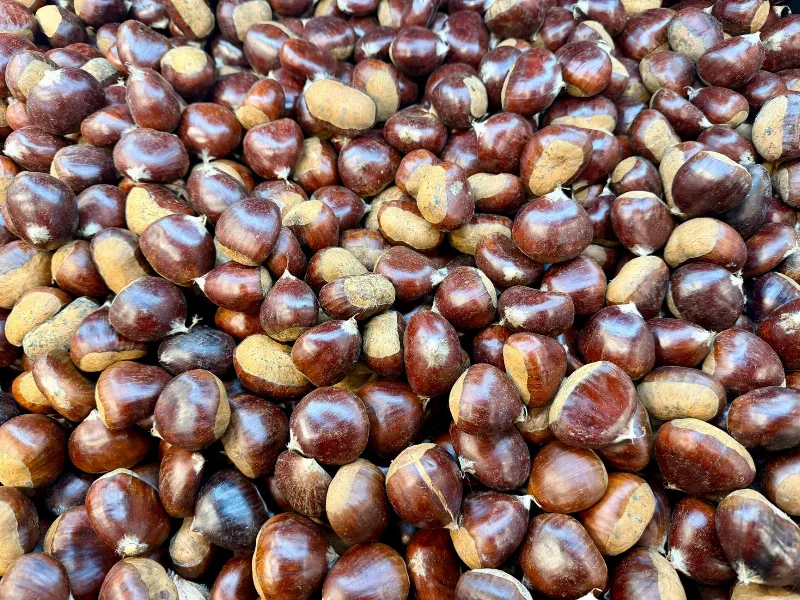
Aydın Chestnuts
Grown in the mountain areas of Aydın Province, Aydın chestnuts are sweet chestnuts shaped by the Aegean region's warm summers, mild winters and free-draining soils.