
Aydın Chestnuts
Grown in the mountain areas of Aydın Province, Aydın chestnuts are sweet chestnuts shaped by the Aegean region's warm summers, mild winters and free-draining soils.
Aydın chestnuts are the sweet chestnuts grown in the mountainous parts of Aydın Province in Türkiye’s Aegean region. The province is linked with this crop because its upland areas offer the conditions chestnut trees need: a Mediterranean climate with hot summers and mild winters, plus soils that drain well. These factors help produce nuts that are valued for their sweetness and eating quality.
Chestnuts as a Crop in Aydın Province
Aydın is a province of western Türkiye with a strong agricultural identity. Its lower plains are associated with warm-season crops, while the higher ground creates a different set of conditions. Chestnut production belongs to this upland setting. Instead of being a crop of the hot, flat valley floors, chestnuts are tied to mountain slopes and cooler elevations where sweet chestnut trees can establish and bear. This distinction matters for anyone looking for Aydın chestnuts: the product is not a general Aegean chestnut, but one connected specifically to Aydın Province’s mountainous agricultural areas.
The chestnut is the fruit of Castanea sativa, the sweet chestnut tree. It is a deciduous tree, and the edible nuts form inside spiny burrs. Aydın chestnuts are the edible sweet chestnuts from these trees, not the inedible horse chestnut. The crop is harvested as a nut and is used as a fresh product, although it can also be dried or processed after harvest.
Why the Aegean Climate Suits Chestnut Trees
The Mediterranean climate of Aydın is defined by hot summers and mild winters. For chestnut trees, this pattern is useful when it is combined with the right local conditions. The trees need a growing season with warmth, but they also benefit from the cooler air and moisture levels found in mountainous areas. Aydın’s uplands can provide this balance. The heat of the province is moderated at higher elevations, while the winter remains mild enough for the trees to survive and resume growth in spring.
Soil is another central part of the relationship between Aydın and its chestnuts. Well-drained soils are important because chestnut trees do not perform well in ground that stays waterlogged. In mountainous terrain, slopes and coarse soil structures can allow excess water to move away. This helps the trees establish healthy root systems and supports consistent nut development. The combination of Mediterranean warmth, upland cooling and free-draining ground is the foundation of chestnut growing in Aydın.
The Tree, the Nut and the Growing Cycle
Sweet chestnut trees are long-lived and, in suitable conditions, can form orchards or stands that become part of the local landscape. Their leaves are long and toothed, and their flowers appear in catkins. The nuts develop inside protective burrs that are green at first and later turn brown. When the nuts are mature, the burrs open and the chestnuts become accessible for harvest.
Across the chestnut’s range, the growing cycle follows the seasons: flowering in the warmer part of the year, nut development through summer and ripening in autumn. Aydın’s chestnut areas follow this general pattern in the province’s upland zones. The result is a seasonal crop that is gathered in autumn, when the nuts are mature and ready to be collected.
Harvest and Handling After Picking
Chestnut harvesting is typically done when the nuts have reached maturity and the burrs open. Nuts may be gathered from the ground or separated from the burrs, depending on local practice. In Aydın’s mountainous chestnut areas, harvest is a seasonal activity tied to the autumn period. After collection, chestnuts are sorted and handled with care because they are perishable compared with many dry nuts. Good air circulation and suitable storage help maintain their quality. Some chestnuts are sold fresh, while others may be dried, peeled or processed into chestnut products such as flour or puree.
Appearance, Texture and Flavour
Aydın chestnuts are valued for their sweetness and quality, two characteristics that reflect both the tree and the growing environment. A good sweet chestnut has a firm but starchy texture when raw and becomes softer and mealy when cooked. The flavour is mild, nutty and naturally sweet. The nuts are enclosed in a shell that is removed before eating, and the inner skin may also need to be peeled after cooking. Their sweetness makes them suitable for both savoury and sweet uses, but the product itself remains a raw agricultural nut.
Chestnuts in the Local Agricultural Landscape
Chestnut production in Aydın is part of the province’s broader agricultural range. Aydın is widely associated with warm-climate crops, but the presence of chestnuts shows how the province’s mountain areas support a different kind of farming. The trees can contribute to the rural economy of upland communities through seasonal harvest work and the sale of nuts. They also shape the landscape where they are grown, adding deciduous tree cover and an autumn harvest rhythm to areas that are cooler and higher than the province's plains.
For buyers and cooks, the regional identity of Aydın chestnuts comes from this link between place and crop. The name points to a specific province and to mountainous growing conditions, not merely to chestnuts sold in Türkiye. That connection is useful when comparing chestnuts from different areas, because climate, soil and elevation can influence nut size, sweetness and texture.
How Aydın Chestnuts Are Used
Fresh chestnuts are commonly roasted or boiled, and they can be added to stuffings, stews, rice dishes or sweet preparations. Chestnut flour and chestnut puree are also traditional ways of using the crop. In Aydın, chestnuts remain an agricultural product first: a seasonal nut from the province’s mountain areas, harvested in autumn and valued for its sweet, starchy character.
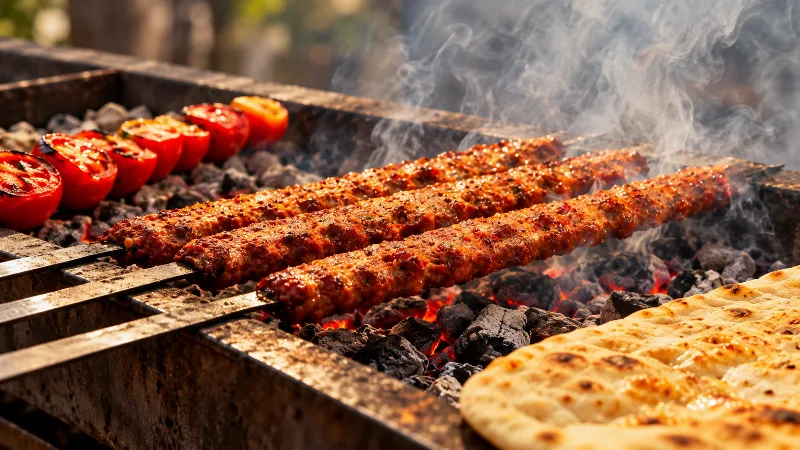
Adana Kebabı
Adana kebabı is a spicy minced-lamb kebab from the southern Turkish city of Adana, moulded onto wide flat skewers and grilled over charcoal. Its heat, its hand-chopped meat and its distinctive flat skewer set it apart from other Turkish kebabs.
Explore →
Beyti Kebabı
Beyti Kebabı is a Turkish kebab of grilled minced meat rolled inside thin lavash bread, dressed with warm tomato sauce and yogurt. It is a modern Istanbul dish rather than an old regional specialty, and it differs from İskender or Adana kebab in both its meat and its serving style.
Explore →
Boyoz
Boyoz is a round, flaky pastry from İzmir, made from a coiled flour-and-oil dough and traditionally eaten at breakfast with a boiled egg and tea.
Explore →Related content

Aydın
Aydın is the inland capital of Aydın Province in Türkiye's Aegean region, recognised for its fig production and its position between the fertile Büyük Menderes valley, the coastal district of Kuşadası and several major ancient sites.
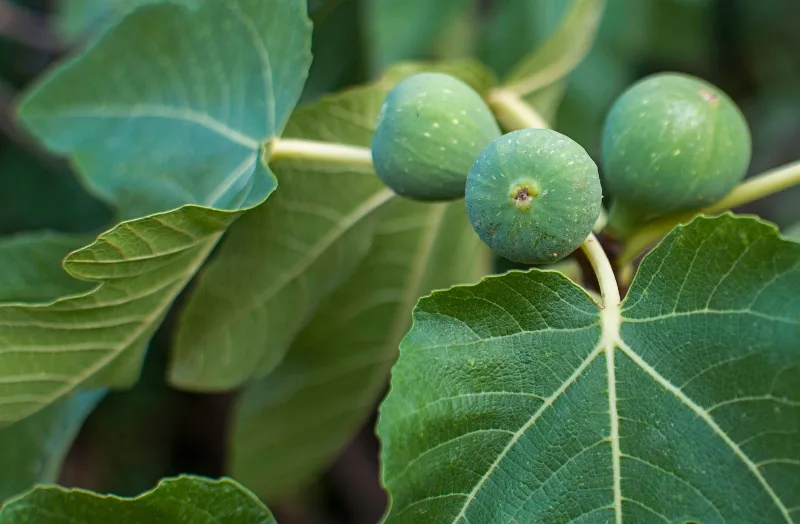
Aydın Figs
Aydın figs are the dried figs of Türkiye's Aegean interior, grown in the valleys around the Büyük Menderes River and prized for their sweetness, soft texture and pale amber colour.
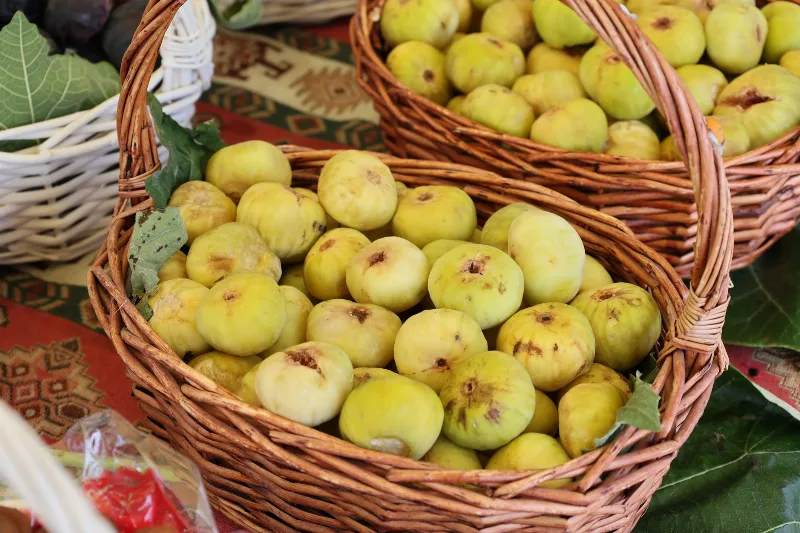
Fig Harvest in Aydın
Each August and September, the orchards of the Büyük Menderes valley in Aydın fill with ripe figs, and Turkey's leading fig-producing province moves into its busiest agricultural period of the year.
Karacasu Pottery Tradition in Aydın
In the inland hills of Aydın Province, Karacasu keeps a working pottery tradition built on local red clay, hand-turned wheels and modest kilns.
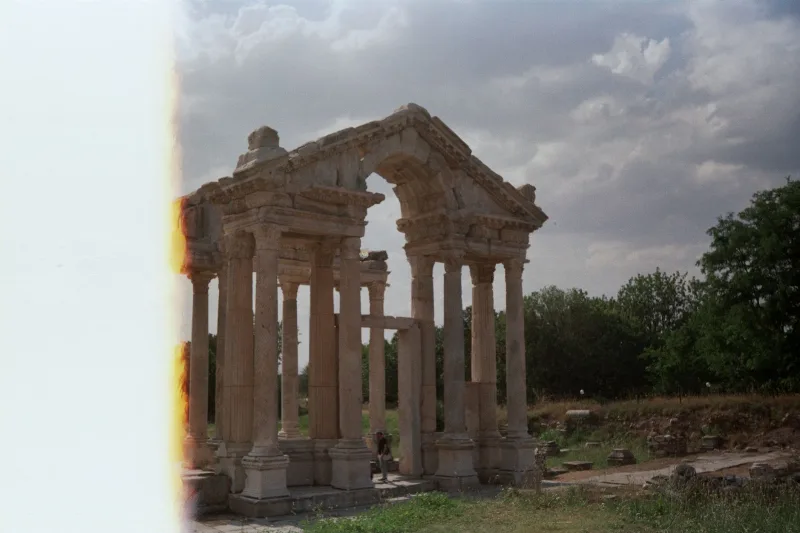
The Ancient City of Aphrodisias in Aydın
Aphrodisias in Aydın province is an ancient city dedicated to the goddess Aphrodite, celebrated for its stadium, temple and marble sculpture workshops.
Karina
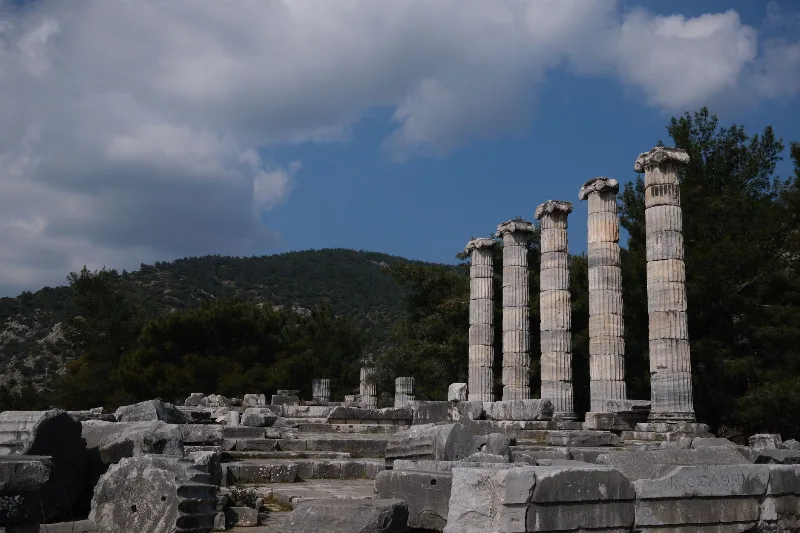
Karina is a small village in Aydın province, Türkiye, sitting on land that belonged to ancient Ionia. It is a quiet, working rural settlement where scattered ancient remains survive among fields and houses rather than being set apart as a monument.