
How the Landscape Shapes Food Across Turkey
STORIES FROM TÜRKİYE
How the Landscape Shapes Food Across Turkey
Food across Turkey changes noticeably from one region to another. Climate, elevation, rainfall, soil and local agriculture all influence the ingredients that become part of everyday cooking.
The result is not one single culinary tradition but many regional food cultures connected by shared ingredients and techniques.
Along the Aegean coast, olive trees are one of the most visible parts of the landscape.
Olive oil plays an important role in local cooking, particularly in vegetable dishes, salads and foods prepared with wild or cultivated herbs.
Aydın is also strongly associated with figs, while vineyards are found across several parts of western Anatolia.
The Mediterranean region combines coastal agriculture with fertile plains.
Citrus fruits, vegetables, herbs and olive oil are widely used, while different districts have developed their own dishes based on local ingredients.
The warmer climate allows many crops to grow over a long season.
The Black Sea region is shaped by a wetter climate and steep terrain.
Hazelnut orchards cover hillsides around Giresun and Ordu, while tea gardens dominate parts of Rize.
Corn, butter and local cheeses are also important in regional dishes. Foods such as kuymak reflect the ingredients available in the mountainous and humid environment.
Central Anatolia has a drier continental climate and broad agricultural plains.
Wheat and other grains have historically played an important role, contributing to breads, pastries and dough-based dishes.
Kayseri is particularly associated with mantı, while Konya has its own strong traditions of baked dough and meat dishes.
Eastern Anatolia combines high elevations, cold winters and large grazing areas.
Meat, dairy products and grains have traditionally been important parts of food culture in many provinces.
Cheeses, butter and preserved foods reflect the demands of a climate where winters can be long.
Southeastern Anatolia presents another culinary landscape.
Gaziantep is closely associated with pistachios, while Şanlıurfa and surrounding provinces are known for isot pepper, bulgur and a wide range of meat dishes.
The region’s hot, relatively dry climate contributes to the cultivation of ingredients that have become central to local cuisine.
Fruit-growing areas also develop strong regional identities.
Malatya is associated with apricots, Aydın with figs and Kastamonu’s Taşköprü district with garlic.
These products are more than ingredients. Orchards, fields and harvest periods shape the appearance and rhythm of rural landscapes.
Turkey’s regional cuisine therefore becomes easier to understand when viewed together with geography.
Mountains, coastlines, rainfall, agricultural plains and local crops all influence what is grown and how people cook.
Travel between different regions and the connection between landscape and food becomes increasingly visible.
Historic places
Explore history →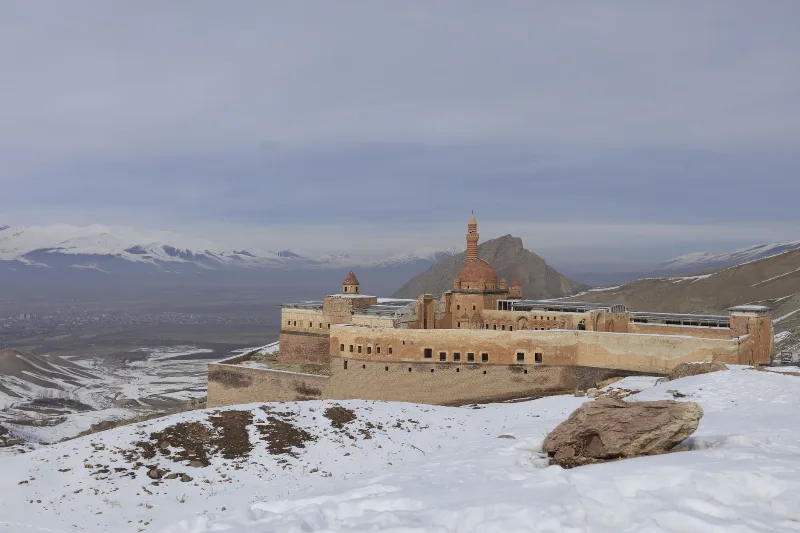
Ishak Pasha Palace
Ishak Pasha Palace is a late Ottoman palace complex in Doğubayazıt, Ağrı Province, eastern Turkey. Built between the late 17th and late 18th centuries, it is known for its stone architecture, which combines Ottoman, Seljuk, and Persian elements.
Explore →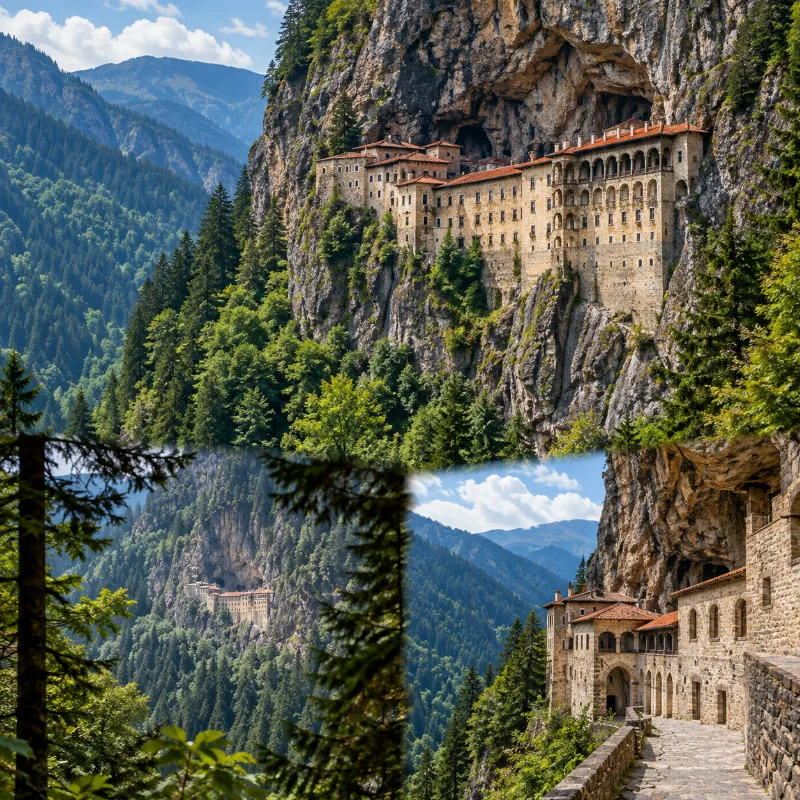
Sümela Monastery
A historic monastery built against a steep cliff in the forested mountains of Trabzon Province.
Explore →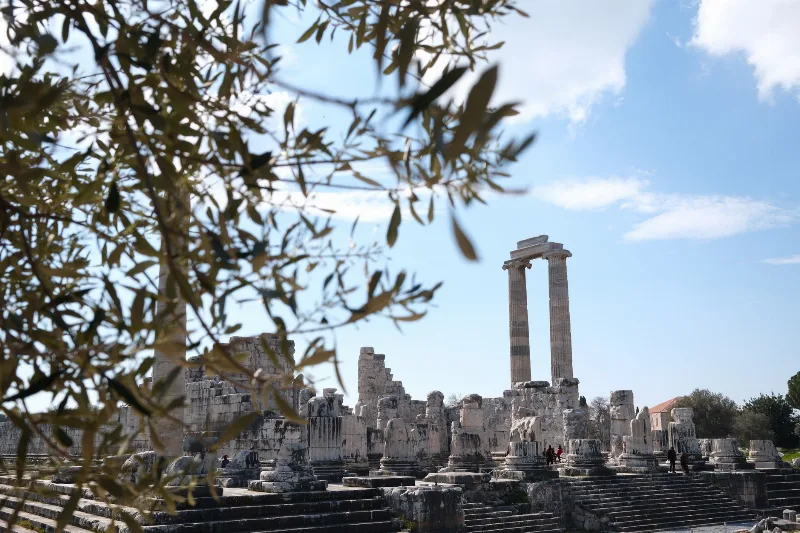
Priene
Priene is a planned ancient Greek city on the slopes of Mount Mycale in Aydın Province, Türkiye, whose grid streets, theatre and Temple of Athena Polias still trace a Hellenistic urban layout.
Explore →
Kaymaklı Underground City
Kaymaklı Underground City is a multi-level subterranean complex in Nevşehir Province, Cappadocia, used as a refuge by early Christian communities. It features tunnels, stone doors, storage rooms, and churches carved into volcanic tuff.
Explore →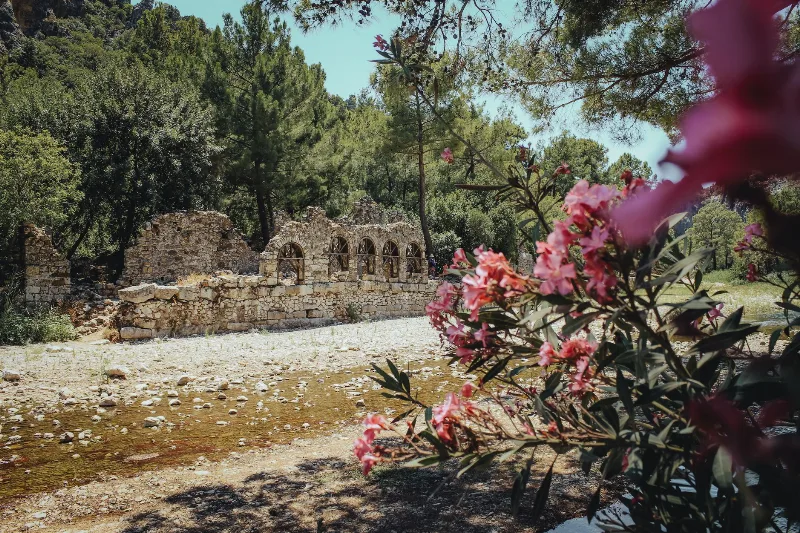
Olympos
Olympos is an ancient Lycian city in Antalya Province, Türkiye, whose ruins stand on both banks of a wooded river valley. Once a member of the Lycian League and later a Roman harbour town, it is best known for its theatre, baths and Lycian sarcophagi, and for the naturally burning Chimaera flames on the mountain above.
Explore →Related content
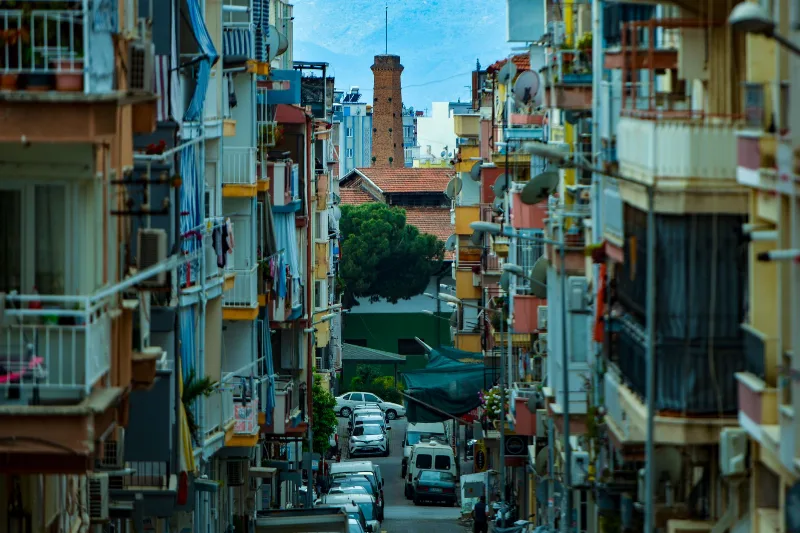
Aydın
Aydın is the inland capital of Aydın Province in Türkiye's Aegean region, recognised for its fig production and its position between the fertile Büyük Menderes valley, the coastal district of Kuşadası and several major ancient sites.

Giresun
Giresun is a Black Sea coastal city in northeastern Türkiye, known across the country for its hazelnuts and for Giresun Island, the only inhabited island in the Black Sea.
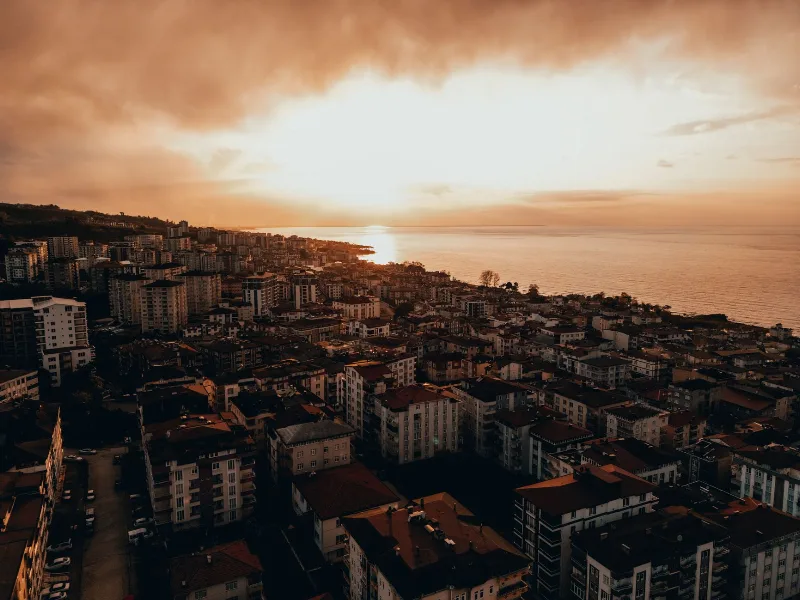
Ordu
Ordu is a Black Sea city in northern Türkiye and the centre of Ordu Province, built on a narrow coastal strip between the sea and the Pontic Mountains. It is best known for hazelnut production and for the panoramic views from Boztepe above the city.
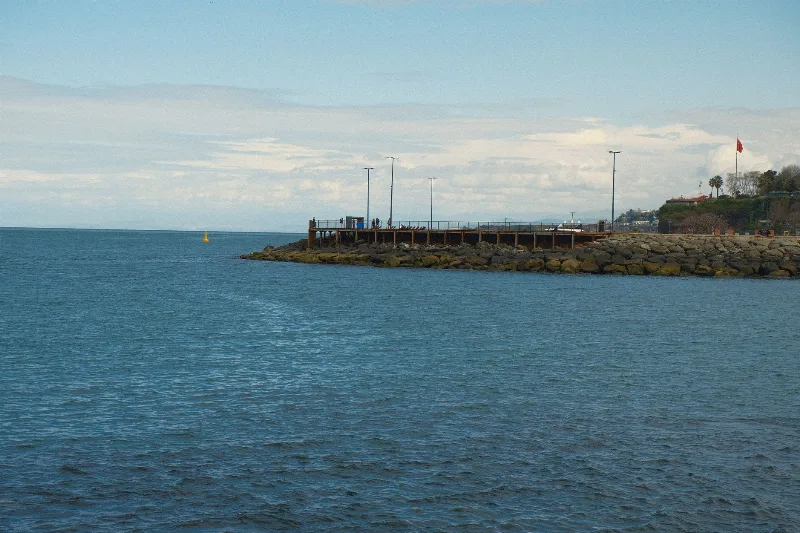
6-Day Central Black Sea Route
A six-day journey along Turkey's Central Black Sea coast from Samsun to Trabzon, visiting Ordu and Giresun with highland and beach stops.
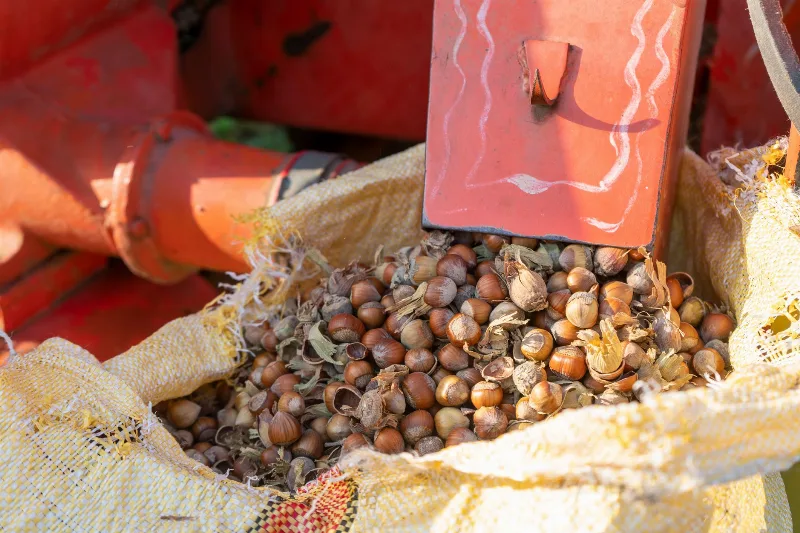
Hazelnut Harvest in Ordu
Every August, the hazelnut orchards around Ordu in Turkey's Black Sea region reach maturity, setting off one of the country's most important agricultural seasons. The timing depends heavily on weather, altitude and rainfall that year.
Boztepe Paragliding and Hazelnut Orchards in Ordu
Boztepe is the green hill above Ordu on Turkey's Black Sea coast, where paragliders launch from a high viewpoint over a landscape of hazelnut orchards and open sea.