
Giresun
Giresun is a Black Sea coastal city in northeastern Türkiye, known across the country for its hazelnuts and for Giresun Island, the only inhabited island in the Black Sea.
Giresun is a city on the Black Sea coast of northeastern Türkiye and the administrative centre of Giresun Province. Built along a narrow coastal strip beneath the Pontic Mountains, it is best known for two things: its hazelnuts, which give the province a central place in Turkish agriculture, and Giresun Island (Giresun Adası), the only inhabited island in the Black Sea. The city combines a working port and commercial centre with a long history that reaches back to ancient Greek settlement on this coast.
Where Giresun Sits
The city occupies a limited band of land between the Black Sea to the north and the steep slopes of the Pontic range to the south. This geography defines much of life here. Flat ground is scarce, so the urban area has developed in a linear fashion along the shoreline, with the mountains rising sharply just inland. To the east and west, similar coastal towns and districts follow one another, while the interior climbs quickly toward high pastures and forested valleys.
Giresun lies roughly midway along Türkiye's eastern Black Sea coast, between Ordu to the west and Trabzon to the east. This position places it within a region of consistently green landscapes, heavy rainfall and dense vegetation, quite different from the drier coasts of the Aegean and Mediterranean.
Climate and the Character of the Coast
The eastern Black Sea climate is humid and mild. Rain falls throughout the year, summers are warm rather than hot, and winters are cool with limited frost at sea level. This moisture supports the forests and farmland that cover the hillsides and is the reason hazelnut orchards thrive here. For visitors, the most comfortable conditions generally fall between late spring and early autumn, when the coast is green and the weather is relatively stable, though rain should be expected at any time of year.
Hazelnuts and the Regional Economy
Hazelnut cultivation is the defining feature of Giresun's economy and identity. The surrounding slopes are covered with orchards, and the harvest shapes the rhythm of the province each year. Giresun hazelnuts are regarded as a distinct local product and are associated with the region's reputation in both domestic and export markets. Beyond agriculture, the city functions as an administrative, commercial and educational centre for the surrounding districts, with a working harbour that reflects its position on the coast.
History and Urban Identity
The city's origins lie in antiquity, when this stretch of coast was settled by Greek colonists and became known as Kerasous. Its location on the Black Sea gave it a role in maritime trade, and it later passed through the hands of successive regional powers before becoming part of the Ottoman world. That layered past is visible in the older quarters, where the urban fabric reflects a long history of settlement rather than a single period of construction.
Giresun Castle is the most prominent historic landmark in the city. It stands on a rocky headland overlooking the sea and the town, and its walls are associated with the city's defensive history. From the castle area, the layout of Giresun becomes clear: the shoreline, the harbour, the compact central streets and the mountains rising behind them.
Giresun Island
Giresun Island lies a short distance offshore and is the only inhabited island in the Black Sea. It is closely tied to the identity of the city and carries its own historical layers, including traces of past religious and defensive structures. The island is a natural focal point of the local coastline and gives Giresun a feature that few other Black Sea towns share. Its presence has long shaped how the city is described and remembered.
The City Centre and Its Surroundings
Giresun's centre is compact and oriented toward the water, with the harbour, waterfront and commercial streets forming the core of daily activity. Away from the water, streets climb toward the hills, and the boundary between the city and the surrounding countryside is quick to reach. Villages scattered across the slopes and valleys maintain a close relationship with the city, supplying it with agricultural produce and connecting it to the inland landscape. These settlements are part of the wider district rather than separate destinations, and they help explain how the urban centre and its rural hinterland depend on one another.
Natural Setting Beyond the City
Inland from Giresun, the terrain rises into the Pontic Mountains, where forests, streams and high plateau areas replace the coastal plain. The contrast between the dense green hills and the open sea is one of the region's most recognisable qualities. Rivers and smaller watercourses descend from the mountains to the coast, and the combination of rainfall and elevation keeps the landscape unusually lush throughout the year.
Reaching and Relating to the Region
Giresun is connected along the coastal highway that runs through the eastern Black Sea region, linking it to Ordu in the west and Trabzon in the east. This corridor makes the city part of a continuous string of coastal settlements rather than an isolated point. The wider region is known for its green scenery, its fishing and agricultural economy, and its historic towns, and Giresun sits naturally within that context.
For anyone planning a visit, the essential picture is straightforward. Giresun is a mid-sized Black Sea city defined by the mountains directly behind it, the sea in front of it, a historic castle above the town, an island offshore and an economy built around hazelnuts. It is a place where the coast, the mountains and the agricultural landscape meet within a short distance, and where the character of the eastern Black Sea is visible in everyday life rather than only in isolated sights.
Discover Food in Türkiye
All food →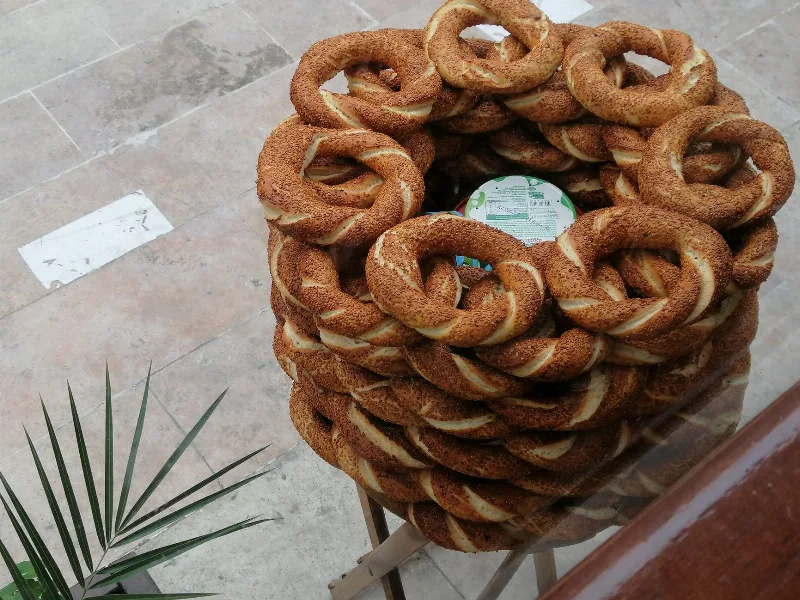
Simit
Simit is a ring-shaped Turkish bread covered in sesame seeds, strongly associated with Istanbul and sold as everyday street food. It is eaten fresh, most often with tea, and has a crisp crust around a chewy crumb.
Explore →
Bazlama
Bazlama is a soft, thick Turkish flatbread made from a leavened dough and cooked on a hot griddle. It is a staple of village baking across Anatolia, eaten warm with butter or used to wrap other foods.
Explore →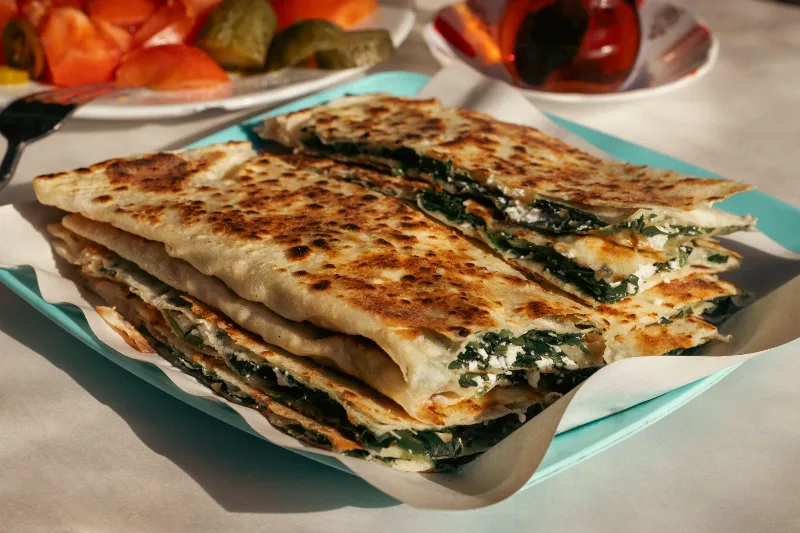
Gözleme
Gözleme is a thin, hand-rolled Anatolian flatbread folded around savory fillings such as cheese, spinach, or minced meat and cooked on a sac griddle. The article covers its regional variations, cooking method, texture, and traditional serving style.
Explore →Related content
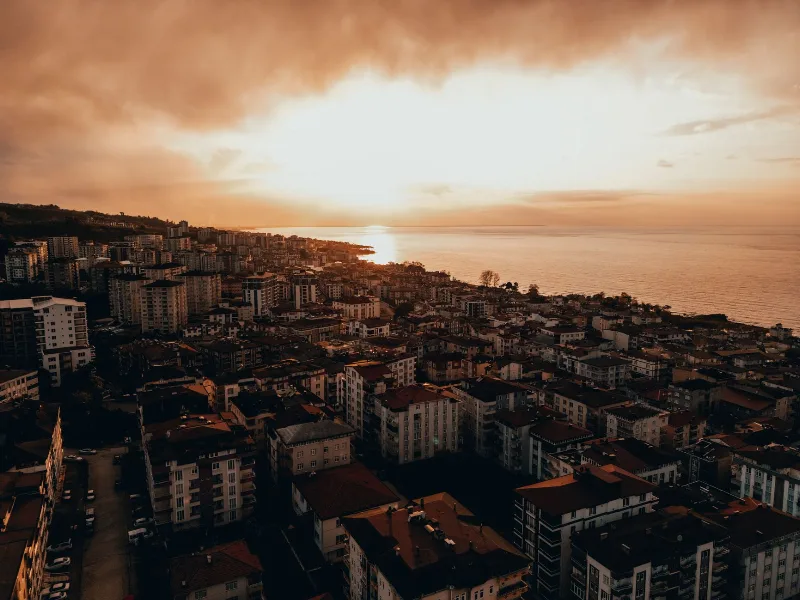
Ordu
Ordu is a Black Sea city in northern Türkiye and the centre of Ordu Province, built on a narrow coastal strip between the sea and the Pontic Mountains. It is best known for hazelnut production and for the panoramic views from Boztepe above the city.
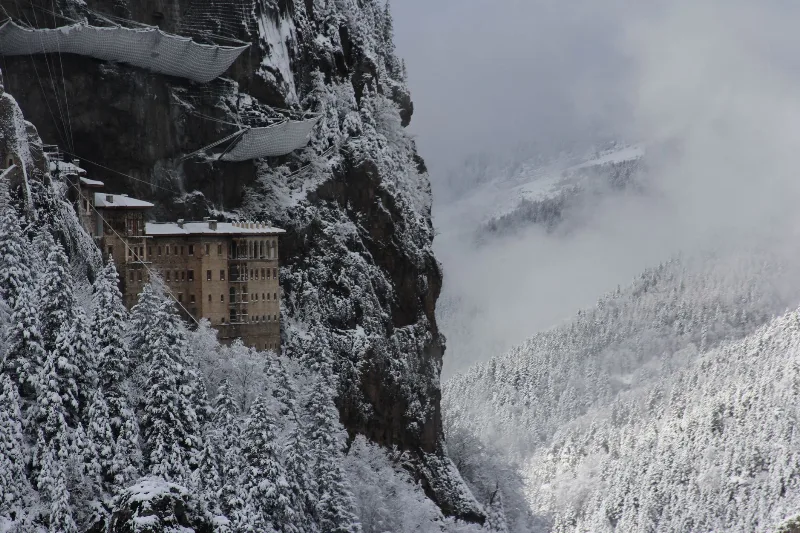
Trabzon
Trabzon is a rain-washed port city on Türkiye's eastern Black Sea coast, framed by the cliffside Sumela Monastery and slopes of tea. Byzantine and Ottoman layers sit close to highland valleys just inland.
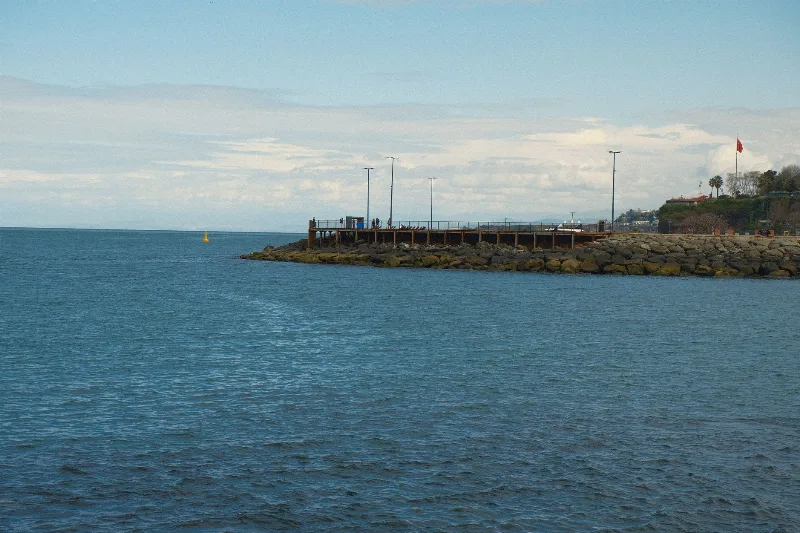
6-Day Central Black Sea Route
A six-day journey along Turkey's Central Black Sea coast from Samsun to Trabzon, visiting Ordu and Giresun with highland and beach stops.
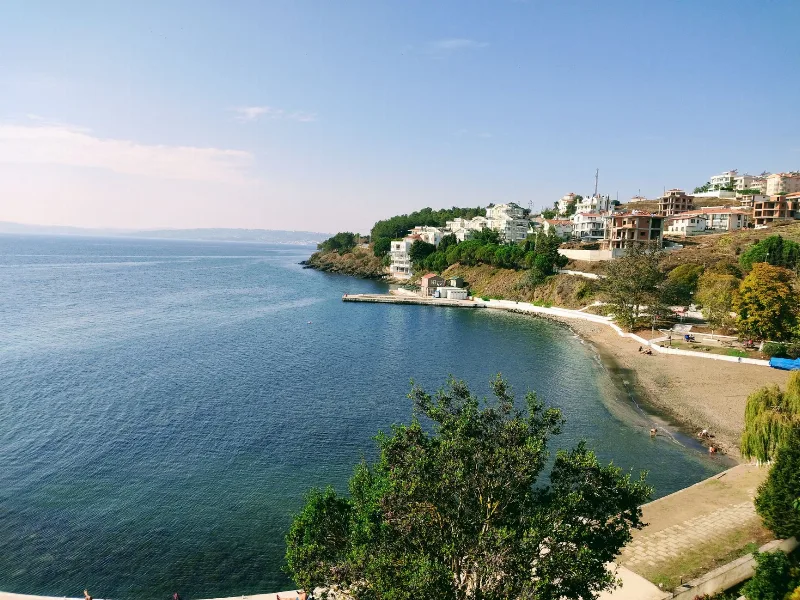
5-Day Black Sea Coast Route
A five-day linear journey along Türkiye's central and eastern Black Sea coast, from Sinop to Trabzon, with an inland detour to Amasya and stops in Ordu and Giresun along the way.
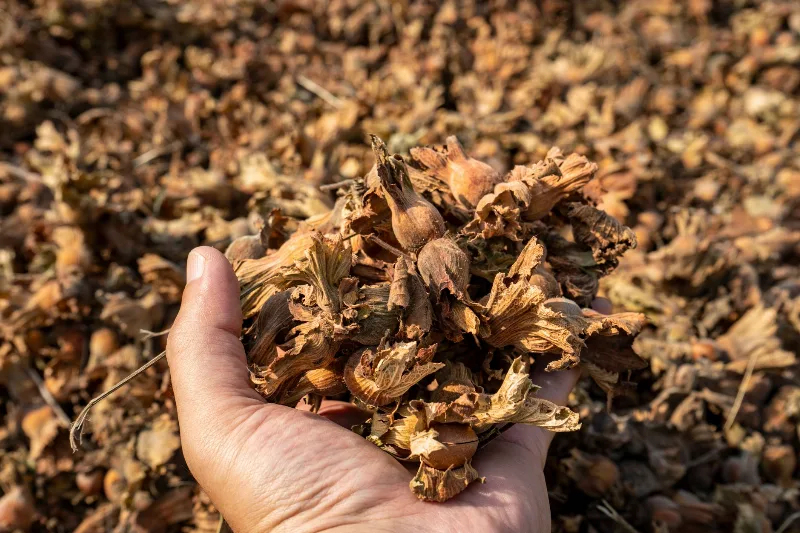
Giresun Hazelnuts
Giresun hazelnuts are the nuts of hazel trees grown on the rainy slopes of Giresun province on Türkiye's eastern Black Sea coast, valued for their rounded kernels, thin shells and high oil content.
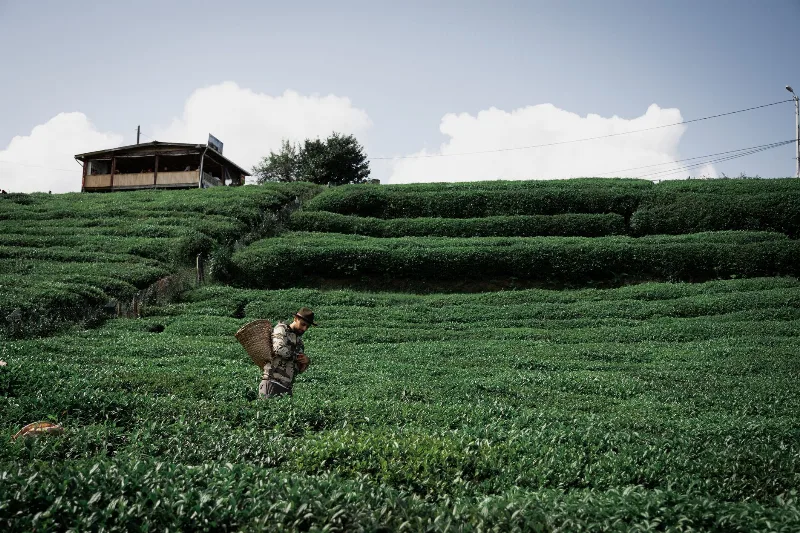
Rize Tea
Rize tea is the black tea grown in Türkiye's northeastern Black Sea province of Rize, where heavy rainfall, persistent humidity and acidic soils create one of the few places in the country where Camellia sinensis thrives.