
Giresun Hazelnuts
Giresun hazelnuts are the nuts of hazel trees grown on the rainy slopes of Giresun province on Türkiye's eastern Black Sea coast, valued for their rounded kernels, thin shells and high oil content.
Giresun hazelnuts are the nuts harvested from hazel trees cultivated in and around Giresun province, a narrow, rain-fed strip of land on the eastern Black Sea coast of Türkiye. The province has long been identified with hazelnut growing, and the hazelnut is central to the agricultural identity of Giresun city and its surrounding districts. The connection between place and product rests on a simple combination: a humid, cloudy coastal climate with high rainfall, slopes that shed water quickly, and soils that allow hazel trees to grow steadily without the stress of drought. The kernels produced here are known for their rounded shape, relatively thin shells and high oil content, characteristics that make them sought after by confectionery and processing industries as well as by local households.
Where Hazelnuts Grow in Giresun
Hazelnut orchards occupy the lower and middle slopes that rise steeply from the Black Sea shoreline toward the inland mountains. The crop is not confined to the coastal plain, which is limited in Giresun, but spreads across hillside plots between roughly sea level and the upper limit where hazel trees still crop reliably. Districts such as Bulancak, Keşap, Espiye, Tirebolu, Görele and the inland valleys around Dereli and Şebinkarahisar all sit within the broader hazelnut belt of the province. Orchards are typically small and family-run, arranged in terraced or contour-planted parcels rather than large uniform fields, which gives the Giresun landscape its characteristic patchwork of green, leafy hazel groves on rolling ground.
Why the Black Sea Climate Suits the Crop
The eastern Black Sea coast is one of the wettest parts of Türkiye. Rainfall is spread across the year, humidity remains high, and summers are warm without being arid. Hazelnuts tolerate this well: they dislike dry, exposed sites and benefit from consistent moisture in the soil. Giresun's slopes help in two ways. First, they drain excess water away from the roots, which hazel trees need because they are sensitive to waterlogged ground. Second, the slope orientation creates a range of microclimates, so orchards at different elevations and aspects ripen at slightly different times. The frequent cloud cover and moderate summer heat also reduce sunscald and heat stress on the foliage and nuts.
The Hazel Tree and Its Growing Cycle
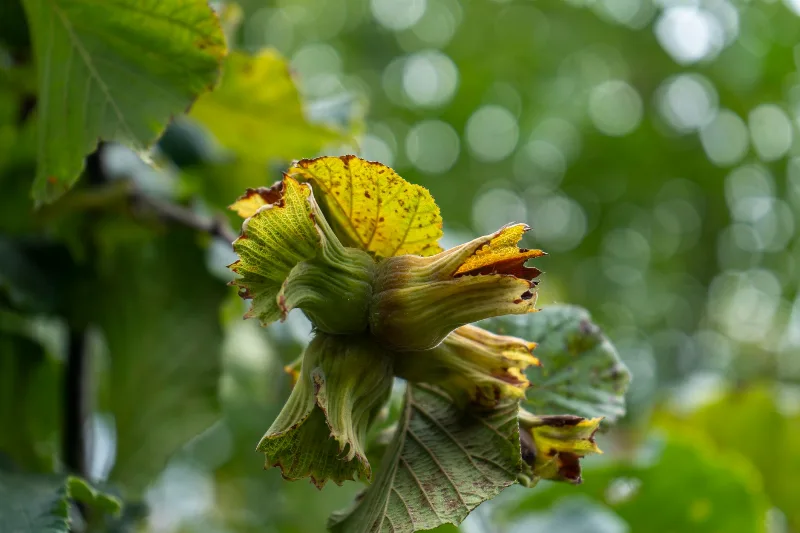
Hazelnuts come from hazel trees, deciduous shrubs or small trees that are grown as multi-stemmed bushes in Türkiye. They are wind-pollinated: the male flowers appear as long, hanging catkins in winter, while the tiny female flowers are barely visible on the same tree. Because pollination depends on wind rather than insects, planting arrangement and air movement through the orchard matter. After pollination, the nuts develop through spring and summer inside green husks that wrap around each cluster.
Flowering and Pollination
Catkins extend during the mild, damp winter months along the Black Sea, and pollen release typically occurs in late winter. This timing is one reason the region suits hazelnuts: severe, prolonged frost during flowering can damage the crop, and Giresun's winters are generally mild enough for pollination to proceed.
Ripening and Harvest
Nuts ripen in late summer. As they mature, the husks begin to yellow and split, and the shells inside harden and turn light brown. Harvest in Giresun usually falls in August and September, with timing varying by elevation and variety. Many orchards are still harvested by hand, the nuts gathered from the ground or picked from the branches, then collected in baskets or sacks for drying.
Hazelnut Varieties of the Giresun Area
The variety most closely identified with Giresun is the Tombul hazelnut, a name referring to its plump, rounded kernel. Tombul is grown widely across the eastern Black Sea hazelnut districts and is the type most often associated with Giresun in trade descriptions. Other varieties are also cultivated within the province and in neighbouring growing areas, giving orchards a spread of ripening dates. The Giresun Tombul hazelnut is recognised under geographical indication protection, reflecting the long-standing link between this nut type and the province.
Drying, Cracking and Storage After Harvest
Freshly harvested hazelnuts contain considerable moisture and must be dried before storage, otherwise they become mouldy or rancid. In Giresun, nuts are traditionally spread out in thin layers in the sun, on cloths, mats or drying floors, and turned regularly so that air reaches all sides. Drying can take days or weeks depending on weather. Once dry, the husks are removed and the nuts are cracked to release the kernels. Shelled kernels are then graded by size and appearance. Whole in-shell nuts and kernels are stored in cool, dry, ventilated conditions, and many households keep part of the crop for their own use through the winter.
Kernel Character and Flavour
Giresun kernels are typically rounded rather than elongated, with a firm, crisp texture and a sweet, oily quality. Oil content is a defining trait of the region's hazelnuts: the kernel is rich in fat, which contributes to both flavour and the way the nut behaves when roasted or ground. The thinness of the shell in Tombul-type nuts is another practical advantage, making cracking easier and yielding a higher proportion of kernel to shell. Roasted Giresun hazelnuts develop a deeper, toasted aroma, while raw kernels taste milder and more milky.
Hazelnuts in the Giresun Landscape and Local Economy
Hazelnut growing shapes both the physical and social landscape of Giresun. Orchards cover hillsides that would be difficult to farm with annual crops, protecting soil on steep ground and providing a dependable income for smallholder families. The harvest brings seasonal activity to villages, with families returning to their orchards and temporary labour moving through the district. Alongside the nuts themselves, hazelnut wood, husks and shells have local uses, and the crop supports a wider chain of cracking, drying, grading and trading activity within the province.
How Giresun Hazelnuts Are Used
The kernels are eaten roasted and salted as a snack, ground into hazelnut paste, and used extensively in chocolate and confectionery. Hazelnut oil pressed from the kernels is used in cooking and in some cosmetic preparations. In Giresun and across the Black Sea region, hazelnuts also appear in home baking and in sweet and savoury dishes where the nut is folded into dough, stuffings or desserts. These culinary uses follow from the nut's texture and high oil content rather than defining the crop itself.
Other Black Sea Districts Growing Hazelnuts
Hazelnut cultivation continues well beyond Giresun. Orchards extend west along the coast through Ordu, Samsun, Trabzon, Giresun's neighbouring provinces, and further toward Sakarya and Düzce in the western Black Sea region. Each area has its own mix of varieties and local growing conditions, but the eastern Black Sea provinces, with their humid climate and sloping terrain, remain the core of Turkish hazelnut production. Giresun's name continues to be attached to the nut in a way that reflects how closely the province and the crop have grown together.
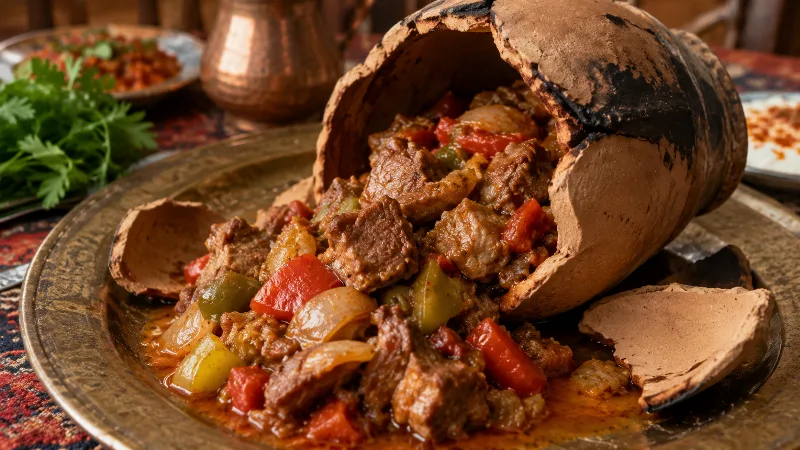
Testi Kebabı
Testi Kebabı is a traditional Turkish dish from Cappadocia where meat and vegetables are slow-cooked in a sealed clay pot that is broken open at the table. The result is tender meat and rich, aromatic vegetables.
Explore →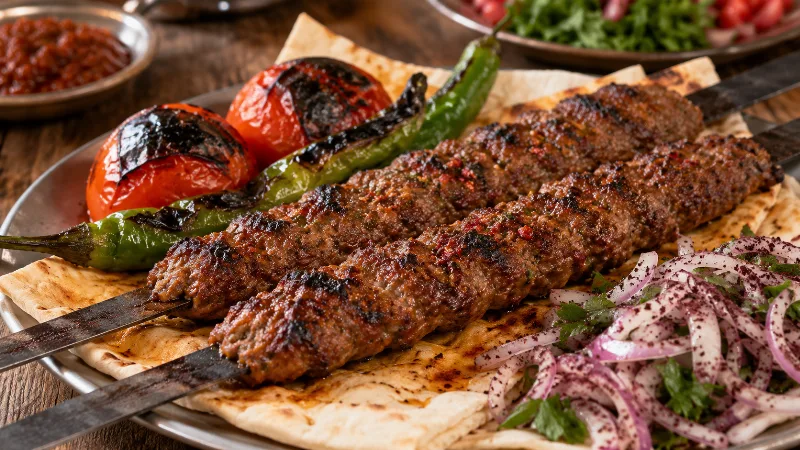
Urfa Kebap
Urfa Kebap is a charcoal-grilled minced lamb kebab from Şanlıurfa, seasoned without hot chilli and shaped around flat skewers. Its mildness is what sets it apart from the region's other minced kebabs.
Explore →
Ezogelin Çorbası
A thick Turkish lentil soup of red lentils, bulgur and rice, flavoured with dried mint and tomato paste and named after the folk figure Ezo Gelin.
Explore →Related content

Giresun
Giresun is a Black Sea coastal city in northeastern Türkiye, known across the country for its hazelnuts and for Giresun Island, the only inhabited island in the Black Sea.

Ordu
Ordu is a Black Sea city in northern Türkiye and the centre of Ordu Province, built on a narrow coastal strip between the sea and the Pontic Mountains. It is best known for hazelnut production and for the panoramic views from Boztepe above the city.
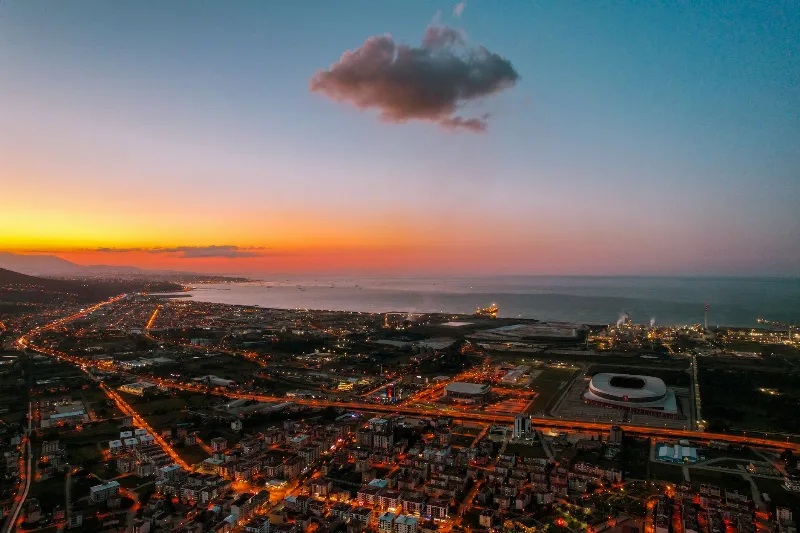
Samsun
Samsun is a large Black Sea port city in northern Türkiye and the historic starting point of the Turkish War of Independence in 1919. It is a major metropolitan centre set between wide river deltas, coastal plains and the mountains of the Black Sea hinterland.
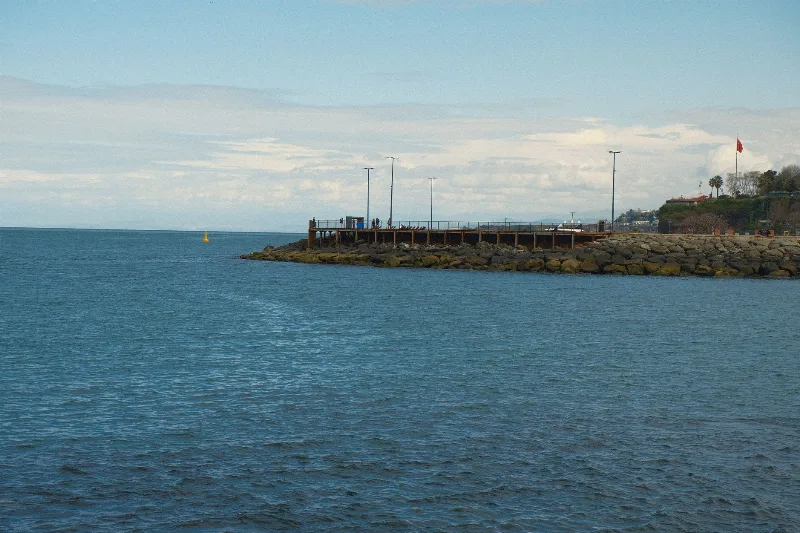
6-Day Central Black Sea Route
A six-day journey along Turkey's Central Black Sea coast from Samsun to Trabzon, visiting Ordu and Giresun with highland and beach stops.
5-Day Black Sea Coast Route
A five-day linear journey along Türkiye's central and eastern Black Sea coast, from Sinop to Trabzon, with an inland detour to Amasya and stops in Ordu and Giresun along the way.
Ordu Hazelnuts
Ordu hazelnuts come from Türkiye's leading hazelnut province on the central Black Sea coast, where humid air, year-round rainfall and steep hillside orchards give the crop its distinctive character.