
Testi Kebabı
Testi Kebabı is a traditional Turkish dish from Cappadocia where meat and vegetables are slow-cooked in a sealed clay pot that is broken open at the table. The result is tender meat and rich, aromatic vegetables.
Testi Kebabı is a traditional Turkish dish in which chunks of meat and vegetables are slow-cooked together in a sealed clay pot, known as a testi. The pot is typically broken open at the table, releasing a burst of steam and aroma. The dish is most closely associated with the Cappadocia region, particularly the town of Avanos, where pottery-making has been a central craft for centuries.
What Is Testi Kebabı?
At its core, Testi Kebabı is a method of cooking that uses a narrow-necked clay pot to trap steam and flavor. The pot is filled with ingredients, sealed, and then cooked for a long time, usually in a tandır (a traditional clay oven) or a regular oven. The result is exceptionally tender meat and vegetables that have stewed in their own juices. While the exact ingredients can vary, the defining feature is the sealed clay pot and the dramatic presentation of breaking it open.
The Cappadocian Connection
Cappadocia is known for its unique geological formations and its long history of pottery. Avanos, a town in Nevşehir Province, sits beside the Kızılırmak River (the Red River), and the clay from the riverbanks has been used for pottery since ancient times. The local pottery tradition is deeply intertwined with the region's culinary culture. Testi Kebabı is a direct expression of this: the clay pot is not just a cooking vessel but a product of local craftsmanship. In Cappadocia, the dish is often prepared for special occasions, gatherings, and for tourists seeking a traditional experience. However, it is also made in other parts of Türkiye, though the Cappadocian version remains the most widely recognized.
Ingredients and Preparation
The ingredients for Testi Kebabı are simple and hearty. Typically, the pot is filled with cubes of lamb or beef, though chicken can also be used. Vegetables such as onions, garlic, tomatoes, and green peppers are common. Some versions include eggplant, potatoes, or carrots. The mixture is seasoned with salt, black pepper, and sometimes herbs like thyme or bay leaves. A small amount of butter or oil may be added to enrich the dish. The ingredients are layered or mixed in the pot, which is then sealed. The seal is traditionally made with a piece of dough, but foil or a clay lid can also be used. The seal is crucial: it prevents steam from escaping and allows the contents to cook in their own moisture.
Cooking Method and Theatrical Presentation
Once sealed, the pot is placed in a tandır or oven and cooked slowly for several hours. The long, gentle cooking breaks down the meat's connective tissue, making it fork-tender. The vegetables soften and meld into a rich, flavorful stew. When the pot is removed from the heat, it is brought to the table still sealed. The server then breaks the seal—often with a swift tap or a small hammer—and cracks open the pot. This moment is a spectacle: steam billows out, and the aroma fills the air. The contents are then poured or spooned onto a serving platter. The broken pot is typically discarded, as it is not reusable after being cracked.
Flavour, Texture, and Appearance
Testi Kebabı is known for its deep, savory flavor. The meat is exceptionally tender, almost falling apart, while the vegetables are soft and infused with the meat's juices. The dish has a rich, slightly oily texture from the rendered fat and butter. The appearance is rustic: chunks of meat and vegetables in a reddish-brown sauce. The flavors are concentrated and harmonious, with the sweetness of tomatoes and peppers balancing the richness of the meat. It is not a spicy dish, but it is aromatic and satisfying.
Serving and Accompaniments
Traditionally, Testi Kebabı is served with rice pilaf or bulgur pilaf, which soaks up the flavorful juices. Fresh bread, such as lavash or pide, is also common. A side of yogurt or a simple salad of onions, parsley, and sumac can accompany the meal. The dish is typically eaten as a main course, often for dinner or lunch. In Cappadocia, it is frequently served to guests as a sign of hospitality. It is not a quick meal; the preparation and cooking take time, so it is reserved for leisurely gatherings rather than everyday quick meals.
Regional Variations
While the Cappadocian version is the most famous, variations of Testi Kebabı exist across Türkiye. In some regions, the dish is made with only meat and onions, without tomatoes or peppers. Others add chickpeas or dried fruits for sweetness. The type of meat can vary: lamb is most traditional, but beef and chicken are also used. The cooking time and temperature may differ, but the sealed pot method remains constant. Some cooks add a splash of wine or vinegar, though this is not universal. It is important to note that there is no single "authentic" recipe; families and restaurants have their own interpretations.
Cultural Significance and Differences from Similar Dishes
Testi Kebabı holds a special place in Turkish culinary culture, especially in Cappadocia. It represents a style of cooking that is both practical and ceremonial. The breaking of the pot is a ritual that adds a sense of occasion to the meal. It differs from other kebabs such as şiş kebab or döner, which are grilled or roasted on a spit. It is also distinct from güveç, a stew cooked in a wide clay pot that is not sealed and not broken open. Testi Kebabı's unique combination of slow cooking in a sealed vessel and its dramatic presentation sets it apart. For anyone interested in regional Turkish cuisine, it offers a taste of Cappadocia's history and craftsmanship.
Related content
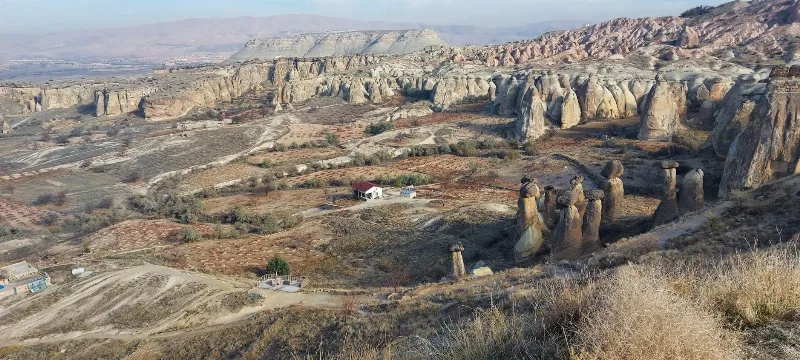
Cappadocia
Cappadocia is a region of Central Anatolia in Turkey defined by eroded volcanic tuff, rock-cut Byzantine churches and multi-level underground cities. This guide explains how the landscape formed, what the main valleys and sites actually contain, and what to know before visiting.
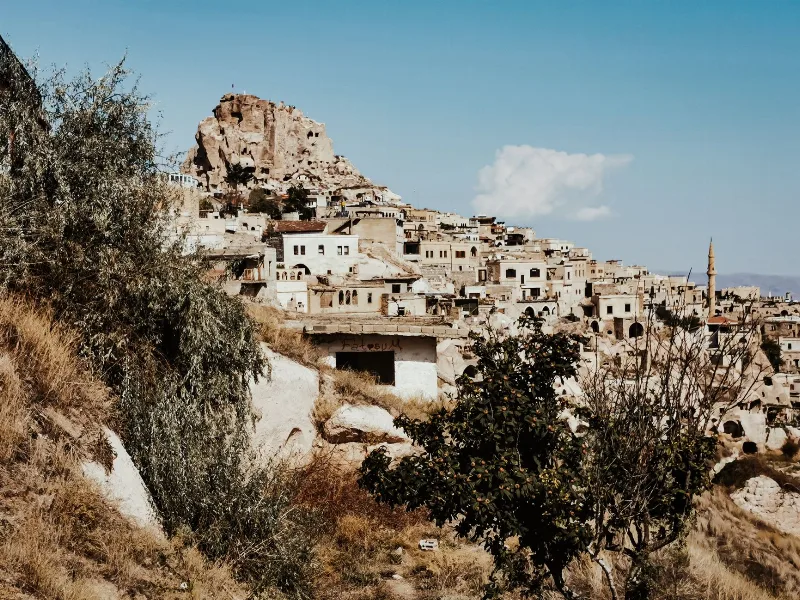
Nevşehir
Nevşehir is a provincial capital in Central Anatolia and the main urban base for the rock landscapes, underground settlements and balloon flights of the Cappadocia region.
Mustafapaşa Village Greek Architecture in Nevşehir
Mustafapaşa, once known as Sinasos, is a Cappadocian village near Ürgüp where carved stone mansions and old Greek churches record a layered and unusually cosmopolitan past.
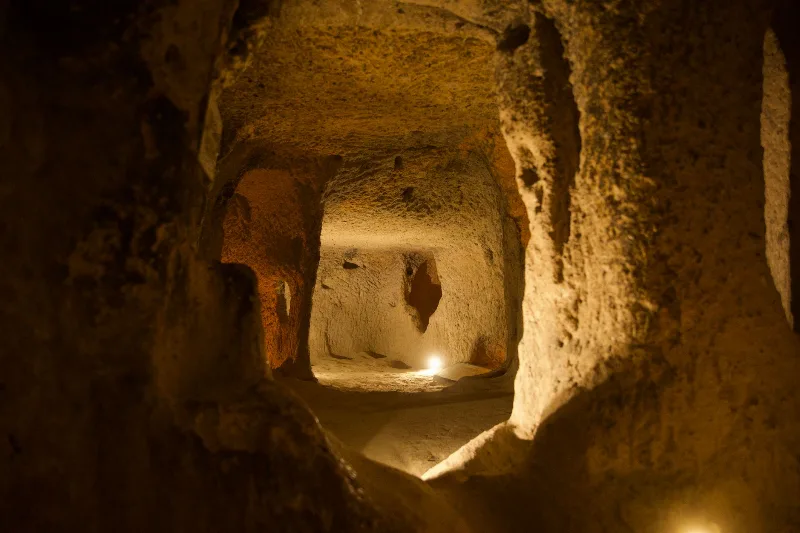
Derinkuyu Underground City
Derinkuyu Underground City is a multi-level rock-cut settlement beneath the town of Derinkuyu in Nevşehir Province, the deepest known underground city in Cappadocia and one of Anatolia's most complete examples of subterranean architecture.
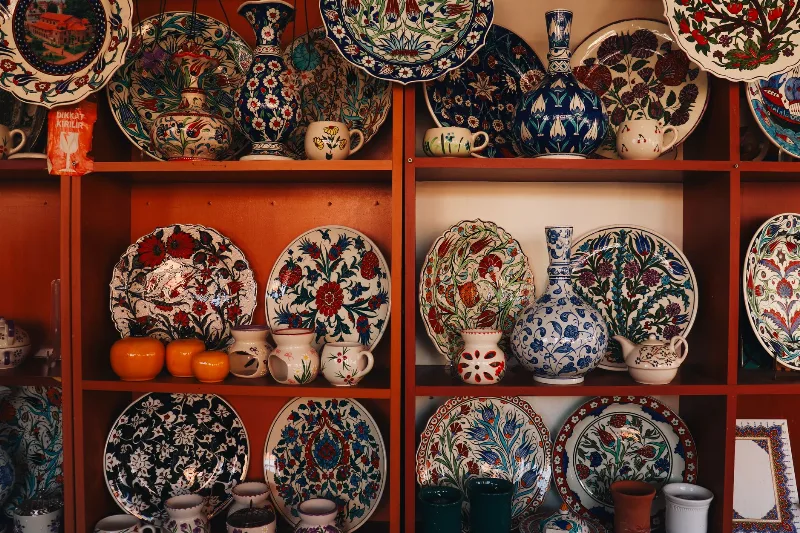
Turkish Ceramics and Pottery
Turkish ceramics and pottery reflect centuries of Anatolian craftsmanship, from Ottoman İznik tiles to the clay workshops of Avanos and Kütahya. Their colours, forms and motifs remain part of Türkiye's living cultural heritage.
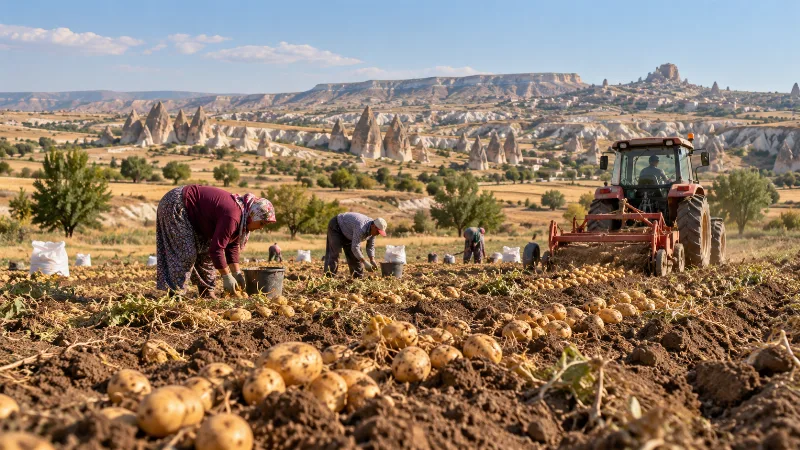
Nevşehir Potatoes
Nevşehir potatoes are grown on the volcanic plateau of Cappadocia in central Türkiye, where tuff-derived soils, cold winters and warm dry summers shape a crop that is harvested in late summer and kept in the region's cool rock-cut storage chambers.