
Kırşehir Walnuts
Kırşehir walnuts come from the inland plateau of central Türkiye, where a continental climate and well-drained soils produce thin-shelled nuts with a rich, nutty flavour used for snacking and baking.
Kırşehir walnuts are the walnuts grown in Kırşehir province, an inland part of central Türkiye in the İç Anadolu region. The nut is the seed of the walnut tree, Juglans regia, and in Kırşehir it is grown both in small orchards and as scattered trees in village gardens and along field boundaries. The province's continental climate and fertile soils are the reason walnuts are tied to this stretch of the Anatolian plateau: they yield nuts with a comparatively thin shell and a rich, nutty flavour that is sought after both for eating on its own and for baking.
Where Kırşehir Walnuts Are Grown
Kırşehir lies in the middle of the Anatolian plateau, roughly between Ankara, Nevşehir and Yozgat. Walnut trees appear throughout the province, in the valleys and along the seasonal streams that cut through the plateau, on the lower slopes of the surrounding hills, and in the gardens of villages and small towns in districts such as Kaman, Mucur and Çiçekdağı.
What sets the local pattern apart is that the walnut is rarely a single-purpose plantation crop here. It is more often a tree that farmers plant near houses, along field edges and beside irrigation channels, so the nut harvest is woven into a wider agricultural landscape of grain fields, other orchards and small livestock holdings. Because it is not confined to one narrow belt, the walnut is a familiar and long-standing feature of the Kırşehir countryside rather than a specialised industrial crop.
Why the Climate and Soils of Central Anatolia Suit Walnuts
Walnut trees fit the conditions of the Anatolian plateau well. The winters are cold enough to give the trees the chilling they require for healthy bud break, while the summers are hot and dry, with a marked difference between daytime and night-time temperatures. Rainfall across the province is moderate and falls mainly in spring, which gives the trees steady moisture during the period of shoot growth and flowering.
Equally important is the ground the trees stand on. Walnuts dislike waterlogged soil and fail where drainage is poor, so the free-draining, lighter soils of the plateau and its valleys suit them. Along streams and in the deeper alluvial pockets the soil holds more moisture and nutrients, and a deep-rooted walnut tree can reach down to them through the dry summer months. Where soils are too heavy or stay wet for long periods, walnut trees perform poorly, which is why the better trees in Kırşehir tend to occupy well-drained ground.
One real risk in a continental climate is a late spring frost. Because walnut trees flower early, cold nights in spring can damage the catkins and young shoots and reduce the crop in a given year. This accounts for much of the natural variation in harvest size from season to season in the region.
The Walnut Tree and Its Growing Cycle
The walnut is a large deciduous tree with a deep root system and a broad crown that provides dense summer shade. In spring the trees produce separate male and female flowers; the male catkins release pollen that is carried by wind to the smaller female flowers on the same tree. After pollination the green husks begin to form and the kernels develop inside the shell over the summer months. The nuts mature through late summer, the husks split and the shell hardens, and the crop is ready to be gathered in autumn.
What Distinguishes Kırşehir Walnuts
The nuts most often associated with Kırşehir are valued for a relatively thin, easy-to-crack shell and a kernel with a pale colour and a deep, nutty taste. Thin shells make the nuts convenient to open by hand, which matters in a market where buyers frequently assess walnuts by cracking a sample. The flavour is full rather than bland, and the kernels stay firm enough to hold their texture when used in baking, where their character is not lost among other ingredients.
Harvest, Drying and Storage
Harvest is a hands-on job. Nuts are collected as they fall or are knocked from the branches, and the green outer husks are removed soon afterwards so that the shells do not stain or spoil. The nuts are then spread out to dry, traditionally in the open air and sun, until the kernels lose enough moisture to keep well. After drying they are stored in a cool, dry place; properly handled, they hold their quality through the winter and can be cracked as needed. Poorly dried nuts turn rancid or mouldy, so drying and storage are treated as seriously as the harvest itself.
Walnuts in the Kırşehir Landscape and Local Life
Walnut trees shape the look of the Kırşehir countryside as much as they contribute to its produce. They stand as shade trees beside houses and along lanes, they mark field boundaries, and their timber has long been prized for furniture and carpentry. For many households the annual crop is both a source of food and a modest source of income, sold locally or traded among neighbours. Sharing walnuts at gatherings and giving them to guests is a familiar part of rural hospitality in central Anatolia.
How Kırşehir Walnuts Are Used
Most of the crop is eaten simply as a snack, either fresh after harvest or dried and cracked through the winter. In the kitchen, the kernels are used in baked goods, in fillings and in traditional sweets where walnut is paired with sugar or honey, and they are also pressed for walnut oil in small quantities. The nuts appear in regional pastries and home baking across central Anatolia, where the local crop supplies kitchens directly.
Related Growing Areas in Türkiye
Türkiye grows walnuts in many of its provinces, from the Black Sea coast to the inland plateau and the eastern highlands, each with its own local character. Within central Anatolia, Kırşehir belongs to this broader inland walnut tradition, where cold winters, dry summers and free-draining soils create conditions that the walnut tree has long been able to exploit. Understanding that combination of land and climate is the key to understanding why the walnut became a familiar and dependable tree in Kırşehir.
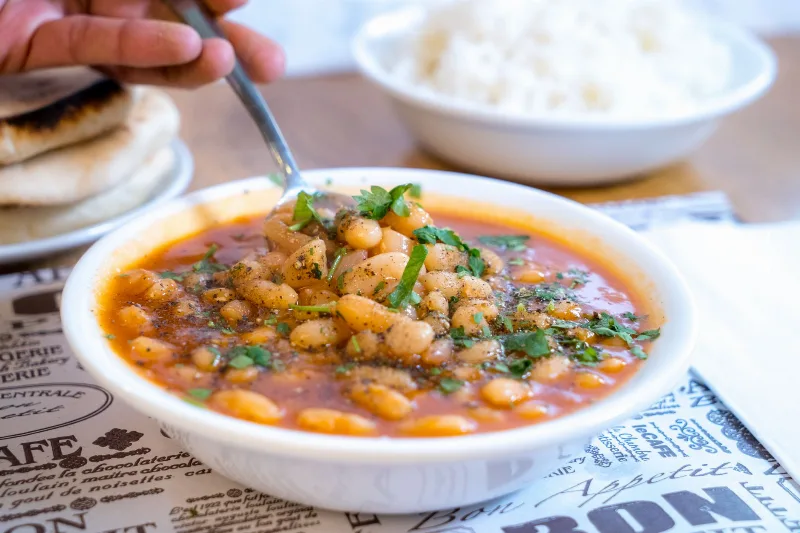
Kuru Fasulye
Kuru fasulye is a traditional Turkish stew of dried white beans slow-cooked with onion, tomato and pepper paste, eaten across the country with rice pilaf and pickles.
Explore →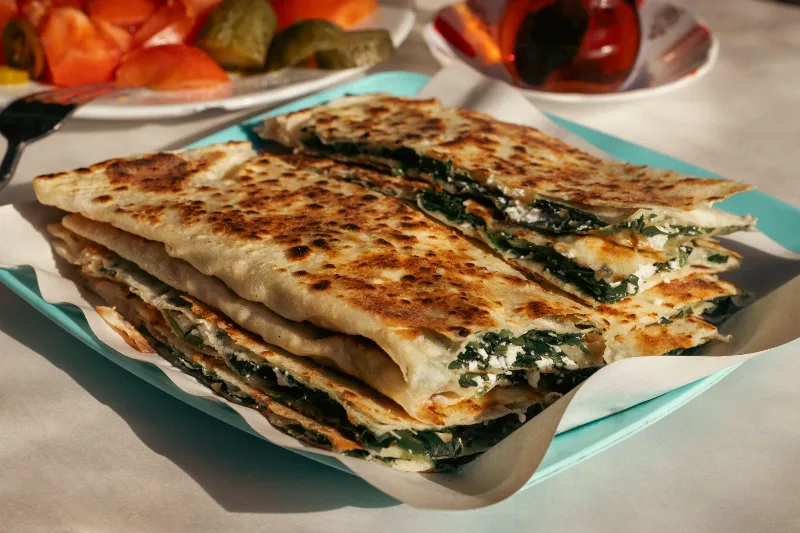
Gözleme
Gözleme is a thin, hand-rolled Anatolian flatbread folded around savory fillings such as cheese, spinach, or minced meat and cooked on a sac griddle. The article covers its regional variations, cooking method, texture, and traditional serving style.
Explore →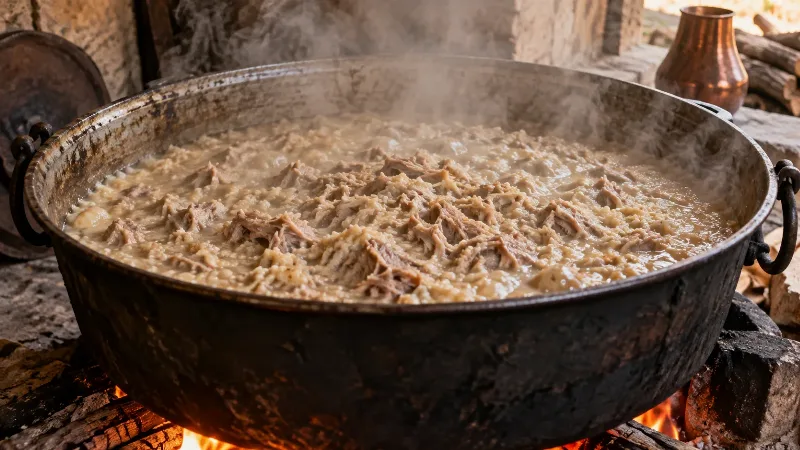
Keşkek
Keşkek is a traditional Anatolian dish made by cooking hulled whole wheat together with meat and pounding the softened mixture into a thick, dense mass. It is best known as a communal celebration food, especially at weddings.
Explore →Related content
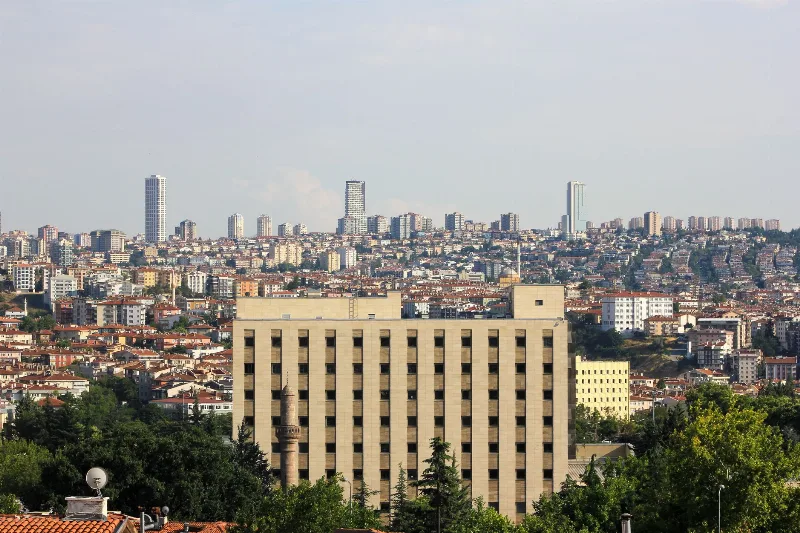
Ankara
Ankara is the capital of Türkiye and the country's second-largest city, set on the high plateau of Central Anatolia and defined by its republican institutions, its long pre-Ottoman history and the mausoleum of Mustafa Kemal Atatürk.
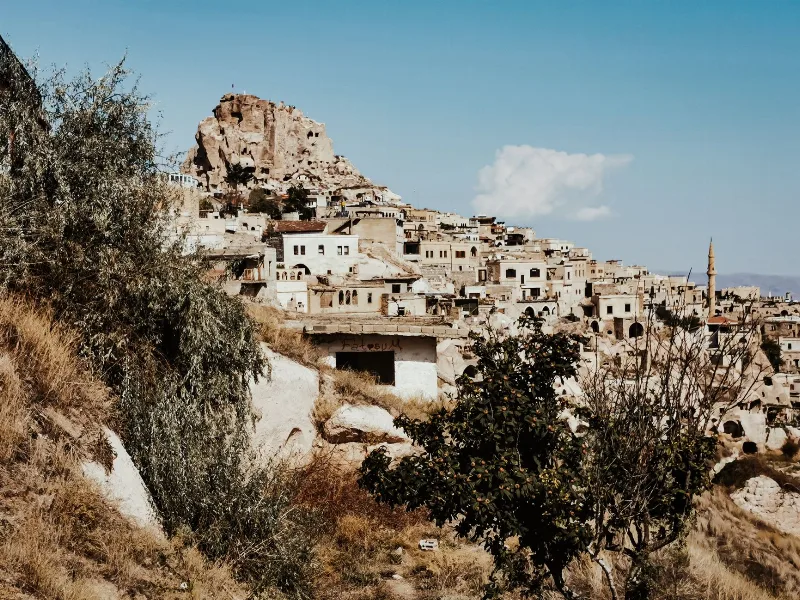
Nevşehir
Nevşehir is a provincial capital in Central Anatolia and the main urban base for the rock landscapes, underground settlements and balloon flights of the Cappadocia region.
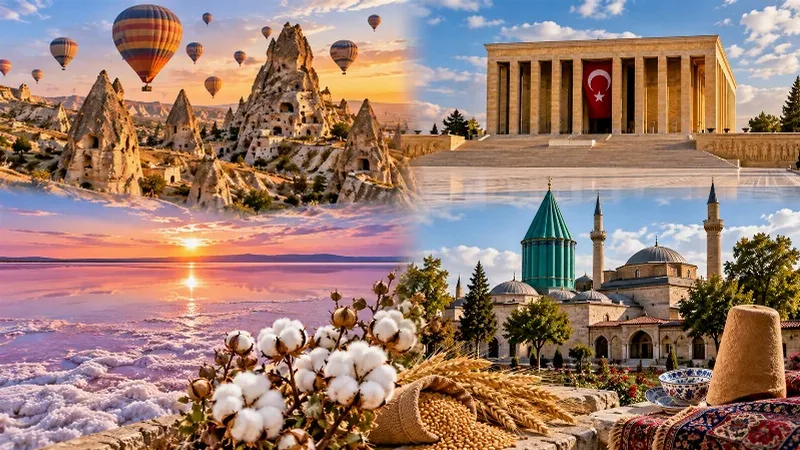
Central Anatolia Region
Central Anatolia is the historic heartland of Türkiye, known for its wide plains, extraordinary rock formations, ancient civilizations and traditional towns. From the fairy chimneys of Cappadocia to the cultural landmarks of Ankara and Konya, the region reveals the rich history and natural beauty of inner Anatolia.
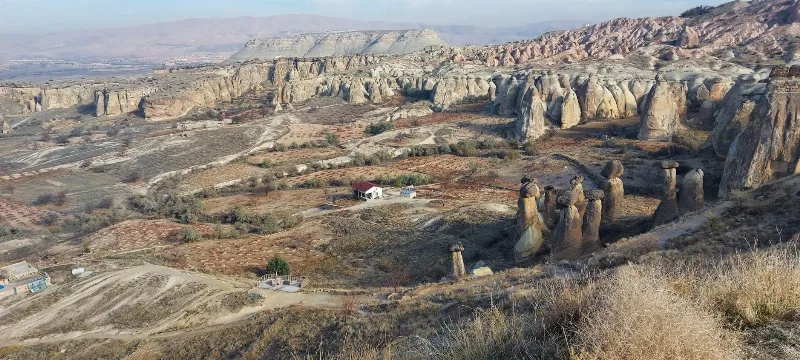
Cappadocia
Cappadocia is a region of Central Anatolia in Turkey defined by eroded volcanic tuff, rock-cut Byzantine churches and multi-level underground cities. This guide explains how the landscape formed, what the main valleys and sites actually contain, and what to know before visiting.
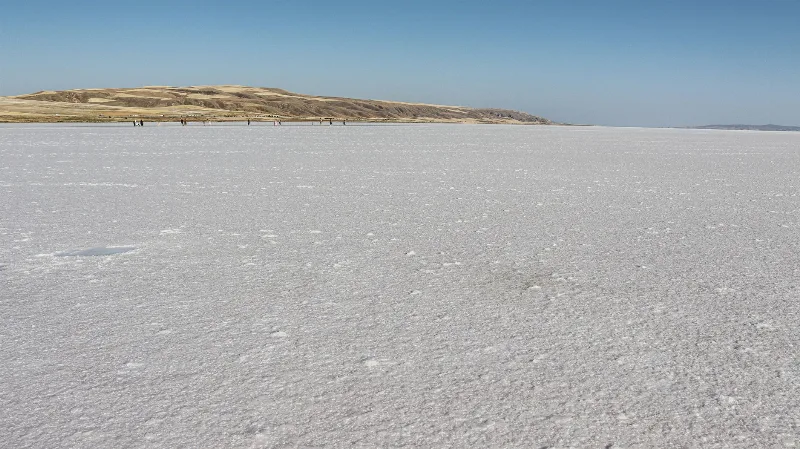
Lake Tuz
Lake Tuz (Tuz Gölü) is a hypersaline salt lake spread across Ankara, Konya and Aksaray in Central Anatolia, and one of the largest salt lakes in the world. Its shallow water, seasonal salt crust and flamingo colonies give it a character unlike any other lake in Türkiye.
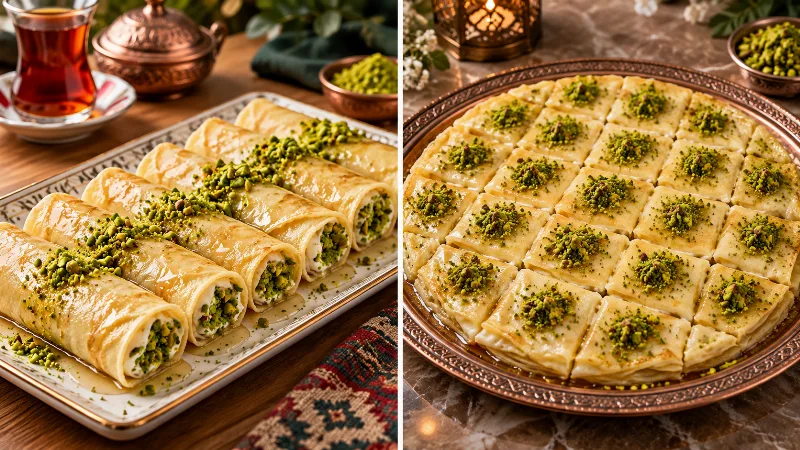
Şıllık Tatlısı
A traditional Şanlıurfa dessert made with thin pancakes, walnuts and sweet syrup.