
Bursa Figs
Bursa figs are the figs grown in northwestern Türkiye, where the sheltered Marmara climate and fertile soils around Bursa give the fruit its sweet flesh and soft skin, eaten fresh in late summer or dried for the winter months.
Bursa figs are the figs cultivated in and around Bursa province, in northwestern Türkiye on the southern edge of the Sea of Marmara. The city of Bursa sits on a broad alluvial plain with the mass of Uludağ rising to its south, and figs grow in village gardens, small orchards and along the lower slopes that ring the plain. The association between figs and this corner of the country rests on geography rather than on a single celebrated variety: the province combines warm, dry summers with winters mild enough that fig trees survive without protection, and soils deep enough to support a tree that sends roots far down in search of moisture. The result is fruit that ripens fully on the tree and reaches high sugar levels, which is why figs are a familiar summer sight in Bursa's markets.
The Landscape Where Bursa Figs Grow
Bursa province lies in the Marmara region, in a setting that is neither fully Mediterranean nor fully Black Sea in character. The sea to the north moderates winter temperatures, while the mountain barrier to the south shelters the plain from some colder inland air. Figs are planted on ground that drains well, since the trees dislike waterlogged roots; on the slopes around the plain and on the well-aerated soils of older gardens, this condition is naturally met. Deep alluvial ground holds moisture through the dry weeks of July and August, when the fruit swells and sweetens. Many groves are small, often a few trees kept beside a house or along the border of a field, and they form part of a mixed agricultural landscape in which Bursa is also known for peaches, chestnuts, olives and other crops.
Why the Local Climate Suits Fig Trees
The fig is a plant of warm, dry summers and mild winters, and the area around Bursa provides both. Ripening depends on heat and sunlight, and the long, bright summer gives the fruit time to develop its sugars. At the same time, the coastal influence keeps winter cold within limits that fig wood can tolerate, so the trees come back reliably each spring. Rainfall is spread across the cooler months, while the growing season is comparatively dry, which discourages the fungal problems that trouble figs in damper climates. The combination of a sheltered plain, sunlit slopes with good air movement and soils that hold moisture but not standing water explains why figs have remained a dependable garden crop here rather than a marginal one.
The Fig Tree and the Two Harvests
Figs come from Ficus carica, a deciduous tree that can be kept low and spreading or allowed to grow tall, with large lobed leaves and a milky sap. In Türkiye the tree typically yields two crops. The first, smaller harvest ripens in early summer on wood produced the previous year, and these figs are thin-skinned and best eaten soon after picking. The main crop follows from late summer into autumn, forming on new growth and providing the bulk of the fruit, including most of what is dried. Growers judge ripeness by colour, softness and the bead of syrup that appears at the eye of the fruit. Because ripe figs do not travel well, harvesting is done by hand and repeated over several weeks as the fruit matures at different times on the same tree.
Fresh and Dried: How Bursa Figs Are Used
Most figs from Bursa are eaten fresh during the season, when their soft, sweet flesh and thin skin make them a common table fruit. A portion of the crop is preserved instead. Drying is the oldest method: split or whole figs are laid out in the sun during the warm, dry weeks of late summer and early autumn, turned by hand until their moisture drops and their sugars concentrate. Dried figs keep through the winter and are eaten as they are, or used in desserts and sweet preserves. Fig jam and other home-made preparations are also part of the local kitchen, where the fruit's natural sweetness means little added sugar is required. Fresh figs appear in salads and alongside cheese, while the leaves are occasionally used in cooking as a wrapping for fillings.
Figs in the Regional Agricultural Tradition
Fig trees are a long-established feature of the gardens and field edges around Bursa, valued because they crop without much attention once established and tolerate dry spells better than many fruit trees. They fit naturally into a farming pattern built around mixed production, where a household may keep olives, mulberries, peaches and figs on the same holding. The fruit is sold in local markets and reaches consumers in the city within hours of picking, which matters for a crop that bruises easily. In the wider picture of Turkish fig growing, the Aegean region accounts for the largest share of production, but Bursa's figs occupy their own niche as a fresh, locally traded summer fruit tied to the province's particular blend of sea air, mountain shelter and fertile plain.
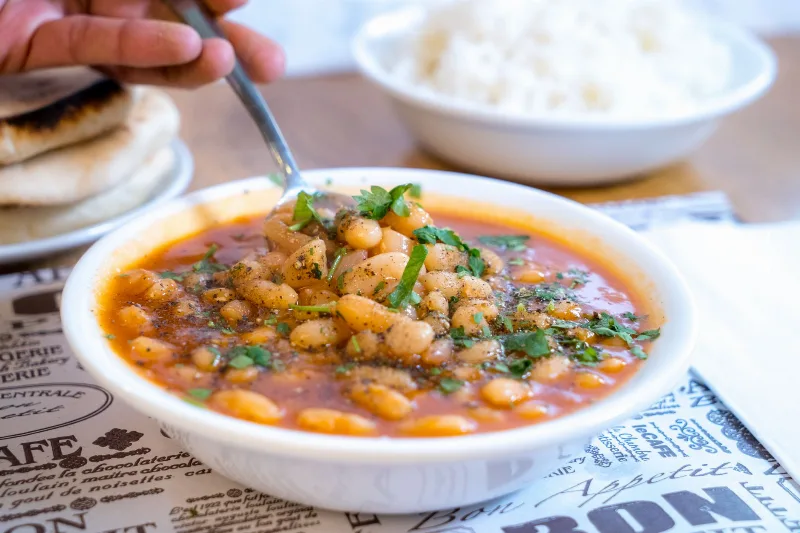
Kuru Fasulye
Kuru fasulye is a traditional Turkish stew of dried white beans slow-cooked with onion, tomato and pepper paste, eaten across the country with rice pilaf and pickles.
Explore →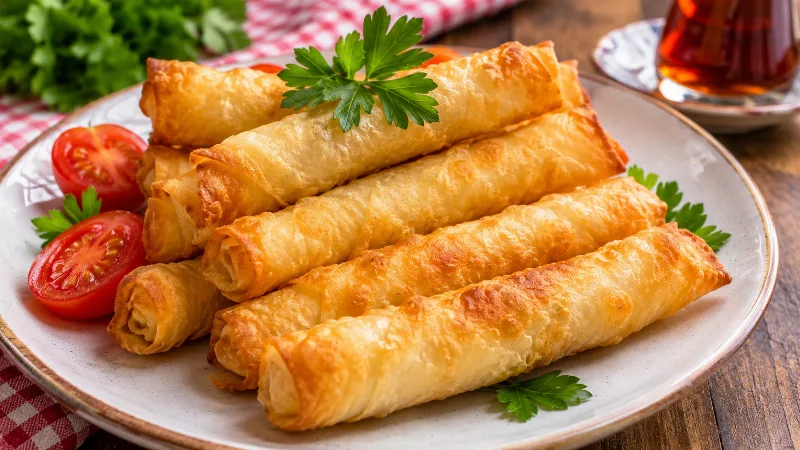
Sigara Böreği
Sigara böreği is a thin Turkish pastry rolled into slim cylinders around a cheese, meat or potato filling and fried until golden. Its name comes from its cigarette-like shape, and it is a familiar sight on breakfast tables, tea-time plates and meze spreads across the country.
Explore →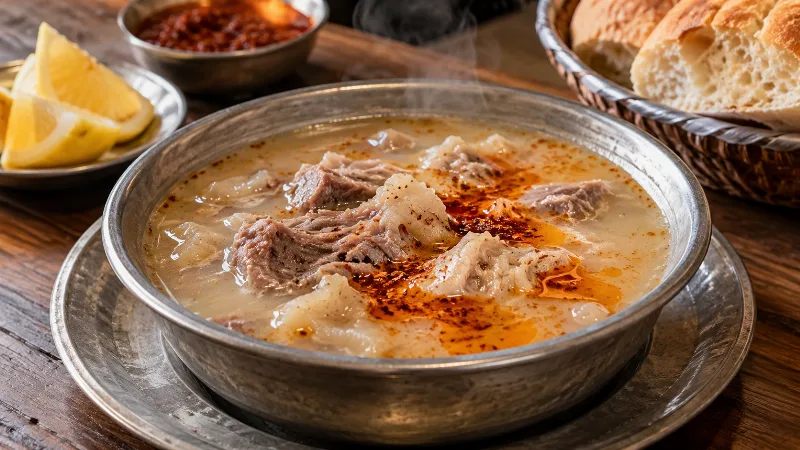
Kelle Paça Çorbası
Kelle Paça Çorbası is a traditional Turkish soup made from sheep's head and feet, known for its thick, gelatinous texture and restorative qualities. It is especially popular in Eastern and Southeastern Anatolia and is commonly eaten for breakfast or as a late-night meal.
Explore →Related content
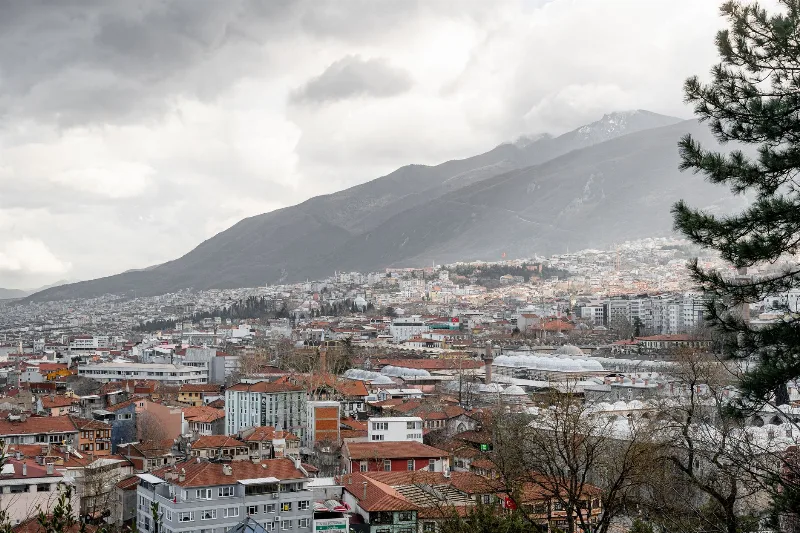
Bursa
Bursa is a major metropolitan city in northwestern Türkiye and the first great capital of the Ottoman Empire, known for its silk heritage, thermal springs and the mountain of Uludağ rising directly behind it.
Aydın Figs
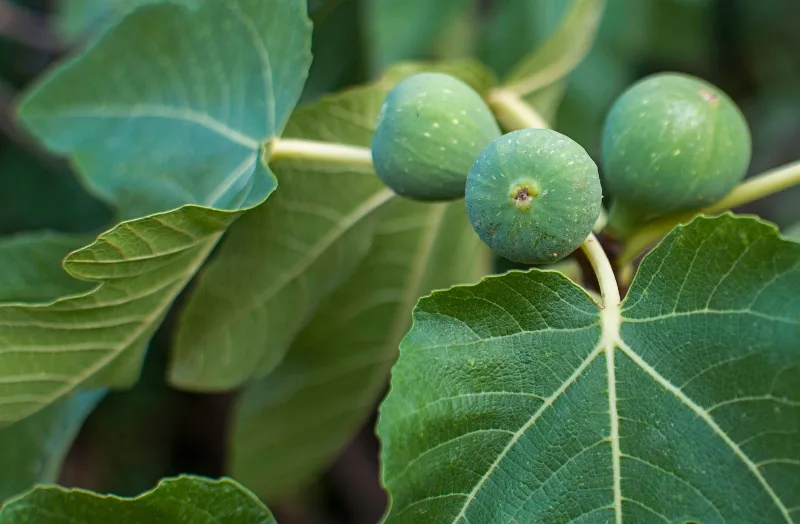
Aydın figs are the dried figs of Türkiye's Aegean interior, grown in the valleys around the Büyük Menderes River and prized for their sweetness, soft texture and pale amber colour.
3-Day Istanbul to Bursa Route
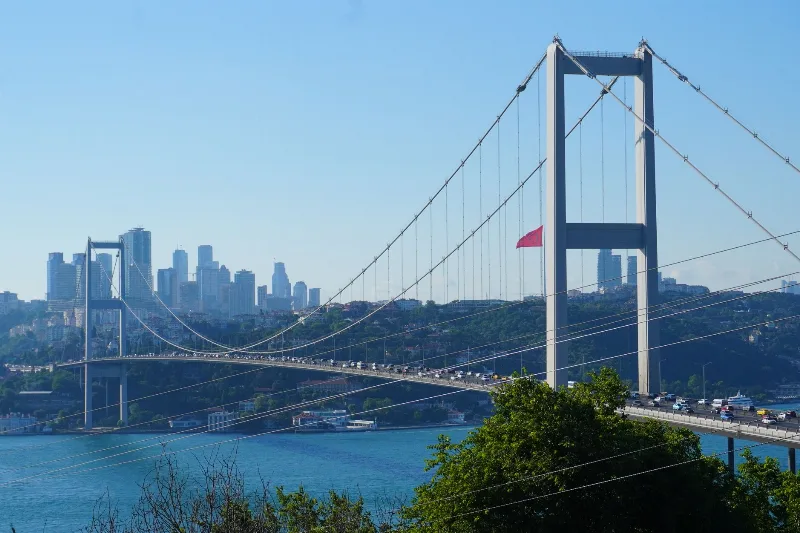
Explore the first Ottoman capital on a three-day route from Istanbul to Bursa, combining historic city sites, the mountain landscapes of Uludağ, and the preserved village of Cumalıkızık.
Bursa Chestnuts
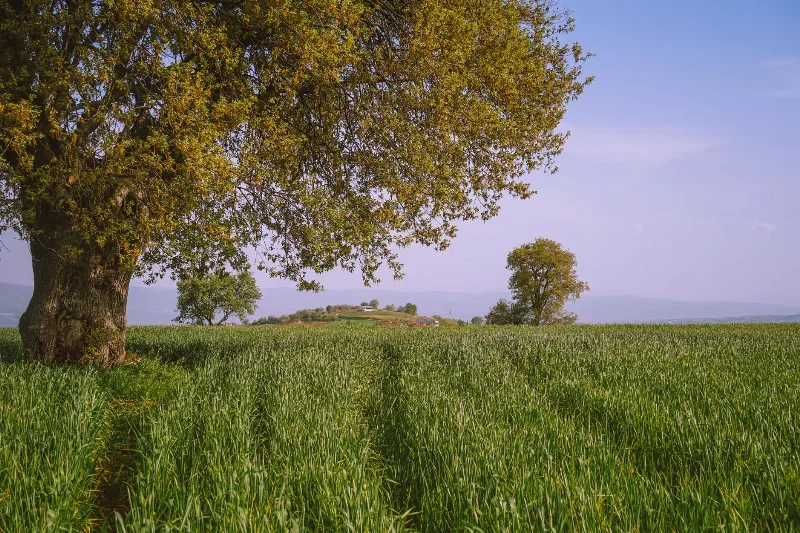
Bursa chestnuts are sweet, starchy nuts grown on the sloping terrain of Bursa province in northwestern Türkiye, where a temperate climate supports chestnut trees and an autumn harvest.
Bursa Quinces
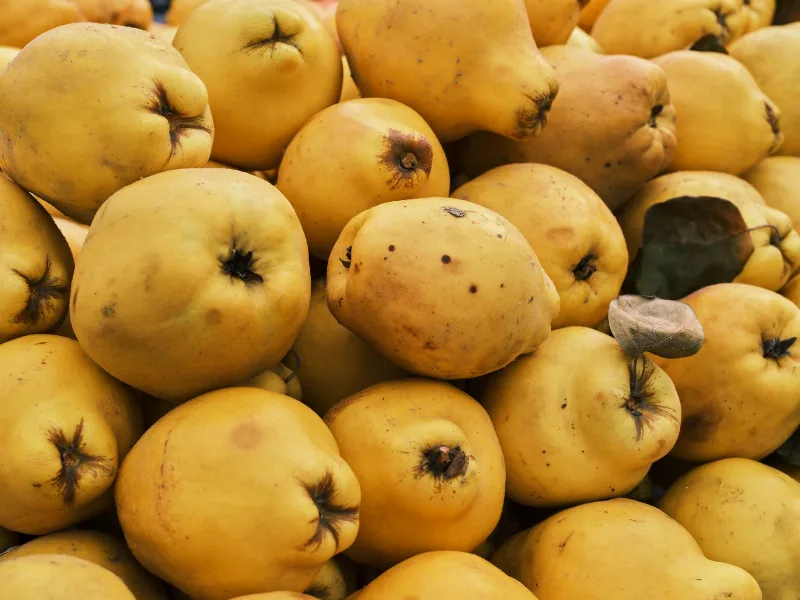
Bursa quinces are the fruit of the quince tree grown around the city of Bursa in northwestern Türkiye, where the province's temperate Marmara climate and fertile soils give the fruit its dense flesh, tart flavour and strong fragrance. The orchards of Bursa are among the places most closely identified with quince growing in the country.
Misi Village Traditional Houses in Bursa
Misi Village, also known as Gümüştepe, is a rural settlement near Bursa where Ottoman-era houses, courtyards and narrow lanes reveal the character of traditional village architecture.