
Misi Village Traditional Houses in Bursa
Misi Village, also known as Gümüştepe, is a rural settlement near Bursa where Ottoman-era houses, courtyards and narrow lanes reveal the character of traditional village architecture.
Known also as Gümüştepe, Misi Village lies within the Nilüfer district of Bursa Province and retains the atmosphere of a rural settlement close to a large city. Its lanes, low walls and old houses offer a readable record of village life in the region, rather than a staged reconstruction. The village is valued for the way domestic architecture, gardens and quiet streets sit together in a continuous landscape.
A Rural Setting on the Edge of Bursa
Misi Village occupies gently sloping ground near Bursa, where the land begins to rise away from the plain. The surroundings are typically Anatolian: small fields, orchards, garden plots and stands of trees frame the settlement, giving it a greener and more open feel than the city centre. This setting helps explain the village's character. Houses were built close to the land that supported them, and the streets follow the contour of the ground rather than a formal grid. In spring and summer, the vegetation softens the stone and timber surfaces; in winter, the same materials give the village a subdued, earthy tone. The name Gümüştepe, meaning silver hill, is a reminder that place names in this part of Türkiye often carry visual or geographical associations, even when the original story behind them is no longer certain.
The Traditional Houses of Misi Village
The traditional houses are the village's most distinctive feature. Many follow an Ottoman village pattern found across north-western Anatolia: a stone or rendered ground floor, a lighter upper storey, and a pitched roof covered with tiles. Timber frames, whitewashed walls and projecting bay windows are common in the older examples, although each house has been altered by its owners over time. The projection of upper floors over the street is both practical and social; it creates shade, adds usable space and allows residents to look out over the lane without leaving the house. Ground-floor rooms often open towards a courtyard or garden, where household tasks, storage and small-scale cultivation can take place. Decorative details are modest rather than grand: wooden shutters, simple railings, carved bargeboards and the occasional painted door. These elements give the houses a human scale and show how local builders used available materials to create comfortable homes.
Streets, Courtyards and Village Architecture
Misi's streetscape is as important as its individual buildings. Narrow lanes, cobbled or compacted surfaces, low boundary walls and garden gates create a sequence of enclosed and open spaces. Houses rarely present a single grand façade; instead, they turn towards courtyards, side gardens and the street in an informal manner. This arrangement reflects a rural way of life in which the boundary between house and land is porous. Fruit trees, climbing plants, grapevines and potted herbs may appear along walls or over doorways, linking domestic architecture with small-scale agriculture. Village architecture in this context is not only about style. It is about climate, available materials, family needs and the practical organisation of storage, cooking, sleeping and working space. The result is a built environment that feels adapted to its place rather than imposed upon it.
Gümüştepe Today and Its Surrounding Area
As Gümüştepe, the village is part of the wider Nilüfer district and remains connected to Bursa's urban life while keeping a distinctly rural centre. Some old houses are still in family use, while others show the wear and repair that come with age. This continuity is part of the village's appeal: Misi is not a museum set piece but a lived-in settlement where traditional buildings sit alongside modern additions. Visitors who value historic streets and vernacular architecture can appreciate the village in a calm, unhurried way. The surrounding Bursa region adds further context. The city is known for its Ottoman monuments, markets and food culture, while the countryside around it contains orchards and wooded slopes. Misi Village therefore works as a small but meaningful stop for understanding rural Bursa, traditional houses and the relationship between village architecture and the landscape.
Related content
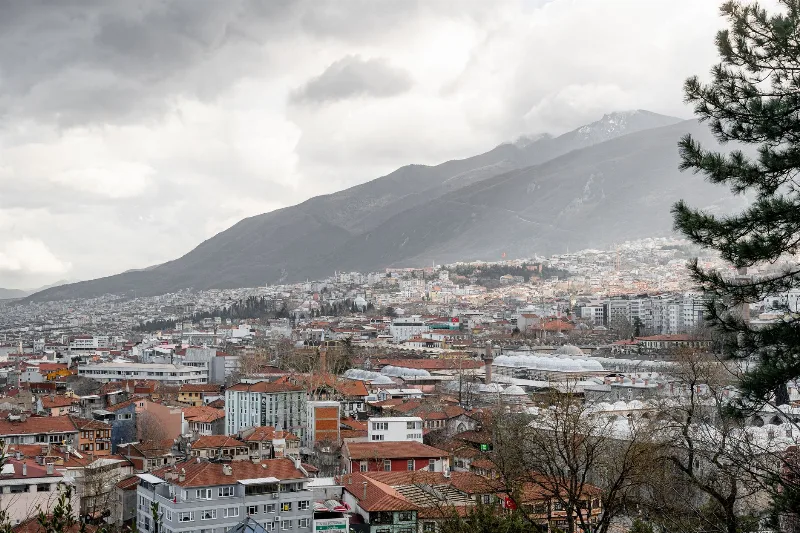
Bursa
Bursa is a major metropolitan city in northwestern Türkiye and the first great capital of the Ottoman Empire, known for its silk heritage, thermal springs and the mountain of Uludağ rising directly behind it.
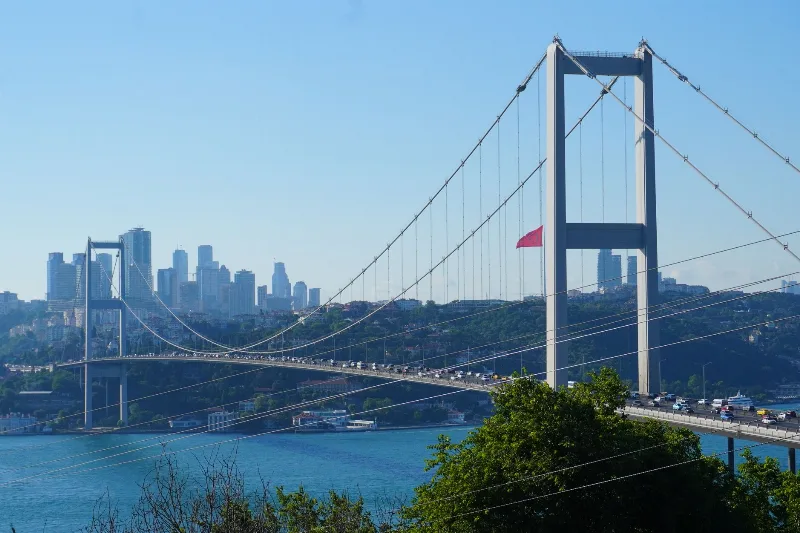
3-Day Istanbul to Bursa Route
Explore the first Ottoman capital on a three-day route from Istanbul to Bursa, combining historic city sites, the mountain landscapes of Uludağ, and the preserved village of Cumalıkızık.
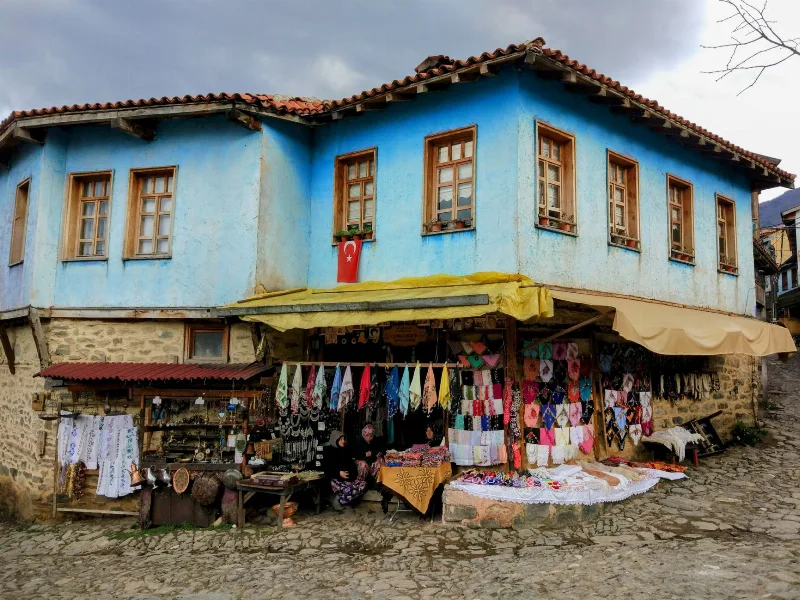
The Ottoman Village of Cumalıkızık Near Bursa
Cumalıkızık, a preserved Ottoman village on the slopes of Uludağ near Bursa, is known for its cobblestone lanes, painted historic houses and long-standing rural traditions that continue today.
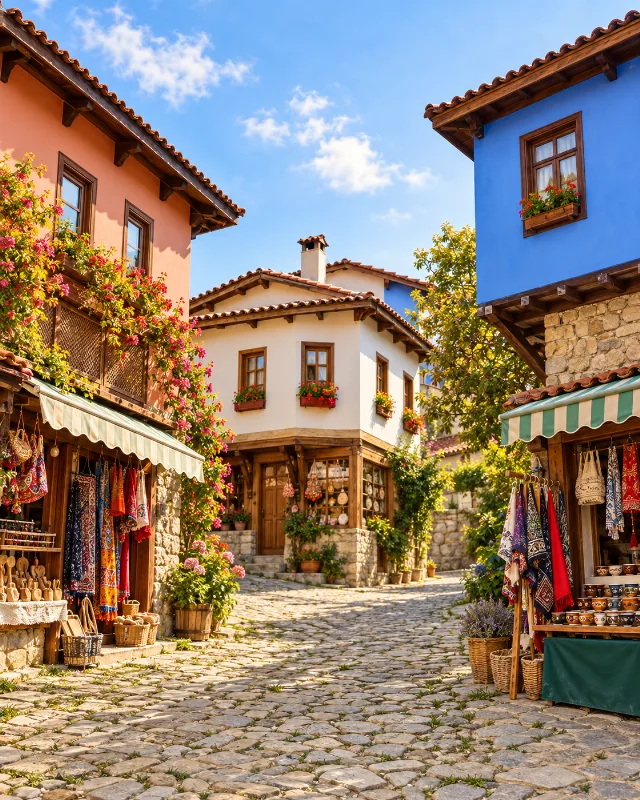
Cumalıkızık
Cumalıkızık is a historic Ottoman village in Bursa, Turkey, known for its well-preserved houses and cobblestone streets. It is part of the UNESCO World Heritage Site 'Bursa and Cumalıkızık: the Birth of the Ottoman Empire'.
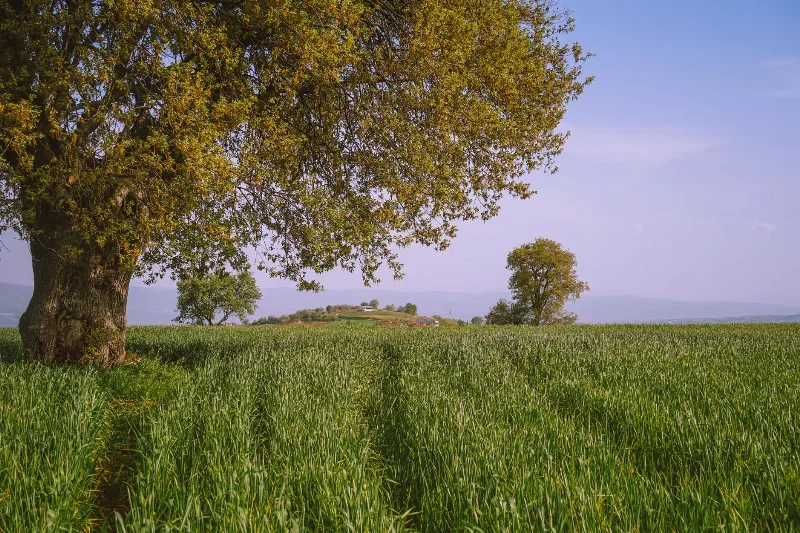
Bursa Chestnuts
Bursa chestnuts are sweet, starchy nuts grown on the sloping terrain of Bursa province in northwestern Türkiye, where a temperate climate supports chestnut trees and an autumn harvest.
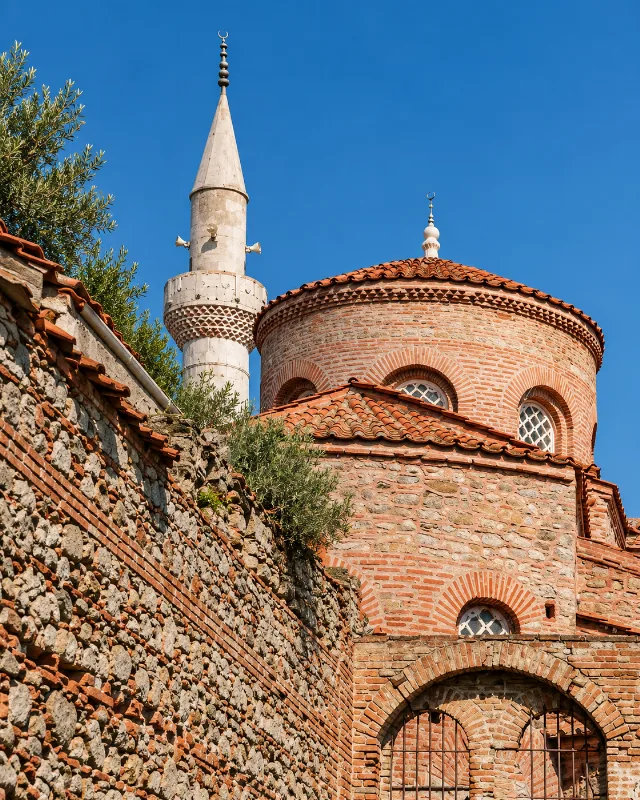
Trilye
Trilye, also known as Tirilye or Zeytinbağı, is a coastal town in Mudanya, Bursa, with a rich Greek heritage, traditional stone houses, and extensive olive groves.
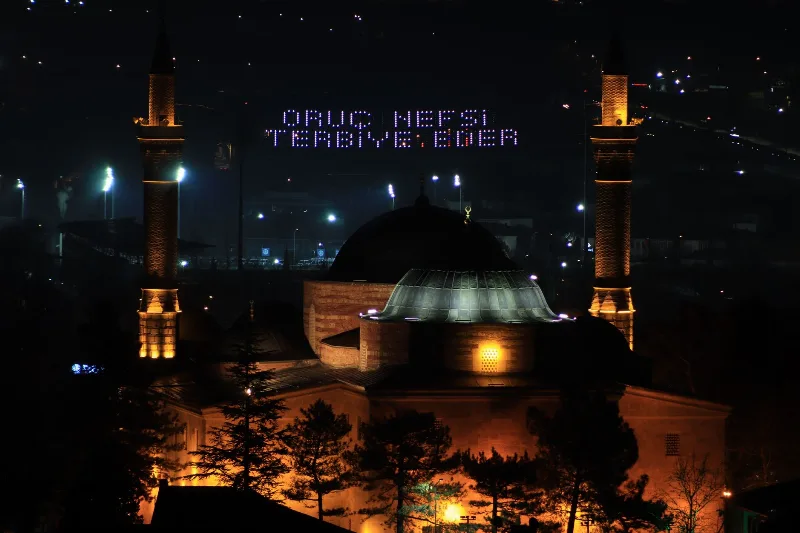
2-Day Bursa and Uludağ Route
A two-day route through Bursa's Ottoman monuments and up to the Uludağ National Park by cable car, combining city walking with mountain hiking or skiing.
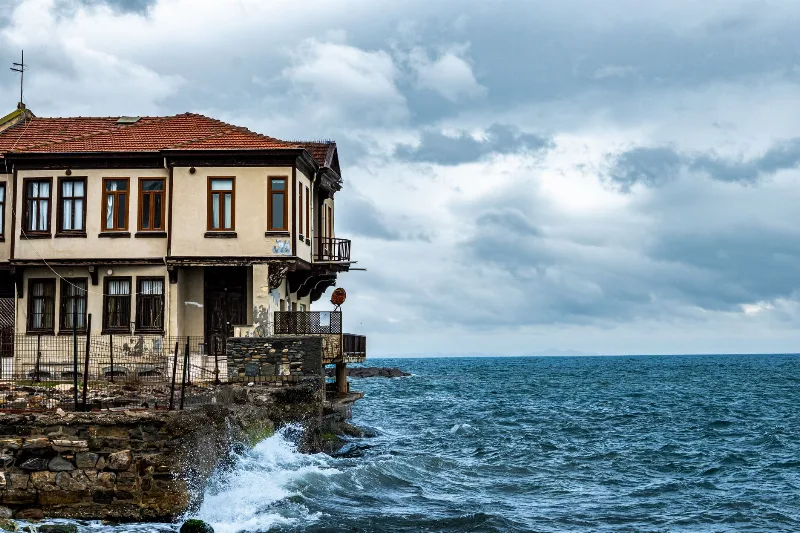
Mudanya
Mudanya is a coastal district of Bursa Province on the southern shore of the Sea of Marmara, known for the house where the 1922 Armistice of Mudanya was signed, its working harbour, and its long shoreline of olive groves and former Greek villages.