
The Ottoman Village of Cumalıkızık Near Bursa
STORIES FROM TÜRKİYE
Cumalıkızık is a small Ottoman village set on the lower slopes of Uludağ, a short distance east of Bursa in northwestern Türkiye. Its cobblestone lanes, colourful historic houses and calm rural rhythm have survived for centuries, offering one of the clearest windows into the region's early Ottoman past.
A Village with Ottoman Roots
The name Cumalıkızık comes from the Kızık, a Turkic community that settled in this part of Anatolia during the early Ottoman period. Several villages nearby still carry the Kızık name, including Hamamlıkızık, Fidyekızık and Derekızık, which shows how densely this landscape was once settled.
Cumalıkızık developed as a vakıf village, meaning its land and produce were tied to a charitable foundation that supported religious and social buildings in Bursa. That arrangement shaped the village layout, its farming traditions and the way its houses were built.
Streets and Traditional Houses
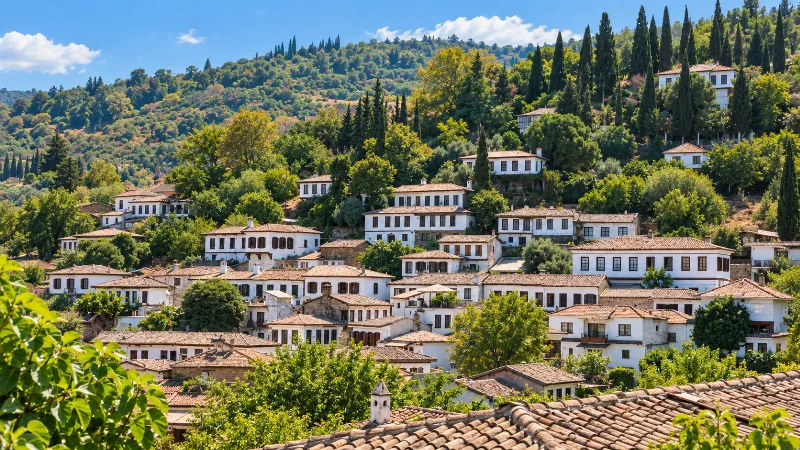
Around 270 historic houses remain in Cumalıkızık, most of them arranged along narrow lanes that follow the shape of the hillside. The buildings share a recognisable style: stone or timber frames, two storeys, and upper floors that project slightly over the street below.
Many facades are painted in soft shades of purple, yellow, ochre and white, a detail that gives the village its distinctive appearance. Behind the walls, most houses have a small courtyard used for drying produce, storing wood or simply sitting in the shade.
The streets are paved with uneven cobblestones, and some lanes are so narrow that vehicles cannot pass. Walking through them, it becomes clear that the village was laid out around people, animals and farm work rather than traffic.
Mosque, Fountain and Hamam
Near the centre of the village stand a small mosque, a historic fountain and the remains of a hamam. Together these structures formed the social core of village life, serving both practical and communal needs.
Timber details, carved doors and stone thresholds appear throughout the older buildings, showing the craft traditions of the region. These elements are modest rather than monumental, which is part of what makes the settlement feel so cohesive.
Local Life and Food Traditions
Farming has long defined daily life in Cumalıkızık. Orchards and small plots around the village produce chestnuts, raspberries, blackberries, apples and other fruit, much of which is turned into jams, syrups and preserves in home kitchens.
The village is also known for its breakfast tradition, with tables set out with local cheeses, olives, jams, honey, eggs and fresh bread. Meals tend to be simple and seasonal, based on whatever the surrounding land offers at that time of year.
Handicrafts continue as well, including traditional needlework and small textile pieces made by residents. These skills are passed down within families and remain part of everyday culture rather than a staged display.
A UNESCO-Recognised Heritage
In 2014, Cumalıkızık was added to the UNESCO World Heritage List as part of the property known as Bursa and Cumalıkızık: the Birth of the Ottoman Empire. The listing recognises the village as a rare surviving example of an Ottoman rural settlement.
Protection has helped slow the loss of historic buildings, yet the village remains a lived-in place rather than an open-air museum. Families still occupy many of the old houses, and daily routines continue around the visitors who come to walk its lanes.
Through the Seasons
Spring brings green hillsides and blossom in the orchards around Cumalıkızık, while summer fills the courtyards with ripening fruit. Autumn is especially colourful, when the surrounding woodland turns gold and the harvest is gathered in.
Winter can bring snow to the higher slopes of Uludağ, creating a quiet contrast with the painted houses below. Each season gives the village a different character, from warm and busy to still and wintry, and all of them reward a slow walk through its lanes.
Historic places
Explore history →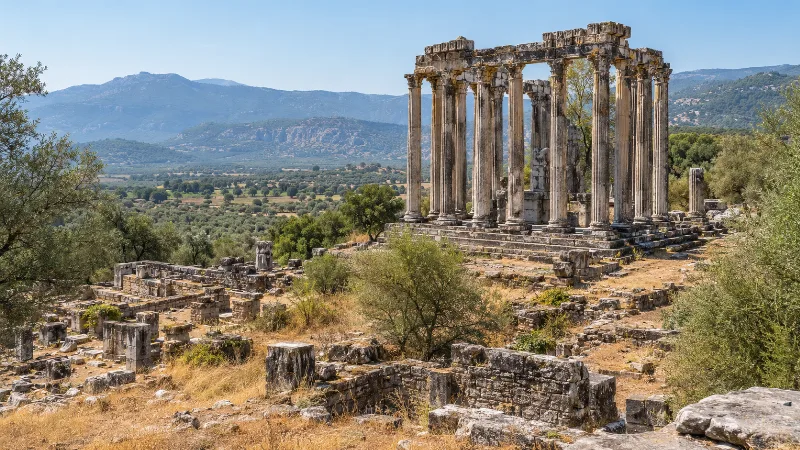
Euromos
Euromos is an ancient Carian city in Muğla Province, Türkiye, whose standing Temple of Zeus Lepsynos is among the best-preserved Roman-period temples in the country. Its theatre, agora, bath and city walls survive on a low hill above the Milas plain.
Explore →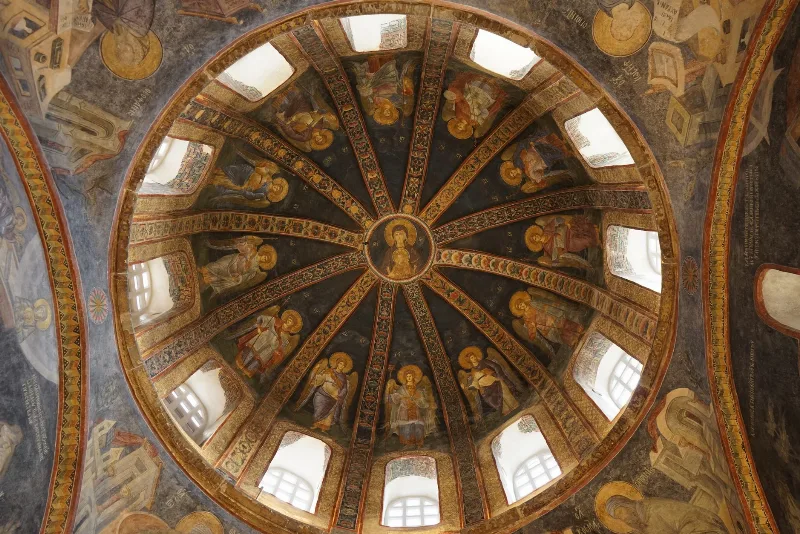
Chora Church
The Chora Church in Istanbul is a Byzantine monument whose 14th-century mosaics and frescoes are among the finest surviving examples of late Byzantine art, preserved inside a building that later served as a mosque.
Explore →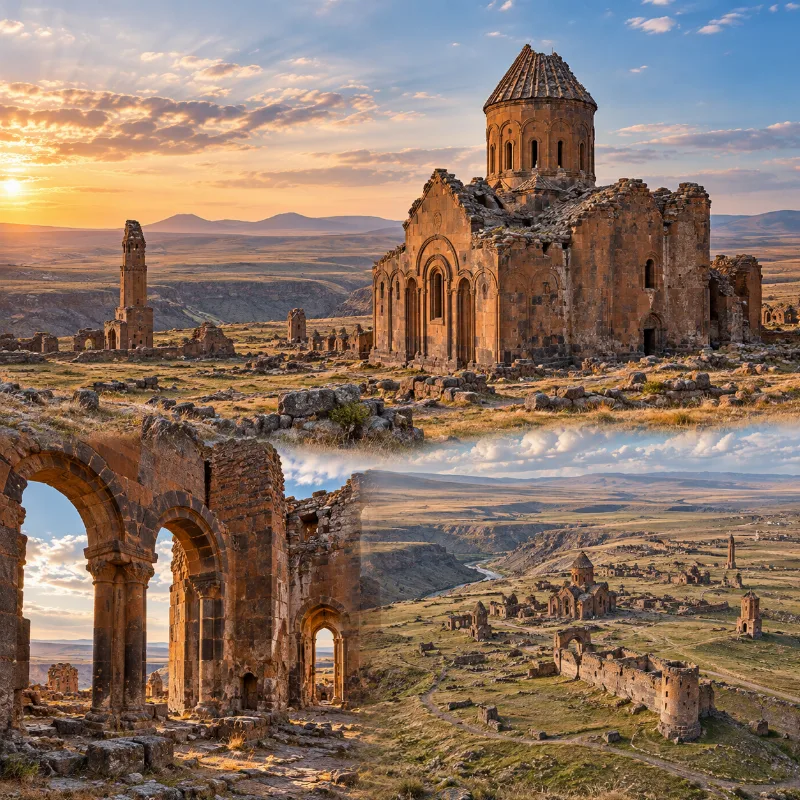
Ancient City of Ani
A medieval archaeological city near the Turkish-Armenian border, with churches, fortifications and monumental stone buildings.
Explore →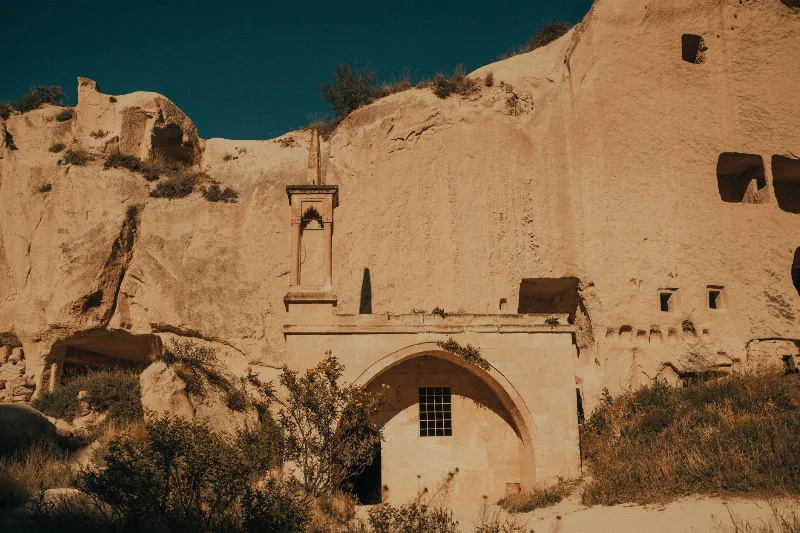
Göreme Open Air Museum
Göreme Open Air Museum is a rock-cut Byzantine monastic complex in the Göreme valley of Cappadocia, Nevşehir Province, whose churches preserve fresco cycles painted between the 10th and 13th centuries. It forms part of the UNESCO World Heritage Site of Göreme National Park and the Rock Sites of Cappadocia.
Explore →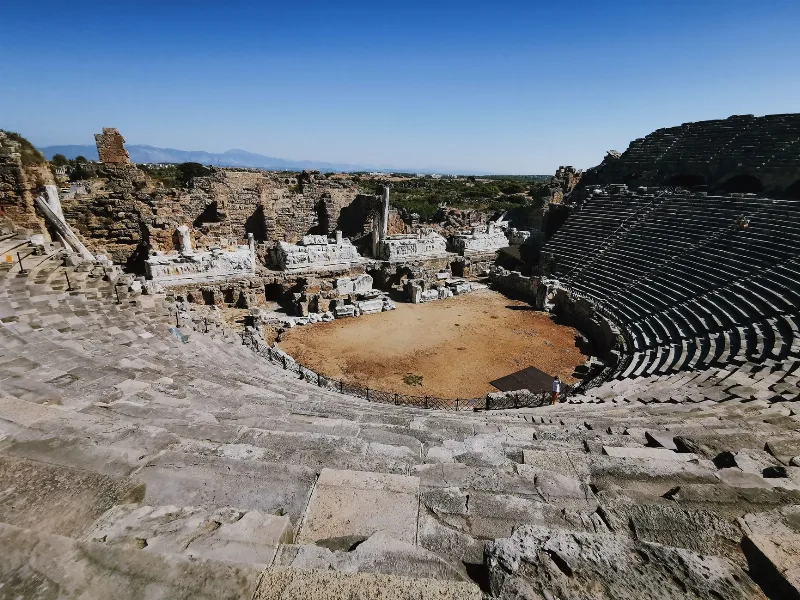
Side
Side is an ancient Pamphylian port city on a peninsula in Antalya Province, Türkiye, known for its well-preserved Roman theatre, the temples of Apollo and Athena, and a museum housed in Roman baths. It flourished under Hellenistic and Roman rule and was abandoned by the 10th century, leaving extensive ruins that visitors can explore today.
Explore →Related content
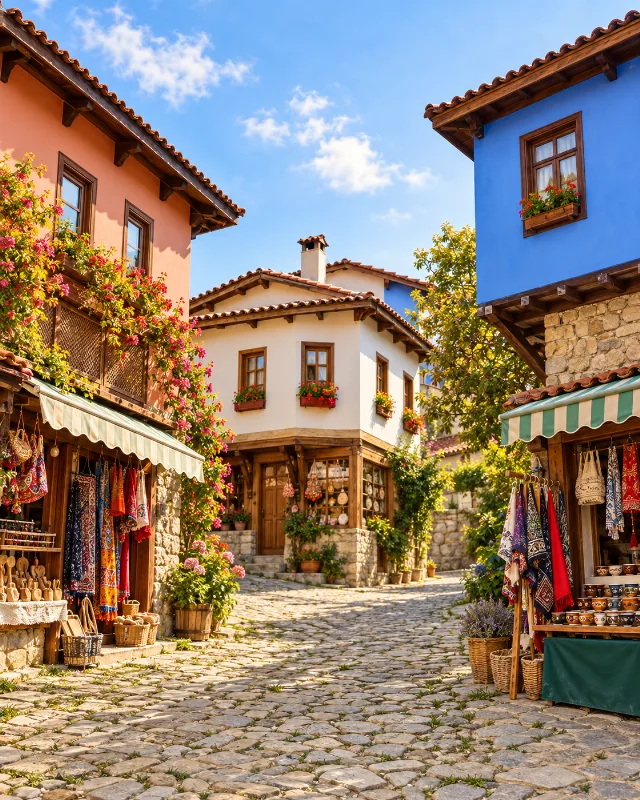
Cumalıkızık
Cumalıkızık is a historic Ottoman village in Bursa, Turkey, known for its well-preserved houses and cobblestone streets. It is part of the UNESCO World Heritage Site 'Bursa and Cumalıkızık: the Birth of the Ottoman Empire'.
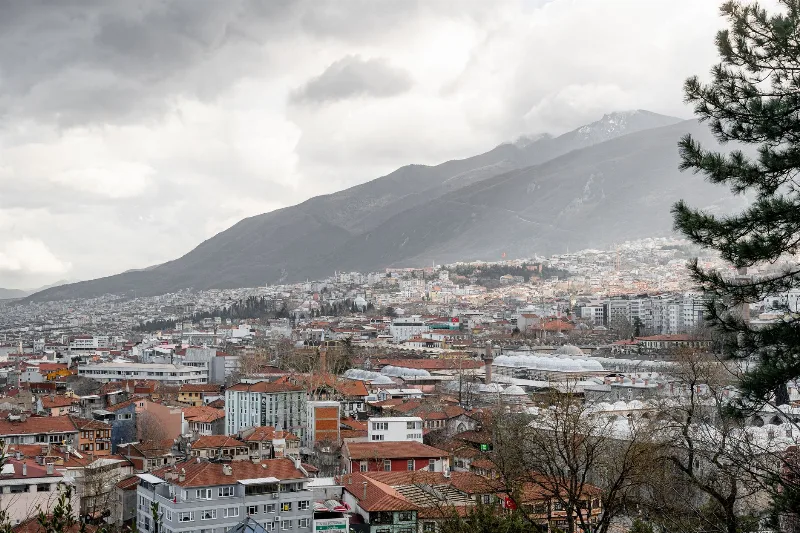
Bursa
Bursa is a major metropolitan city in northwestern Türkiye and the first great capital of the Ottoman Empire, known for its silk heritage, thermal springs and the mountain of Uludağ rising directly behind it.
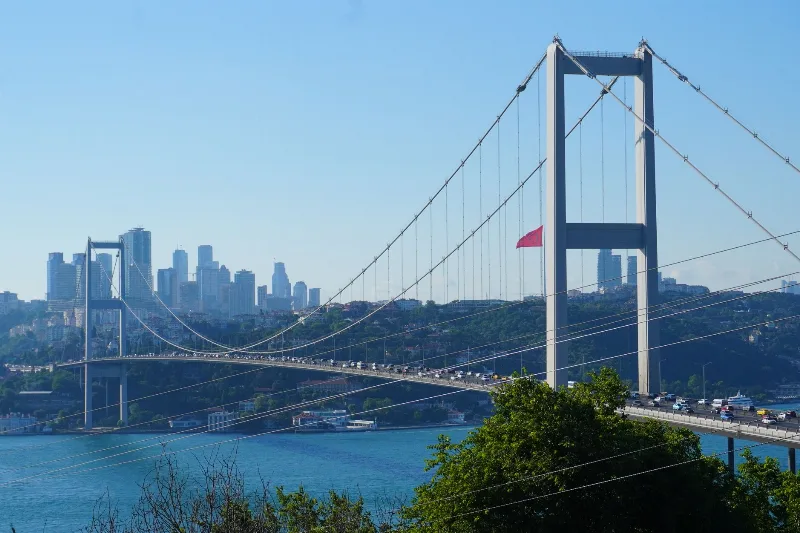
3-Day Istanbul to Bursa Route
Explore the first Ottoman capital on a three-day route from Istanbul to Bursa, combining historic city sites, the mountain landscapes of Uludağ, and the preserved village of Cumalıkızık.
2-Day Bursa and Uludağ Route
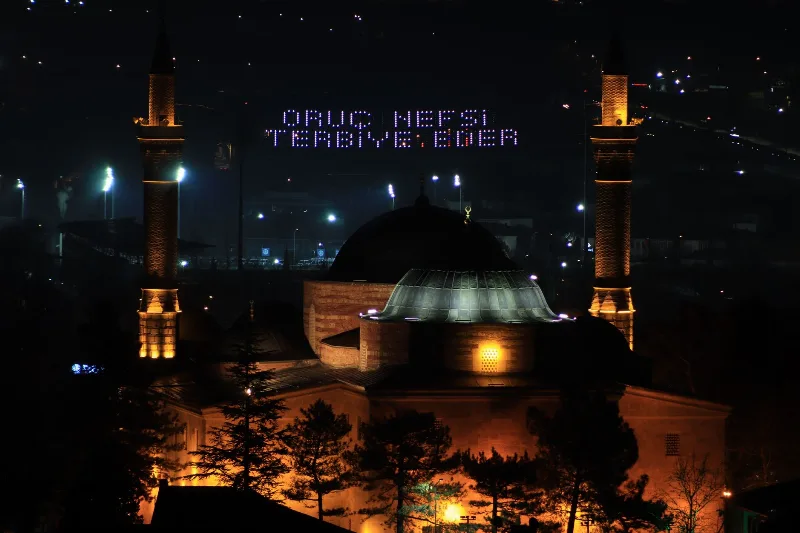
A two-day route through Bursa's Ottoman monuments and up to the Uludağ National Park by cable car, combining city walking with mountain hiking or skiing.
Villages
Small settlements, traditional architecture and rural landscapes across Türkiye.
4-Day Marmara Sea Route
A four-day loop around the Sea of Marmara that starts in Istanbul, crosses to Yalova, travels inland to Bursa and finishes among the ruins of Troy and the memorials of the Gallipoli peninsula. The itinerary is built around short, logical daily drives rather than long transfers.