
Çanakkale Garlic
Çanakkale garlic comes from the peninsulas of Türkiye's far northwest, where maritime weather and fertile valley soils give the bulbs a firm texture and a sharp, persistent aroma.
Çanakkale garlic is the garlic of Çanakkale province, which occupies the northwestern corner of Türkiye on the two peninsulas that flank the Dardanelles strait. The crop belongs to Allium sativum, the same species grown across the country, yet the bulbs produced here are tied to a specific landscape: the Gelibolu peninsula on the European side and the larger Biga peninsula on the Asian side, together with the farmland strung between the Aegean coast, the Sea of Marmara and the strait itself. Garlic has been part of the field rotation in this province for generations, grown alongside wheat, olives, tomatoes and vines, and it is one of the products that local growers and cooks most readily identify with Çanakkale.
A Peninsula Geography Built for Field Crops
The province is largely rural. Between the coastal towns and the fishing harbours lie broad, open plateaus, shallow river valleys and low hills that have been farmed for a very long time. Districts such as Biga, Çan, Bayramiç, Lapseki, Ezine and the villages around the provincial centre form a patchwork of small and medium-sized holdings rather than large industrial estates. This matters for garlic, because the crop is typically grown on modest plots as part of a mixed rotation, hand-managed at planting and lifted by hand or with light machinery at harvest.
The soils are a further reason garlic does well here. Valley floors carry deep alluvial and clay-loam soils that hold moisture through the winter and warm up steadily in spring, while the gentler slopes are shallower and better drained, which suits a bulb crop that suffers in waterlogged ground. A garlic bulb left in standing water rots; a bulb in loose, workable soil with steady moisture but free drainage swells evenly and forms tight, well-filled cloves.
Climate: Mediterranean Warmth Tempered by the Straits
Çanakkale sits in a transitional zone. It has the warm, dry summers typical of the Aegean and Mediterranean coasts, but the Dardanelles and the surrounding seas soften the extremes. Winters are mild and generally wet rather than severe, spring arrives early, and constant air movement off the water keeps humidity in check during the ripening weeks. That combination is close to ideal for garlic, which needs cool, damp conditions while roots and leaves establish, then a dry, bright finish while the bulb matures. Wind, which is a constant feature of the peninsula, also helps by limiting the fungal problems that plague garlic in still, humid places.
The Plant and Its Growing Cycle
Garlic is not grown from seed in the ordinary sense. A bulb is broken into individual cloves and each clove is planted, usually in autumn in this part of Türkiye. Over the winter the clove puts out roots and a small shoot; through spring the green leaves lengthen and the plant builds the reserves that will fill the new bulb underground. Some types throw up a curled flower stalk, or scape, which growers often remove so that the plant's energy goes into the bulb instead. By late spring and early summer the outer leaves begin to dry from the tip downwards, and that is the signal that the crop is finishing.
What the Bulb Looks Like
Çanakkale garlic is typically a compact, well-wrapped bulb with a papery white to off-white skin and cloves that sit closely together, sometimes with a faint pink or purple flush on the inner skins depending on the strain a grower keeps. Because it is a field crop rather than a protected single variety, individual farms maintain their own planting stock, and the bulbs sold locally can vary slightly in size and clove count from village to village.
Harvest, Curing and Storage
Harvest falls in the early summer months, when the leaves have yellowed enough that the bulb will not keep growing but the wrapper is still intact. Lifting is done carefully, since bruising shortens storage life. The bulbs are then cured: laid or hung in a shaded, airy place for a period so that the skins dry and the necks tighten. Curing is what turns a fresh, damp bulb into one that can hang through the winter. In Çanakkale, as elsewhere in Türkiye, cured garlic is commonly braided or strung into ropes and kept in a cool, ventilated corner of a house or store, taken down clove by clove as needed.
Flavour, Aroma and Everyday Use
The reputation of Çanakkale garlic rests mainly on its strength. Its aroma is pronounced and lingering, the sharpness coming from sulfur compounds that form when the cloves are crushed or cut. That intensity makes the bulbs useful both fresh and dried: fresh cloves for salads, sauces and the yogurt-and-garlic mixtures served with fried vegetables and grilled dishes across the Aegean, and dried or stored garlic for the winter kitchen. It also appears in vinegar preserves and pickles, and it flavours tomato and pepper dishes that the region grows in quantity. Garlic here is a working ingredient rather than a garnish.
Garlic in the Local Farm Economy
Garlic suits the structure of Çanakkale agriculture. It can be grown on small plots, it gives a return per unit of land that is often better than that of bulk field crops, and it stores well enough to be sold gradually rather than all at once. That makes it valuable to family farms around Biga, Çan, Lapseki and Bayramiç, where holdings are modest and diversification matters. The crop also fits neatly into rotations with cereals and vegetables, helping to break pest and disease cycles in the soil.
Garlic is cultivated elsewhere in the wider Marmara and Aegean transition zone, and neighbouring provinces grow comparable crops. What keeps Çanakkale garlic distinct is the setting rather than a single trademark variety: the strait-moderated climate, the drainable valley soils and the long tradition of small-scale, hand-managed cultivation on these peninsulas. Buyers looking for garlic from Türkiye's northwest are usually looking for exactly that combination of place, climate and farming habit.
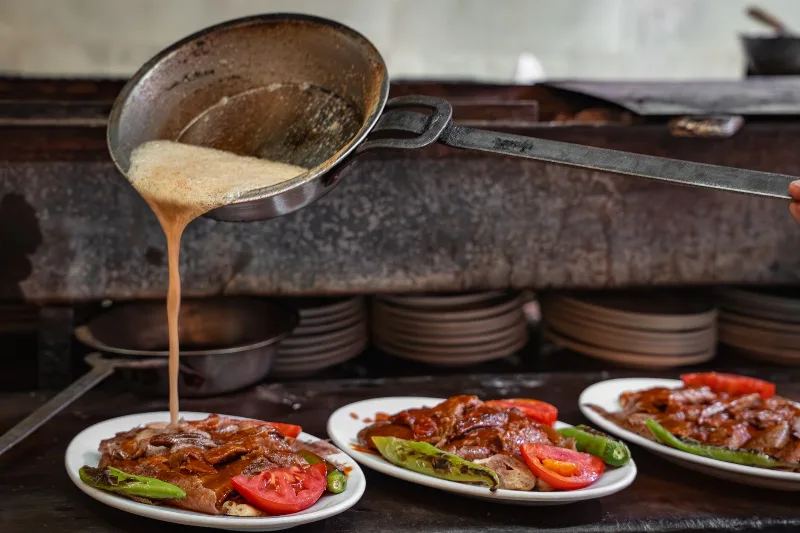
İskender Kebabı
İskender Kebabı is a Bursa dish made of sliced döner kebab laid over pieces of pita bread, dressed with warm tomato sauce and melted butter, and served with yogurt on the side.
Explore →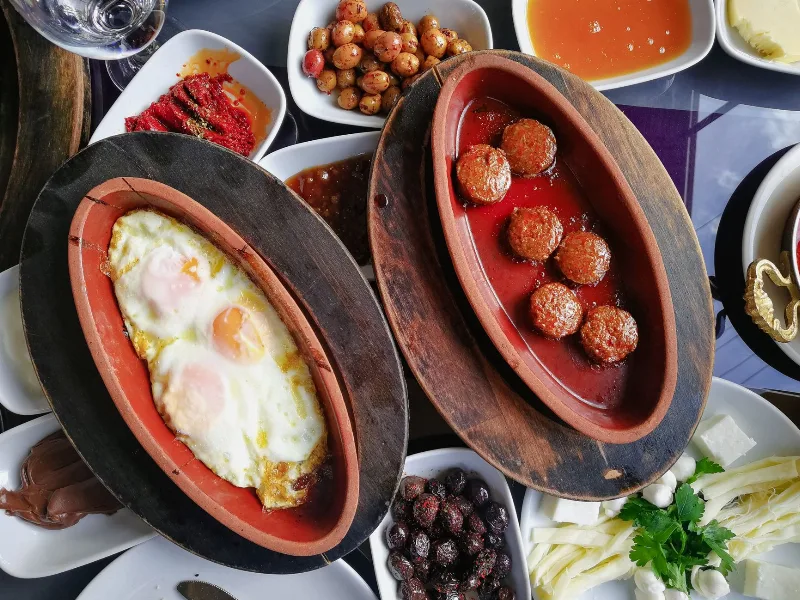
Menemen
Menemen is a Turkish breakfast dish of eggs cooked with tomatoes and green peppers in olive oil or butter, traditionally eaten with bread. It takes its name from a district of İzmir Province and is prepared in households across Türkiye.
Explore →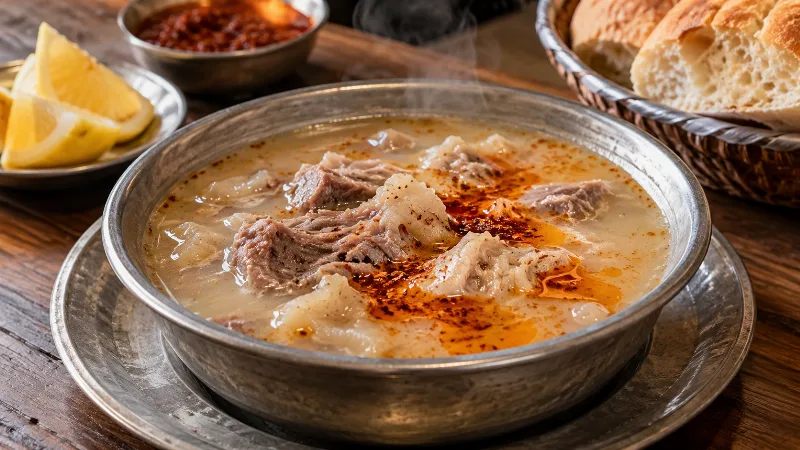
Kelle Paça Çorbası
Kelle Paça Çorbası is a traditional Turkish soup made from sheep's head and feet, known for its thick, gelatinous texture and restorative qualities. It is especially popular in Eastern and Southeastern Anatolia and is commonly eaten for breakfast or as a late-night meal.
Explore →Related content
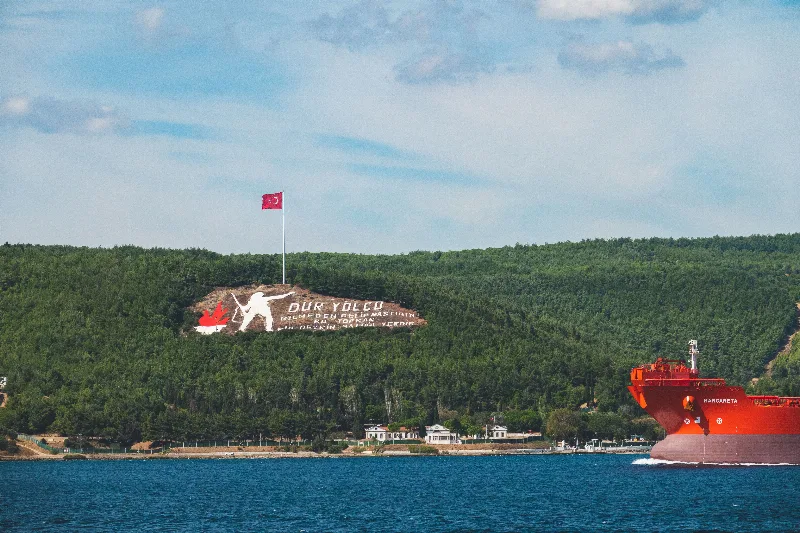
Çanakkale
Çanakkale is a northwestern Turkish city on the Asian shore of the Dardanelles, the strait separating Europe from Asia. It is the administrative centre of a province that includes the Gallipoli battlefields and the archaeological site of Troy.
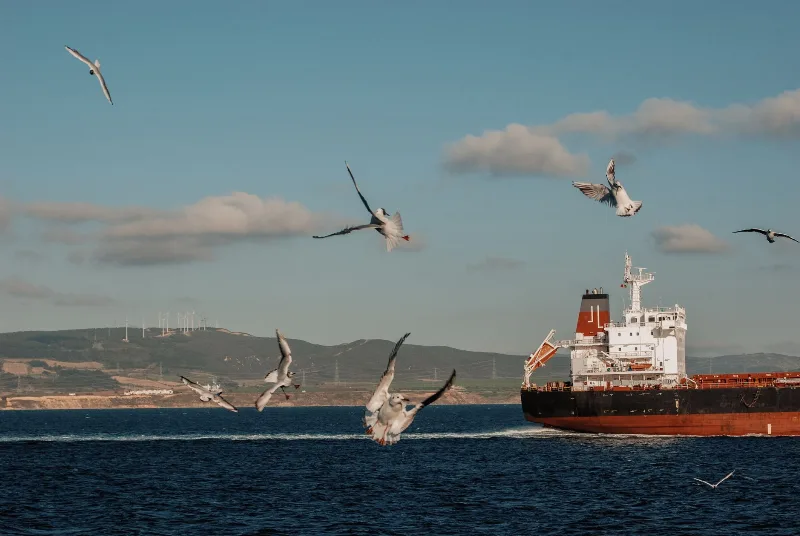
Çanakkale and the Dardanelles Strait
A short guide to Çanakkale and the Dardanelles Strait, covering the geography, ancient sites, island villages and local food of northwestern Türkiye.
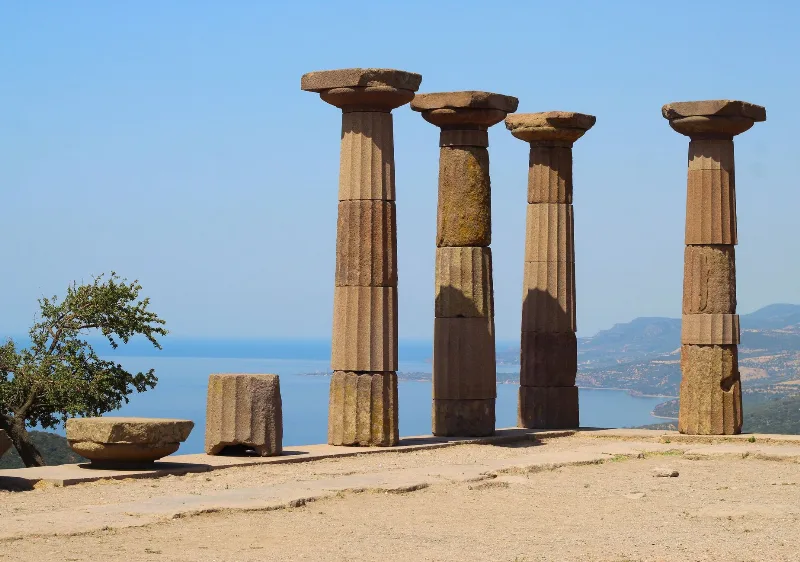
3-Day Çanakkale and Gallipoli Route
A three-day route based in Çanakkale that pairs the memorial landscapes of the Gallipoli Peninsula with the archaeological site of Troy and the southern Troad coast around Assos, using the Dardanelles ferry crossings as the link between two shores.
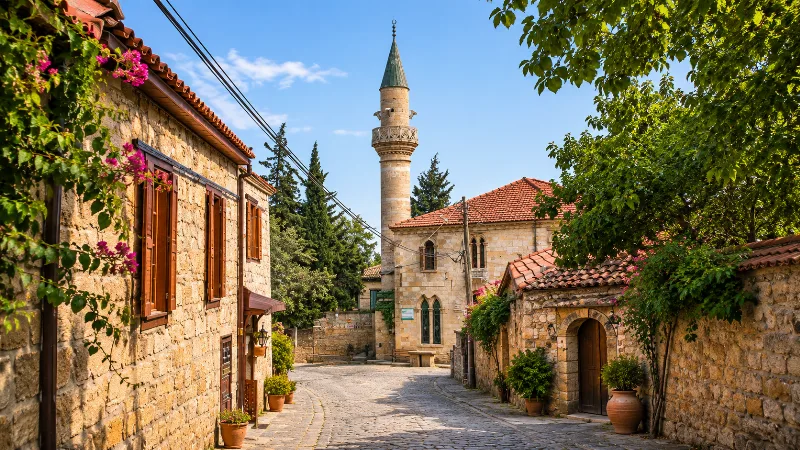
Yeşilyurt: A Stone Village on the Slopes of Kazdağı, Çanakkale
Yeşilyurt is a traditional mountain village in the Ayvacık district of Çanakkale, built on the slopes of Kazdağı and known for its stone houses and olive oil.
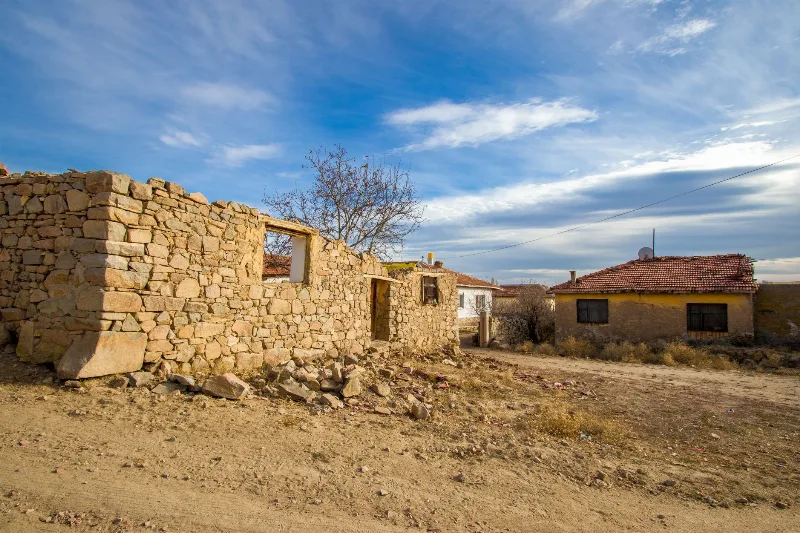
Bademli, Çanakkale: An Olive-Farming Village on the Slopes of Mount Ida
Bademli is a hillside village in the Ayvacık district of Çanakkale Province, set on the slopes of Kazdağı (Mount Ida) and known for its traditional stone houses and long tradition of olive oil production.
3-Day Assos and Troy Route
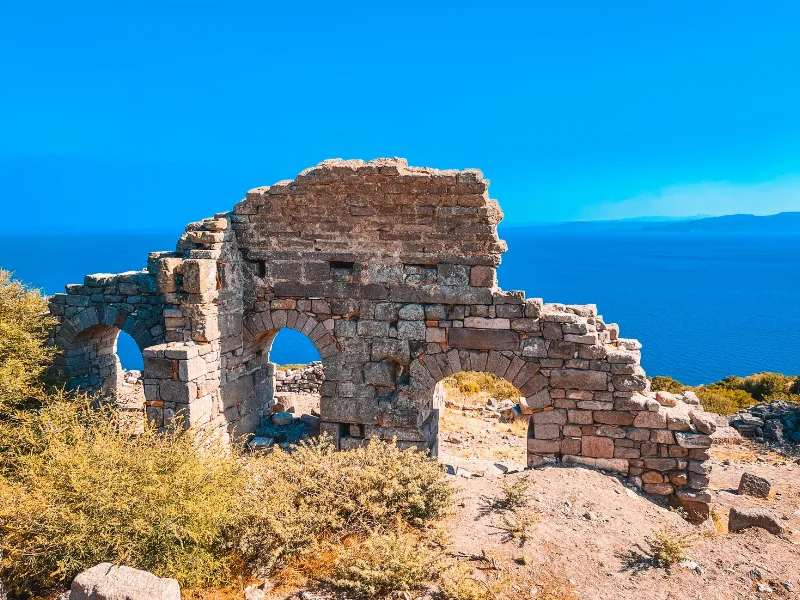
A three-day route through Turkey's Troad region, starting in Çanakkale and finishing at the clifftop village and ancient harbour of Assos, with Troy and the lesser-known classical ruins in between.